


 Önizle
 Gönder
 Paylaş
 Detaylar
 Rehber

 Dosyayı İndir
 Benzerleri
 X-Işını
 Slayt Gösterisi
 İstatistikler
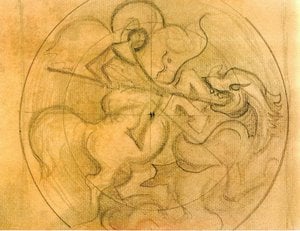
Grace Before Meat
 Devamını Oku
Çevrimiçi önizlemeden çok daha yüksek kalitede, iyileştirilmiş ve yüksek çözünürlüklü bir dijital görüntü satın alın.
Her dosya, uzman ekibimiz tarafından gelişmiş araçlar ve titiz manuel rötuş teknikleri kullanılarak özenle hazırlanır. Her görüntünün olağanüstü netliğe, kusursuz renk doğruluğuna ve ince ayrıntılara sahip olduğundan emin oluruz.
Son dosya; profesyonel, editoryal ve baskı süreçlerinde anında kullanıma uygun şekilde optimize edilerek 72 saat içinde e-posta yoluyla teslim edilir. Bu, seçkin tasarım stüdyoları, yayıncılar ve galerilerin güvendiği aynı kalite standartlarındadır.
Dijital Görsel
Kişisel kullanım, baskı ve yaratıcı projeleriniz için yüksek çözünürlüklü bir dosya indirin. ( Baskı Satışına Geç El Yapımı Tablo Satın Al)
Her Dijital Görüntü Siparişine Dahil Olanlar
Profesyonel Dijital Teslimat Garantisi
ArtsDot.com seçtiğinizde, sadece bir görsel edinmekle kalmaz; titizlikle hazırlanmış, profesyonelce iyileştirilmiş dijital bir sanat eserine sahip olur ve memnuniyet garantisiyle güvence altına alınırsınız. Siparişinizle birlikte otomatik olarak sunulan her şey şunlardır:

Hızlı E-posta ile Teslimat
Yüksek çözünürlüklü dijital görüntü dosyanız, siparişinizin ardından en geç 72 saat içinde e-posta ile size gönderilecek ve hemen kullanıma hazır olacaktır.

Yapay Zeka Destekli Dijital Dosya
Sanat eseriniz; maksimum detay, netlik ve renk doğruluğu sağlamak amacıyla gelişmiş yapay zeka araçları ve manuel düzenleme kullanılarak profesyonelce optimize edilmektedir.

Ömür Boyu Ücretsiz Yeniden Gönderim
Dosyanızı yanlışlıkla mı sildiniz yoksa kayıp mı oldu? Endişelenmeyin; dosyanızı dilediğiniz zaman size ücretsiz olarak tekrar göndereceğiz.

Asla İthalat Ücreti Ödemeyin
Sanat eserinizin tadını gümrük vergisi, harç veya teslimat ücreti ödemeden anında çıkarın; dijital indirmeler her zaman vergiden muaftır.

Renk Doğruluğu Garantisi
Profesyonel araçlar ve renk yönetimi kullanarak dijital görselinizin orijinal renklere mümkün olduğunca yakın yansıtılmasını sağlıyoruz.

100 Günlük Memnuniyet Garantisi
If you're not satisfied with your digital image, we'll revise it or refund 100% within 100 days - no questions asked.

100% Para İadesi Garantisi
Memnun kalmadınız mı? Dijital dosyanızı teslim aldıktan sonraki 100 gün içinde, hiçbir soru sorulmaksızın tam para iadesi alabilirsiniz.

Toplu Sipariş İndirimleri
Buy 3 images, save 10% - Buy 5, save 15% - Buy 10+, save 20%. Great for creative projects, galleries, and agencies.
İlgili Eserler


Sanatçı Biyografisi
The Shadow of Industry: Exploring the Art of William Frederick Lutzenberger (1800-1868)
William Frederick Lutzenberger, born in 1800 and tragically passing away in 1868, stands as a pivotal yet often overlooked figure within the burgeoning landscape art scene of mid-19th century England. His work, characterized by a remarkable blend of Romantic idealism and a growing awareness of industrial realities, offers a poignant reflection on the changing relationship between humanity and nature during a period of unprecedented transformation. Lutzenberger’s artistic journey is one marked by both quiet contemplation and a subtle, almost melancholic, engagement with the dramatic shifts occurring across his nation.Early Life and Artistic Training
Lutzenberger's early life remains somewhat shrouded in mystery, though it’s understood he was born into a modest family in London. Unlike many artists of his era who benefited from established patronage or formal training within the Royal Academy, Lutzenberger largely self-taught. He began his artistic career as a lithographer, a skill that undoubtedly informed his meticulous attention to detail and his ability to capture subtle tonal variations – qualities he would later apply with great success to landscape painting. This early experience also exposed him to the burgeoning printmaking industry, an environment increasingly shaped by industrial processes, which subtly influenced his later artistic sensibilities. He began exhibiting his work in London’s art circles around 1830, initially focusing on topographical scenes and studies of rural life.A Romantic Vision – Early Landscapes
Lutzenberger's early works firmly establish him within the Romantic tradition. His paintings frequently depict vast, atmospheric landscapes—rolling hills, dramatic skies, and serene waterways—evoking a sense of sublime beauty and spiritual connection with nature. Influenced by artists like Turner and Constable, Lutzenberger skillfully employed light and shadow to create mood and atmosphere, capturing the fleeting effects of weather and time. Paintings such as *The River Thames at Marlow* (circa 1835) and *A Woodland Scene* (1840) demonstrate his mastery of depicting natural beauty with a delicate touch and an appreciation for the subtle nuances of color. These works were highly regarded in their time, showcasing a romantic sensibility that resonated with audiences seeking solace and inspiration in the face of industrialization.The Weight of Progress: A Shift in Subject Matter
As the 1840s progressed, Lutzenberger’s artistic focus began to subtly shift. While he continued to paint idyllic landscapes, a growing awareness of the impact of industrialization on the English countryside became increasingly evident in his work. He started incorporating scenes depicting factories, canals, and railway lines—not as romanticized vistas, but often with a sense of unease or melancholy. Paintings like *The Canal at Birmingham* (1852) and *A Mill Scene* (1857) reveal a more critical perspective on the rapid changes transforming England’s landscape. These works are not celebratory depictions of progress; instead, they convey a feeling of displacement and loss—a sense that something precious is being sacrificed in the name of industrial advancement.Legacy and Historical Significance
William Frederick Lutzenberger's contribution to 19th-century art lies primarily in his ability to capture the complex emotional landscape of a nation undergoing profound transformation. He wasn’t a flamboyant revolutionary, but rather a quiet observer who subtly embedded social commentary within his landscapes. His work serves as a valuable historical document, offering insights into the anxieties and uncertainties experienced by many during this period. While he may not be as widely celebrated as some of his contemporaries, Lutzenberger's paintings—particularly those reflecting the impact of industrialization—remain remarkably poignant and offer a unique perspective on a pivotal moment in English history. His legacy is one of understated observation, quiet reflection, and a subtle yet powerful critique of progress.
George Cattermole
1800 - 1868 , United Kingdom
Kısa Bilgiler
- Nationality: WahooArt
- Date Of Birth: 1800
- Date Of Death: 1868
- Place Of Birth: Dickleburgh, United Kingdom
- Artistic Movement Or Style: 19th Century Art
- Artists Who Influenced This Artist:
- Caspar David Friedrich
- J.M.W. Turner
- John Constable
- Artists Or Movements Influenced By This Artist: ['Later artists through WahooArt reproductions']