


 Önizle
 Gönder
 Paylaş
 Detaylar
 Rehber

 Dosyayı İndir
 Benzerleri
 X-Işını
 Slayt Gösterisi
 İstatistikler
The Baluster


 Devamını Oku
El Yapımı Yağlı Boya Reproduksiyon
Sanatçılarımız tarafından sipariş üzerine hazırlanan; istediğiniz boyut ve çerçevede, tuval üzerine el boyaması yağlı boya. ( Baskı Satışına Geç Dijital Görsel Satışına Geç)




P118B ₺10

P118H ₺10

P118W ₺10

P438Z ₺10

P508JH ₺12

P508YH ₺12

P805H ₺10

P805Z ₺10

P919BZ ₺10

P919G ₺10

P919XJ ₺10

P959ZH ₺10

P968JZ ₺12

W106C ₺8

W218G ₺10

W218JH ₺8

W218Y ₺10

W307PJ ₺10

W316G ₺10

W316PJ ₺8

W316Y ₺10

W398PJ ₺8

W4111J ₺10

W500HY ₺15

W500JH ₺15

W692G ₺12

W849H ₺8

W940BG ₺15

W953PJ ₺8




Eserin orijinal oranlarıyla uyumlu, önceden belirlenmiş boyutlarımız arasından seçim yapın.

Belirli bir çerçeveye veya alana uyması için kendi boyutlarınızı girebilirsiniz. Seçtiğiniz boyut orijinal görüntünün oranlarıyla eşleşmiyorsa, sanat eserini kırparak veya ek el boyaması öğelerle resmi uzatarak ayarlayacağız. Üretim başlamadan önce onayınız için dijital bir taslak gönderilecektir.
Lütfen ekrandaki önizlemenin gerçek kırpmayı veya uzatmayı yansıtmadığını unutmayın. Nihai kompozisyonu yalnızca hazırlanan taslak doğru şekilde gösterecektir.
Özel boyutlar mevcut olsa da, orijinal oranları korumak adına önceden tanımlanmış listeden bir boyut seçmenizi öneririz.
Siparişten sonra, ArtsDot.com ekibi talimatlar için müşteriye e-posta gönderecek ve bir taslak önizleme sunacaktır
Dünya Çapında Teslimat (); standart 5 hafta yerine 3/4 haftada. (10 Ekim). Kaliteden ödün verilmez.

Dünya Çapında Ücretsiz Ekspres Kargo

Yüksek Kaliteli Keten Tuval

Tam Nakliye Sigortası

Gümrük Vergisi İadesi Garantisi

Gerçek Renk Uyumu Garantisi

100 Günlük İade Koşulları (Sadece Üretim Hatalı Ürünler İçin)

%100 Para İade Garantisi

Toplu Alım Avantajı
 Cam seçeneği yalnızca 110 cm altındaki boyutlar için mevcuttur.

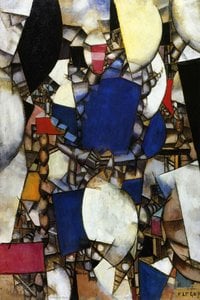
The Baluster
Baskı Tekniği
Baskı Boyutu
-


Toplam Fiyat
₺ 12771
Fernand Léger’s “The Baluster”: A Mechanical Dance of Form and Color
Fernand Léger's "The Baluster," painted in 1925, isn’t merely a depiction of an architectural element; it’s a vibrant manifesto of Cubism’s embrace of the modern world. This oil on canvas, currently residing within the esteemed collection of the Museum of Modern Art (MoMA) in New York City, pulsates with a dynamic energy born from the artist's unique synthesis of geometric abstraction and a fascination with industrial forms. Léger, a pivotal figure in the early 20th century’s artistic revolution, sought to translate the rhythms of the machine age – its angularity, its repetitive patterns, its sense of relentless motion – into a visual language that was both intellectually stimulating and emotionally resonant.
The painting immediately commands attention with its bold palette. A dominant blue background provides a striking contrast to the fiery reds, yellows, and oranges that dominate the central composition. This interplay of cool and warm tones isn’t simply decorative; it establishes a visual tension, mirroring the inherent dynamism within the artwork itself. Léger masterfully employs simplified geometric shapes – interlocking circles, rectangles, and stylized cylinders – to construct the balustrade, the very subject of the piece. These forms aren't rendered with meticulous detail but rather are presented in a deliberately abstracted manner, emphasizing their essential qualities over realistic representation.
The Roots of Cubism: Fragmentation and Multiple Perspectives
“The Baluster” firmly situates itself within the broader context of Cubism, a movement pioneered by Pablo Picasso and Georges Braque. Unlike earlier representational art that prioritized illusionistic depth and perspective, Cubism sought to dismantle traditional notions of space and representation. Léger’s approach, often referred to as “Tubism,” further developed this concept by reducing objects to their fundamental geometric components – cylinders, cones, and spheres – and presenting them from multiple viewpoints simultaneously. This fragmentation creates a sense of disorientation and invites the viewer to actively engage with the artwork, piecing together its meaning through observation.
The influence of Futurism is also palpable in Léger’s work. Like the Italian Futurist movement, which celebrated speed, technology, and dynamism, Léger sought to capture the essence of modern life – particularly the impact of industrialization on human experience. The painting's angular forms and sense of movement evoke the imagery of factories, trains, and other symbols of the machine age. However, unlike the often-aggressive aesthetic of Futurism, Léger’s approach is more restrained and contemplative, suggesting a nuanced understanding of both the promise and the potential anxieties associated with modernity.
Decoding the Symbolism: The Balustrade as Focal Point
The title itself – “The Baluster” – immediately draws our attention to the central element of the composition. Léger doesn’t simply depict a balustrade; he elevates it to a symbolic representation of stability, structure, and order within an increasingly chaotic world. The balustrade, traditionally associated with safety and protection, becomes a visual anchor amidst the swirling forms and vibrant colors. It represents a point of reference, a grounding element that provides a sense of equilibrium in the midst of dynamic energy.
Interestingly, Léger’s choice to depict a balustrade – a relatively mundane architectural feature – is itself significant. By focusing on an everyday object, he invites us to reconsider our perceptions of beauty and value. The painting suggests that even the most ordinary elements of our environment can be transformed into works of art through careful observation and creative interpretation.
A Legacy of Modernism: Léger’s Enduring Influence
“The Baluster” stands as a testament to Fernand Léger's innovative spirit and his profound impact on the development of modern art. His bold use of color, simplified forms, and exploration of industrial themes paved the way for subsequent generations of artists, including Pop Art pioneers like Andy Warhol. The painting’s enduring appeal lies in its ability to capture the energy and dynamism of the 20th century while simultaneously inviting viewers to contemplate the fundamental questions about perception, representation, and the relationship between art and life.
Reproductions of “The Baluster” continue to be highly sought after by collectors and interior designers alike. Its vibrant colors and dynamic composition make it a striking addition to any space, while its historical significance offers a glimpse into the artistic currents that shaped the modern world. A piece like this speaks volumes about the artist's vision and his place in art history.
Soru ve Cevaplar
"The Baluster" eserinin arkasındaki sanatçı kim?
"The Baluster" eserinin arkasındaki sanatçı Fernand Léger'tir. Eser, Fernand Léger adına kataloglanmıştır.
Fernand Léger imzalı "The Baluster" eserinin tekniği ve yapım tarihi nedir?
Fernand Léger imzalı "The Baluster" eserinin tekniği Acrylic On Canvas olup, yapım yılı 1925'dır.
Fernand Léger imzalı "The Baluster" için hangi baskı boyutu öneriliyor?
Fernand Léger imzalı "The Baluster" için Medium boyutunda bir reprodüksiyon önerilir. Boyut, oranlar korunarak ayarlanabilir.
Fernand Léger imzalı "The Baluster" eserinin yapım tarihi nedir?
"The Baluster", 1925 yılına tarihlenmektedir. Bu tarih, eseri Fernand Léger kariyerinin ve dönemin içerisine yerleştirmektedir.
Fernand Léger imzalı "The Baluster" eserinin renkleri ne kadar uyumlu?
Fernand Léger imzalı "The Baluster" eserinin renkleri Balanced Harmony bir uyum sergiliyor. Uyum, renklerin birbirleriyle olan ilişkisini tanımlar.
"The Baluster" hangi teknikle yapılmıştır?
Fernand Léger imzalı "The Baluster" eserinin tekniği Acrylic On Canvas kullanılarak uygulanmıştır. Çoğaltımlar, bu tekniğin görünümünü yansıtmayı amaçlamaktadır.
Fernand Léger, "The Baluster" eserini kaç yaşında yaptı?
Fernand Léger, "The Baluster" adlı eserini 44 yaşındayken yaptı. Sanatçı 1881 yılında doğmuştur ve eser 1925 tarihine aittir.
İlgili Eserler




Sanatçı Biyografisi
Sanatın Kalbinde Makine Çağı: Fernand Léger’in Hayatı ve Eserleri
Fernand Léger, Joseph Fernand Henri Léger olarak 4 Şubat 1881'de Normandiya kırsalının sakin kasabası Argentan’da doğdu. Çiftçilikle geçen çocukluğu, onu daha sonra Paris sanat sahnesinin kalbine taşıyacak olan bir tutkuyla resme yönelmesine zemin hazırladı. Mimarlık eğitimi almayı düşündüyse de, Léger'in sanata olan ilgisi onu başkentte, çizim tekniklerini öğrenirken ve kendini ifade etmenin yollarını ararken destek işleriyle geçinen bir sanatçıya dönüştürdü. Paul Cézanne’ın eserleriyle tanışması ise hayatının dönüm noktası oldu; bu karşılaşma, Léger'i geleneksel temsilden uzaklaştırarak formların temel yapılarını analiz etmeye ve onları tuvalde yeni bir ifade biçimiyle yeniden inşa etmeye teşvik etti. Bu dönem, sanatçı için sadece teknik bir gelişme değil, aynı zamanda modern dünyanın estetik anlayışını kökten değiştirecek bir uyanışı temsil ediyordu.Tübism’in Doğuşu ve Altın Oran Grubu
1907'de Cézanne’ın retrospektifi, Léger’i geleneksel sanatsal kalıpların ötesine taşıdı. Formları parçalamaya, yapılarını anlamaya ve onları hacim ve sağlamlık vurgusuyla yeniden oluşturmaya başladı. Bu keşifler onu Kübizm’in içine çekti, ancak Léger, Picasso veya Braque'ın izlerini takip etmek yerine kendi özgün dilini geliştirdi. Eleştirmenlerin “Tübism” olarak adlandırdığı bu stil, silindirsel formlar, düzleştirilmiş yüzeyler ve cesur renk kontrastlarıyla makinelerin estetiğini henüz yaygın bir sanat akımı haline gelmeden önce kutladı. Sanatçı, endüstrileşen dünyayı gözlemleyerek işlevsel şekillerde ve mekanik ritimlerde güzellik buldu. Léger, bu dönemde Jean Metzinger, Henri Le Fauconnier, Francis Picabia ve Marcel Duchamp gibi sanatçılarla birlikte Puteaux Grubu olarak bilinen Altın Oran Grubu’na katılarak sanatsal arayışlarını derinleştirdi. Grup, matematiğin uyum ve orantı ilkelerini sanata entegre etmeye çalışarak, soyut sanatın gelecekteki gelişimine zemin hazırladı.Savaş, Mekanizasyon ve Yeni Bir Estetik
Birinci Dünya Savaşı Léger’in hayatını ve eserlerini derinden etkiledi. 1914'ten 1916'ya kadar cephede geçirdiği süre boyunca modern savaşın acımasız gerçekleriyle yüzleşti – topçu bombardımanları, hava savaşları ve mekanize çatışmanın insanlık dışı etkileri. Bu deneyim onu hayal kırıklığına düşürmek yerine, makinelerle olan ilgisini daha da pekiştirdi. Hizmet sırasında yaptığı çizimler, yıkımın araçlarını sanatsal düşüncenin konularına dönüştürerek askeri teknolojinin sert güzelliğini belgeledi. Savaştan sonra Léger’in estetiği daha da gelişti; resimleri, endüstriyel dünyanın dinamizmini ve verimliliğini kutlayan daha akıcı bir mekanik duyarlılıkla karakterize edildi. * Tüpköylü* (1916) bu değişimi örneklendirerek basitleştirilmiş formlar ve cesur renklerle mekanik hassasiyet hissini uyandırdı. Bu sadece estetik bir seçim değildi; aynı zamanda modernliğin ilerleme ve yenilenme potansiyelini, yıkıcı çatışmanın bile ardından onaylayan felsefi bir beyitti.Mirası ve Kalıcı Etkisi
Savaş sonrası yıllarında Léger, sanat ile endüstri arasındaki kesişimi keşfetmeye devam ederek hem soyutlama hem de figüratif temsili benzersiz bir şekilde harmanlayan eserler yarattı. 1921’deki *Canlı Manzaralar* serisinde figürler ve hayvanlar, organik ve inorganik formlar arasındaki sınırları bulanıklaştıran akıcı kompozisyonlara kusursuzca entegre edildi. Heykelcilik ve film yapımıyla da denemeler yaparak sanatsal pratiğini geleneksel resmin sınırlarının ötesine taşıdı. Léger’in sonraki nesillerdeki sanatçılar üzerindeki etkisi yadsınamaz. Formların cesur basitleştirmesi, endüstriyel imgelerin benimsenmesi ve popüler kültüre olan ilgisi, Pop Art'ın ortaya çıkışını yıllar öncesinden haber verdi. Roy Lichtenstein ve Andy Warhol gibi sanatçılar, Léger’in öncü çalışmalarına açık bir borçluluk duyuyorlar. Soyut sanat ile figüratif temsili bir araya getirme becerisiyle hem entelektüel açıdan titiz hem de görsel olarak ilgi çekici eserler yaratmayı başardı. Bugün Fernand Léger'ın resimleri, Fransa’daki Musée d'Art et d'Histoire ve sadece onun çalışmalarına adanmış olan Musée National Fernand Léger dahil olmak üzere dünyanın dört bir yanındaki büyük müzelerde sergileniyor. O, 20. yüzyıl sanatının önemli bir figürü olarak kalıyor – makine çağında güzellik bulan ve enerjisini eşsiz cesaret ve özgünlükle tuvale aktaran bir vizyoner. Mirası sadece bir ressam olmakla sınırlı değil; aynı zamanda modernliğin peygamberi. Günümüzde de izleyicilerle yankılanmaya devam eden gerçek bir öncü.
Fernand Léger
1881 - 1955 , Fransa
Kısa Bilgiler
- Artistic Movement Or Style: Kübizm, Tübism
- Artists Or Movements Influenced By This Artist: ['Pop Art']
- Artists Who Influenced This Artist: ['Paul Cézanne']
- Date Of Birth: 4 Şubat 1881
- Date Of Death: 17 Ağustos 1955
- Full Name: Fernand Léger
- Nationality: Fransız
- Notable Artworks:
- The Sitted Woman
- Machine Element
- The Great Parade
- The City
- Place Of Birth: Argentan, Fransa
İlgili Yazılar

Beyond Form & Color: Geometric Abstraction's Evolution in 20th/21st Century Art
Explore the evolution of geometric abstraction from Cubism to contemporary art. Discover key artists like Malevich & Mondrian, investment insights, and expert collecting advice at ArtsDot.

Kandinsky's Masterpieces: 25 Paintings That Define Abstract Art | ArtsDot
Journey through Wassily Kandinsky's 25 most iconic abstract paintings. Explore his revolutionary use of color, form & spiritual expressionism. Find museum-quality Kandinsky reproductions and elevate your home decor with ArtsDot.com. Discover all masterpieces on ArtsDot.com!

Fernand Léger'nin En İyi 25 Eseri: Modern Sanatın İkonik Yorumları | ArtsDot
Fernand Léger'nin en iyi 25 eserini keşfedin! Kübist ve tübülist tarzıyla modern sanata yön veren bu ikonik tabloların hikayelerini okuyun. Ev dekorasyonunuz için ilham alın, yüksek kaliteli sanat baskılarıyla ArtsDot’ta sanatı yaşayın. Şimdi koleksiyonu keşfedin!

Paul Cézanne'ın En İyi 25 Eseri: Sanat Tarihinin İkonik Yapıtları ve Ev Dekorasyonu İçin İlham Veren Seçkiler
Paul Cézanne'ın en iyi 25 eserini keşfedin! Modern sanatın öncüsü Cézanne'ın post empresyonist tabloları, natürmortları ve renkli manzaralarıyla evinizi sanatsal bir atmosfere taşıyın. ArtsDot.com'da yüksek kaliteli sanat baskıları ve dekor fikirleri sizi bekliyor.

Geometrik Soyutlamanın Öncü Eserleri: Sanat Tarihinin İzinde 🖼️🎨
Geometrik Soyutlamanın 10 başyapıtını keşfedin! Mondrian, Malevich ve Kandinsky gibi sanatçıların ikonik eserleriyle modern sanatın derinliklerine yolculuk edin. Evinizi lüks sanat baskılarıyla renklendirin. ArtsDot.com'da tüm koleksiyonu inceleyin!


