

Görsel seçimlerinize göre şekillenmektedir: , .
Sanatçı Biyografisi
Explore the exquisite Baroque flower paintings of Ernst Stuven (1657-1712), a German master known for his detailed still lifes & Dutch influence.
 Tümünü Gör
El Yapımı Yağlı Boya Reproduksiyon
Sanatçılarımız tarafından sipariş üzerine hazırlanan; istediğiniz boyut ve çerçevede, tuval üzerine el boyaması yağlı boya. ( Baskı Satışına Geç Dijital Görsele Geç)
Order your in four simple steps
Acele etmeyin. İstediğiniz yanıtı değiştirebilirsiniz; sipariş kartınızdaki fiyat her seçime göre güncellenir.
1 Dört adımdan biri
Hangi boyutu istersiniz?
Bu boyutlar orijinal tablonun oranlarını korur. Çizim, seçtiğiniz eserin iki metrelik bir koltuğun üzerindeki duvarda nasıl duracağını göstermektedir.
Veya kendi ölçülerinizi girin
Eserin orijinal oranlarıyla uyumlu, önceden belirlenmiş boyutlarımız arasından seçim yapın.

Çerçevenize veya duvarınıza uygun olması için ihtiyacınız olan genişlik ve yüksekliği yazın. Bu eser el boyamasıdır; bu nedenle farklı bir formdaki boyutlar için sanatçı, resmin etrafına biraz daha fazla boya ekleyebilir veya kenarlardan biraz kırpabilir — seçim sizin. Boyama işlemi başlamadan önce onaylamanız için size bir dijital taslak gönderiyoruz. Bu sayfada gösterilen resim gerçek sonucu yansıtmamaktadır; gerçek sonucu yalnızca taslak göstermektedir.
2 Dört adımdan ikincisi
Nasıl hazırlanmalı: rulo halinde mi, gerilmiş mi yoksa çerçeveli mi?
Aşağıdaki fiyatlar, birinci adımda seçtiğiniz boyut içindir.
Gergin kanvasın kenarlarını seçin
Çerçevenizi seçin

Beyaz kenar bitişi ₺1

Bulanık kenar bitişi ₺1

Kenar boyalı ₺1

P118B ₺10

P118H ₺10

P118W ₺10

P438Z ₺10

P508JH ₺12

P508YH ₺12

P805H ₺10

P805Z ₺10

P919BZ ₺10

P919G ₺10

P919XJ ₺10

P959ZH ₺10

P968JZ ₺12

W106C ₺8

W218G ₺10

W218JH ₺8

W218Y ₺10

W307PJ ₺10

W316G ₺10

W316PJ ₺8

W316Y ₺10

W398PJ ₺8

W4111J ₺10

W500HY ₺15

W500JH ₺15

W692G ₺12

W849H ₺8

W940BG ₺15

W953PJ ₺8

H24-GOLD ₺30

H24-SILVER ₺30

H36-GOLD ₺45

H36-SILVER ₺45
Çerçeveli
Çerçeve Kenarlığı: . Çerçeve dahil toplam boyut: .
3 Dört adımdan üçüncüsü
Tabloda herhangi bir değişiklik yapılmasını ister misiniz?
Çoğu kişi hayır cevabını veriyor. Her tablo el yapımı olduğu için sanatçımız eseri sizin için uyarlayabilir.
Siparişten sonra, ArtsDot.com ekibi talimatlar için müşteriye e-posta gönderecek ve bir taslak önizleme sunacaktır
4 Dört adımdan dördüncüsü
Birkaç bitiş seçeneği
Hepsi isteğe bağlıdır. Halihazırda seçilmiş olan yanıtlar ek bir maliyet getirmez.
Kim tarafından yapıldı?
Dünya Çapında Teslimat (); standart 5 hafta yerine 3/4 haftada. (17 Kasım). Kaliteden ödün verilmez.
Müzedekiler gibi bir isimlik mi?
İşlemeli Bronz Plaka Detayları
This elegant plaque features the artist's name and the title of the artwork, finely engraved for a timeless presentation.
It is made from bronze with a refined, elegant finish. The text is precisely laser-engraved for a sharp and permanent result. Measuring 9x2 cm, the plaque is compact yet easy to read. It's built to be durable and scratch-resistant, offering a professional, museum-quality look. Mounting is simple thanks to the included adhesive backing.
Şeffaf Akrilik Plaka Detayları
The plaque includes essential engraved details such as the artist's name, the title of the artwork, the date it was created, the type of media used-like oil on canvas or watercolor-a brief description of the piece, and a QR code that links to the complete artwork information.
It is crafted from clear acrylic, offering a sleek, modern appearance. The text is UV-engraved in black to ensure strong visual contrast. With a size of 10x15 cm, it ensures optimal readability. It comes equipped with two metal hooks for secure wall mounting. The plaque is designed to be weather-resistant, making it suitable for various environments, and it includes interactive features that work seamlessly with smartphone scanning.
Siyah Akrilik Plaka Detayları
This elegant plaque includes engraved information such as the artist's name, the title of the artwork, the date it was created, the type of media used (like oil on canvas or watercolor), a short description of the artwork, and a QR code for quick access to more information.
The plaque itself is made from refined black acrylic with a premium finish. The text is laser-engraved in white for high contrast and readability. Its size is 10x15 cm, designed to be easy to read. It comes with two metal hooks for professional mounting. The design is sleek and fits any interior style. It is also weather-resistant and durable, with built-in digital integration for mobile compatibility.
Koruyucu vernik mi?
Ne zaman ihtiyacınız var?
✓ Kontrol et ve sipariş ver
Sipariş ettiğiniz şekilde, tablonuz

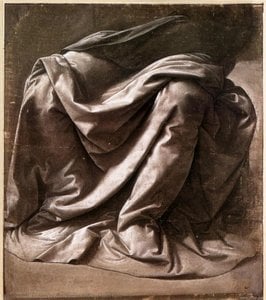
Fruit Study
Reproduksiyon Tekniği
Reproduksiyon Boyutu
-

Seçkin Kıdemli Sanatçı
Daha fazla detay, incelik ve ek üretim süresi
-

Reproduksiyon Çerçevesi
-
-
Herhangi bir kenarı 105 cm'den (yaklaşık 41 inç) büyük olan sanat eserleri veya reprodüksiyonlar için çerçeve, demonte edilmiş bir kit halinde gönderilecektir. Bu yöntem, güvenli teslimat sağlar ve taşıma sırasında oluşabilecek hasarları önler.
Profesyonel montaj gereklidir; bu ürün kendin yap (DIY) tarzı bir ürün değildir.
Kit; ahşap tutkalı (pakete dahil değildir), kanvas germe pensi ve tutkal kururken çıtaların dik durmasını sağlayacak işkenceler kullanılarak, deneyimli bir profesyonel çerçeveci tarafından monte edilmeli ve kanvas gerilmelidir. Hatalı montaj veya dengesiz kanvas gerginliği sanat eserine kalıcı zarar verebilir ve bu durum garantimiz kapsamında değildir.
 Herhangi bir kenarı 105 cm'den (yaklaşık 41 inç) büyük olan sanat eserleri veya reprodüksiyonlar için çerçeve, demonte edilmiş bir kit halinde gönderilecektir. Bu yöntem, güvenli teslimat sağlar ve taşıma sırasında oluşabilecek hasarları önler.
Tüm masif ahşap çıtalar dahildir, montaj için hassas bir şekilde ölçülmüştür.
Paket içeriğinde bulunan vidalar ve köşe birleşimleri için ustanız tarafından temin edilmesi gereken, ancak pakete dahil olmayan ahşap tutkalı ile monte edilir.
Profesyonel araçlar gereklidir ve pakete dahil değildir: bir tuval germe aparatı (gerdirici) ve yapıştırıcı kururken çıtaların dik durmasını sağlayacak kıskaçlar.
Önemli:
Köşe bağlantıları için ahşap tutkalı gereklidir; tutkal tamamen kuruyana kadar çıtalar işkenceler ile sabitlenmelidir ve monte edilmiş çerçeve üzerindeki kanvasın gerilmesi için bir kanvas germe pensine ihtiyaç duyulur. Bunların hiçbiri kit içerisinde yer almamaktadır. Lütfen bu boyutu sipariş etmeden önce deneyimli bir profesyonel çerçeve ustası ile anlaşın.

Eser Etiketi
-
-

Koruyucu Vernik Katmanı
Parlak Vernik (renkleri canlandırır; ışığa ve neme karşı koruma sağlar)
-

Eserimi Özelleştir
Değiştirilebilecek örneklere göz atın: Yüzü müşteri fotoğrafıyla değiştirin; Evcil hayvan ekleyin (örneğin, kediyi köpek ile değiştirin); Arka plana gizli bir mesaj dahil edin; Arka plan manzarasını veya öğelerini değiştirin.
-

Hızlı Teslimat
Dünya Çapında Teslimat (); standart 5 hafta yerine 3/4 hafta içinde. (17 Kasım). Kaliteden ödün verilmez.
-
Hızlı Gönderim
için dünya çapında 5 haftalık teslimat süresi. (24 Kasım).
Dahil
Toplam Tutar
₺ 13040
Cam seçeneği yalnızca 110 cm altındaki boyutlar için mevcuttur.
Her siparişle birlikte gelir
- Dünya Çapında Ücretsiz Ekspres Kargo
- Yüksek Kaliteli Keten Kanvas
- Tam Nakliye Sigortası
- Gümrük Vergisi İadesi Garantisi
- Gerçek Renk Uyumu Garantisi
- 100 Günlük İade Politikası (Sadece Kusurlu Ürünler İçin)
- %100 Para İade Garantisi
- Toplu Alım İndirimi


Bu tablo hakkında daha fazla bilgi
 Gerçek Boyutta Önizle
 Paylaş
 Paylaş
 Detayları Gör
 Rehber

 İndir
İndir
 Benzer ürünler
 X-Işını
 Slayt Gösterisi
 Soru & Cevap
 İstatistikler
Benzer Eserler




Ernst Stuven
1657 - 1712, Germany
Sanatçı Özgeçmişi
The Botanical Soul of the Baroque: The Life of Ernst Stuven
In the grand, sweeping narrative of the seventeenth century, where the dramatic shadows of the Baroque era met the meticulous precision of the Dutch Golden Age, the name Ernst Stuven emerges as a master of the delicate and the ephemeral. Born in 1657 in the industrious city of Hamburg, Germany, Stuven’s early life was shaped by the rigorous traditions of Northern European craftsmanship. His initial artistic foundations were laid under the watchful eye of Georg Hainz, a mentor who instilled in him the discipline required to capture the minute complexities of the natural world. Yet, the true metamorphosis of his talent occurred when, at the age of eighteen, he ventured toward the vibrant artistic pulse of Amsterdam. This relocation was more than a mere change of scenery; it was an immersion into a culture where light, texture, and botanical splendor were celebrated with unparalleled fervor.
The trajectory of Stuven’s career was profoundly influenced by his time in the studios of some of the era's most esteemed masters. After studying under Johannes Voorhout, he found himself drawn to the specialized allure of flower painting, leading him into the prestigious studio of Willem van Aelst. It was here that Stuven refined his ability to render the velvety texture of a petal and the translucent shimmer of dew. His artistic evolution continued as he later sought the guidance of Abraham Mignon, further honing a style that balanced scientific accuracy with an almost poetic atmospheric perspective. Through these associations, Stulen became a vital link in the chain of Dutch-influenced botanical art, blending German precision with the lush, emotive qualities of the Amsterdam school.
A Mastery of Bloom and Decay
To gaze upon a Stuven masterpiece is to enter a silent, fragrant world where time seems to suspend itself. His work was never merely about the depiction of flora; it was an exploration of vanitas—the profound meditation on the fleeting nature of life. While his canvases often featured vibrant arrangements of roses, tulips, and primroses, there was always an underlying tension between the peak of blossom and the inevitable onset of decay. He utilized a sophisticated palette of muted tones—deep greens, earthy browns, and rich reds—to create a sense of profound tranquility and understated elegance. Unlike contemporaries who relied on jarring contrasts, Stuven mastered the art of tonal gradation, allowing each element of his compositions to emerge softly from the shadows.
His technical prowess extended beyond the petals themselves to the surrounding elements that grounded his compositions. He possessed an uncanny ability to render the cold, hard surface of a stone slab or the fragile transparency of a glass vase with equal conviction. This interplay between the organic and the inorganic served to heighten the sensory experience of his viewers, making the flowers feel tangibly present within the viewer's space. His achievements in this genre were not merely measured by technical skill but by his ability to evoke an emotional response—a quiet reverence for the intricate beauty found in the smallest corners of nature.
Legacy and the Shadows of a Turbulent Life
Despite the serene beauty of his canvases, the personal history of Ernst Stuven was marked by periods of significant turbulence. The annals of art history, particularly the writings of Houbraken, reveal a life that was not without its darker chapters. His relationship with his pupil, Willem Grasdorp, was famously fraught with conflict, leading to legal repercussions and a period of incarceration in Amsterdam's Rasphuis. Such dramatic shifts in fortune—from the heights of artistic success to the depths of social isolation—add a layer of poignant complexity to his legacy. In his later years, moving through Haarlem and eventually settling in Rotterdam, he lived a life supported by patrons who recognized the enduring value of his hand.
Ultimately, the historical significance of Ernst Stuven lies in his contribution to the enduring tradition of the still life. He remains a pivotal figure for anyone seeking to understand the intersection of German training and Dutch aesthetic innovation. His works continue to serve as windows into a lost era of botanical wonder, reminding us that even the most fleeting bloom can be rendered immortal through the dedicated brush of a master. Through his meticulous observation and soulful execution, Stuven ensured that the delicate dance of light and life would never truly fade from the halls of art history.
Benzer Yazılar

Karl Blossfeldt's 'Urformen der Kunst': Pioneering Botanical Photomicrography & Aesthetic Form
Explore Karl Blossfeldt's groundbreaking *Urformen der Kunst* & pioneering botanical photography. Discover the aesthetic power of nature, New Objectivity influences, and his lasting impact on modern art. Learn about collecting key works.

The Precision of Perception: Scientific Illustration as Art & Epistemology
Explore the fascinating history of scientific illustration – where art meets accuracy. Discover key artists like Karl Blossfeldt & Maud H. Purdy, and delve into its profound epistemological roots. ArtsDot offers museum-quality reproductions.
The Flourishing Canvas: A Historical & Artistic Exploration of Botanical Illustration
Explore the rich history of botanical illustration! Discover key artists like Havell & Barraband, learn about scientific accuracy & aesthetic beauty. Shop museum-quality reproductions at ArtsDot.