


 Önizle
 Gönder
 Paylaş
 Detaylar
 Rehber

 Dosyayı İndir
 Benzerleri
 X-Işını
 Slayt Gösterisi
 İstatistikler
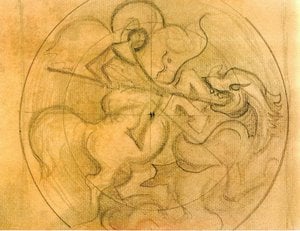
Lonely
 Devamını Oku
Giclée / Sanat Baskısı
Hızlı üretim ve esnek bitiş seçenekleriyle müze kalitesinde giclée veya kanvas baskı. ( El Yapımı Tablo Satın Al Dijital Görsel Satışına Geç)




































Eserin orijinal oranlarıyla uyumlu, önceden belirlenmiş boyutlarımız arasından seçim yapın.

Belirli bir çerçeveye veya alana uyması için kendi ölçülerinizi girebilirsiniz. Seçtiğiniz boyut orijinal görüntünün oranlarıyla eşleşmiyorsa, sanat eserini kırpacağız veya görüntüyü aynalanmış ya da düz dolgulu bir kenarlıkla genişleteceğiz. Üretim başlamadan önce onayınız için bir dijital taslak gönderilecektir.
Lütfen ekrandaki önizlemenin gerçek kırpma veya genişletmeyi yansıtmadığını unutmayın. Nihai kompozisyonu yalnızca taslak doğru bir şekilde gösterecektir.
Özel boyutlar mevcut olsa da, orijinal oranları korumak için önceden tanımlanmış listeden bir boyut seçmenizi öneririz.
Dünya Çapında Teslimat (); standart 4/5 hafta yerine 2 haftada. (25 Eylül)

Dünya Çapında Ücretsiz Ekspres Kargo

Yüksek Kaliteli Keten Tuval

Tam Nakliye Sigortası

Gümrük Vergisi İadesi Garantisi

Gerçek Renk Uyumu Garantisi

100 Günlük İade Koşulları (Sadece Üretim Hatalı Ürünler İçin)

%100 Para İade Garantisi

Toplu Alım Avantajı
 Cam seçeneği yalnızca 110 cm altındaki boyutlar için mevcuttur.

Lonely
Giclée / Sanat Baskısı
Baskı Boyutu
-


Toplam Fiyat
$ 62
İlgili Eserler


Sanatçı Biyografisi
The Equestrian Master: The Life and Legacy of Emil Franz Adam
In the grand tapestry of nineteenth-century German art, few threads are as vibrant or as spirited as those woven by Emil Franz Adam. Born in Munich in 1843, Adam emerged from a lineage deeply rooted in the tradition of animalier painting, carrying the weight and the wonder of his ancestors' legacies. As the son of the renowned animal painter Benno Adam and the great-nephew of the celebrated equestrian artist Albrecht Adam, his path toward the canvas was almost predestined. While he initially harbored intentions to dedicate his intellect to the rigors of science, the magnetic pull of the equine world—inherited from a grandfather who mastered the depiction of cavalry and battle—eventually steered him toward a life of artistic pursuit. This transition from scientific curiosity to creative mastery allowed him to approach his subjects with a unique blend of anatomical precision and profound emotional resonance.
Adam’s formal education was a journey through the most prestigious ateliers of his era. He refined his foundational skills under the watchful eye of his uncle, Franz Adam, and later sought broader horizons in Brussels under the guidance of Jean-François Portaels. This diverse training provided him with a robust command of classical technique, yet it also prepared him for the shifting tides of European art. While he remained a steadfast practitioner of academic excellence, his work began to breathe with the burgeoning energy of Symbolism. He moved beyond the mere documentation of anatomy to capture the very essence of his subjects, seeking to express inner truths and spiritual vitality through the muscular grace of a horse or the quiet dignity of a landscape.
A Symphony of Motion and Light
The true heart of Adam’s oeuvre lies in his unparalleled ability to render the majesty of the horse. He is widely regarded as one of the last great masters of equestrian portraiture, a title earned through his meticulous attention to the texture of coat, the glint of an eye, and the powerful tension of a galloping Thoroughbred. His canvases are not merely portraits of animals; they are studies in equestrian grace and athletic nobility. In works such as “Diamond Jubilee,” his depiction of the legendary Derby winner, one can witness the intersection of academic precision and a more modern, expressive vitality. Here, the use of bold brushstrokes and a vibrant palette serves to convey the thundering pulse of the race, transforming a sporting moment into a timeless celebration of power.
Beyond the racetrack, Adam’s artistry extended into the serene realms of hunting scenes and idealized landscapes. His ability to integrate animals into their natural environments allowed him to explore themes of nature's spirit and the harmonious relationship between man and beast. Influenced by the psychological depth found in the works of contemporaries like Edvard Munch and Gustation Klimt, Adam’s later compositions often moved toward a more evocative idiom. He utilized light not just to illuminate form, but to create atmosphere—bathed in luminous colors that reflected the breathtaking Bavarian scenery, his landscapes often felt imbued with a sense of serene contemplation and mythological undertone.
Historical Significance and Enduring Impression
The historical importance of Emil Franz Adam rests in his role as a bridge between the rigid traditions of the past and the expressive freedoms of the future. He maintained the integrity of the academic style—prioritizing meticulous detail and accurate representation—while simultaneously embracing the emotional intensity that defined the turn of the century. His work stands as a testament to a period when art sought to find meaning in the physical world through a lens of spiritual and psychological exploration.
Throughout his long life, which concluded in Munich in 1924, Adam’s contributions to the German art scene remained profound. His legacy is characterized by:
- Technical Mastery: A profound command of anatomical accuracy and classical oil techniques inherited from a prestigious lineage.
- Genre Innovation: The elevation of equestrian and hunting scenes from mere sporting documentation to high-art Symbolism.
- Atmospheric Depth: An ability to use light and color to evoke the spiritual essence of the natural world.
- Cultural Continuity: Serving as a vital link in the chain of Munich’s great tradition of animalier painters.
Today, when we gaze upon an Adam original, we do not merely see a horse or a landscape; we experience a moment of captured vitality, a fragment of history where the precision of science meets the passion of the soul.

emil franz adam
1843 - 1924 , Germany
Kısa Bilgiler
- Artistic Movement Or Style: Symbolism
- Artists Or Movements Influenced By This Artist: ['Franz Marc']
- Date Of Birth: 1843
- Full Name: Emil Franz Adam
- Nationality: German
- Notable Artworks:
- Diamond Jubilee,
- Spearmint
- Flying Fox
- Place Of Birth: Munich, Germany