

 Gerçek Boyutta Önizle
 Paylaş
 Paylaş
 Detayları Gör
 Rehber

 İndir
İndir
 Benzer ürünler
 X-Işını
 Slayt Gösterisi
 Soru & Cevap
 İstatistikler
untitled (9111)


 Tümünü Gör
Giclée / Sanat Baskısı
Hızlı üretim ve esnek bitiş seçenekleriyle müze kalitesinde giclée veya kanvas baskı. ( El Yapımı Tablo Satın Al Dijital Görsele Geç)




P118B ₺10

P118H ₺10

P118W ₺10

P438Z ₺10

P508JH ₺12

P508YH ₺12

P805H ₺10

P805Z ₺10

P919BZ ₺10

P919G ₺10

P919XJ ₺10

P959ZH ₺10

P968JZ ₺12

W106C ₺8

W218G ₺10

W218JH ₺8

W218Y ₺10

W307PJ ₺10

W316G ₺10

W316PJ ₺8

W316Y ₺10

W398PJ ₺8

W4111J ₺10

W500HY ₺15

W500JH ₺15

W692G ₺12

W849H ₺8

W940BG ₺15

W953PJ ₺8




Eserin orijinal oranlarıyla uyumlu, önceden belirlenmiş boyutlarımız arasından seçim yapın.

Çerçevenize veya duvarınıza uygun olması için ihtiyacınız olan genişlik ve yüksekliği yazın. Bir baskı yalnızca kesilebilir, görselden daha büyük hale getirilemez; bu nedenle farklı bir formdaki boyut seçimi, görselin bir kısmının kaybına neden olur. Herhangi bir baskı yapmadan önce onaylamanız için size bir dijital taslak gönderiyoruz. Bu sayfada gösterilen resim gerçek kesimi göstermez — bunu yalnızca taslak gösterir.
Dünya Çapında Teslimat (); standart 4/5 hafta yerine 2 haftada. (12 Kasım)

Dünya Çapında Ücretsiz Ekspres Kargo

Yüksek Kaliteli Keten Kanvas

Tam Nakliye Sigortası

Gümrük Vergisi İadesi Garantisi

Gerçek Renk Uyumu Garantisi

100 Günlük İade Politikası (Sadece Kusurlu Ürünler İçin)

%100 Para İade Garantisi

Toplu Alım İndirimi
 Cam seçeneği yalnızca 110 cm altındaki boyutlar için mevcuttur.

untitled (9111)
Giclée / Sanat Baskısı
Reproduksiyon Boyutu
-


Toplam Tutar
₺ 3115
A Shadowed Beauty: Unveiling the Mystery of “Untitled (9111)”
This arresting portrait, often referred to as "Untitled (9111)," offers a glimpse into the intensely personal and profoundly melancholic world of Egon Schiele. The image presents a woman shrouded in mystery, her face partially obscured by a delicate veil, a gesture that immediately invites speculation about her identity and inner state. The painting possesses an undeniable vintage quality – a subtle blurring of edges and a muted palette suggest it’s not merely a reproduction but a piece imbued with the weight of time itself. It's a work that speaks volumes without uttering a single word, drawing the viewer into a quiet contemplation of human vulnerability and the unspoken anxieties of existence.
Schiele’s artistic journey was inextricably linked to personal tragedy. Born in 1890 in Tulln an der Donau, Austria – then part of the Austro-Hungarian Empire – his childhood was marked by illness and loss. The early death of his father from syphilis at the tender age of fourteen profoundly shaped his worldview, instilling a preoccupation with mortality that would permeate much of his oeuvre. This experience isn’t simply reflected in morbid subject matter; it's woven into the very fabric of his technique – a deliberate distortion of form and an unsettling intensity in his gaze. The woman before us embodies this legacy: she is not idealized, but presented with raw honesty, her downward glance hinting at a hidden sorrow.
Decoding Symbolism and Technique
Schiele’s style during this period – roughly 1910-1918 – is characterized by its expressive distortion and psychological depth. He moved away from the polished surfaces of academic art, embracing instead a visceral approach that prioritized emotional impact over realistic representation. Notice the elongated limbs, the subtly hunched posture, and the almost skeletal quality of the figure. These are not accidental choices; they’re deliberate attempts to convey a sense of fragility and impending doom. The veil itself is a potent symbol – it can represent modesty, concealment, or perhaps even a barrier between the viewer and the subject's true self.
Technically, Schiele employed a technique he termed “pointillé,” a dense network of tiny dots that created texture and movement on the canvas. This method, combined with his use of thin washes of color, lends the painting an ethereal quality, as if it’s caught between worlds – simultaneously present and fading away. The muted palette—primarily browns, greys, and ochres—further enhances this sense of melancholy and timelessness. The artist's hand is visible in places, a testament to his direct engagement with the medium and a rejection of idealized artistic detachment.
Historical Context: Vienna on the Brink
To understand “Untitled (9111),” it’s crucial to consider the historical context in which Schiele was working. Early 20th-century Vienna was a city teeming with intellectual ferment, but also gripped by social anxieties and political unrest. The Austro-Hungarian Empire was crumbling, and artists like Schiele were grappling with questions of identity, sexuality, and mortality – themes that resonated deeply within the cultural landscape. His work reflects this atmosphere of uncertainty and disillusionment, capturing a sense of impending change and the fragility of human existence in a world on the precipice.
Schiele’s life was tragically cut short during World War I, succumbing to influenza at the age of 28. His premature death only served to amplify the mystique surrounding his work, solidifying his reputation as one of the most innovative and emotionally charged artists of his generation. “Untitled (9111)” stands as a poignant reminder of his artistic genius – a hauntingly beautiful portrait that continues to resonate with viewers today.
A Timeless Masterpiece: Bringing Schiele Home
ArtsDot offers meticulously crafted, hand-painted reproductions of Egon Schiele’s “Untitled (9111),” allowing you to experience the raw emotion and captivating beauty of this iconic work in your own space. Our artists replicate Schiele's distinctive style with exceptional skill, capturing not only the visual details but also the underlying psychological intensity. Whether you are an art collector, interior designer seeking a statement piece, or simply someone drawn to the power of evocative imagery, a ArtsDot reproduction of “Untitled (9111)” is a timeless addition to any collection. Explore our range of sizes and canvas options today – and bring this enigmatic portrait into your world.
Soru ve Cevaplar
"untitled (9111)" genel olarak daha mı açık yoksa daha mı koyu tonlarda?
Egon Schiele imzalı "untitled (9111)" için kaydedilen değerler şöyledir: brilliant parlaklık, Luminous aydınlık.
Egon Schiele imzalı "untitled (9111)" hangi sanat akımına dahildir?
Egon Schiele imzalı "untitled (9111)", Expressionist Egon Schiele akımına aittir. Bu akım, eserin üslup bağlamını sunmaktadır.
Egon Schiele imzalı "untitled (9111)" eserinin duygusal tonu nedir?
Egon Schiele imzalı "untitled (9111)", Melancholic bir duygusal ton yansıtıyor.
Benzer Eserler


Sanatçı Özgeçmişi
Egon Schiele'nin Hayatı
Egon Schiele'nin yaşamının ilk yılları, Aşağı Avusturya'nın Tulln şehriyle şekillenir. 12 Haziran 1890'da dünyaya gelen sanatçı, Avusturya-Macaristan İmparatorluğu'nun katı yapılarıyla tanımlanan bir dünyaya adım atar. Babası Adolf Schiele, Avusturya Federal Demiryolları'nda istasyon şefi olarak görev yaparken; annesi Marie, kızlık soyadı Soukup ile tanınır. Aile içinde Egon; kız kardeşleri Elvira, Melanie ve Gertrude ile birlikte büyür.
Bu ev içindeki huzurlu yaşam, çok erken yaşlarda sarsılır. Hastalığın gölgesi evin içine çökerken, genç sanatçının ruhunda silinmez izler bırakır. Yaşanan bu kişisel yıkımlar sadece gelip geçici birer anı olarak kalmaz; gelecekteki eserlerinin en derinlerine, iliklerine kadar işler. Ölümün ve faniliğin farkındalığıyla dünyayı, Avusturya Ekspresyonizmi'ndeki yerini belirleyecek olan o hassas duyarlılıkla algılamaya başlar. Onun varoluşu, içsel gerilimi tuvalin yüzeyine aktarma çabasıyla dolu bir mücadeleye dönüşür.
Sanatçının izlediği yol, onu değişen bir Avrupa manzarasının tam merkezine sürükler. Geleneksel akademik beklentiler ile ham, psikolojik bir hakikate duyulan o yükselen ihtiyaç arasındaki gerilimde yolunu bulmaya çalışır. Egon Schiele'nin hayatı, insanlık durumuyla kurulan yoğun ve çoğu zaman rahatsız edici yüzleşmelerden ibarettir. O, dünyayı gözün gördüğü gibi tasvir etmeyi değil, sinir sisteminin içinde nasıl titreştiğini resmetmeyi amaçlar.
Erken Yaşam, Aile ve Eğitim
Schiele'nin gençlik yıllarındaki o kırılgan denge, 1904 yılında paramparça olur. Bir istasyon şefi olan babası Adolf Schiele, sifiliz hastalığına yenik düşer. Trieste'deki bir balayı sırasında kapılan bu hastalık, aileyi yoksulluğa sürüklerken genç sanatçının ruhunda babasının zihinsel karmaşasının ve öfkesinin karanlık gölgesini bırakır. Egon; kız kardeşleri Elvira, Melanie ve Gertrude ile birlikte, eniştesi Leopold Czihaczek'in himayesinde büyür. Bu çalkantılı yıllarda bile, trenlere olan tutkusu hiç sönmez; bu motif, ilerleyen yıllarda eserlerinde kendini yeniden gösterecek bir imge olarak kalbinde yer eder.
Resmi eğitimi, özel ders veren Ludwig Karl Strauch'un rehberliğinde başlar. 1906 yılına gelindiğinde Schiele, Güzel Sanatlar Akademisi'nde (Akademie der bildenden Künste) eğitim görmek üzere Viyana'ya taşınır. Ancak buradaki atmosfer oldukça katı ve kısıtlayıcıdır. Kendisini, Profesör Christian Griepenkerl'in aşırı muhafazakâr öğretileriyle giderek daha fazla çatışırken bulur. Bu sürtüşme, bir noktadan sonra katlanılamaz bir hal alır. Üç yıl boyunca bu katı akademik geleneklerin içinde yolunu bulmaya çalışan Schiele, kendi özgün yolunu çizmek adına Akademiyi tamamen terk eder.
Her şey, Gustav Klimt ile tanışmasıyla köklü bir değişime uğrar. Köklü ve saygın sanatçı, genç ressam için bir akıl hocasına dönüşür; ona modeller sağlar ve onu Viyana Sezession çevreleriyle tanıştırır. Bu bağ, geleneklere karşı mücadele eden bir öğrenciden, yükselen avangart hareketin merkezi figürlerinden birine dönüşümün dönüm noktası olur.
Viyana'da Sanatsal Gelişim
Viyana, Egon Schiele'nin yaratıcı sürtünmelerinin merkez üssü haline gelir. Şehrin sanatsal çevrelerinde mekik dokuyan sanatçı, nihayet Gustav Klimt ile tanışır. Bu karşılaşma, sanatçının izlediği yolda çok önemli bir kırılma noktasını temsil eder. Mentorunun etkisini bünyesine katarken, Schiele sadece Secession'ın dekoratif desenlerini kopyalamakla yetinmez; aksine, süslemeden arınmaya başlar. O, çok daha içsel ve ham bir hakikatin peşine düşer. 1909 yılına gelindiğinde, Neues Wiener Kunstgruppe ve Neukunstgruppe'un kurucu üyeleri arasında yer alarak yerleşik düzene aktif bir şekilde meydan okumaktadır. Bu hareketler, onun gelenekle olan bağlarını koparışının birer işaretidir.
Sanatçının şehirdeki varlığı, kentsel merkezler ile daha sakin dış mahalleler arasında gidip gelen huzursuz bir devinimle karakterize edilir. Viyana, Krems, Klosterneuburg, Neulengbach ve Prag arasında mekik dokuyarak eserlerini üretir. Bu coğrafi yayılım, aslında psikolojik bir genişlemenin yansımasıdır. Sanatı, ilk eğitim yıllarının biçimsel kısıtlamalarından sıyrılarak, insanlık durumunun çıplak ve korumasız bir keşfine doğru evrilir. Dönemin ruhundaki o yoğun gerilim, sanatçının gelişen eskizlerinde ve kompozisyonlarında tüm çıplaklığıyla görünür hale gelir.
- Portrait of Leopold Czihaczek, 1907
- Portrait of the Art Critic, Arthur Roessler, 1910
- Composition with Three Male Nudes, 1910
Teknik ve Ekspresyonist Üslup
Çizgi, Egon Schiele’nin vizyonunun temel motorudur. Onun fırçası bir formu yalnızca dış hatlarıyla belirlemekle kalmaz; çizgi, sinirli ve huzursuz bir enerjiyle titreşir. Psikolojik gerilimi haritalandırmak için dışavurumcu hatlar kullanan sanatçı, bu yaklaşımıyla sıklıkla bükülmüş pozlar ve çarpıtılmış vücut formları yaratır. Figürler uzatılmış bir yapıda görünür; uzuvlar, bir huzursuzluk hissi uyandırmak amacıyla doğal oranların ötesine doğru gerilir. Bu, anatomik bir mükemmellik arayışı değil, aksine öznenin içsel durumunu gün yüzüne çıkarma çabasıdır. Ten renkleri genellikle zayıflamış veya hastalıklı bir tonda görünerek, kırılganlık ve fiziksel savunmasızlık hissini pekiştirir.
Teknik yaklaşımı kullanılan malzemeye göre değişiklik gösterse de, yarattığı yoğunluk her zaman sabittir. Suluboya çalışmalarında, derinlik ve ruh hali yaratmak için gevşek renk yıkamalarından yararlanır; izolasyon hissini artırmak için kağıdın büyük bir kısmını boş bırakır. Tuval üzerinde yağlı boya ile çalışırken ise fırça darbeleri, çizimlerinde rastladığımız o keskin ve acil dürtüselliği taşır. İki boyutlu düzlemin ötesinde, insan varlığının ağırlığını yakalamak için kil ve alçı kullanarak heykel yoluyla da formu keşfetmiştir.
Temel Eserler ve Konu Seçimi
Tuval, Egon Schiele için adeta psikolojik bir kazı alanına dönüşür. Sanatçı; ölümün, cinselliğin, kaygının ve yalnızlığın ağır varlığıyla sarsılmaz bir dürüstlükle yüzleşir. 1915 yılında ortaya koyduğu Ölüm ve Genç Kız (Death and the Maiden), ölümlülüğün erotizmle kesiştiği çarpıcı bir eserdir. Figürler, sanatçının vizyonunu tanımlayan içsel çatışmaları yansıtacak şekilde gergin bir halde var olurlar. Egon Schiele, bu görünmez ruhsal durumları haritalandırmak için sık sık insan formuna geri döner ve bedeni, varoluşun karmaşıklıklarını taşıyan bir kap olarak kullanır.
Otoportre çalışmak, sanatçı için sürekli bir içsel gözlem yöntemi işlevi görür. Kusursuz veya parlatılmış bir imaj sunmak yerine, genellikle bükülmüş veya zayıflamış halleriyle kırılgan bir benliği ortaya çıkarır. Physalis ile Otoportre eserinde, Physalis bitkisini tekrarlanan bir motif olarak kullanır. Hassas ve kağıdımsı kabuğuyla bu bitki, geçiciliği ve hayatın kırılganlığını simgeler. Bu botanik unsur, sanatçının çürüme ve insanlık durumunun uçucu doğası üzerine olan saplantılı düşüncelerini temellendirir.
Sanatçının en mahrem bağları da kompozisyonlarında kendine yer bulur. 1915 yılında, eşini kendi özgün dışavurumcu diliyle betimlediği Edith Schiele Portresi adlı eseri resmeder. Konuları nadiren durağandır; dönemin değişen sosyal ve psikolojik manzaralarını yansıtan sinirli bir enerjiyle nabız gibi atarlar. Aşağıdaki eserler, bu temaların keşfinde önemli dönüm noktalarını temsil eder:
- Ölüm ve Genç Kız (1915)
- Physalis ile Otoportre
- Edith Schiele Portresi (1915)
Son Yıllar ve Ölüm
Birinci Dünya Savaşı yaklaşırken, Schiele'nin hayatının manzarası köklü bir değişime uğrar. Edith Harms ile evlenmesi, sanatçının yaşamında önemli bir kişisel dönüm noktasını temsil eder. Ancak evliliğin getirdiği huzur, savaşın amansız talepleriyle kısa sürede kesintiye uğrar. Askerlik hizmetine çağrılan sanatçı, kendisini savaşın yarattığı o büyük kaosun tam ortasında bulur.
Son, ani ve biyolojik bir şiddetle gelir. 1918 yılında, İspanyol gribinin yarattığı pandemi Viyana sokaklarını kasıp kavururken, virüs Schiele'yi henüz 28 yaşındayken aramızdan ayırır. Sanatçı, 31 Ekim 1918 tarihinde hayata gözlerini yumar. Bu veda, aynı hastalıktan hayatını kaybeden eşi Edith'in ölümünden kısa bir süre sonra gerçekleşir. Egon Schiele'nin yaşamı, çökmekte olan bir dünyanın gerilimini ve sancılarını ölümsüzleştiren devasa bir sanat mirası bırakarak aniden sona erer.
Miras ve Sanatsal Etki
Egon Schiele, 20. yüzyılın başlarında Avusturya Ekspresyonizmi'nin öncü figürlerinden biri olarak yükselir. Secession hareketinin o dekoratif altın varaklı dünyasından koparak insan formunun daha içsel ve psikolojik bir keşfine yönelmesi, figüratif resmin seyrini kökten değiştirmiştir. O, yüzeydeki süslemleri bir kenara itip sinir sistemini haritalandırmak adına, kaygının ve arzunun titremelerini yakalamak için keskin, huzursuz çizgiler kullanmıştır. İdealize edilmiş güzellik yerine içsel manzaraya odaklanması, onu döneminin en önemli figüratif ressamlarından biri haline getirmiştir.
Eserlerinin etkisi Viyana sınırlarının çok ötesine uzanır. Sanatın sonraki nesilleri, özellikle insan psişesinin daha karanlık ve karmaşık katmanlarına ilgi duyanlar, onun radikal dürüstlüğünde kendilerine bir yol gösterici bulurlar. Kişisel travmaları ve varoluşsal gerilimi evrensel bir görsel dile dönüştürme yeteneği, modern sanat söylemindeki yerini sarsılmaz kılar. Bugün tabloları, kendi döneminin psikolojik dönüşümlerinin vazgeçilmez kayıtları olarak dünyanın dört bir yanındaki önemli müze koleksiyonlarında korunmaktadır.
- Self-Portrait with Physalis
- Couple Embracing
- Field Landscape (Kreuzberg near Krumau)
- Death and the Maiden
Eserleri Bugün Nerede Görebilirsiniz?
Egon Schiele’nin sanat mirasının ağırlığı, en çok Viyana’nın sokaklarında hissedilir. Leopold Müzesi, sanatçının eskizlerindeki ve tablolarındaki o ham enerjiyi koruyarak, eserlerinin çok büyük bir kısmına ev sahipliği yapar. Hemen yakınlardaki Österreichische Galerie Belvedere ise, Death and the Maiden (1915) gibi çok önemli tuvalleri bünyesinde barındırır. Şehrin kültürel dokusu, sanatçının külliyatından vazgeçilmez parçalar sunan Kunsthistorisches Museum ve Albertina aracılığıyla onun mirasını korumaya devam etmektedir.
Avusturya'nın başkentinin ötesinde, Çek Cumhuriyeti'nin Český Krumlov kentindeki Egon Schiele Sanat Merkezi, sanatçının dünyasına adanmış özel bir alan sunar. Bu müze, suluboyalar ve mürekkep çizimlerini içeren kalıcı koleksiyonuyla onun sanatsal evrimini izleyiciye aktarır. Ziyaretçiler, ekspresyonist üslubunun gelişimine odaklanan bu mekanda, Schiele'nin çizgilerindeki o kendine has ve sarsıcı yoğunlukla yüzleşme fırsatı bulurlar.
- Death and the Maiden (1915)
- Self-Portrait with Physalis
- Couple Embracing
- The Family

Egon Schiele
1890 - 1918 , Avusturya
Kısa Bilgiler
- Artistic Movement Or Style: Avusturya Ekspresyonizmi
- Artists Or Movements Influenced By This Artist: ['Avusturya Ekspresyonizmi']
- Artists Who Influenced This Artist: ['Gustav Klimt']
- Date Of Birth: 1890
- Date Of Death: 1918
- Full Name: Egon Schiele
- Nationality: Avusturya
- Notable Artworks:
- Physalis ile Otoportre
- Kucaklaşan Çift
- Tarla Manzarası (Krumau yakınlarındaki Kreuzberg)
- Ölüm ve Genç Kız
- Place Of Birth: Viyana, Hırvatistan
Benzer Yazılar

Egon Schiele'nin En İyi 25 Eseri: Duygusal Derinlik ve Sanatsal İkonlar | ArtsDot
Egon Schiele'nin en etkileyici 25 eserini keşfedin! Avusturya ekspresyonizminin güçlü portreleri, çarpıcı figüratif sanat ve duygusal derinliğiyle tanışın. Sanat tarihine yolculuk yapın ve evinizi ArtsDot'ta yüksek kaliteli baskılarla süsleyin. Koleksiyonu şimdi keşfedin!

Expressionist Painting: 10 Masterpieces That Defined a Movement | ArtsDot
Explore 10 Expressionist paintings that revolutionized art! Discover Munch, Kirchner & Kandinsky's iconic works. Find museum-quality reproductions and vibrant canvas prints to elevate your home decor on ArtsDot.com.
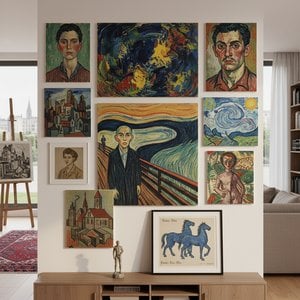
Duygu Voltanıyla Sanatı Yeniden Tanımlayan 10 Empresyonist Başyapıt
İfadeciliğin zirvesi! Van Gogh, Munch ve daha fazlasıyla 10 başyapıtı keşfedin. Sanatın duygusal gücünü deneyimleyin ve evinizi ArtsDot'tan kaliteli sanat baskılarıyla dönüştürün. Keşfetmek için tıklayın!

Egon Schiele: Expressionism, Anxiety & the Modern Condition – A Comprehensive Exploration
Explore the emotionally charged world of Egon Schiele (1890-1918). Discover his Expressionist masterpieces, psychological themes, and lasting impact on modern art. A comprehensive guide for collectors & enthusiasts.

Echoes of Time: Nostalgia, Technique & Cultural Significance in Vintage Paintings
Explore the captivating world of vintage paintings! Discover key styles, cultural significance & collecting tips from art experts at ArtsDot. Find authentic reproductions and elevate your home décor.


