


The picture follows your choices: , .
Koleksiyon Açıklaması
Egon Schiele’s “Dead Mother” (1910) is a seminal work of Expressionism, capturing profound psychological distress through stark imagery: two figures embracing amidst blood-soaked darkness. Influenced by Klimt and Munch, Schiele portrays intense emotion—love, despair, vulnerability—with unsettling realism. Exhibited at the Vienna Kunstschau in 1909, it cemented his unique artistic vision.
 Devamını Oku
Sanatçı Özgeçmişi
Egon Schiele’nin eserlerinde ölüm, cinsellik ve yalnızlık gibi karanlık konuları cesurca ele aldığına dikkat edin. Ekspresyonizm tarzıyla öne çıkan sanatçı Gustav Klimt'ten etkilenmiş ve insan ruhunun karmaşıklığını keşfetmek için biçimsel yenilikleri benimsemiştir.
El Yapımı Yağlı Boya Reproduksiyon
Sanatçılarımız tarafından sipariş üzerine hazırlanan; istediğiniz boyut ve çerçevede, tuval üzerine el boyaması yağlı boya. ( Baskı Satışına Geç Dijital Görsel Satışına Geç)
More about this painting
 Önizle
 Gönder
 Paylaş
 Detaylar
 Rehber

 Dosyayı İndir
 Benzerleri
 X-Işını
 Slayt Gösterisi
 Q&A
Q&A İstatistikler
Order your painting in four simple steps
Take your time. You can change any answer; the price in your order card follows each choice.
1 Step one of four
Which size would you like?
These sizes keep the proportions of the original painting. The drawing shows your choice on a wall, above a two-metre sofa.
Or give your own measurements
Eserin orijinal oranlarıyla uyumlu, önceden belirlenmiş boyutlarımız arasından seçim yapın.

Çerçevenize veya duvarınıza uygun olması için ihtiyacınız olan genişliği ve yüksekliği yazın. Bu eser el boyamasıdır; bu nedenle farklı bir formdaki boyutlar için sanatçı, resmin etrafına biraz daha fazla boya ekleyebilir veya biraz daha kırpabilir — seçim sizin. Boyama işlemi başlamadan önce onaylamanız için size bir dijital taslak gönderiyoruz. Bu sayfada gösterilen resim gerçek sonucu yansıtmamaktadır — gerçek sonucu yalnızca taslak göstermektedir.
2 Step two of four
How should it be prepared: rolled, stretched or framed?
The prices below are for the size you chose in step one.
Choose the edges of the stretched canvas
Choose your frame

White ₺1

Blurside ₺1

Extended ₺1

P118B ₺10

P118H ₺10

P118W ₺10

P438Z ₺10

P508JH ₺12

P508YH ₺12

P805H ₺10

P805Z ₺10

P919BZ ₺10

P919G ₺10

P919XJ ₺10

P959ZH ₺10

P968JZ ₺12

W106C ₺8

W218G ₺10

W218JH ₺8

W218Y ₺10

W307PJ ₺10

W316G ₺10

W316PJ ₺8

W316Y ₺10

W398PJ ₺8

W4111J ₺10

W500HY ₺15

W500JH ₺15

W692G ₺12

W849H ₺8

W940BG ₺15

W953PJ ₺8

H24-GOLD ₺30

H24-SILVER ₺30

H36-GOLD ₺45

H36-SILVER ₺45
Çerçeveli
Moulding: . Overall size with the frame: .
3 Step three of four
Would you like anything changed in the painting?
Most people answer no. Because each painting is made by hand, our artist can also adapt it for you.
After order, ArtsDot.com team will email client for instructions and provide a mockup preview
4 Step four of four
A few finishing options
All of them are optional. The answers already selected cost nothing extra.
Who paints it?
Dünya Çapında Teslimat (); standart 5 hafta yerine 3/4 haftada. (31 Ekim). Kaliteden ödün verilmez.
A nameplate, as in a museum?
İşlemeli Bronz Plaka Detayları
This elegant plaque features the artist's name and the title of the artwork, finely engraved for a timeless presentation.
It is made from bronze with a refined, elegant finish. The text is precisely laser-engraved for a sharp and permanent result. Measuring 9x2 cm, the plaque is compact yet easy to read. It's built to be durable and scratch-resistant, offering a professional, museum-quality look. Mounting is simple thanks to the included adhesive backing.
Şeffaf Akrilik Plaka Detayları
The plaque includes essential engraved details such as the artist's name, the title of the artwork, the date it was created, the type of media used-like oil on canvas or watercolor-a brief description of the piece, and a QR code that links to the complete artwork information.
It is crafted from clear acrylic, offering a sleek, modern appearance. The text is UV-engraved in black to ensure strong visual contrast. With a size of 10x15 cm, it ensures optimal readability. It comes equipped with two metal hooks for secure wall mounting. The plaque is designed to be weather-resistant, making it suitable for various environments, and it includes interactive features that work seamlessly with smartphone scanning.
Siyah Akrilik Plaka Detayları
This elegant plaque includes engraved information such as the artist's name, the title of the artwork, the date it was created, the type of media used (like oil on canvas or watercolor), a short description of the artwork, and a QR code for quick access to more information.
The plaque itself is made from refined black acrylic with a premium finish. The text is laser-engraved in white for high contrast and readability. Its size is 10x15 cm, designed to be easy to read. It comes with two metal hooks for professional mounting. The design is sleek and fits any interior style. It is also weather-resistant and durable, with built-in digital integration for mobile compatibility.
A protective varnish?
When do you need it?
✓ Check and order
Your painting, as you ordered it

Dead Mother
Baskı Tekniği
Baskı Boyutu
-

Seçkin Kıdemli Sanatçı
Daha fazla detay, incelik ve ek üretim süresi
-

Reproduksiyon Çerçeve Seçenekleri
-
-
Herhangi bir kenarı 105 cm'den (yaklaşık 41 inç) büyük olan sanat eserleri veya reprodüksiyonlar için çerçeve, demonte edilmiş bir kit halinde gönderilecektir. Bu yöntem, güvenli teslimat sağlar ve taşıma sırasında oluşabilecek hasarları önler.
Profesyonel montaj gereklidir; bu ürün kendin yap (DIY) tarzı bir ürün değildir.
Kit; ahşap tutkalı (pakete dahil değildir), kanvas germe pensi ve tutkal kururken çıtaların dik durmasını sağlayacak işkenceler kullanılarak, deneyimli bir profesyonel çerçeveci tarafından monte edilmeli ve kanvas gerilmelidir. Hatalı montaj veya dengesiz kanvas gerginliği sanat eserine kalıcı zarar verebilir ve bu durum garantimiz kapsamında değildir.
 Herhangi bir kenarı 105 cm'den (yaklaşık 41 inç) büyük olan sanat eserleri veya reprodüksiyonlar için çerçeve, demonte edilmiş bir kit halinde gönderilecektir. Bu yöntem, güvenli teslimat sağlar ve taşıma sırasında oluşabilecek hasarları önler.
Tüm masif ahşap çıtalar dahildir, montaj için hassas bir şekilde ölçülmüştür.
Paket içeriğinde bulunan vidalar ve köşe birleşimleri için çerçeve ustanız tarafından temin edilmesi gereken, ancak pakete dahil olmayan ahşap tutkalı ile monte edilir.
Profesyonel araçlar gereklidir ve pakete dahil değildir: bir tuval germe aparatı (gerdirici) ve yapıştırıcı kururken çıtaların dik durmasını sağlayacak kıskaçlar.
Önemli:
Köşe bağlantıları için ahşap tutkalı gereklidir; tutkal tamamen kuruyana kadar çıtalar işkenceler ile sabitlenmelidir ve monte edilmiş çerçeve üzerindeki kanvasın gerilmesi için bir kanvas germe pensine ihtiyaç duyulur. Bunların hiçbiri kit içerisinde yer almamaktadır. Lütfen bu boyutu sipariş etmeden önce deneyimli bir profesyonel çerçeve ustası ile anlaşın.

İsimlik
-
-

Koruyucu Vernik
Parlak Vernik (renkleri canlandırır; ışığa ve neme karşı koruma sağlar)
-

Eserimi Özelleştir
Değiştirilebilecek örneklere göz atın: Yüzü müşteri fotoğrafıyla değiştirin; Evcil hayvan ekleyin (örneğin, kediyi köpek ile değiştirin); Arka plana gizli bir mesaj dahil edin; Arka plan manzarasını veya öğelerini değiştirin.
-

Acil
Dünya Çapında Teslimat (); standart 5 hafta yerine 3/4 hafta içinde. (31 Ekim). Kaliteden ödün verilmez.
-
Hızlı Teslimat
için dünya çapında teslimat süresi 5 haftadır. (7 Kasım).
Dahil
Toplam Fiyat
₺ 12918
Cam seçeneği yalnızca 110 cm altındaki boyutlar için mevcuttur.
Included with every order
- Dünya Çapında Ücretsiz Ekspres Kargo
- Yüksek Kaliteli Keten Tuval
- Tam Nakliye Sigortası
- Gümrük Vergisi İadesi Garantisi
- Gerçek Renk Uyumu Garantisi
- 100 Günlük İade Koşulları (Sadece Üretim Hatalı Ürünler İçin)
- %100 Para İade Garantisi
- Toplu Alım Avantajı


Dead Mother
Egon Schiele, an Austrian Expressionist painter, stands as one of the most unsettling figures in early 20th century art. His oeuvre is marked by visceral emotion and psychological depth—a stark contrast to the polished surfaces of Impressionism and Post-Impressionism that dominated the era. Among his most iconic works is Dead Mother (1910), an oil on panel painting that continues to fascinate and disturb viewers today. This piece encapsulates Schiele’s singular artistic vision—a fusion of Expressionist principles with a profound preoccupation with the human condition.The Painting: A Symbolic Representation
“Cite>Dead Mother” immediately confronts the viewer with its stark visual language. The composition depicts two figures intertwined, their faces pressed together in an embrace that borders on intimacy and despair. This intimate gesture is juxtaposed against the gruesome reality of blood emanating from both mouths—a deliberate shock to the senses designed to provoke contemplation about mortality and vulnerability. The dark sky serves as a backdrop, amplifying the painting’s oppressive atmosphere and mirroring the emotional turmoil depicted within. Schiele's masterful use of perspective emphasizes the figures' precarious position; they appear to be clinging desperately to each other, suggesting an overwhelming force—perhaps death itself—threatening to separate them. This dynamic arrangement underscores the painting’s thematic core: the struggle for connection amidst inevitable decay. The blood motif is not merely a gruesome detail but a potent symbol representing life force and vitality—a poignant reminder of what is being lost in this embrace.Artistic Style and Influence
Schiele's artistic style owes considerable debt to Gustav Klimt, whose decorative motifs and shimmering surfaces influenced Schiele’s early explorations of color and texture. However, Schiele swiftly forged his own distinctive path, rejecting Klimt’s opulent aesthetic for a more austere and emotionally charged approach. He was also profoundly impacted by the works of Vincent van Gogh and Edvard Munch—artists who similarly prioritized expressive distortion over realistic representation. Like these masters, Schiele employed bold lines and flattened planes to convey psychological intensity, prioritizing emotional impact over visual accuracy. The painting’s unsettling beauty resides precisely in its refusal to offer easy answers or comforting illusions—a characteristic hallmark of Expressionism as a whole.Historical Context
The early 20th century witnessed an explosion of artistic experimentation, fueled by anxieties surrounding rapid industrialization and societal upheaval. Artists like Schiele sought to grapple with these turbulent times through art that confronted uncomfortable truths about human existence. Schiele’s work emerged during the height of Expressionism—a movement characterized by a fervent belief in the power of art to express inner feelings and psychological states. The painting reflects this broader artistic impulse, capturing the pervasive sense of dread and vulnerability that permeated European culture at the time. To appreciate Schiele's contribution to modern art history, consider visiting the Österreichische Galerie Belvedere in Vienna—a museum housing a comprehensive collection of Austrian art spanning centuries.Conclusion
“Cite>Dead Mother” by Egon Schiele remains a haunting testament to Expressionist artistry—a masterpiece that compels viewers to confront profound questions about life, death, and human relationships. For those seeking inspiration or contemplating acquiring a high-quality reproduction, Egon Schiele: Dead Mother offers an unparalleled opportunity to engage with one of the most emotionally resonant images of the 20th century. To delve deeper into the history of painting and its evolution over time, explore The History of Painting. And for insights into how artists utilize light to convey mood and emotion, peruse Light in Painting. At ArtsDot.com, we pride ourselves on crafting meticulously reproduced versions of celebrated artworks like Schiele’s—bringing the power of art into your home.Soru ve Cevaplar
"Dead Mother" ne hakkında?
Egon Şiele imzalı "Dead Mother" eserinde yer alan temalar motherhood, death, embrace, blood, psychology, symbolism, vienna secession unsurlarını içermektedir. Bunlar birlikte, eserin konu içeriğini özetlemektedir.
Egon Şiele imzalı "Dead Mother" eserinin bir baskısını nereden satın alabilirim?
"Dead Mother", pamuklu kanvas veya arşivlik kanvas kağıt üzerine yüksek kaliteli sanat baskısı olarak temin edilebilir. Siparişler, seçtiğiniz boyutta, Sanat Baskısı sayfası üzerinden verilir.
Öğrenciler için Egon Şiele imzalı "Dead Mother" hakkında bir bilgi sayfası mevcut mu?
Egon Şiele imzalı "Dead Mother" için bir Rehber sayfası mevcuttur: öğrenciler ve sınıf kullanımı için tasarlanmış, sanat eseri hakkında yazdırılabilir bir bilgi formu.
İlgili Eserler


Egon Şiele
1890 - 1918, Avusturya
Sanatçı Biyografisi
A Life Forged in Expression
Born in 1890 in Tulln an der Donau – a picturesque region with vineyards, onion-domed towers and Baroque monasteries – Egon Schiele’s life was a tempestuous journey marked by both extraordinary artistic vision and profound personal hardship. His early years were shadowed by illness and loss; his father succumbed to syphilis when Egon was just fourteen, a tragedy that would deeply resonate within his work, fueling an obsession with mortality and the fragility of existence. Raised initially by his mother and then under the somewhat controlling guardianship of his uncle Leopold Czihaczek, Schiele’s childhood lacked conventional stability but fostered a fiercely independent spirit. Even as a boy, he displayed an intense fascination with trains—a motif that subtly reappeared in later paintings—and a burgeoning talent for drawing, though this was initially met with disapproval from his father who saw it as a distraction from more practical pursuits. The early death of his sister Elvira also cast a long shadow over the young artist’s psyche. These formative experiences instilled within him a sensitivity and an emotional rawness that would become hallmarks of his artistic expression, a constant grappling with themes of life, death, and the human condition.
Early Influences & Artistic Training
Schiele's formal artistic training began at the Kunstgewerbeschule (School of Arts and Crafts) in Vienna, but he quickly found itself stifled by its conservative approach. He transferred to the Akademie der bildenden Künste (Academy of Fine Arts), only to become further disillusioned with its rigid academic traditions. This dissatisfaction led him to abandon formal training altogether, choosing instead to forge his own path—a testament to his unwavering artistic conviction. The influence of Gustav Klimt was pivotal during these early years; Schiele admired Klimt’s decorative style and exploration of symbolism, even receiving mentorship from the established artist. Klimt's bold use of color and stylized forms captivated young Schiele, shaping his aesthetic sensibilities and inspiring him to experiment with innovative techniques. However, Schiele soon diverged from Klimt's aesthetic, developing a distinctly individual voice characterized by its stark honesty and psychological intensity.
Vienna Secession & Artistic Breakthrough
Schiele joined the Vienna Secession in 1907 alongside fellow artists like Gustav Klimt, Oskar Kokoschka, and Josef Maria Olbrich—a group that championed artistic freedom and challenged the prevailing conservative values of Viennese society. The Secession’s manifesto declared a rejection of academic conventions and an embrace of expressive art as opposed to mere imitation of nature. This commitment to innovation profoundly impacted Schiele's artistic development, propelling him toward experimentation with new materials and techniques—particularly etching and lithography—that allowed him to convey emotion and psychological complexity in ways that traditional painting could not.
Major Themes & Artistic Style
Schiele’s art is immediately recognizable for its raw honesty and psychological depth. He fearlessly confronted themes often considered taboo – sexuality, death, anxiety, isolation – with an unflinching gaze. His distinctive style features elongated figures, contorted poses, and expressive lines that convey a sense of unease and emotional intensity. The human form, particularly the nude, became his primary subject, not as an object of idealized beauty but as a vessel for exploring the complexities of human experience. Schiele didn’t shy away from depicting himself in unflattering or vulnerable poses, revealing a profound level of self-awareness and introspection. Beyond self-portraiture, Schiele created numerous portraits of others, capturing their likenesses with an unsettling realism that seemed to penetrate beneath the surface. His landscapes, while less central to his work than his figurative paintings, demonstrate his mastery of form and color, often reflecting the same emotional intensity as his portraits. The use of line is particularly striking in Schiele’s work; it's not merely a tool for defining shape but an expressive force that conveys emotion and psychological tension.
Legacy & Influence
Despite facing censorship and legal challenges – including a brief imprisonment for allegedly corrupting minors with his art – Schiele gained recognition within Vienna’s avant-garde circles. His work challenged the conventions of the time, provoking both admiration and outrage. By the time of his untimely death during the Spanish flu pandemic in 1918 at the age of twenty-eight, he had established himself as a leading figure in Austrian Expressionism. Significant works such as Self-Portrait with Physalis, Couple Embracing, and Field Landscape (Kreuzberg near Krumau) stand as testaments to his artistic genius. His influence on subsequent generations of artists is undeniable, particularly those interested in exploring psychological themes and challenging conventional artistic norms. Schiele’s bold approach to form and subject matter continues to resonate with audiences today, making him one of the most important and influential figures in early 20th-century art. His paintings are now held in major museum collections worldwide, ensuring his artistic legacy endures.


İlgili Yazılar

Egon Schiele: Expressionism, Anxiety & the Modern Condition – A Comprehensive Exploration
Explore the emotionally charged world of Egon Schiele (1890-1918). Discover his Expressionist masterpieces, psychological themes, and lasting impact on modern art. A comprehensive guide for collectors & enthusiasts.

Expressionist Painting: 10 Masterpieces That Defined a Movement | ArtsDot
Explore 10 Expressionist paintings that revolutionized art! Discover Munch, Kirchner & Kandinsky's iconic works. Find museum-quality reproductions and vibrant canvas prints to elevate your home decor on ArtsDot.com.
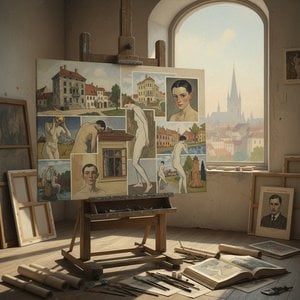
Egon Schiele'nin En İyi 25 Eseri: Duygusal Derinlik ve Sanatsal İkonlar | ArtsDot
Egon Schiele'nin en etkileyici 25 eserini keşfedin! Avusturya ekspresyonizminin güçlü portreleri, çarpıcı figüratif sanat ve duygusal derinliğiyle tanışın. Sanat tarihine yolculuk yapın ve evinizi ArtsDot'ta yüksek kaliteli baskılarla süsleyin. Koleksiyonu şimdi keşfedin!