


 Önizleme yap
 Paylaş
 Paylaş
 Detayları Gör

 İndir
İndir
 Benzerlerini gör
 X-Işını
 Slayt Gösterisi
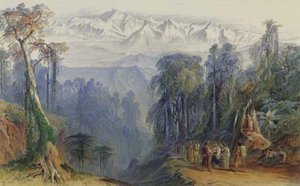
Bocche Di Cattaro, Montenegro

 Tümünü Gör
Giclée / Sanat Baskısı
Hızlı üretim ve esnek bitiş seçenekleriyle müze kalitesinde giclée veya kanvas baskı. ( El yapımı tablo satın al Görsel satın al)




































Eserin orijinal oranlarıyla uyumlu, önceden belirlenmiş boyutlarımız arasından seçim yapın.

Belirli bir çerçeveye veya alana uyması için kendi ölçülerinizi girebilirsiniz. Seçtiğiniz boyut orijinal görüntünün oranlarıyla eşleşmiyorsa, sanat eserini kırpacağız veya görüntüyü aynalanmış ya da düz dolgulu bir kenarlıkla genişleteceğiz. Üretim başlamadan önce onayınız için bir dijital taslak gönderilecektir.
Lütfen ekrandaki önizlemenin gerçek kırpma veya genişletmeyi yansıtmadığını unutmayın. Nihai kompozisyonu yalnızca taslak doğru bir şekilde gösterecektir.
Özel boyutlar mevcut olsa da, orijinal oranları korumak için önceden tanımlanmış listeden bir boyut seçmenizi öneririz.
Dünya Çapında Teslimat (); standart 4/5 hafta yerine 2 haftada. (16 Ağustos)

Dünya Çapında Ücretsiz Ekspres Kargo

Yüksek Kaliteli Keten Tuval

Tam Kapsamlı Nakliye Sigortası

Gümrük Vergisi İade Garantisi

Gerçek Renk Uyumu Garantisi

60 Günlük İade Politikası (Sadece Kusurlu Ürünler İçin)

%100 Para İade Garantisi

Toplu Alım İndirimi
 Cam seçeneği yalnızca 110 cm altındaki boyutlar için mevcuttur.

Bocche Di Cattaro, Montenegro
Giclée / Sanat Baskısı
Reproduksiyon Boyutu
-


Toplam Tutar
$ 62
Benzer Eserler




Sanatçı Özgeçmişi
Edward Lear (1812-1888): The Poet of Nonsense and Light
Edward Lear, a name synonymous with whimsical verse and delightfully peculiar illustrations, was far more than the purveyor of limericks and fantastical creatures that often define his legacy. Born in 1812 in Holloway, North London, into a family teeming with twenty-one children, Lear’s early life was marked by both financial instability and a burgeoning artistic talent. His father, Jeremiah Lear, faced hardship after the Napoleonic Wars, forcing young Edward to begin earning a living through his drawings at the tender age of fifteen. This necessity, however, ignited a lifelong passion that would see him traverse continents and capture the world in vibrant hues and playful lines. The shadow of familial difficulty, coupled with early health challenges – including epilepsy and bouts of melancholia he termed “the Morbids” – instilled within Lear a sense of gentle solitude and an inclination towards imaginative escape, qualities profoundly reflected in his art and writing.Early Influences: Precision and Observation
Lear’s artistic journey began with meticulous precision. Initially employed by the Zoological Society, he honed his skills illustrating birds and animals, demonstrating a remarkable eye for detail and anatomical accuracy. This early work demanded unwavering observation—a characteristic that would serve as a cornerstone of his subsequent endeavors. The Society tasked him with documenting the diverse avian species inhabiting Britain’s natural habitats, requiring painstaking sketches and detailed renderings that adhered to scientific standards. These formative years instilled in Lear an appreciation for meticulous draughtsmanship and fostered a deep understanding of animal anatomy—skills he would carry forward throughout his career. Beyond the Zoological Society, Lear was influenced by Romantic painters like John Constable and Thomas Gainsborough, whose landscapes championed atmospheric perspective and conveyed a sense of sublime beauty. He absorbed their techniques for capturing light and color, incorporating them into his own artistic practice.Travel & Landscape Painting: Capturing Exotic Visions
Lear’s fascination with the natural world extended far beyond the confines of British ornithology. Driven by an insatiable curiosity and a desire to experience new cultures, he embarked on extensive travels throughout Europe and beyond—a journey that irrevocably shaped his artistic vision. His expeditions to Italy, Greece, Egypt, and Morocco exposed him to breathtaking vistas and vibrant palettes—inspiring him to develop a distinctive style characterized by atmospheric perspective and delicate brushwork. He meticulously studied the geological formations, vegetation patterns, and climatic conditions of these regions, translating his observations into evocative watercolors that captured the essence of their beauty. Lear’s landscapes are imbued with a palpable sense of wonder—reflecting his own profound appreciation for the grandeur of nature. Consider *The Dong with luminous nose*, where Lear masterfully employs chiaroscuro to create dramatic contrasts between light and shadow, emphasizing the contours of the landscape and conveying an emotional resonance that transcends mere visual representation.The Poet of Nonsense: A Revolution in Verse
While celebrated as a painter, it is perhaps for his literary contributions that Edward Lear is most widely remembered. His “nonsense” poetry—particularly his limericks—revolutionized children’s literature and captivated audiences of all ages. *A Book of Nonsense*, published in 1846 under the pseudonym "Derry down Derry," introduced a world populated by owls and pussycats sailing in pea-green boats, dongs with luminous noses, and other delightfully absurd creations. These verses weren’t merely frivolous; they were imbued with a subtle melancholy and a playful subversion of conventional logic. Lear didn't simply invent nonsense words; he crafted entire worlds governed by their own internal rules, inviting readers to suspend disbelief and embrace the joy of imagination. He challenged established poetic conventions—rejecting rhyme schemes and meter in favor of spontaneous rhythm and lyrical beauty. His limericks explored themes of loneliness, longing, and the absurdity of existence, cloaked within a veneer of whimsicality—yet beneath the surface lay a poignant awareness of human vulnerability.Legacy & Enduring Charm
Lear’s influence extends far beyond the realm of children's literature. He pioneered a new form of poetic expression, liberating verse from rigid structures and embracing playful experimentation. His landscapes, though often overshadowed by his poetry, demonstrate a keen artistic sensibility and a mastery of watercolor technique. He was a true polymath—artist, illustrator, musician (he composed musical settings for Tennyson’s poems), author, and poet—whose diverse talents converged to create a unique and enduring legacy. He championed innovation while retaining an unwavering commitment to aesthetic beauty—a testament to his artistic integrity. His paintings can be found in esteemed collections like The Ashmolean Museum, Oxford, a beacon of Victorian art and a celebration of Lear’s singular vision. Edward Lear's life, marked by both personal struggles and creative triumphs, serves as a poignant reminder that even amidst darkness, there is always room for light, laughter, and the boundless possibilities of the human spirit—a sentiment perfectly encapsulated in his enduring masterpiece, *The Owl and the Pussy-Cat*.
Edward Lear
1812 - 1888 , İngiltere
Kısa Bilgiler
- Artistic Movement Or Style: Nonsense
- Date Of Birth: May 12, 1812
- Date Of Death: January 29, 1888
- Full Name: Edward Lear
- Nationality: British
- Notable Artworks:
- The Owl and the Pussycat
- Illustrations of Parrots
- Place Of Birth: London, UK
İlgili Makaleler

John Varley I: Intimate Observation & the British Romantic Landscape
Explore the serene landscapes of John Varley I, a key figure in British Romanticism. Discover his unique watercolour style, collaboration with William Blake & lasting artistic legacy. Learn about collecting Varley's work.

Edward Lear: A Life Beyond Nonsense – Landscape, Illustration & the Poetics of Isolation
Explore the life of Edward Lear beyond his nonsense poems. Discover his stunning landscape paintings, travel illustrations & the poignant themes of isolation in this expert art history analysis.

Edward Seago: A Life Painted in Light – Nostalgia & the British Landscape Tradition
Explore the life & art of Edward Seago, a celebrated British Impressionist painter known for evocative landscapes & seascapes. Discover his captivating works and find high-quality reproductions at ArtsDot.

Thomas Girtin: Pioneering Atmospheric Landscapes & the Rise of Romantic Watercolour
Explore the captivating world of Thomas Girtin, a pioneer of Romantic watercolour painting. Discover his innovative techniques, key masterpieces & lasting influence on British art history. Learn about collecting Girtin's work today.

Richard Parkes Bonington: A Brief but Brilliant Career – Romantic Landscapes & the Dawn of Plein Air Painting
Explore the short but impactful career of Richard Parkes Bonington, a pivotal figure bridging British Romanticism & French plein air painting. Discover his luminous landscapes and lasting influence on Delacroix & beyond.

