
- Ana Sayfa

- Yağlı Boya Reprodüksiyonlar
- edwaert collier
- Vanitas Still Life

 Baskıyı satın al Görseli Satın Al
 Paylaş
 Paylaş
 Details
 Favorilere ekle

 İndir
İndir
 Benzerlerini gör
 X-Ray
X-Ray
 Slayt Gösterisi
Vanitas Still Life


El Yapımı Yağlı Boya Reproduksiyon
Sanatçılarımız tarafından sipariş üzerine hazırlanan; istediğiniz boyut ve çerçevede, tuval üzerine el boyaması yağlı boya.




































 Detaylı bilgi için tıklayın
Eserin orijinal oranlarıyla uyumlu, önceden belirlenmiş boyutlarımız arasından seçim yapın.

Belirli bir çerçeveye veya alana uyması için kendi boyutlarınızı girebilirsiniz. Seçtiğiniz boyut orijinal görüntünün oranlarıyla eşleşmiyorsa, sanat eserini kırparak veya ek el boyaması öğelerle resmi uzatarak ayarlayacağız. Üretim başlamadan önce onayınız için dijital bir taslak gönderilecektir.
Lütfen ekrandaki önizlemenin gerçek kırpmayı veya uzatmayı yansıtmadığını unutmayın. Nihai kompozisyonu yalnızca hazırlanan taslak doğru şekilde gösterecektir.
Özel boyutlar mevcut olsa da, orijinal oranları korumak adına önceden tanımlanmış listeden bir boyut seçmenizi öneririz.
Siparişten sonra, ArtsDot.com ekibi talimatlar için müşteriye e-posta gönderecek ve bir taslak önizleme sunacaktır
Dünya Çapında Teslimat (); standart 5 hafta yerine 3/4 haftada. (1 Temmuz). Kaliteden ödün verilmez.

Dünya Çapında Ücretsiz Ekspres Kargo

Yüksek Kaliteli Keten Tuval

Tam Kapsamlı Nakliye Sigortası

Gümrük Vergisi İade Garantisi

Gerçek Renk Uyumu Garantisi

60 Günlük İade Politikası (Sadece Kusurlu Ürünler İçin)

%100 Para İade Garantisi

Toplu Alım İndirimi
 Cam seçeneği yalnızca 110 cm altındaki boyutlar için mevcuttur.

Vanitas Still Life
Reproduksiyon Tekniği
Reproduksiyon Boyutu
-


Toplam Tutar
-
Benzer Eserler


Sanatçı Özgeçmişi
Evert Collier (1642–1708): The Trompe-l'œil Master of Mortality
Evert Collier, born circa 1642 in Breda, Noord-Brabant, emerged as a prominent figure within the Dutch Golden Age artistic landscape—a period characterized by unparalleled innovation and opulent patronage. His early training in Haarlem under Vincent Laurensz van der Vinne instilled foundational principles of observation and draughtsmanship, shaping his distinctive approach to still life painting.
- Early Influences: Van der Vinne’s emphasis on meticulous detail and atmospheric perspective profoundly impacted Collier's artistic sensibilities.
- Guild Membership & Artistic Development: Collier formally joined the Haarlem Guild of St. Luke in 1664, marking a crucial step toward establishing his professional career and solidifying his reputation as a skilled artist. His subsequent relocation to Leiden and Amsterdam broadened his exposure to diverse artistic currents and fostered experimentation with new techniques.
- Collaboration & Artistic Partnerships: Collier’s association with Barend van Eisen further enriched his creative dialogue, resulting in collaborative works that showcased shared stylistic sensibilities.
The Art of Trompe-l'œil: Illusionistic Mastery
Collier distinguished himself from many of his contemporaries through his masterful execution of trompe-l'œil—a technique designed to deceive the eye by creating illusions of depth and dimensionality on a flat surface. Unlike conventional realism, trompe-l'œil prioritized visual trickery over accurate representation, transforming ordinary objects into captivating spectacles.
- Signature Style: Collier’s signature trompe-l'œil paintings typically featured arrangements of journals, engravings, letters, medals, combs, and sealing wax sticks—items imbued with symbolic significance reflecting the transient nature of human existence.
- Technical Innovation: He skillfully employed perspective tricks, shading effects, and subtle textural variations to generate convincing illusions of space, captivating viewers with their deceptive beauty.
Iconic Still Lifes & Symbolism
Collier’s still lifes transcended mere depiction; they functioned as meditations on mortality—a central preoccupation within the vanitas genre prevalent during his era. Each element meticulously chosen conveyed a profound message about decay, remembrance, and the inevitability of death.
- Recurring Motifs: Common motifs included skulls, hourglasses, withered flowers, decaying fruit, and extinguished candles—symbols representing time’s relentless passage and the fragility of earthly pleasures.
- Psychological Depth: Collier's paintings probed beneath surface appearances, inviting contemplation on existential themes and prompting viewers to confront their own mortality.
Legacy & Recognition
Collier’s artistic legacy extends beyond his individual oeuvre—he exerted considerable influence on subsequent generations of Dutch painters, particularly those exploring the trompe-l'œil technique. His works are housed in prominent museums worldwide, including the Rijksmuseum (Amsterdam), Tate London, Denver Art Museum and Honolulu Museum of Art, ensuring that his visionary artistry continues to inspire admiration and scholarly inquiry.
Sources: Bryan’s Dictionary of Painters and Engravers; Netherlands Institute for Art History; Biographical Notices from Various Art Historical Databases
edwaert collier
1642 - 1708
Kısa Bilgiler
- Artistic Movement Or Style: Dutch Golden Age
- Artists Or Movements Influenced By This Artist: ['Laurens van der Vinne']
- Artists Who Influenced This Artist: ['Vincent Laurensz van der Vinne']
- Date Of Birth: 1642
- Date Of Death: circa 1708
- Full Name: Evert Collier
- Nationality: Dutch
- Notable Artworks:
- Still Life with Globe, Skull and Violin
- Vanitas Still Life
- Place Of Birth: Breda, Noord-Brabant
İlgili Makaleler
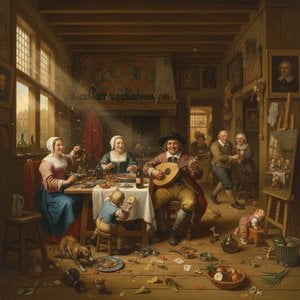
Jan Steen: A Master of Dutch Genre Painting & the Golden Age
Explore the life & art of Jan Steen, a leading Dutch Golden Age painter renowned for his humorous genre scenes & insightful social commentary. Discover his techniques, legacy, and collecting tips.


Masterpieces of the 17th Century: Art, History & Decor Inspiration | ArtsDot
Journey through 17th century art with masterpieces by Rembrandt, Vermeer & Caravaggio. Explore Baroque paintings, Dutch Golden Age techniques & timeless beauty. Find museum-quality reproductions and elevate your home decor on ArtsDot.com.
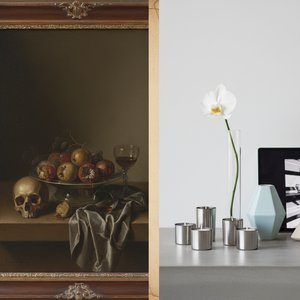
The Enduring Appeal of Still Life: A Historical & Contemporary Exploration
Explore the rich history & symbolism of still life painting with ArtsDot. Discover masterpieces from the Dutch Golden Age, learn about vanitas art, and find expert guidance for collecting timeless artworks.

Abraham Hendricksz van Beyeren: Pioneering Dutch Still Life & the Banquet Tradition
Explore the captivating world of Dutch Golden Age still life with Abraham van Beyeren. Discover his innovative techniques, symbolic banquet scenes & lasting influence on art history. Learn about collecting these masterpieces.

Willem van de Velde the Elder: Master of Maritime Painting & Chronicler of the Dutch Golden Age
Discover the captivating maritime paintings of Willem van de Velde the Elder, a master chronicler of the Dutch Golden Age. Explore his unparalleled realism and lasting influence on naval art history.

