

 Gerçek Boyutta Önizle
 Paylaş
 Paylaş
 Detayları Gör
 Rehber

 İndir
İndir
 Benzer ürünler
 X-Işını
 Slayt Gösterisi
 Soru & Cevap
 İstatistikler
Cantoria (detail)


 Tümünü Gör
Giclée / Sanat Baskısı
Hızlı üretim ve esnek bitiş seçenekleriyle müze kalitesinde giclée veya kanvas baskı. ( El Yapımı Tablo Satın Al Dijital Görsele Geç)




P118B ₺10

P118H ₺10

P118W ₺10

P438Z ₺10

P508JH ₺12

P508YH ₺12

P805H ₺10

P805Z ₺10

P919BZ ₺10

P919G ₺10

P919XJ ₺10

P959ZH ₺10

P968JZ ₺12

W106C ₺8

W218G ₺10

W218JH ₺8

W218Y ₺10

W307PJ ₺10

W316G ₺10

W316PJ ₺8

W316Y ₺10

W398PJ ₺8

W4111J ₺10

W500HY ₺15

W500JH ₺15

W692G ₺12

W849H ₺8

W940BG ₺15

W953PJ ₺8




Eserin orijinal oranlarıyla uyumlu, önceden belirlenmiş boyutlarımız arasından seçim yapın.

Çerçevenize veya duvarınıza uygun olması için ihtiyacınız olan genişlik ve yüksekliği yazın. Bir baskı yalnızca kesilebilir, görselden daha büyük hale getirilemez; bu nedenle farklı bir formdaki boyut seçimi, görselin bir kısmının kaybına neden olur. Herhangi bir baskı yapmadan önce onaylamanız için size bir dijital taslak gönderiyoruz. Bu sayfada gösterilen resim gerçek kesimi göstermez — bunu yalnızca taslak gösterir.
Dünya Çapında Teslimat (); standart 4/5 hafta yerine 2 haftada. (4 Kasım)

Dünya Çapında Ücretsiz Ekspres Kargo

Yüksek Kaliteli Keten Kanvas

Tam Nakliye Sigortası

Gümrük Vergisi İadesi Garantisi

Gerçek Renk Uyumu Garantisi

100 Günlük İade Politikası (Sadece Kusurlu Ürünler İçin)

%100 Para İade Garantisi

Toplu Alım İndirimi
 Cam seçeneği yalnızca 110 cm altındaki boyutlar için mevcuttur.

Cantoria (detail)
Giclée / Sanat Baskısı
Reproduksiyon Boyutu
-


Toplam Tutar
₺ 3097
The Echoes of Florence: Donatello’s Cantoria
Donatello's "Cantoria," a breathtaking detail from the larger marble relief adorning the south sacristy doors of the Duomo in Florence, isn’t merely a sculpture; it’s a vibrant snapshot of Renaissance exuberance and spiritual aspiration. Crafted between 1433 and 1439 during a pivotal moment in Florentine art history, this fragment captures the dynamism of a celestial choir – angels dancing with an almost ecstatic joy, their forms rendered with a masterful blend of classical restraint and intensely expressive emotion. The sheer scale of the original work—a monumental frieze spanning nearly sixty feet—is immediately apparent even in this detailed section, hinting at the grandeur and ambition of Cosimo de’ Medici, who commissioned it as a testament to his patronage of the arts.
The technique employed is nothing short of revolutionary for its time. Donatello masterfully utilized a complex layering of materials: gleaming white marble forms the foundation, punctuated by strategically placed glass paste – a shimmering, iridescent substance that catches and refracts light with astonishing effect – and lavish inlays of gold. These elements aren’t simply decorative; they contribute to an overall sense of ethereal beauty, elevating the scene beyond mere representation and into the realm of pure visual delight. The subtle gradations of color achieved through the manipulation of these materials create a remarkable depth and luminosity, drawing the viewer into the heart of this animated tableau.
A Symphony of Movement and Symbolism
What immediately strikes the eye is the sheer energy contained within the figures. Donatello abandons the static formality often associated with early Renaissance sculpture, opting instead for a dynamic choreography of movement. The angels aren’t posed; they *dance*, their limbs outstretched in graceful arcs, their faces alight with expressions ranging from joyous laughter to rapturous contemplation. This deliberate embrace of motion reflects the humanist ideals that were gaining momentum during this period – a shift towards celebrating earthly experience and human potential. The composition itself is carefully balanced, creating a sense of visual harmony while simultaneously conveying a feeling of unrestrained vitality.
Beyond the purely aesthetic, “Cantoria” is rich in symbolic meaning. The angels themselves represent the heavenly choir, singing praises to God. Their gestures – holding instruments, raising their hands in adoration – are direct references to biblical texts and musical traditions. The swirling patterns of their movement evoke a sense of divine harmony and the interconnectedness of all things. The inclusion of children amongst the angelic figures suggests innocence, purity, and the promise of eternal life—a potent message for a society grappling with questions of faith and morality.
Contextualizing a Florentine Masterpiece
To fully appreciate “Cantoria,” it’s crucial to understand its historical context. Donatello was a pivotal figure in the transition from the Gothic to the Renaissance style, rejecting the elongated figures and stylized poses of his predecessors in favor of a more naturalistic and emotionally charged approach. His work profoundly influenced subsequent generations of artists, including Michelangelo and Raphael. The Cantoria itself was intended for the Duomo’s sacristy doors, a space dedicated to prayer and reflection – a fitting setting for such a visually arresting and spiritually evocative artwork.
The commission by Cosimo de' Medici underscores the importance of patronage in shaping Florentine art during this era. The Medici family were avid collectors and supporters of the arts, playing a key role in fostering an environment where creativity could flourish. “Cantoria” stands as a testament to their commitment to beauty, innovation, and the celebration of human achievement – a legacy that continues to resonate today.
A Timeless Vision
Even in this detailed fragment, “Cantoria” retains its power to captivate and inspire. Donatello’s masterful use of light, color, and movement creates an immersive experience for the viewer, transporting them to the heart of Renaissance Florence. The sculpture's enduring appeal lies not only in its technical brilliance but also in its profound exploration of human emotion and spiritual aspiration – a timeless vision that continues to resonate with audiences centuries later. Reproductions offer a remarkable opportunity to bring this extraordinary artwork into your home or office, allowing you to experience the beauty and energy of Donatello’s masterpiece firsthand.
Soru ve Cevaplar
"Cantoria (detail)" hangi tona daha yakın?
"Cantoria (detail)", Ochre to Sepia tonlarını andıran bir yapıdadır.
Donatello imzalı "Cantoria (detail)" eserinin yönü nedir?
Donatello imzalı "Cantoria (detail)", Landscape bir kompozisyona sahiptir. Baskı boyutuna karar vermeden önce oranları kontrol etmeye değer.
Donatello imzalı "Cantoria (detail)" açık tonlu bir eser mi yoksa koyu tonlu mu?
Donatello imzalı "Cantoria (detail)" için kaydedilen değerler şöyledir: balanced parlaklık, Soft Shadow aydınlık.


Sanatçı Özgeçmişi
erken yaşam ve kariyer
Donatello olarak tanınan Donato di Niccolò di Betto Bardi, 1386 yıllarında İtalya'nın Floransa şehrinde dünyaya geldi. Klasik heykel sanatına duyduğu derin ilgi, Erken Rönesans üslubunun gelişiminde belirleyici bir rol oynadı. Sanata ve kültüre getirdiği bu yenilikçi yaklaşım, zamanla Floransa Rönesansı'nın en temel simgesi haline gelecekti.başlıca eserler ve yenilikler
Donatello'nun en ünlü eseri olan David, antik çağdan bu yana yapılmış ilk bağımsız duran çıplak erkek heykelidir. Medici ailesinin siparişiyle hayat bulan bu şaheser, sanatçının yenilikçi tarzını ve teknik ustalığını tüm dünyaya sergilemiştir. Sanatçının diğer unutulmaz eserleri arasında şunlar yer almaktadır:- St. Louis of Toulouse (şu an Basilica di Santa Croce müzesinde bulunmaktadır), Donatello tarafından tasarlanan klasik bir çerçeveye sahiptir.
- İshak'ın Kurban Edilişi, Floransa'daki Santa Maria del Fiore kulesi için yaratılmış olup, güçlü portre detaylarıyla dikkat çeker.
- Santa Croce için yapılan ve İsa'yı büyük bir acı anında tasvir eden
Crucifix (1425).
sanatsal üslup ve miras
Donatello'nun sanatı, dışavurumculuğun gelişimi ve klasik anıtsallıkla başlayan geniş evreler halinde incelenebilir. Eserleri toplum tarafından başlangıçta hemen kabul görmese de, zamanla en popüler hale gelerek diğer İtalyan saraylarını ve Avrupalı sanatçıları derinden etkilemiştir. temel sanat akımları:kişisel yaşam ve çalışma tarzı
Donatello, cana yakın ve sevilen bir kişilik olarak bilinse de, kariyerinin iş yönetimi kısmında pek başarılı değildi. Genellikle kapasitesinden fazla sipariş kabul etme eğilimindeydi; bu durum, eserlerini sık sık geciktirmesine veya bazı çalışmalarını diğer heykeltıraşlara devretmesine neden oluyordu. dikkat çeken sanatçılar ve eserler:- Leonardo da Vinci: Müjde (detay)
- Amico Aspertini: Pan Heykeli / Atı Isıran Aslan
- Michelangelo Buonarroti: Tondo Pitt
müzeler ve sanat koleksiyonları:
- Museo della Collegiata (Empoli, İtalya): Francesco Botticini ve Raffaello Botticini'nin eserlerine ev sahipliği yapan Rönesans'ın gizli bir mücevheri.
- Erken İtalyan Rönesansı Sanat Akımı

Donatello
1386 - 1466 , İtalya
Kısa Bilgiler
- Artistic Movement Or Style: Erken Rönesans
- Artists Or Movements Influenced By This Artist:
- İtalyan Rönesansı
- Erken Rönesans
- Floransa Rönesansı
- Artists Who Influenced This Artist: ['Klasik heykel']
- Date Of Birth: m. 1386
- Date Of Death: 1466
- Full Name: Donatello di Niccolò
- Nationality: İtalyan
- Notable Artworks:
- Davut
- Toulouselu Aziz Louis
- İshak'ın Kurban Edilmesi
- Çarmıha Geriliş
- Place Of Birth: Floransa, İtalya
Benzer Yazılar

Bronze Sculptures That Defined Art History | ArtsDot
Journey through art history with our Top 10 bronze sculptures! Explore masterpieces by Rodin, Michelangelo & more. Discover stories behind iconic statues and find museum-quality reproductions for your home decor at ArtsDot.com.

The Enduring Form: Sculpture Across History, Technique & Emotional Resonance
Explore the rich history of sculpture with ArtsDot. Discover key techniques, influential artists & investment potential for discerning collectors. Expert insights into valuing and collecting timeless masterpieces.

The Enduring Form: Exploring Themes & Techniques in Sculpture Across Historical Periods
Explore the rich history of sculpture from ancient masterpieces to contemporary innovations. Discover key techniques, influential artists & investment potential for discerning art collectors.

Bronze Age to Modern Masters: 10 Sculptures That Redefined Art | ArtsDot
Journey through art history with 10 legendary bronze sculptures – from Michelangelo's David to Rodin’s Thinker. Explore the stories, techniques & timeless beauty of these masterpieces. Find museum-quality reproductions & elevate your home decor on ArtsDot.com.
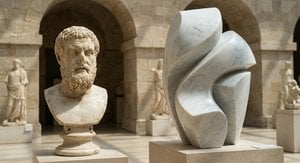
The Enduring Allure of Marble in Art History: From Classical Sculpture to Modern Abstraction
Explore the captivating history of marble sculpture from ancient Greece to modern art. Discover renowned artists like Canova & Michelangelo, carving techniques, and investment insights at ArtsDot.