

 Gerçek Boyutta Önizle
 Paylaş
 Paylaş
 Detayları Gör
 Rehber

 İndir
İndir
 Benzer ürünler
 X-Işını
 Slayt Gösterisi
 Soru & Cevap
 İstatistikler
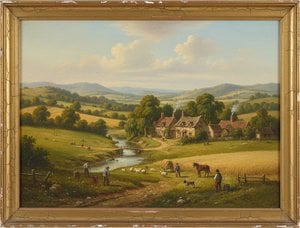
Landscape with a Herd

- 33.0 x 54.0 cm


 Tümünü Gör
Giclée / Sanat Baskısı
Hızlı üretim ve esnek bitiş seçenekleriyle müze kalitesinde giclée veya kanvas baskı. ( El Yapımı Tablo Satın Al Dijital Görsele Geç)




P118B ₺10

P118H ₺10

P118W ₺10

P438Z ₺10

P508JH ₺12

P508YH ₺12

P805H ₺10

P805Z ₺10

P919BZ ₺10

P919G ₺10

P919XJ ₺10

P959ZH ₺10

P968JZ ₺12

W106C ₺8

W218G ₺10

W218JH ₺8

W218Y ₺10

W307PJ ₺10

W316G ₺10

W316PJ ₺8

W316Y ₺10

W398PJ ₺8

W4111J ₺10

W500HY ₺15

W500JH ₺15

W692G ₺12

W849H ₺8

W940BG ₺15

W953PJ ₺8




Eserin orijinal oranlarıyla uyumlu, önceden belirlenmiş boyutlarımız arasından seçim yapın.

Çerçevenize veya duvarınıza uygun olması için ihtiyacınız olan genişlik ve yüksekliği yazın. Bir baskı yalnızca kesilebilir, görselden daha büyük hale getirilemez; bu nedenle farklı bir formdaki boyut seçimi, görselin bir kısmının kaybına neden olur. Herhangi bir baskı yapmadan önce onaylamanız için size bir dijital taslak gönderiyoruz. Bu sayfada gösterilen resim gerçek kesimi göstermez — bunu yalnızca taslak gösterir.
Dünya Çapında Teslimat (); standart 4/5 hafta yerine 2 haftada. (15 Kasım)

Dünya Çapında Ücretsiz Ekspres Kargo

Yüksek Kaliteli Keten Kanvas

Tam Nakliye Sigortası

Gümrük Vergisi İadesi Garantisi

Gerçek Renk Uyumu Garantisi

100 Günlük İade Politikası (Sadece Kusurlu Ürünler İçin)

%100 Para İade Garantisi

Toplu Alım İndirimi
 Cam seçeneği yalnızca 110 cm altındaki boyutlar için mevcuttur.

Landscape with a Herd
Giclée / Sanat Baskısı
Reproduksiyon Boyutu
-


Toplam Tutar
₺ 3120
A Vision of Rural Tranquility: Exploring Jacque’s Landscape With A Herd
Charles-Émile Jacque's “Landscape With A Herd,” painted in 1872, stands as a quintessential example of Barbizon landscape painting—a movement that championed the honest depiction of rural life and celebrated the sublime beauty of the French countryside. More than just a picturesque scene, this artwork embodies a profound connection to nature and reflects the artistic sensibilities of its time.
Subject Matter & Composition: The painting captures a serene tableau featuring a solitary shepherd guiding his flock along a dusty dirt road. Dominating the canvas is a sprawling meadow bathed in soft sunlight, punctuated by scattered sheep—a deliberate choice to portray the everyday realities of rural existence. Two horses graze peacefully nearby, adding depth and visual interest to the composition.
Style & Technique: Jacque’s masterful brushwork exemplifies the Barbizon style's commitment to tonal gradation and atmospheric perspective. Thick impasto—heavy application of paint—creates a palpable sense of texture, conveying the roughness of the earth and the warmth of the sun. The artist skillfully utilizes muted earthy hues – ochres, browns, greens – to evoke the feeling of a timeless landscape untouched by urban encroachment.
Historical Context: Painted during the Second Barbizon Period (1863-1874), “Landscape With A Herd” emerged from a reaction against Romantic idealism. Artists like Jacque sought inspiration in the landscapes of Touraine and Umbria, rejecting theatrical grandeur for understated realism. This movement represented a significant shift away from idealized depictions of history and mythology towards an appreciation for the tangible beauty of the natural world.
Symbolism & Emotional Impact: Beyond its visual appeal, the painting carries symbolic weight. The shepherd represents diligence and responsibility—a figure rooted in tradition and connected to the land. The sheep symbolize innocence and vulnerability, mirroring humanity’s dependence on nature for sustenance and spiritual renewal. Jacque's work evokes a feeling of quiet contemplation and nostalgia, inviting viewers to reconnect with the restorative power of unspoiled landscapes.
Interior Design Considerations: “Landscape With A Herd” would lend itself beautifully to interior spaces seeking warmth and tranquility. Its muted palette complements neutral tones like beige or gray, creating a harmonious aesthetic that aligns with contemporary trends favoring natural materials and calming colors. Reproductions of this artwork offer an opportunity to bring the serenity of the French countryside into any home.
Soru ve Cevaplar
Charles Jacque imzalı "Landscape with a Herd" ziyaretçileri hangi bölgelerden geliyor?
"Landscape with a Herd" için bir İstatistikler sayfası mevcuttur. Bu sayfa; eserin ve sanatçının diğer çalışmalarının aylık ziyaret sayılarını, ülke ve dil kırılımlarıyla birlikte grafiklerle sunar.
Hermitage Müzesi koleksiyonunda yer alan Charles Jacque imzalı "Landscape with a Herd" adlı eserin yasal olarak çoğaltılması mümkün müdür?
Hermitage Müzesi koleksiyonunda yer alan Charles Jacque imzalı "Landscape with a Herd", kamu malıdır - telif hakkı süresi dolmuştur statüsündedir. Bu durum, görüntünün çoğaltılıp çoğaltılamayacağını belirler.
Charles Jacque imzalı "Landscape with a Herd" eserinde hangi teknik kullanıldı?
"Landscape with a Herd", Oil On Canvas kullanılarak icra edilmiştir.
Benzer Eserler


Sanatçı Özgeçmişi
Fransız Kırsalına Köklenmiş Bir Yaşam
1813 yılında Paris'te dünyaya gelen Charles-Émile Jacque, alışılagelmiş bir sanatsal yolun takipçisi olmayacaktı. İlk yılları, Fransız ordusundaki yedi yıllık hizmet süresiyle beklenmedik bir dönemece girdi. Ancak askeri yaşamın disiplinli yapısı içinde bile, doğuştan gelen yeteneği kendini göstermeyi başardı; bu ifade başlangıçta resim yoluyla değil, harita gravürünün titiz ustalığıyla ortaya çıktı. Hassasiyet ve gözlem gerektiren bu temel eğitim, ilerideki sanatsçı girişimleri için şaşırtıcı derecede belirleyici olacak ve eserlerinin imzası haline gelen detaylara olan bağlılığı ruhuna işleyecekti. Fransız kırsalının idilik güzelliğiyle özdeşleşecek bir ressam için bu, pek de muhtemel olmayan bir başlangıçtı; yine de Jacque'in uyum yeteneği ve içsel sanatsallığı hakkında çok şey anlatıyordu. Ordudan ayrıldıktan sonra, asıl çağrısını gravür ve resim dünyasında bulmadan önce, Paris dergilerine katkıda bulunarak kısa bir süre illüstrasyon ve karikatürle uğraştı.Barbizon'u ve Pastoral Bir Vizyonu Kucaklamak
19. yüzyılın ortaları, Jacque'in devrim niteliğindeki bir sanatsal hareketin merkezi haline gelecek olan küçük bir köy olan Barbizon'a çekilişine tanıklık etti. Paris'i kasıp kavuran kolera salgınlarından kaçarken, Jean-François Millet ve benzer görüşteki diğer sanatçılara katılarak ilhamı doğrudan doğada aramaya başladı. Bu durum, akademik geleneklerden kopuşu ve yaşamın daha dürüst, gerçekçi bir tasvirine doğru atılan kararlı bir adımı simgeliyordu. Jacque bu yeni yaklaşımı tüm kalbiyle benimsedi; kırsal varoluşun özünü yakalamaya kendini adadı: sürülerini otlatan çobanların sessiz vakarı, tarım işlerinin nazik ritmi ve güneşin parıltılı kırlarındaki hayvanların yalın güzelliği. Resimleri sadece sahnelerin tasvirleri değildi; derin bir huzur ve uyum duygusuyla yoğrulmuşlardı ve doğal dünyaya duyulan derin bir takdiri yansıtıyorlardı. O, sadece koyunları veya ahırları *resmetmiyordu*; izleyicide derin yankı uyandıran bir duyguyu, bir atmosferi, pastoral yaşama duyulan bir hürmeti aktarıyordu.Tekniklerin Ustası: Resim ve Baskı Sanatı
Jacque'in sanatsal mahareti resmin ötesine uzanıyordu. 17. yüzyıl tekniklerini canlandırarak ve baskı sanatının sınırlarını zorlayarak usta bir gravür ve etş (asit baskı) sanatçısı olarak ün kazandı. Etsleri, cesaretleri ve iyi kurgulanmış konuları nedeniyle övgü topladı ve Charles Baudelaire gibi eleştirmenlerin takdirini kazandı. Henri Béraldi, Jacque'in grafik çalışmalarında iki belirgin dönem ayırt eder: spontanelikle karakterize edilen, Hollanda minyatürlerinden ilham alan erken bir evre ve titiz işçiliğini sergileyen daha büyük, daha ayrıntılı levhaların görüldüğü geç bir dönem. Hem fırça hem de burin (gravür kalemi) üzerindeki bu ikili ustalık, daha geniş bir kitleye ulaşmasını ve sanat dünyasında önemli bir figür olarak yerini sağlamlaştırmasını sağladı. Resim yapmayı ve baskı sanatını birbirinden ayrı disiplinler olarak değil, sanatsal vizyonunu ifade etmek için birbirini tamamlayan yollar olarak gördü. Goldsmith'in *The Vicar of Wakefield* ve Wordsworth'ün *Picturesque Greece* eserlerinin edisyonları da dahil olmak üzere edebiyat klasiklarına yaptığı illüstrasyonlar, onun çok yönlülüğünü ve yeteneğini bir kez daha gözler önüne serdi.Miras ve Kalıcı Etki
Charles-Émile Jacque, 1894 yılında hayata gözlerini yumduğunda, bugün bile izleyicileri büyülemeye devam eden zengin bir sanatsal miras bıraktı. Fransız sanatında Realizm'in gelişimini şekillendirmede hayati bir rol oynadı ve yaşamı dürüstlük ve hassasiyetle tasvir etmek isteyen gelecek nesil sanatçılara yol açtı. Kırsal yaşamı betimlemeye olan bağlılığı, tür resmini —günlük yaşamdan sahneleri— sanatsal manzara içinde seçkin bir konuma yükseltti.- Gravür Rönesansının Öncüsü: Jacque'in 17. yüzyıl etş tekniklerini yeniden canlandırması, baskı sanatı üzerinde önemli bir etki yarattı.
- Kırsal Yaşamın Savunucusu: Fransa'daki kırsal yaşamın güzelliğini ve vakur duruşunu ölümsüzleştirerek, yok olmakta olan bir yaşam biçiminin kalıcı bir görsel kaydını oluşturdu.

Charles Jacque
1813 - 1894 , Fransa
Kısa Bilgiler
- Bu Sanatçıdan Etkilenen Sanatçılar Veya Akımlar: ['Realizm']
- Bu Sanatçıyı Etkileyen Sanatçılar: ['Adriaen van Ostade']
- Doğum Tarihi: 1813
- Doğum Yeri: Paris, Fransa
- Sanatsal Akım Veya Tarz: Barbizon Okulu
- Tam Adı: Charles-Émile Jacque
- Uyruğu: Fransız
- Ölüm Tarihi: 1894
- Önemli Eserleri:
- Küçük Mavi Çocuk
- Ağıl
- Çoban Kız
Benzer Yazılar

Evoking Arcadia: A Historical & Aesthetic Exploration of Rural Landscape Art
Explore the rich history of pastoral landscape art, from classical Arcadia to Impressionism & beyond. Discover key artists, movements, and how to collect serene rural scenes for your home. Expert insights at ArtsDot.

Charles-François Daubigny: Pioneering Atmospheric Light & Barbizon Realism
Explore the life & art of Charles-François Daubigny, a pivotal Barbizon School painter. Discover his innovative landscapes, mastery of light, and influence on Impressionism. High-quality reproductions available.

Echoes of Rural Life: Art's Enduring Representations of the Countryside
Explore the rich history of rural life in art! Discover masterpieces from Millet to Mauve & beyond. Learn about Realism, Barbizon School & find inspiration for your home with ArtsDot.
Evocations of Rural Life: A Historical Journey Through Landscape Painting
Explore the rich history of rural life in painting! Discover Impressionist masterpieces, Italian Macchiaioli scenes & the enduring appeal of pastoral landscapes. Find your perfect artwork at ArtsDot.

The Barbizon School: Pioneering Realism & the Pastoral Vision in 19th-Century French Painting
Explore the Barbizon School's pivotal role in 19th-century French painting. Discover how these artists revolutionized landscape art with their commitment to Realism and a profound connection to nature. Learn about key figures like Rousseau, Millet & Corot.
