
- Ana Sayfa

- Kanvas baskı
- Caravaggio
- Jupiter, Neptune and Pluto
 Preview
 Tabloyu Sipariş Et Görseli Satın Al
 Paylaş
 Paylaş
 Detayları Gör
 Favorilere ekle

 İndir
İndir
 Benzerlerini gör
 X-Işını
 Slayt Gösterisi
Jupiter, Neptune and Pluto
 Tuval Üzerine Yağlı Boya
- Duvar Sanatı
- Baroque
 1597
1597- Rönesans
 300.0 x 180.0 cm
 Casino Boncompagni Ludovisi
 Tümünü Gör
Giclée / Sanat Baskısı
Hızlı üretim ve esnek bitiş seçenekleriyle müze kalitesinde giclée veya kanvas baskı.




P118B $10

P118H $10

P118W $10

P438Z $10

P508JH $12

P508YH $12

P805H $10

P805Z $10

P919BZ $10

P919G $10

P919XJ $10

P959ZH $10

P968JZ $12

W106C $8

W218G $10

W218JH $8

W218Y $10

W307PJ $10

W316G $10

W316PJ $8

W316Y $10

W398PJ $8

W4111J $10

W500HY $15

W500JH $15

W692G $12

W849H $8

W940BG $15

W953PJ $8




Eserin orijinal oranlarıyla uyumlu, önceden belirlenmiş boyutlarımız arasından seçim yapın.

Belirli bir çerçeveye veya alana uyması için kendi ölçülerinizi girebilirsiniz. Seçtiğiniz boyut orijinal görüntünün oranlarıyla eşleşmiyorsa, sanat eserini kırpacağız veya görüntüyü aynalanmış ya da düz dolgulu bir kenarlıkla genişleteceğiz. Üretim başlamadan önce onayınız için bir dijital taslak gönderilecektir.
Lütfen ekrandaki önizlemenin gerçek kırpma veya genişletmeyi yansıtmadığını unutmayın. Nihai kompozisyonu yalnızca taslak doğru bir şekilde gösterecektir.
Özel boyutlar mevcut olsa da, orijinal oranları korumak için önceden tanımlanmış listeden bir boyut seçmenizi öneririz.
Dünya Çapında Teslimat (); standart 4/5 hafta yerine 2 haftada. (27 Temmuz)

Dünya Çapında Ücretsiz Ekspres Kargo

Yüksek Kaliteli Keten Tuval

Tam Kapsamlı Nakliye Sigortası

Gümrük Vergisi İade Garantisi

Gerçek Renk Uyumu Garantisi

60 Günlük İade Politikası (Sadece Kusurlu Ürünler İçin)

%100 Para İade Garantisi

Toplu Alım İndirimi
 Cam seçeneği yalnızca 110 cm altındaki boyutlar için mevcuttur.

Jupiter, Neptune and Pluto
Giclée / Sanat Baskısı
Reproduksiyon Boyutu
-


Toplam Tutar
-
Eser Açıklaması
The Dramatic Dance of the Gods
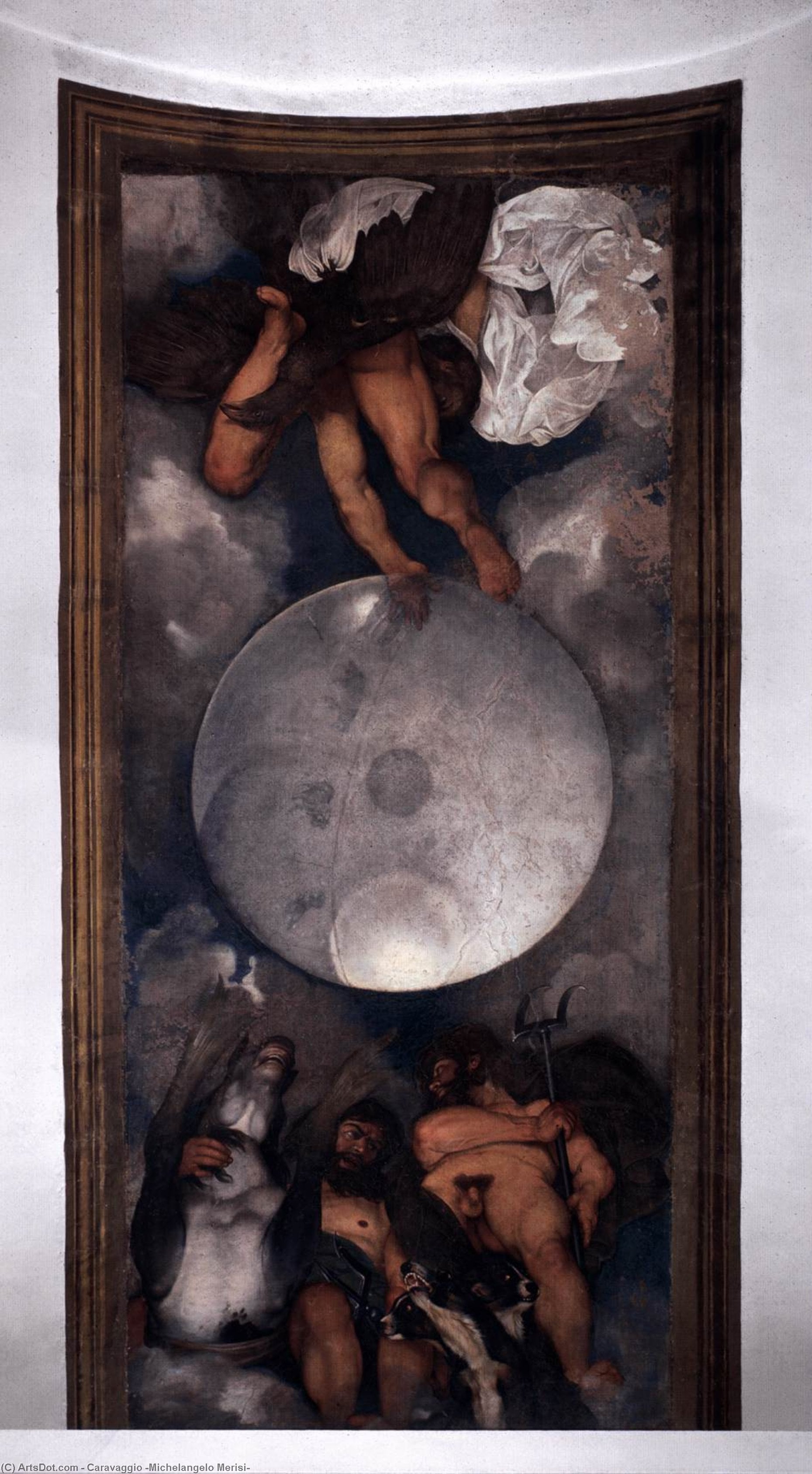
Michelangelo Merisi da Caravaggio’s “Jupiter, Neptune and Pluto” is not merely a painting; it's an immersive theatrical experience captured on plaster. Completed in 1597 for Cardinal Francesco Maria Del Monte’s villa in Rome – later known as Villa Ludovisi – this monumental mural plunges the viewer into a world of mythic grandeur and stark, emotional intensity. Measuring a substantial 300 x 180 cm, it dominates its space with an arresting combination of classical subject matter and Caravaggio's signature style: a masterful manipulation of light and shadow that elevates the scene beyond simple illustration. The composition itself is carefully orchestrated – Jupiter, the king of the gods, stands proudly at the center, reaching out to command the celestial sphere, while Neptune and Pluto, his brothers, flank him in a display of power and somber authority. Two smaller figures, likely representing Mercury and Venus, add depth and intrigue to the background, hinting at the allegorical nature of the work. The stark white wall behind the figures provides a dramatic backdrop, intensifying the impact of the vibrant colors and chiaroscuro that define Caravaggio’s vision.- Technique: Oil on plaster – an innovative approach for its time, showcasing Caravaggio's experimental spirit.
- Scale: Large format (300 x 180 cm) designed to command attention and immerse the viewer.
- Composition: Balanced yet dynamic, utilizing foreshortening to create a sense of depth and drama.
Caravaggio’s Revolutionary Light
At the heart of “Jupiter, Neptune and Pluto” lies Caravaggio's revolutionary use of light – or *tenebrism*. He doesn’t simply illuminate the scene; he sculpts it with stark contrasts between darkness and brilliance. The figures are bathed in a dramatic spotlight, their forms sharply defined against the enveloping shadows. This technique wasn’t merely aesthetic; it served to heighten the emotional impact of the scene, creating a sense of tension, drama, and even foreboding. Caravaggio was known for his ability to capture fleeting expressions of human emotion – fear, anger, sorrow – and he applies this same skill to the gods themselves. Jupiter's outstretched hand conveys authority and command, while Neptune’s expression hints at a brooding melancholy, and Pluto’s visage is one of solemn gravity. This masterful manipulation of light isn’t just about visual impact; it’s about conveying psychological depth and emotional resonance. Key to Caravaggio’s style: *Tenebrism* – the dramatic use of strong contrasts between light and dark.A Villa Within a Villa: Context and History
“Jupiter, Neptune and Pluto” resides within the Casino Boncompagni Ludovisi, part of the larger Villino Boncompagni Ludovisi villa in Rome. This villa itself is a fascinating blend of architectural styles – Baroque grandeur combined with Art Nouveau details, reflecting the evolving tastes of its owners over centuries. The casino, where the mural hangs, was originally designed as a private gaming room for the Cardinal Del Monte, a renowned collector of art and alchemy. It’s believed that Caravaggio's work was commissioned to reflect Del Monte’s interest in classical mythology and his pursuit of alchemical knowledge – the figures representing the elements of Jupiter (sulphur & air), Neptune (mercury & water) and Pluto (salt & earth). The villa’s history is rich, transitioning through various noble families before becoming a museum showcasing 19th and 20th-century culture. The Casino Boncompagni Ludovisi offers a glimpse into the opulent lifestyle of Rome's elite during the Baroque period.Symbolism and Mythic Resonance
Beyond its dramatic visual impact, “Jupiter, Neptune and Pluto” is steeped in symbolism drawn from classical mythology. The three gods represent not just their respective domains – Jupiter’s sky, Neptune’s seas, and Pluto’s underworld – but also fundamental elements of the universe: creation, destruction, and transformation. Jupiter's gesture suggests his control over the cosmos, while Neptune embodies a more subdued power, and Pluto represents the inevitable cycle of decay and rebirth. The inclusion of Mercury and Venus adds another layer of meaning, representing intellect and love—essential components of human experience. The choice of animals – an eagle for Jupiter, a hippocampus for Neptune, and a three-headed dog for Pluto – further reinforces their identities and associations within the mythological narrative.- Jupiter: Represents the sky, authority, and divine power.
- Neptune: Embodies the seas, fluidity, and mystery.
- Pluto: Symbolizes the underworld, death, and transformation.
- Mercury & Venus: Represent intellect and love.
Bringing Caravaggio Home
ArtsDot offers exquisite, hand-painted reproductions of “Jupiter, Neptune and Pluto,” allowing you to experience the power and beauty of this masterpiece in your own home. Our skilled artisans meticulously recreate Caravaggio’s dramatic lighting and nuanced details, ensuring that each reproduction captures the essence of the original while maintaining a high level of artistic integrity. Whether you're an art enthusiast, a collector, or simply seeking a stunning piece to elevate your interior décor, our reproductions provide a unique opportunity to own a tangible connection to one of history’s greatest artists. Explore our collection today and bring the drama of “Jupiter, Neptune and Pluto” into your space.Benzer Eserler


Sanatçı Özgeçmişi
Michelangelo Merisi da Caravaggio: Işığın ve Gölgenin Şekillendirdiği Bir Yaşam
Michelangelo Merisi da Caravaggio, adeta ışık ve gölgenin dramatik dansıyla şekillenmiş bir yaşam sürmüş, Barok resminin en etkileyici temsilcilerinden biri olarak sanat tarihinde ölümsüzleşmiştir. 1571 yılında İtalya’nın Milano şehrinde doğan Caravaggio, hem sanatsal ihtişamın hem de toplumsal çalkantıların hakim olduğu bir dönemde dünyaya gelmiştir. Erken yaşantısı kayıplarla dolu olmuş; sadece altı yaşındayken salgın hastalık babasının ve dedesinin hayatını ellerinden almıştır. Göreceli yoksulluk içinde büyüyen genç Michelangelo, insan acısının ve dayanıklılığının keskin bir farkındalığına sahip olmuş—bu temalar daha sonra tuvallerinde derin izler bırakacaktır. Sanat eğitimine Milano’da Simone Peterzano'nun yanında başlamış; Titian'ın eski öğrencisi olan bu ressamdan Rönesans tekniğinin temellerini öğrenirken, geleneksel normları yıkacak olan isyankar ruhu da filizlenmeye başlamıştır. Bu çıraklık dönemi sağlam bir temel oluşturmuş olsa da, Caravaggio’nun sesini gerçekten bulduğu yer 1592 civarında geldiği Roma olmuştur—ancak bu süreç, başlangıçta mücadeleler ve zorluklarla doluydu. Sanat patronajının ve dini coşkunun canlı merkezi olan şehir, hırslı genç ressam için hem çekici hem de acımasız bir ortam sunmuştu.Devrimci Bir Vizyon: Teknik ve Stil
Caravaggio’nun Roma'ya gelişi, İtalyan sanatının yüzeyinde sismik bir değişimin habercisi olmuştur. O dönemde hakim olan Maniyerist stil—yapay zarafeti ve uzamış formlarıyla karakterize—ondan uzaklaşarak, izleyicileri hem şok eden hem de büyüleyen tavizsiz bir gerçekçiliği benimsemiştir. En belirgin yeniliği, ışık ve karanlık arasındaki dramatik kontrastı yeni bir ifade gücü seviyesine taşıyan chiaroscuro tekniğinin ustaca kullanımı olmuştur. Sıklıkla tenebrism olarak adlandırılan bu teknik sadece estetik bir seçim değil; sahnenin kalbine çekerek, figürlerini somut bir varlık hissiyle donatmanın bir aracıydı. İdealize edilmiş tasvirlerden kaçınarak, dini figürler için Roma sokaklarından seçilen sıradan insanları model olarak kullanmıştır. Bu radikal yaklaşım, güzellik ve kutsallık hakkındaki geleneksel fikirleri sorgulamış, kutsalı ilişkilendirilebilir ve derinlemesine insani kılmıştır. Kompozisyonları genellikle sert ve doğrudan olup, “İsa'nın Tutuklanması”ndaki acımasız gerçekçilikten "Aziz Franciscus'un Vecdi"ndeki sessiz tefekkürlere kadar yoğun dramın kritik anlarına odaklanmıştır.Önemli Eserler ve Kalıcı Etki
Relatif olarak kısa kariyeri boyunca Caravaggio, günümüze kadar izleyicileri etkilemeye devam eden bir eser yığını yaratmıştır. “Fortune Teller” (1594) gibi erken dönem eserleri, gerçekçi detayları yakalama ve psikolojik nüansları anlama konusundaki gelişen yeteneğini göstermektedir. Londra Ulusal Galerisi'nde bulunan "Emmaus'ta Akşam Yemeği" (1601-1602), chiaroscuro ustalığını ve İncil anlatısında derin duygusal etki yaratma yeteneğini örneklendirir. “Golyat’ın Başını Taşıyan Davut” (c. 1610) özellikle ürkütücü olup, genellikle Caravaggio'nun kendi sıkıntılı zihinsel durumunu yansıtan bir öz portre olarak yorumlanır. Onun etkisi İtalya'yı aşarak Avrupa genelinde stilini benimseyen sanatçıların oluşturduğu Caravaggisti veya “gölgeciler” neslini etkilemiştir. Peter Paul Rubens, Jusepe de Ribera ve Gerrit van Honthorst gibi öne çıkan takipçileri, Caravaggio’nun tekniklerini kendi benzersiz sanatsal vizyonlarına uyarlamışlardır.Dramatik Bir Yaşam ve Kalıcı Miras
Caravaggio'nun hayatı, sanatındaki kadar dramatik ve çalkantılı olmuştur. Volatil bir karaktere ve kavgalara yatkınlığı, onu sık sık yasal sorunlara sürüklemiş; 1606 yılında işlediği cinayet suçlamasıyla sonuçta Roma’dan kaçmak zorunda kalmıştır. Sonraki dört yılını Napoli, Malta ve Sicilya'da geçirirken, umutsuzca bir papalığa af dilemesiyle birlikte resim yapmaya devam etmiştir. Çabalarına rağmen, sürekli bir cani durumunda kalmış ve kişisel çatışmalarla boğuşmuştur. 1610 yılında İtalya’nın Porto Ercole şehrinde gizemli koşullarda hayatını kaybetmiştir—ölüm nedenleri tartışmalı olmaya devam etmekte olup, ateşten zehirlenmeye kadar çeşitli teoriler ortaya atılmıştır. Kısa ömrüne rağmen Caravaggio'nun sanatsal mirası, devrimci vizyonuna ve gerçekçiliğe olan sarsılmaz bağlılığına bir kanıttır. Çağının geleneklerini sorgulayarak daha modern bir resim yaklaşımına öncülük etmiş ve Batı sanat tarihinin seyrine silinmez bir damga vurmuştur. Eserleri, insan deneyiminin en karanlık köşelerini aydınlatma gücüyle izleyicileri hayrete düşürmeye ve düşünmeye devam etmektedir.
Caravaggio
1571 - 1610 , İtalya
Kısa Bilgiler
- Artistic Movement Or Style: Barok, Tenebrismo
- Artists Or Movements Influenced By This Artist:
- Rubens
- Ribera
- Caravaggisti
- Artists Who Influenced This Artist:
- Tiziano
- Leonardo da Vinci
- Michelangelo
- Date Of Birth: 29 Eylül 1571
- Date Of Death: 18 Temmuz 1610
- Full Name: Michelangelo Merisi da Caravaggio
- Nationality: İtalyan
- Notable Artworks:
- Fortune Teller
- Supper at Emmaus
- David with Goliath
- Saint Francis in Ecstasy
- Place Of Birth: Milan, İtalya
İlgili Makaleler

New York Metropolitan Müzesi'nin En İkonik 25 Eseri: Sanat Tarihine Yolculuk
New York Metropolitan Müzesi'nin en ikonik 25 eserini keşfedin! Van Gogh, Monet ve Rembrandt gibi ustaların hikayelerini öğrenin. Eviniz için sanat baskısı ve dekorasyon fikirleri ArtsDot.com'da. Koleksiyonu şimdi inceleyin!

Barok Sanatın Zirveleri: Evinizi Büyüleyecek 10 Eser ve Hikayeleri
Barok sanatın en etkileyici 10 başyapıtını keşfedin! Caravaggio, Rembrandt ve daha fazlasının eserleriyle evinizi dönüştürün. Sanat tarihi, renkler ve duygularla dolu bu yolculukta ArtsDot.com'da müze kalitesinde replikalar bulun. Koleksiyonu çevrimiçi inceleyin!

Detroit Sanat Müzesi'nin En İkonik 25 Eseri: Tablolar, Heykeller ve Ev Dekorasyonu İlhamları
Detroit Sanat Müzesi'nin en değerli 25 eserini keşfedin! Van Gogh, Monet ve Rembrandt gibi ustaların hikayeleriyle dolu bu koleksiyon, ev dekorasyonunuz için ilham verici sanat baskıları sunuyor. Şimdi ArtsDot.com’da tüm şaheserleri inceleyin!
Washington Ulusal Sanat Galerisi'nin En İkonik 25 Eseri: Sanat, Tarih ve Dekor İlhamı
Washington Ulusal Sanat Galerisi'nin en etkileyici 25 eserini keşfedin! Paul Cézanne, Matisse ve Picasso gibi ustaların hikayelerini öğrenin. Eviniz için sanat ilhamı ve yüksek kaliteli tablolar ArtsDot.com’da sizi bekliyor. Koleksiyonu şimdi keşfedin!

James Abbott McNeill Whistler'ın En İyi 25 Eseri: Sanat ve Dekorasyon Rehberi | ArtsDot
James Abbott McNeill Whistler'ın en iyi 25 eserini keşfedin! Amerikan empresyonizminin öncüsü Whistler'ın nocturne resimleri, portreleri ve sanat tarihine damga vuran diğer başyapıtları ArtsDot.com'da. Ev dekorasyonunuz için lüks tabloları inceleyin.



