


 Visa i rummet
 Skicka
 Dela
Dela
 Detaljer
 Studentguide för konstverk

 Ladda ner
 Liknande objekt
 Röntgen
 Bildspel
 Besökstatistik
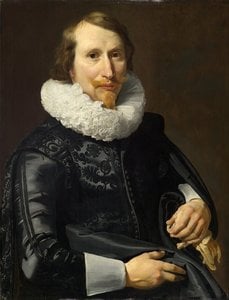
A Lady
 Dutch Golden Age
 1632
1632 79.0 x 52.0 cm
 Staatliche Museen zu Berlin
 Läs mer
Handgjord oljereproduktion
Handmålad olja på duk i din valda storlek och ram, tillverkad efter beställning av våra konstnärer. ( Byt till tryckta exemplar Byt till digital bildförsäljning)




P118B Skr10

P118H Skr10

P118W Skr10

P438Z Skr10

P508JH Skr12

P508YH Skr12

P805H Skr10

P805Z Skr10

P919BZ Skr10

P919G Skr10

P919XJ Skr10

P959ZH Skr10

P968JZ Skr12

W106C Skr8

W218G Skr10

W218JH Skr8

W218Y Skr10

W307PJ Skr10

W316G Skr10

W316PJ Skr8

W316Y Skr10

W398PJ Skr8

W4111J Skr10

W500HY Skr15

W500JH Skr15

W692G Skr12

W849H Skr8

W940BG Skr15

W953PJ Skr8




Välj bland våra förinställda storlekar som motsvarar konstverkets ursprungliga proportioner.

Ange den bredd och höjd du behöver för att passa din ram eller din vägg. Eftersom detta är handmålat kan konstnären vid en annan form måla lite mer runt bilden eller beskära den något – du väljer själv. Vi skickar en digital mockup för godkännande innan målningen påbörjas. Bilden som visas på denna sida representerar inte det slutgiltiga resultatet — det är endast mockuppen som visar det.
Efter beställning kommer ArtsDot.com team att mejla kunden för instruktioner och tillhandahålla en skissförhandsvisning
Leverans över hela världen () på 3–4 veckor istället för standard 5 veckor. (23 oktober). Inga kompromisser med kvaliteten.

Fri expressfrakt över hela världen

Högkvalitativ linnecanvas

Fullständig fraktförsäkring

Garantier för återbetalning av tullavgifter

Garantier för exakt färgåtergivning

100 dagars returrätt vid fabrikationsfel

100% pengarna tillbaka-garanti

Mängdrabatt erbjuds
 Glasalternativet är endast tillgängligt i storlekar under 110 cm.

A Lady
Tryckteknik
Reproduktionsstorlek
-


Totalpris
Skr 2608
A Portrait of Grace: Unveiling Thomas de Keyser’s “A Lady”
The year is 1632. Amsterdam thrives as the epicenter of the Dutch Golden Age, a period brimming with artistic innovation and opulent patronage. Within this vibrant scene emerges Thomas de Keyser, a painter whose skill lay not merely in capturing likeness but in distilling the very essence of his subjects – a talent brilliantly showcased in his captivating portrait, “A Lady.” This oil-on-oak panel painting, currently residing within the esteemed Staatliche Museen in Berlin, is more than just a depiction; it’s an invitation into a world of refined elegance and subtle psychological depth.
De Keyser's style, heavily influenced by both the meticulous detail of Flemish masters like Anthony van Dyck and the dramatic lighting favored by Rembrandt, results in a remarkably lifelike portrayal. The lady before us is presented with a poise that speaks volumes – her posture relaxed yet undeniably regal, her gaze direct and engaging. Notice how De Keyser masterfully employs chiaroscuro, the masterful use of light and shadow, to sculpt the figure, drawing attention to her face and hands while subtly enveloping the background in a veil of mystery. The dark interior, punctuated by the warm glow emanating from an unseen window, creates a sense of intimacy and draws the viewer into the scene.
Deconstructing the Details: Fashion, Symbolism, and Technique
A closer examination reveals a wealth of detail that speaks volumes about the era. The lady’s attire is a testament to the fashion of 17th-century Holland – a black bodice adorned with intricate gold trim and delicate lace, suggesting both wealth and status. The elaborate headwear, a white ruff collar framing a dark hat embellished with what appear to be feathers or decorative elements, further emphasizes her position within society. These aren’t merely decorative choices; they are carefully selected symbols of power, refinement, and social standing.
The background, far from being mere decoration, plays an integral role in the painting's narrative. The dark room, with its wooden floor featuring a subtle checkered pattern, evokes a sense of luxury and opulence – a space designed for contemplation and quiet enjoyment. The glimpse of a red velvet drape hints at hidden treasures and adds a touch of dramatic flair. De Keyser’s brushwork is remarkably precise, particularly evident in the rendering of the lace and the folds of the fabric. He utilizes layering techniques to create texture and depth, ensuring that every element contributes to the overall sense of realism.
A Window into the Dutch Golden Age
Understanding “A Lady” requires a glimpse into the context of its creation. Thomas de Keyser was a prominent figure in the Dutch art world during this period, renowned for his portraits and genre scenes commissioned by wealthy merchants and nobility. His work reflects the prosperity and cultural flourishing of the Netherlands – a nation at the forefront of artistic innovation and trade. The painting offers a fascinating window into the lives of the elite, revealing their values, aspirations, and aesthetic sensibilities.
Furthermore, De Keyser’s connection to Hendrick de Keyser, his father—a celebrated architect and sculptor who shaped Amsterdam's skyline—provides an intriguing layer of familial legacy. This lineage undoubtedly influenced Thomas’s artistic development, imbuing his work with a sense of technical mastery and architectural awareness. The painting stands as a testament not only to De Keyser’s individual talent but also to the enduring influence of his family’s artistic heritage.
Collecting the Essence: Reproduction and Legacy
Today, “A Lady” continues to captivate viewers with its timeless beauty and psychological depth. ArtsDot offers meticulously crafted hand-painted reproductions that faithfully capture the essence of De Keyser's masterpiece. These reproductions are not mere copies; they are artistic interpretations imbued with the same attention to detail, technique, and emotional resonance as the original. Whether adorning a grand salon or a more intimate space, a reproduction of “A Lady” brings a touch of Dutch Golden Age elegance and sophistication to any setting.
For those seeking further information on Thomas de Keyser and his remarkable oeuvre, we encourage you to explore resources such as ArtsDot.com and the Staatliche Museen in Berlin’s website. And for a deeper dive into the life and works of this pivotal artist, Wikipedia offers a comprehensive overview of his biography and artistic contributions.
Frågor och svar
Vilken är den dominerande färgen i "A Lady" av Thomas De Keyser?
Black (#080709) är den dominerande färgen i "A Lady" av Thomas De Keyser.
Hur förhåller sig motivet i "A Lady" till Thomas De Keysers vanliga teman?
Thomas De Keysers återkommande teman inkluderar rembrandt influence, dutch realism, courtly life, social status, wealthy elite, patronage system, portraiture tradition, idealized beauty; "A Lady" fokuserar på portraiture, dutch art, 17th century, nobility, elegance, chiaroscuro, woman, clothing.
Hur intensiva är färgerna i "A Lady" av Thomas De Keyser?
"A Lady" av Thomas De Keyser uppvisar en Monochromatic färgintensitet.
Liknande konstverk


Om konstnären
Thomas de Keysers arv: En mästare under den nederländska guldåldern
I det livliga, myllrande hjärtat av sjuttonde-talets Amsterdam, en period definierad av en oöverträffad välfärd och kulturell blomstring, framträdde Thomas de Keyser som en betydelsefull kraft inom porträttkonsten. Född 1596 i en miljö präglad av arkitektonisk storslagenhet, var De Keyser son till den legendariske Hendrick de Keyser, arkitekten vars hand formade själva Amsterdams silhuett. Detta hantverksarv gav mer än bara ett namn; det erbjöd en grundläggande förståelse för struktur, rymd och föremåls fysiska närvaro, vilket senare skulle definiera hans sätt att närma sig den mänskliga formen. Genom att växa upp bland stenhuggarmästarnas gårdar längs floden Amstel, var De Keyser djupt rotad i en värld där konst och arkitektur var oskiljaktigt förenade, vilket fostrade en teknisk precision som skulle bli hans främsta kännetecken.
Hans konstnärliga resa förfinades ytterligare genom formell utbildning under Cornelis van der Voort, en utbildning som introducerade honom till epokens humanistiska ideal och sofistikerade kompositionstekniker. Allt eftersom han mognade började De Keysers stil att smälta samman till något särpräglat – en bro mellan den senrenässansens noggranna detaljrikedom och den framväxande barockens dramatiska, psykologiska intensitet. Medan hans tidiga verk uppvisade ett stort intresse för sina föregångares formella elegans, utvecklade han snart en förmåga att fånga sina motivs levda verklighet, där han rörde sig bortom den rena likheten för att vidröra själva essensen av deras karaktär.
Rembrandts skugga och realismens konst
För att förstå De Keysers briljans måste man navigera i det komplexa förhållandet mellan hans arbete och Rembrandt van Rijn. Ofta beskriven som en samtida som delade epokens revolutionära anda, ekade De Keysers sätt att arbeta med ljus och skugga – den berömda chiaroscuro – de dramatiska innovationer som förespråkades av Rembrandt. De Keyser besatt dock en unik klarhet; där Rembrandt kunde låta en form upplösas i djupa, mystiska skuggor, bibehöll De Keyser ofta en skärpa i linjen och en lysande kvalitet i sina texturer. Han var en mästare på det taktila, och återgav silkes tyngd och lyster, spetsens intrikata mönster och den subtila, väderbitna huden hos en åldrande köpman med nästan vetenskaplig exakthet.
Denna hängivenhet till realismen gjorde honom till den föredragna porträttmålaren för den framväxande köpmannaklassen i den nederländska republiken. Hans förmåga att balansera sina sitteras prestige med en djup känsla för psykologisk sanning gjorde det möjligt för honom att skapa verk som fungerade både som statussymboler och intima karaktärsstudier. I sina gruppporträtt uppvisade han en extraordinär förmåga att organisera komplexa arrangemang av figurer, och säkerställde att varje individ behöll sin särpräglade identitet samtidigt som de bidrog till ett sammanhängande narrativ av kollelig medborgerlig stolthet. Hans penseldrag, även om de var precisa, kändes aldrig statiska; det finns en rytmisk vitalitet i hans kompositioner som blåser liv i sjuttonde-talets frusna ögonblick.
Historisk betydelse och konstnärlig triumf
Thomas de Keysers prestationer sträcker sig långt bortom duken och representerar ett vitalt kapitel i den nordeuropeiska konsthistorien. Hans karriär sammanföll med höjdpunkten av den nederländska guldåldern, en tid då Nederländerna befäste sin identitet genom handel, vetenskap och konst. Genom att dokumentera denna eras ansikten – från förmögna borgare till inflytelserika samhällsledare – skapade han ett visuellt register över ett samhälle i förändring. Hans arbete fungerar som ett fönster mot de sociala hierarkierna, modet och värderingarna i en tid definierad av sjöfartsmakt och protestantisk flit.
Genom sitt liv och sitt eftermäle definieras hans bidrag till konstvärlden av flera nyckelelement:
- Teknisk mästerskap: En oöverträffad förmåga att återge olika texturer och material med livfull precision.
- Arkitektoniskt inflytande: En unik känsla för komposition och strukturell integritet, härledd från hans familjära koppling till nederländsk arkitektur.
- Psykologiskt djup: Förmågan att genomstråla formella porträtt med en känsla av individuell mänsklighet och emotionell resonans.
- Kulturell dokumentation: Hans roll i att fånga den framväxande identiteten hos Amsterdams köpmannaklass under en period av enorm rikedom.
Även om historien ibland placerar honom i Rembrandts skugga, förblir De Keysers betydelse odeminad. Han var inte blott en efterföljare av storhet, utan en pionjär i egen rätt, som tillförde den nederländska traditionen en specifik form av klarhet och strukturell elegans. Idag fortsätter hans verk att fängsla både forskare och konstälskare, som bestående vittnesbörd om en mästare som kunde fånga både sin tids yttre prakt och dess inre själ.
Thomas De Keyser
1596 - 1667 , Nederländerna
Snabbfakta
- Artistic Movement Or Style: Holländska guldåldern
- Artists Or Movements Influenced By This Artist: ['Rembrandt']
- Artists Who Influenced This Artist: ['Rembrandt van Riijn']
- Date Of Birth: Amsterdam, Nederländerna (1596)
- Date Of Death: 1667
- Full Name: Thomas de Keyser
- Nationality: Holländsk
- Notable Artworks: ['Frederick van Velthuysen och hans hustru']
- Place Of Birth: Amsterdam
Relaterade artiklar

Illuminating Innovation: Exploring the Dutch Golden Age of Painting
Explore the Dutch Golden Age of painting with ArtsDot. Discover Rembrandt, Vermeer & other Masters. Learn about key characteristics, iconic artworks, and lasting influence. Expert insights for collectors & enthusiasts.

Pieter de Hooch: Illuminating Dutch Domestic Life & Golden Age Charm
Explore the captivating world of Pieter de Hooch, a master of Dutch Golden Age painting. Discover his innovative use of light, intimate domestic scenes, and lasting influence on art history. Learn more at ArtsDot.

Nederländsk Guldålder: Topp 10 mästerverk som definierade epoken – konst & heminredning
Utforska de 10 ikoniska mästerverken från den nederländska guldåldern! Lär känna Rembrandt, Vermeer och Hals – deras teknik & berättelser. Hitta konsttryck och inspiration för din heminredning på ArtsDot.com. Upptäck hela samlingen online!

Golden Age Reflections: Dutch Baroque Painting & Cultural Innovation
Explore the Dutch Golden Age of painting! Discover key artists like Vermeer & ter Borch, their innovative techniques, and the rich cultural context behind these Baroque masterpieces. Learn about collecting & appreciating this iconic art period.

Willem van de Velde the Elder: Master of Maritime Painting & Chronicler of the Dutch Golden Age
Discover the captivating maritime paintings of Willem van de Velde the Elder, a master chronicler of the Dutch Golden Age. Explore his unparalleled realism and lasting influence on naval art history.
