
 Förhandsvisa
 Skicka
 Dela
Dela
 Visa detaljer
 Guide
Guide

 Ladda ner
 Liknande objekt
 Röntgen
 Bildspel
 Frågor och svar
 Statistik
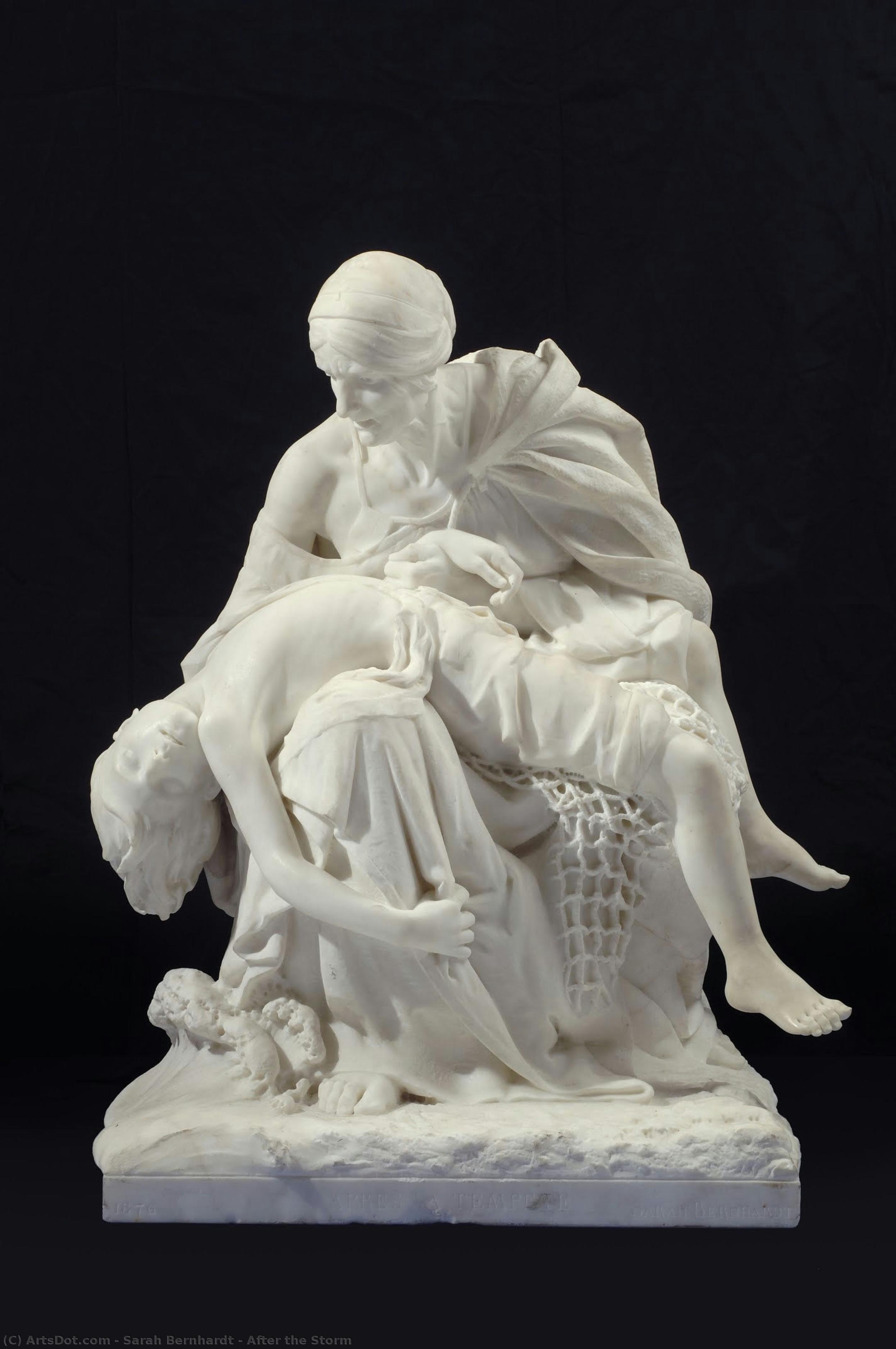
After the Storm

 Visa mer
Konstverket som visas på denna sida skyddas av upphovsrättslagen, vilket innebär att vi inte lagligt kan skapa eller sälja en identisk reproduktion. Detta skydd upprätthålls genom internationella avtal såsom den Bernkonventionen och genom nationella lagar, inklusive de som fastställs av Amerikansk upphovsrättslag – Titel 17. Alla rättigheter förbehållna. Återgivning av konstverk är förbjuden utan skriftligt tillstånd från WahooArt.
Denna metod följer fullt ut upphovsrättsliga regler eftersom den inte innebär kopiering eller duplicering av det skyddade konstverket. Istället är det en kreativ nytolkning – en ny målning som är influerad av originalet men inte identisk med det.
Giclée / Konsttryck
Giclée- eller canvasprint av museumskvalitet med snabb produktion och flexibla ytbehandlingsalternativ. ( Beställ handmålad reproduktion Byt till digital bild)




































Välj bland våra förinställda storlekar som motsvarar konstverkets ursprungliga proportioner.

Ange den bredd och höjd du behöver för att passa din ram eller vägg. Ett tryck kan endast beskäras, aldrig göras större än originalbilden, vilket innebär att ett format med en annan proportion leder till att en del av bilden går förlorad. Vi skickar en digital mockup för godkännande innan vi påbörjar tryckningen. Bilden som visas på denna sida visar inte den faktiska beskärningen — det är endast mockuppen som gör det.
Leverans över hela världen () på 2 veckor istället för standard 4/5 veckor. (4 november)

Fri expressfrakt över hela världen

Högkvalitativ linnecanvas

Fullständig fraktförsäkring

Garantier för återbetalning av tullavgifter

Garantier för exakt färgåtergivning

100 dagars returrätt (endast vid fel)

100% pengarna tillbaka-garanti

Mängdrabatt erbjuds
 Glasalternativet är endast tillgängligt i storlekar under 110 cm.

After the Storm
Giclée / Konsttryck
Storlek på reproduktion
-


Slutgiltigt pris
Skr 632
Frågor och svar
Hur balanserar "After the Storm" ljus och mörker?
"After the Storm" har en övergripande ljusstyrka på deep_shadow, och dess luminans är Soft Shadow.
Hur samverkar kontrast och harmoni i "After the Storm"?
Färganalysen av "After the Storm" av Sarah Bernhardt uppvisar en Statement kontrast och en Discordant Palette harmoni.
Vem är konstnären bakom "After the Storm"?
"After the Storm" skapades av Sarah Bernhardt. Informationen på denna sida beskriver Sarah Bernhardts originalverk.
Liknande konstverk


Konstnärsbiografi
The Divine Sarah: A Legend of Stage and Canvas
In the golden twilight of the nineteenth century, few figures commanded the collective imagination of the world quite like Sarah Bernhardt. Known to millions as “the Divine Sarah,” she was far more than a mere performer; she was a living icon, a force of nature who bridged the gap between the theatrical stage and the fine arts. Born Henriette-Rosine Bernard in Paris in 1844, her very essence seemed destined for the spotlight. Raised by a Dutch Jewish mother and a French attorney father, her early years were steeped in a passion for the aesthetic, leading her to study sculpture under masters like Emilio Franchesci. This foundational training in form and detail would later inform her legendary stage presence, allowing her to command space with a sculptural, almost monumental grace that captivated audiences from Paris to New York.
Bernhardt’s ascent to stardom was nothing short of meteoric. Debuting in Racine’s Iphigénie at the Théâtre Français in 1869, she immediately signaled the arrival of a transformative talent. Her ability to inhabit characters with profound emotional depth and dramatic intensity made her the definitive interpreter of the era's greatest works. Whether portraying the tragic vulnerability of La Dame aux Camélias or the commanding strength of Shakespeare’s Hamlet—a role that defied gender conventions of the time—she possessed what Victor Hugo famously described as a “golden voice.” Her performances were not merely acted; they were experienced, characterized by a unique blend of vocal prowess and a physical language that Edmond Rostand called “the queen of the pose and the princess of the gesture.”
A Muse for the Art Nouveau Era
Beyond the footlights, Bernhardt’s influence permeated the visual landscape of her time, making her a central figure in the development of the Art Nouveau movement. Her striking visage and larger-than-life persona became the ultimate canvas for the era's most celebrated illustrators. Most notably, her collaboration with Alphonse Mucha helped define the aesthetic of the period; his iconic posters, which utilized flowing organic lines and intricate ornamentation, were often centered around her image, helping to disseminate both her fame and the Art Nouveau style across the globe. She was a subject that invited much more than simple portraiture; she inspired works that sought to capture her very spirit.
The artistic community of Europe vied for the honor of capturing her likeness, resulting in a rich tapestry of diverse styles:
- Impressionistic Reverie: Artists like Dudley Hardy utilized textured brushstrokes and dreamlike atmospheres to portray her with a sense of melancholy and vulnerability.
- Photographic Precision: Pioneers such as Félix Nadar and Henry Walter Barnett used the burgeoning medium of photography to freeze moments of theatrical intensity, revealing the formidable strength beneath her stage persona.
- Classical Realism: Painters like Jules Bastien-Lepage sought to honor her through meticulous oil portraits that reflected their mutual admiration and the classical beauty she embodied.
A Lasting Legacy of Innovation
The historical significance of Sarah Bernhardt lies in her role as a pioneer who refused to be confined by the boundaries of her era. She was an early adopter of new technologies, utilizing sound recordings to extend her voice far beyond the theater walls, and she embraced the burgeoning film industry to reach even wider audiences. Her career was a testament to the power of self-invention; she moved seamlessly between male and female roles, challenged social norms regarding femininity, and transformed herself into a global brand long before the concept existed. When she passed away in 1923, she left behind more than just a repertoire of plays; she left an indelible mark on the history of performance, a blueprint for the modern celebrity, and a permanent place in the annals of art history as a symbol of eternal, divine creativity.

Kortfakta
- Artistic Movement Or Style: Art Nouveau
- Artists Or Movements Influenced By This Artist: ['Victorien Sardou']
- Artists Who Influenced This Artist:
- Victor Hugo
- Alphonse Mucha
- Date Of Birth: October 22, 1844
- Full Name: Henriette-Rosine Bernard
- Nationality: French
- Notable Artworks:
- La Dame aux Camélias
- Ruy Blas
- Fédora
- Place Of Birth: Paris, France