

 Förhandsvisa
 Skicka
 Dela
Dela
 Visa detaljer
 Guide
Guide

 Ladda ner
 Liknande objekt
 Röntgen
 Bildspel
 Frågor och svar
 Statistik
The familiar objects private


 Visa mer
Konstverket som visas på denna sida skyddas av upphovsrättslagen, vilket innebär att vi inte lagligt kan skapa eller sälja en identisk reproduktion. Detta skydd upprätthålls genom internationella avtal såsom den Bernkonventionen och genom nationella lagar, inklusive de som fastställs av Amerikansk upphovsrättslag – Titel 17. Alla rättigheter förbehållna. Återgivning av konstverk är förbjuden utan skriftligt tillstånd från WahooArt.
Denna metod följer fullt ut upphovsrättsliga regler eftersom den inte innebär kopiering eller duplicering av det skyddade konstverket. Istället är det en kreativ nytolkning – en ny målning som är influerad av originalet men inte identisk med det.
Giclée / Konsttryck
Giclée- eller canvasprint av museumskvalitet med snabb produktion och flexibla ytbehandlingsalternativ. ( Beställ handmålad reproduktion Byt till digital bild)




P118B Skr10

P118H Skr10

P118W Skr10

P438Z Skr10

P508JH Skr12

P508YH Skr12

P805H Skr10

P805Z Skr10

P919BZ Skr10

P919G Skr10

P919XJ Skr10

P959ZH Skr10

P968JZ Skr12

W106C Skr8

W218G Skr10

W218JH Skr8

W218Y Skr10

W307PJ Skr10

W316G Skr10

W316PJ Skr8

W316Y Skr10

W398PJ Skr8

W4111J Skr10

W500HY Skr15

W500JH Skr15

W692G Skr12

W849H Skr8

W940BG Skr15

W953PJ Skr8




Välj bland våra förinställda storlekar som motsvarar konstverkets ursprungliga proportioner.

Ange den bredd och höjd du behöver för att passa din ram eller vägg. Ett tryck kan endast beskäras, aldrig göras större än originalbilden, vilket innebär att ett format med en annan proportion leder till att en del av bilden går förlorad. Vi skickar en digital mockup för godkännande innan vi påbörjar tryckningen. Bilden som visas på denna sida visar inte den faktiska beskärningen — det är endast mockuppen som gör det.
Leverans över hela världen () på 2 veckor istället för standard 4/5 veckor. (5 november)

Fri expressfrakt över hela världen

Högkvalitativ linnecanvas

Fullständig fraktförsäkring

Garantier för återbetalning av tullavgifter

Garantier för exakt färgåtergivning

100 dagars returrätt (endast vid fel)

100% pengarna tillbaka-garanti

Mängdrabatt erbjuds
 Glasalternativet är endast tillgängligt i storlekar under 110 cm.

The familiar objects private
Giclée / Konsttryck
Storlek på reproduktion
-


Slutgiltigt pris
Skr 630
A Silent Confrontation with Reality
The Familiar Objects Private, painted in 1928 by the Belgian master René Magritte, stands as a profound invitation to contemplate the very nature of perception and the elusive boundaries between what we see and what truly exists. At first glance, the composition appears deceptively simple: a horizontal arrangement of five men standing in a row against a dark, undefined backdrop. Yet, as the viewer lingers, an unsettling juxtaposition emerges. Each man’s face is obscured by an everyday, commonplace item—a banana, a bowl, a vase, a wine glass, and an apple. This hallmark of Magritte's Surrealist approach immediately disrupts the viewer's sense of normalcy, transforming a formal portrait into a dreamlike inquiry into identity and the hidden layers of the subconscious mind. The genesis of such haunting imagery often lies in the shadows of personal history. Magritte’s early life was marked by the tragic suicide of his mother, an event that instilled within him an enduring preoccupation with veiled truths and the unsettling realization that appearances can deceive. In this painting, the way the objects mask the human countenance mirrors the artist's lifelong fascination with what remains unseen. By placing ordinary items in such illogical contexts, Magritte challenges the viewer to look beyond the surface of reality, suggesting that the most familiar elements of our lives may actually be masks for a deeper, more mysterious existence.Mastery of Technique and Muted Elegance
The technical execution of this piece is characterized by a meticulous, almost clinical precision. Eschewing the expressive, heavy brushstrokes found in much of the era's more emotive art, Magritte employed oil on canvas to achieve a smooth, polished surface that emphasizes the solidity of form. This deliberate avoidance of impasto allows the objects—the curve of the apple or the translucency of the wine glass—to appear startlingly real, which only heightens the surrealist impact of their placement. The lighting is diffused and even, casting no harsh shadows, which contributes to a sense of stillness and a dreamlike, suspended atmosphere. The color palette is masterfully restrained, dominated by somber shades of grey, brown, and black that lend the work an austere, almost funerary dignity. However, Magritte punctuates this monochromatic world with subtle, strategic pops of color: the bright yellow of the banana, the cool blue of the bowl, and the vibrant red of the apple. These small chromatic accents act as focal points, drawing the eye across the horizontal plane of the figures and preventing the composition from receding into total darkness. For the collector or interior designer, this balanced palette offers a sophisticated way to introduce intellectual depth and a touch of avant-garde intrigue into a curated space.An Enduring Legacy for the Modern Collector
Beyond its visual strikingness, The Familiar Objects Private functions as a philosophical dialogue. It explores themes of alienation and the absurdity of everyday life, making it a timeless piece that resonates with the complexities of the modern human condition. The way the figures are dressed in formal suits and ties adds a layer of societal critique, suggesting a uniformity of identity that is being disrupted by the surreal elements. This tension between the structured, civilized world and the chaotic, irrational mind is what gives the painting its enduring emotional impact. For those seeking to adorn a home or gallery with a high-quality reproduction, this artwork offers more than mere decoration; it provides a conversation piece that invites contemplation. Whether placed in a minimalist contemporary setting or a classic study, Magritte’s work brings an air of intellectual mystery and sophisticated surrealism. It is a piece for the discerning eye—one that appreciates the beauty of precision, the power of symbolism, and the profound magic found in the most familiar of objects.Frågor och svar
Vilken fas i René Magrittes karriär motsvarar årtalet 1928 för "The familiar objects private"?
Årtalet 1928 placerar "The familiar objects private" i Mature Period av René Magrittes konstnärliga utveckling.
Hur kan jag få en digital fil av "The familiar objects private" av René Magritte?
"The familiar objects private" finns tillgänglig som en högupplöst digital bildnedladdning och kan köpas direkt på dess Digital bild i hög upplösning-sida.
Vilken historisk period tillhör "The familiar objects private" av René Magritte?
"The familiar objects private" av René Magritte härstammar från Modern-perioden, vilket ger verket dess historiska sammanhang.
Liknande konstverk


Konstnärsbiografi
Early Life and the Seeds of Surrealism
René Magritte, född René François Ghislain Magritte den 21 november 1898 i Lessines, Belgien, steg in i en värld som skulle forma hans gåtfulla konstnärliga syn. Hans tidiga år präglades av ett oroande händelse – hans mors självmord när han bara var tretton år gammal. Bilden av hennes kropp som återfanns i Sambrefloden, med hennes klädnad som dolde hennes ansikte, blev en hemsökande motiv som subtilt skulle genomsyra hans senare verk, manifesterat i dolda figurer och en beständig utforskning av det osynliga. Detta tidiga trauma inställde en fascination för mysterium, förlust och den oroande kraften hos det som finns kvar utanför synen. Även om detaljer kring hans barndom är något otydliga, är det tydligt att denna formativa upplevelse lade grunden för hans livslånga ifrågasättande av perception och representation. Han började lära sig teckna vid tio års ålder, vilket visade en inneboende benägenhet till visuellt uttryck, men utforskade initialt impressionism innan han gick på en väg som skulle leda honom att bli en av de mest betydelsefulla figurerna inom surrealistisk konst.
Artistic Development and Influences
Magrittes konstnärliga resa var inte omedelbar eller enkel. Han studerade vid Académie Royale des Beaux-Arts i Bryssel, men fann dess traditionella metoder kvävande. Hans tidiga verk experimenterade med futurism och kubism, absorberade element av dessa avantgardistiska rörelser men avvek slutligen från deras rent formella frågor. Det var först genom att stöta på Giorgio de Chiricos målning *The Song of Love* 1922 som Magritte upptäckte en resonans som oåterkalleligt skulle förändra hans konstnärliga väg. De Chiricos drömlika landskap och oroande juxtapositioner öppnade för Magritte ett nytt sätt att se – en värld där det bekanta kunde bli främmande, och det vanliga fylldes med djupgående mysterium. Detta möte utlöste hans engagemang för surrealism, även om han ofta upprätthöll ett unikt avstånd från dess mer uppenbart psykologiska eller automatiska tillvägagångssätt. Han föredrog en minutiös, nästan klinisk precision i sin målning, och använde realistiska tekniker för att representera orlogiska scenarier.
The Heart of Surrealism: Challenging Reality
År 1926 hade Magritte fullt omfamnat surrealistiska principer och producerade *Le Jockey Perdu (The Lost Jockey)*, som ofta betraktas som hans första verkligt surrealistiska verk. Men hans sort av surrealism var distinkt. Han var inte intresserad av att utforska det undermedvetna genom fritt association eller drömmar i samma utsträckning som vissa av sina samtida. Istället sökte Magritte att utmana betraktarnas uppfattningar om verklighet genom att presentera vanliga objekt i oväntade sammanhang, vilket tvingade dem att ifrågasätta sina antaganden om den värld de levde i. Ikoniska verk som *The Treachery of Images (This is not a pipe)* (1929) dekonstruerar intelligensfullt förhållandet mellan bild och objekt, påminner oss om att en representation aldrig är saken själv. *Les Amants (The Lovers)* (1927-1928), med sina dolda figurer, återspeglar traumet av hans mors död samtidigt som det utforskar teman för dolt och intimitet. *Time Transfixed* (1938) presenterar en lokomotiv som brister igenom en tegelvägg, stör vår känsla av utrymme och tid. Och *The Human Condition* (1933), ett målning inom en målning, suddar ut gränserna mellan representation och verklighet, vilket får oss att fundera över hur vi uppfattar och tolkar världen.
Later Life, Recognition, and Enduring Legacy
Trots initiala svårigheter att få erkännande, fick Magrittes verk gradvis ökat erkännande, särskilt i USA genom utställningar 1936 och senare retrospektiva visningar på Museum of Modern Art (1965) och Metropolitan Museum of Art (1992). Han förblev politiskt engagerad under hela sitt liv, förespråkade konstens autonomi. Han fortsatte att finjustera sin signaturstil, utforskade teman för upprepning, illusion och språkets kraft i målningar som är både intellektuellt stimulerande och visuellt slående. Magritte dog den 15 augusti 1967 av cancer i bukspottkörteln, lämnade efter sig ett verk som fortsätter att fängsla och utmana publiken världen över. Hans inflytande sträcker sig bortom konstens sfär och påverkar pop art, minimalistisk konst och konceptuell konst, samt till och med reklam och film. Idag bevaras hans målningar i stora museisamlingar runt om i världen, inklusive Musées royaux des beaux-arts de Belgique i Bryssel, som hyser Magritte Museum – dedikerat enbart till hans verk och som har världens största samling av dem.
- Museisamlingar: Musées royaux des beaux-arts de Belgique, Bryssel; Magritte Museum.
Magrittes bestående arv ligger i hans förmåga att få oss att se det bekanta på nytt, att ifrågasätta våra antaganden om verkligheten och att uppskatta konstens kraft att väcka tankar och inspirera förundran. Han målade inte bara bilder; han skapade visuella paradoxer som fortsätter att resonera hos publiken decennier efter deras skapande, vilket säkerställer sin position som en sann mästare inom surrealism och en nyckelperson i 20:e århundradets konst.

René Magritte
1898 - 1967 , Belgien
Kortfakta
- Artistic Movement Or Style: Surrealism
- Artists Or Movements Influenced By This Artist:
- Pop art
- Minimalist art
- Artists Who Influenced This Artist: ['Giorgio de Chirico']
- Date Of Birth: 21 november 1898
- Date Of Death: 15 augusti 1967
- Full Name: René François Ghislain Magritte
- Nationality: Belgisk
- Notable Artworks:
- Nattens mening
- Representation
- Svår Övergång
- Place Of Birth: Lessines, Belgien
Relaterade artiklar

Beyond Reality: A Beginner's Guide to the Magic of Surrealism for the Modern Collector
Embark on a visual journey into Surrealism. Discover the magic of dreamlike landscapes, iconic masters like Dalí, and expert tips for collecting surrealist masterpieces to transform your home with intrigue and wonder.

The Enigmatic Realm of Paul Delvaux: Surrealism, Memory & the Poetics of Disquiet
Explore the haunting dreamscapes of Paul Delvaux, a master of Surrealism. Discover his iconic motifs, classical influences & enduring legacy with ArtsDot.com.

Surrealismens 10 Mästerverk: Konst som Utmanar Verkligheten – ArtsDot
Utforska surrealismens 10 mest ikoniska mästerverk – Dalí, Magritte & mer. Lär känna historien bakom drömlika landskap och symbolik i konsten. Hitta konsttryck av högsta kvalitet för ditt hem på ArtsDot.com.

Surrealismens 10 Mästerverk – Konst som Utmanar Verkligheten | ArtsDot.com
Utforska surrealismens 10 mest ikoniska mästerverk – från Dalís drömlandskap till Magrittes tankeväckande symbolik. Lär känna konstnärerna och tekniken bakom tidlösa tavlor. Hitta din perfekta inredningsdetalj på ArtsDot.com! Upptäck hela kollektionen online.
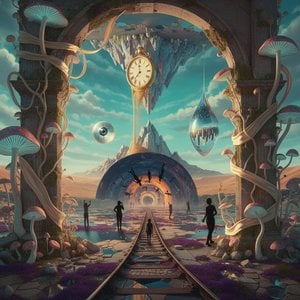
Dreamscapes & Disrupted Realities: Exploring Surrealism's Enduring Influence
Explore the fascinating world of Surrealism! Discover its origins, key artists like Dalí & Magritte, and enduring influence on art & culture. Expert insights & high-quality reproductions at ArtsDot.


