
- Hem

- Reproduktion av oljemålning
- Rembrandt Harmensz van Rijn
- Saul and David
 Köp tryck Köp högupplöst digital bild
 Skicka
 Dela
Dela
 Details
 Lägg till i favoriter

 Ladda ner
 Liknande objekt
 X-Ray
X-Ray
 Bildspel
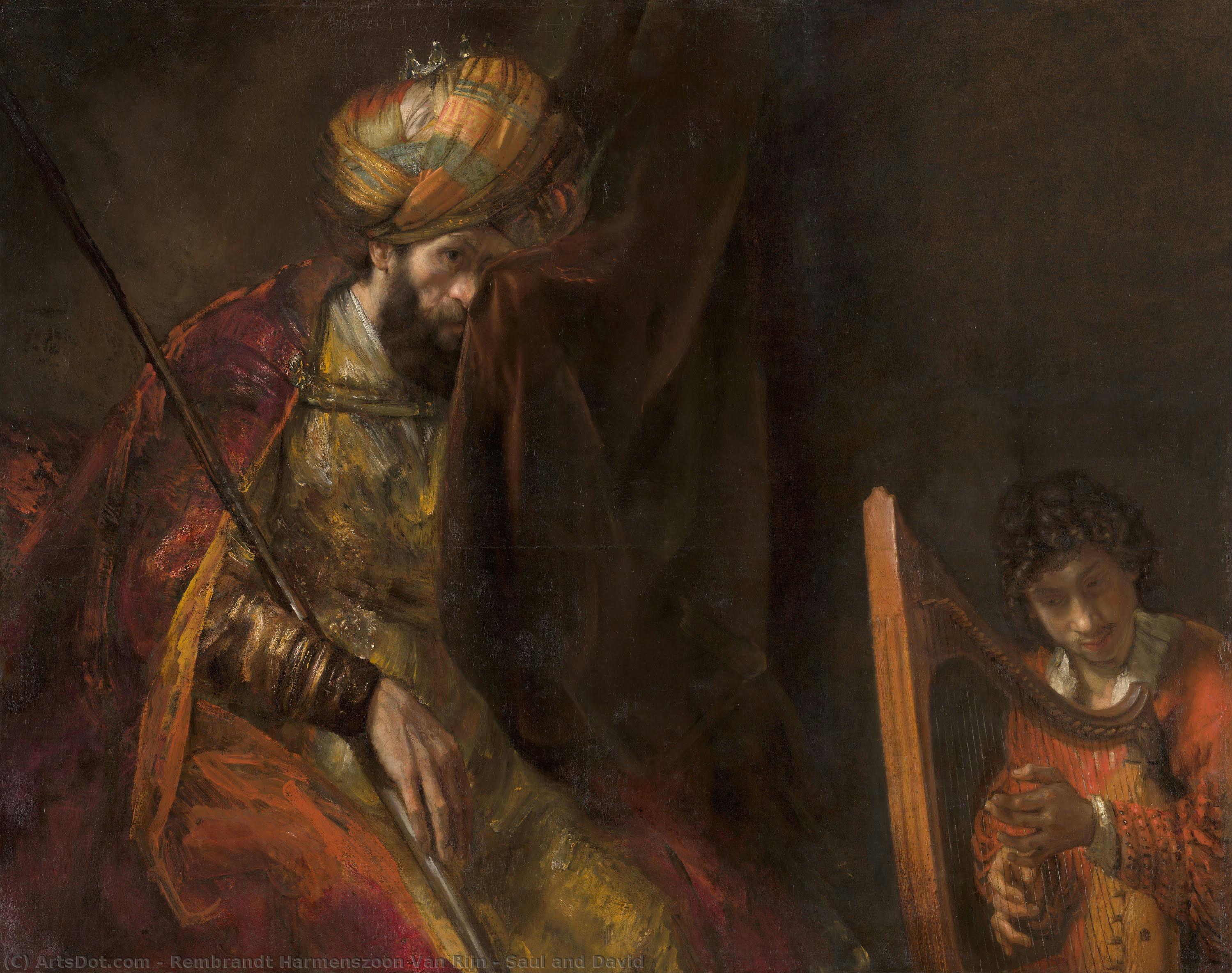
Saul and David
 Acrylic On Canvas
- WallArt
- Baroque
 1658
1658 130.0 x 164.0 cm
 Mauritshuis
Handgjord oljereproduktion
Handmålad olja på duk i din valda storlek och ram, tillverkad efter beställning av våra konstnärer.




P118B $10

P118H $10

P118W $10

P438Z $10

P508JH $12

P508YH $12

P805H $10

P805Z $10

P919BZ $10

P919G $10

P919XJ $10

P959ZH $10

P968JZ $12

W106C $8

W218G $10

W218JH $8

W218Y $10

W307PJ $10

W316G $10

W316PJ $8

W316Y $10

W398PJ $8

W4111J $10

W500HY $15

W500JH $15

W692G $12

W849H $8

W940BG $15

W953PJ $8




 Läs mer
Välj bland våra förinställda storlekar som motsvarar konstverkets ursprungliga proportioner.

Du kan ange egna mått för att passa en specifik ram eller yta. Om den valda storleken inte matchar originalbildens proportioner kommer vi antingen att beskära konstverket eller utöka målningen med ytterligare handmålade element. En digital skiss skickas till dig för godkännande innan produktionen påbörjas.
Observera att förhandsvisningen på skärmen inte återspeglar den faktiska beskärningen eller utökningen. Endast skissen visar den slutgiltiga kompositionen korrekt.
Även om anpassade storlekar är möjliga, rekommenderar vi att du väljer en dimension från den fördefinierade listan för att bevara originalproportionerna.
Efter beställning kommer ArtsDot.com team att mejla kunden för instruktioner och tillhandahålla en skissförhandsvisning
Leverans över hela världen () på 3–4 veckor istället för standard 5 veckor. (1 juli). Inga kompromisser med kvaliteten.

Fri expressfrakt över hela världen

Högkvalitativ linnecanvas

Fullständig fraktförsäkring

Garantier för återbetalning av tullavgifter

Garantier för exakt färgåtergivning

60 dagars returrätt (endast vid fabrikationsfel)

100% pengarna tillbaka-garanti

Mängdrabatt erbjuds
 Glasalternativet är endast tillgängligt i storlekar under 110 cm.

Saul and David
Teknik för reproduktion
Storlek på reproduktion
-


Slutgiltigt pris
-
Beskrivning av konstverket
Saul and David: A Rembrandt Mystery Resolved
The Mauritshuis’s acclaimed painting *Saul and David*, once considered Rembrandt’s crowning achievement—a cornerstone of the Dutch Golden Age collection since its acquisition in 1898—held a secret for over a century. Until recently, doubts lingered about its authenticity, casting a shadow over its reputation as one of Rembrandt's most iconic works. Now, after meticulous research and groundbreaking scientific analysis, the painting’s provenance has been definitively established: it is undeniably Rembrandt Harmenszoon van Rijn’s masterpiece, offering an unparalleled glimpse into his artistic genius and psychological depth. This revelation culminates in a captivating exhibition at the Mauritshuis, “Rembrandt? The Case of Saul and David,” which delves into the painting's turbulent past and celebrates its triumphant return to prominence.- Subject Matter & Narrative Depth: Rembrandt’s depiction captures a pivotal moment from biblical lore—the confrontation between King Saul and his protégé, David—immediately preceding Saul’s impulsive act of violence. The scene portrays the fraught relationship between ambition and remorse, encapsulating themes of jealousy, betrayal, and divine retribution. Rembrandt skillfully conveys these emotions through nuanced facial expressions and gestures, demonstrating his mastery of portraying human psychology.
- Style & Technique: Executed in 1651–1654 and completed later, perhaps between 1655 and 1658, *Saul and David* exemplifies Rembrandt’s signature style—characterized by dramatic chiaroscuro (light and shadow), a technique he perfected to create an illusion of three-dimensionality and heighten emotional impact. The artist employed loose brushstrokes and vibrant color palettes, prioritizing expressive gesture over meticulous detail, reflecting the prevailing artistic sensibilities of his time.
- Historical Context: Rembrandt’s work emerged during the Dutch Golden Age—a period of unprecedented cultural flourishing fueled by economic prosperity and intellectual curiosity. Artists like Rembrandt sought to elevate biblical narratives into profound meditations on human experience, mirroring the broader humanist concerns of the era. The painting reflects the influence of Caravaggio's tenebrism—the use of extreme contrasts between light and dark—further emphasizing the dramatic tension inherent in the scene.
- Symbolism & Composition: Rembrandt’s compositional choices are laden with symbolic significance. Saul, dressed in a flamboyant turban adorned with crimson feathers, embodies regal authority yet is consumed by inner turmoil. His gaze downward conveys vulnerability and despair as he attempts to wipe away tears—a gesture signifying remorse for his impending act of aggression. David, kneeling humbly before Saul, represents youthful piety and unwavering devotion, symbolizing the triumph of righteousness over pride.
- Emotional Impact: *Saul and David* continues to resonate with viewers today due to its profound emotional honesty and masterful depiction of human psychology. Rembrandt’s ability to convey complex emotions—fear, regret, compassion—through subtle visual cues remains unparalleled. The painting serves as a poignant reminder of the enduring power of art to illuminate the human condition and provoke contemplation on themes of morality and redemption.
Liknande konstverk




Konstnärsbiografi
A Life Illuminated: The World of Rembrandt van Rijn
Rembrandt Harmenszoon van Rijn, a name synonymous with the Dutch Golden Age and a master of light and shadow, was born in Leiden, Netherlands, on July 15, 1606. He wasn’t simply a painter; he was a visual storyteller, an explorer of the human condition whose works continue to resonate with profound emotional depth centuries after their creation. The ninth child of Harmen Gerritszoon van Rijn, a miller, and Neeltgen Willemsdochter van Zuijtbrouck, Rembrandt’s upbringing wasn't one of austere poverty, but rather comfortable middle-class stability that allowed for an education – initially at the University of Leiden, though his true calling quickly led him to artistic pursuits. He first apprenticed with Jacob van Swanenburg and then spent six formative months in Amsterdam under Pieter Lastman, a painter known for his dramatic historical scenes, which undoubtedly sparked Rembrandt’s early interest in narrative painting.From Rising Star to Master of His Craft
By 1625, Rembrandt had established his own studio in Leiden, quickly attracting students like Gerrit Dou and Isaac de Jouderville. This period marked the beginning of a prolific career characterized by an astonishing range of subjects and styles. He wasn’t confined by genre; portraits, self-portraits – of which he created nearly one hundred throughout his life – landscapes, biblical scenes, mythological narratives, and even animal studies flowed from his brush with equal mastery. His early works often showcased a meticulous attention to detail and a fascination with dramatic lighting effects, foreshadowing the signature chiaroscuro that would define his mature style. The bustling city of Amsterdam beckoned in around 1631, offering greater opportunities for commissions and artistic growth. It was here he married Saskia van Uylenburgh in 1634, a union that brought him social standing and financial security, though tragically, their happiness was tempered by the loss of several children. Rembrandt’s success soared during this period; he became a sought-after portraitist among Amsterdam's wealthy elite, but even amidst prosperity, his artistic curiosity pushed him beyond conventional boundaries.The Evolution of a Visionary Style
Rembrandt’s artistic development wasn’t linear; it was a continuous process of experimentation and refinement. He moved away from the polished surfaces and precise details of his early work towards a looser, more expressive brushstroke and a deeper exploration of psychological realism. His use of light became increasingly sophisticated, not merely as an aesthetic device but as a means to reveal inner character and emotional states. This is particularly evident in his biblical scenes, where he imbued figures with a humanity rarely seen in religious art before. Works like *Our Lord and Disciples at Emmaus* demonstrate this ability to capture moments of profound spiritual significance with intimate realism. He wasn’t interested in idealized representations; instead, he sought to portray the raw, vulnerable aspects of human experience. This willingness to confront imperfection and embrace emotional complexity set him apart from his contemporaries and cemented his place as a groundbreaking artist. The influence of Italian masters was present, but Rembrandt filtered it through his own unique sensibility, creating something entirely new.Major Achievements and Lasting Legacy
Rembrandt’s legacy extends far beyond the approximately 300 paintings, 300 etchings, and 2000 drawings that survive today. He revolutionized portraiture, elevating it from a mere depiction of physical likeness to a profound exploration of character and psychology. His biblical narratives were transformed into intensely human dramas, imbuing them with emotional resonance and spiritual depth. His mastery of light and shadow continues to inspire artists across disciplines, and his innovative techniques – such as impasto and glazing – remain influential in contemporary painting. He wasn’t just painting pictures; he was holding a mirror up to humanity, revealing its beauty, its flaws, and its enduring spirit. His work is celebrated for its emotional honesty, technical brilliance, and profound insights into the human condition. Rembrandt's influence can be seen in countless artists who followed him, solidifying his position as one of the most important figures in Western art history.Key Characteristics & Influences
Rembrandt’s distinctive style was shaped by a confluence of factors. His early training under Lastman instilled a sense of dramatic composition and historical narrative, while his time in Amsterdam exposed him to the innovations of Caravaggio and other Italian masters. However, Rembrandt ultimately forged his own path, developing a unique approach characterized by:- Masterful use of light and shadow (chiaroscuro): Creating dramatic contrasts between light and dark to heighten emotional impact.
- Psychological realism: Capturing the inner thoughts and feelings of his subjects with remarkable accuracy.
- Expressive brushwork: Employing loose, textured strokes to convey emotion and movement.
- Diverse subject matter: Painting a wide range of scenes, from portraits and biblical stories to landscapes and still lifes.

Rembrandt Harmensz van Rijn
1606 - 1669 , Nederländerna
Kortfattad information
- Artistic Movement Or Style: Barock, Guldsåldern
- Artists Or Movements Influenced By This Artist: ['Många senare konstnärer']
- Artists Who Influenced This Artist:
- Pieter Lastman
- Jacob Swanenburg
- Date Of Birth: 15 juli 1606
- Date Of Death: 4 oktober 1669
- Full Name: Rembrandt Harmenszoon van Rijn
- Nationality: Nederländska
- Notable Artworks:
- Kristus...
- A Polander...
- Rattkillaren
- Place Of Birth: Leiden, Nederländerna
Relaterade artiklar

Rembrandt van Rijn: A Life Illuminated – Exploring the Master of Light, Shadow, and Human Emotion
Explore the life & art of Rembrandt van Rijn, master of light and shadow. Discover his iconic paintings, revolutionary techniques, and enduring legacy with ArtsDot – trusted experts in fine art reproductions since 2004.


Pieter de Hooch: Illuminating Dutch Domestic Life & Golden Age Charm
Explore the captivating world of Pieter de Hooch, a master of Dutch Golden Age painting. Discover his innovative use of light, intimate domestic scenes, and lasting influence on art history. Learn more at ArtsDot.

Illuminating Faith: Biblical Scenes & Their Enduring Legacy in Art History
Explore the profound history of biblical art! Discover Renaissance masterpieces by Giotto & more. Uncover symbolism, artistic techniques, and lasting influence. Expert insights at ArtsDot.
David Teniers the Younger: Genre Painting & Social Commentary in Baroque Flanders
Explore the captivating world of David Teniers the Younger, a leading Flemish Baroque painter. Discover his genre scenes, social commentary, and lasting influence on 17th-century art. Learn about his life, techniques & legacy.

Rembrandt van Rijn: A Life Illuminated – Innovation, Emotion, and the Dutch Golden Age
Explore the life & art of Rembrandt van Rijn, a Dutch Golden Age master. Discover his innovative techniques, iconic paintings like 'The Night Watch', and enduring legacy. Expert insights for collectors & enthusiasts.


