Förhandsvisa
 Skicka
 Dela
Dela
 Visa detaljer

 Ladda ner
 Liknande objekt
 Röntgen
 Bildspel
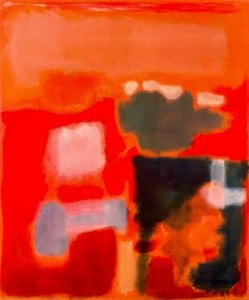
Untitled


 Visa mer
Giclée / Konsttryck
Giclée- eller canvasprint av museumskvalitet med snabb produktion och flexibla ytbehandlingsalternativ. ( Beställ handmålad reproduktion Köp högupplöst bild)




P118B $10

P118H $10

P118W $10

P438Z $10

P508JH $12

P508YH $12

P805H $10

P805Z $10

P919BZ $10

P919G $10

P919XJ $10

P959ZH $10

P968JZ $12

W106C $8

W218G $10

W218JH $8

W218Y $10

W307PJ $10

W316G $10

W316PJ $8

W316Y $10

W398PJ $8

W4111J $10

W500HY $15

W500JH $15

W692G $12

W849H $8

W940BG $15

W953PJ $8




Välj bland våra förinställda storlekar som motsvarar konstverkets ursprungliga proportioner.

Du kan ange egna mått för att passa en specifik ram eller yta. Om det valda måttet inte överensstämmer med originalbildens proportioner kommer vi antingen att beskära konstverket eller utöka bilden med en speglad eller enfärgad kant. En digital mockup skickas för ditt godkännande innan produktionen påbörjas.
Vänligen notera att förhandsvisningen på skärmen inte återspeglar den faktiska beskärningen eller utökningen. Endast mockuppen visar den slutgiltiga kompositionen korrekt.
Även om anpassade storlekar är möjliga, rekommenderar vi att du väljer ett mått från den fördefinierade listan för att bevara de ursprungliga proportionerna.
Leverans över hela världen () på 2 veckor istället för standard 4/5 veckor. (16 augusti)

Fri expressfrakt över hela världen

Högkvalitativ linnecanvas

Fullständig fraktförsäkring

Garantier för återbetalning av tullavgifter

Garantier för exakt färgåtergivning

60 dagars returrätt (endast vid fabrikationsfel)

100% pengarna tillbaka-garanti

Mängdrabatt erbjuds
 Glasalternativet är endast tillgängligt i storlekar under 110 cm.

Untitled
Giclée / Konsttryck
Storlek på reproduktion
-


Slutgiltigt pris
$ 62
Om samlarobjektet
Untitled (Rothko) – En Öppen Dialog Om Färg och Emotion
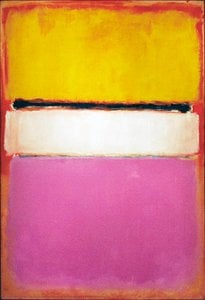
Den här fascinerande verkelsen av Mark Rothko, skapad 1952, exemplifierar den växande *Färdskåpsmålning* rörelsen som omdefinierade abstrakt expressionism. Vid första ögonblicket kan dess enkelhet – en vertikal uppdelning av orange och gul block separerade av ett vitt band – verka obetydlig. Dock är denna medvetna reducering till essentiella former och färg där dess kraft ligger. Rothko var inte intresserad av att föreställa sig den externa världen; han sökte skapa djupa känslomässiga svar genom direkt erfarenhet av färg själv. Detta konstverk är inte *om* något; det *är* en upplevelse. Som konsthistoriker och akademisk innehållsskapare med särskild expertis inom konstdekoration förstår jag att detta verk erbjuder mer än bara visuellt estetiskt tilltalande – det är ett samtalsämne om själva kärnan i konstens förmåga att väcka känslor och skapa reflektion. Teknik & Komposition: Färgläggningens språk Målningen visar upp Rothkos signaturteknik: breda, synliga penseldrag applicerade med akrylfärg på duken. Dessa är inte smält samman utan den lätt röra ytan bidrar till en känsla av närvaro och öppet för förändring. Kompositionen är noggrant strukturerad – två dominerande rektanglar ankrade av ett horisontellt band. Detta arrangemang är inte slumpmässigt utan skapar visuellt balans, vilket uppmuntrar betraktarens öga att röra sig mellan färgerna och eftertänka deras samspel. Bristen på perspektiv eller djup förstärker detta fokus på dukens platta yta och betonar färgens och dukens materialitet. Detta är ett aktivt val av konstnären, vilket syftar till att skapa en upplevelse som går bortom bara visuella observationer. För Rothko var målet inte att skapa en kopia av verkligheten utan snarare att förmedla något djupare – känslor och idéer som resonerar långt efter att ögat har lämnat bilden. Detta är ett exempel på vad konsthistoriker kallar "fördjupad konst". Historisk Kontext & Rothkos Konstnärliga Färd Född i Lettland som Marcus Rothkowitz immigrerade till USA vid ung ålder. Hans tidiga verk utforskade urbana scener men utvecklades dramatiskt efter andra världskriget. Han avvek från föreställningsbildskapande, driven av ett önske att uttrycka universella mänskliga känslor – tragedi, extas och allt därem mellan. Detta 1952 års målning placerar sig direkt inom denna övergångsperiod och visar hans steg mot den stora skala färdskåpsmålningar för vilka han blev känd. Han inspirerades av konstnärer som Barnett Newman och Vladimir Tatlin, vilket är viktigt att komma ihåg när man förstår den bredare kontexten för abstrakt expressionism under efterkrigstiden. Rothko var en pionjär inom denna rörelse och hans verk reflekterar ofta dessa idéer om enkelhet och öppenhet. Detta är ett exempel på hur konsthistoriker beskriver detta arbete – det är inte bara ett visuellt objekt utan också ett produkt av sin tid och kultur. För att förstå Rothkos konstnärliga vision måste man ta hänsyn till den filosofiska och psykologiska atmosfären i efterkrigstidens New York, där konstnärer sökte nya sätt att uttrycka sina känslor och erfarenheter efter traumatiska världskrig. Detta arbete är ett viktigt steg på denna resa mot självupptäckt och kreativitet. För att skapa detta mäktiga verk använde Rothko en teknik som skiljer sig från många andra konstnärer av sin tid. Han valde akrylfärg för sina målningar eftersom detta medium möjliggör både djup och komplexitet samtidigt som det är relativt lätt att applicera på duken. Detta är ett exempel på hur konsthistoriker analyserar tekniken – det är inte bara ett verktyg utan också ett sätt att förmedla konstnärens vision och känslor till publiken. Rothko var särskilt intresserad av att skapa bilder som skulle väcka känslor hos betraktaren och detta arbete är ett perfekt exempel på detta mål. Detta är ett viktigt perspektiv när man studerar konsthistorien eftersom det visar hur konstnärer använder sina verktyg för att kommunicera sina idéer och erfarenheter till andra människor. Detta arbete är också ett viktigt steg mot att skapa en mer komplex och nyanserad förståelse av konstens roll i samhället och kulturen. Detta är något som konsthistoriker betonar när de beskriver detta mäktiga verk – det är inte bara ett visuellt objekt utan också ett produkt av sin tid och kultur. För att uppskatta Rothkos konstnärliga prestation måste man komma ihåg att han arbetade inom en särskild historisk och kulturell miljö där konstnärer sökte nya sätt att uttrycka sina känslor och erfarenheter efter traumatiska världskrig. Detta är ett exempel på hur konsthistoriker analyserar detta arbete – det är inte bara ett verktyg utan också ett sätt att förmedla konstnärens vision och känslor till publiken. Detta arbete är ett viktigt steg mot att skapa en mer komplex och nyanserad förståelse av konstens roll i samhället och kulturen.Liknande konstverk



Konstnärsbiografi
Early Life and the Seeds of Artistic Vision
Mark Rothko, born Markus Yakovlevich Rothkowitz in Dvinsk, Latvia, in 1903, carried within him from the outset a sense of displacement that would profoundly shape his artistic journey. His early years were marked by the anxieties of a Jewish family living within the Pale of Settlement, shadowed by pogroms and political unrest. This atmosphere instilled a deep sensitivity to human suffering, a theme that would resonate throughout his oeuvre. The 1913 immigration to Portland, Oregon, represented not just a geographical shift but a cultural upheaval for the young Rothko. While his father, a pharmacist and intellectual with socialist leanings, fostered a home filled with debate and learning, the loss of Jacob Rothkowitz shortly after their arrival cast a long shadow. This early experience of loss, coupled with the challenges of assimilation, fueled a lifelong exploration of existential themes – mortality, trauma, and the search for meaning in a chaotic world. Though he excelled academically at Yale University, Rothko found himself drawn more to the vibrant energy of New York City, abandoning formal studies to pursue his passion for art at the Art Students League. These formative years laid the groundwork for an artistic vision that would ultimately challenge conventional notions of painting and redefine the emotional power of color.From Figurative Beginnings to Abstract Expressionism
Rothko’s initial artistic explorations were firmly rooted in realism, depicting urban scenes and portraits with a keen eye for detail. However, these early works already hinted at the psychological depth that would become his hallmark. As the 1940s unfolded, and the world grappled with the horrors of World War II, Rothko’s art underwent a dramatic transformation. Influenced by Surrealism and mythology, he began to move away from representational imagery, seeking instead to express universal human emotions through symbolic forms. This period saw the emergence of multi-form paintings – canvases populated by ambiguous, biomorphic shapes that seemed to hover between figuration and abstraction. These works were not merely experiments in form; they were deeply felt responses to the anxieties and uncertainties of a world at war. By the late 1940s, Rothko had arrived at his signature style: large-scale canvases featuring rectangular blocks of color that appeared to float and resonate with one another. He stripped away all vestiges of recognizable imagery, focusing instead on the pure emotional impact of color and form. This marked a pivotal moment in the development of Abstract Expressionism, and established Rothko as a leading figure in this groundbreaking movement.The Color Field and the Pursuit of Transcendence
Rothko’s mature work is defined by what came to be known as “Color Field” painting – vast expanses of luminous color that envelop the viewer in an immersive experience. These paintings are not about *what* they depict, but rather *how* they make you feel. Rothko believed that art should engage the viewer viscerally, bypassing intellectual analysis and speaking directly to the emotions. He meticulously layered thin washes of paint, creating subtle variations in tone and texture that seemed to emanate from within the canvas. The edges of his rectangular forms are often blurred, allowing them to blend and interact with one another, creating a sense of depth and movement. Rothko deliberately avoided titles beyond numbers – “No. 1,” “No. 6” – encouraging viewers to confront the paintings without preconceived notions and allow their own emotional responses to guide their experience. He sought to create a space for contemplation, a sanctuary where viewers could connect with something larger than themselves. His ambition was nothing less than to evoke profound spiritual experiences through the language of color.Major Achievements and Lasting Legacy
Among Rothko’s most significant achievements are “No. 10 (1950),” a pivotal work that exemplifies his evolving style, and the Seagram Murals (1958). Commissioned for the Four Seasons Restaurant in New York City, these murals were ultimately rejected by Rothko, who felt they would be compromised by their intended environment. He instead donated them to the Tate Gallery in London, where they continue to inspire awe and contemplation. Perhaps his most ambitious project was the Rothko Chapel (1971) in Houston, Texas – a non-denominational sanctuary housing fourteen of his paintings. Designed as a space for quiet reflection, the chapel is considered a sacred place by many, embodying Rothko’s belief in the spiritual power of art. Rothko's influence on subsequent generations of artists has been immense. He paved the way for Minimalist art and continues to inspire contemporary painters who explore the emotional possibilities of abstraction. Despite struggling with depression throughout his life, culminating in his tragic suicide in 1970, Mark Rothko remains one of the most important and influential artists of the 20th century – a master of color whose work continues to resonate with audiences around the world.The Enduring Power of Emotional Resonance
- Rothko’s paintings are celebrated for their ability to convey universal human emotions—tragedy, ecstasy, despair, and hope.
- His exploration of color as a vehicle for emotional expression revolutionized abstract painting.
- The Rothko Chapel stands as a testament to his belief in the spiritual power of art.
- He remains a pivotal figure in Abstract Expressionism and a major influence on contemporary artists.

Mark Rothko
1903 - 1970 , Lettland
Kortfakta
- Artistic Movement Or Style: Color Field Painting
- Artists Or Movements Influenced By This Artist: ['Minimalism']
- Date Of Birth: September 25, 1903
- Date Of Death: February 25, 1970
- Full Name: Mark Rothko
- Nationality: Russisk
- Notable Artworks:
- No. 10 (1950)
- Seagram Murals
- Rothko Chapel
- Place Of Birth: Dvinsk, Latvia
Relaterade artiklar
Mark Rothkos 25 Mästerverk: Djupdykning i Färg och Existens | ArtsDot
Utforska Mark Rothkos 25 mest ikoniska målningar – en djupdykning i abstrakt expressionism och färgfältets psykologi. Upptäck historien bakom varje mästerverk och hitta inspiration till ditt hem med ArtsDot.coms exklusiva konsttryck.

The Sublimity of Color: Exploring the Emotional Landscapes of Mark Rothko's Abstract Expressionism
Explore the profound emotional depth of Mark Rothko's abstract expressionism. Discover the history, techniques & lasting impact of this pivotal Color Field painter. Expert insights for collectors and art enthusiasts.

Topp 10 mästerverk inom abstrakt expressionism – konst för ditt hem | ArtsDot.com
Utforska de 10 mest inflytelserika verken inom abstrakt expressionism – från Rothkos färgfält till Pollocks action painting. Lär känna konstnärerna och deras teknik. Hitta museumskvalitativa tryck på ArtsDot.com och förvandla ditt hem med tidlös konst!

Chromatic Atmospheres: Exploring the Philosophical Foundations of Color Field Painting
Explore the philosophical and aesthetic foundations of Color Field painting with ArtsDot. Discover key artists like Rothko & Newman, its spiritual influences, and lasting impact on modern art. Expert insights for collectors.

Beyond Representation: Exploring the Emotional Landscape of Abstract Expressionism
Explore the profound emotional world of Abstract Expressionism with ArtsDot. Discover key artists like Pollock & Rothko, learn about collecting, and find museum-quality reproductions to inspire your space.