

 Förhandsvisa
 Skicka
 Dela
Dela
 Visa detaljer
 Guide
Guide

 Ladda ner
 Liknande objekt
 Röntgen
 Bildspel
 Frågor och svar
 Statistik
The Rooster

 Visa mer
Konstverket som visas på denna sida skyddas av upphovsrättslagen, vilket innebär att vi inte lagligt kan skapa eller sälja en identisk reproduktion. Detta skydd upprätthålls genom internationella avtal såsom den Bernkonventionen och genom nationella lagar, inklusive de som fastställs av Amerikansk upphovsrättslag – Titel 17. Alla rättigheter förbehållna. Återgivning av konstverk är förbjuden utan skriftligt tillstånd från WahooArt.
Denna metod följer fullt ut upphovsrättsliga regler eftersom den inte innebär kopiering eller duplicering av det skyddade konstverket. Istället är det en kreativ nytolkning – en ny målning som är influerad av originalet men inte identisk med det.
Giclée / Konsttryck
Giclée- eller canvasprint av museumskvalitet med snabb produktion och flexibla ytbehandlingsalternativ. ( Beställ handmålad reproduktion Byt till digital bild)




P118B Skr10

P118H Skr10

P118W Skr10

P438Z Skr10

P508JH Skr12

P508YH Skr12

P805H Skr10

P805Z Skr10

P919BZ Skr10

P919G Skr10

P919XJ Skr10

P959ZH Skr10

P968JZ Skr12

W106C Skr8

W218G Skr10

W218JH Skr8

W218Y Skr10

W307PJ Skr10

W316G Skr10

W316PJ Skr8

W316Y Skr10

W398PJ Skr8

W4111J Skr10

W500HY Skr15

W500JH Skr15

W692G Skr12

W849H Skr8

W940BG Skr15

W953PJ Skr8




Välj bland våra förinställda storlekar som motsvarar konstverkets ursprungliga proportioner.

Ange den bredd och höjd du behöver för att passa din ram eller vägg. Ett tryck kan endast beskäras, aldrig göras större än originalbilden, vilket innebär att ett format med en annan proportion leder till att en del av bilden går förlorad. Vi skickar en digital mockup för godkännande innan vi påbörjar tryckningen. Bilden som visas på denna sida visar inte den faktiska beskärningen — det är endast mockuppen som gör det.
Leverans över hela världen () på 2 veckor istället för standard 4/5 veckor. (11 november)

Fri expressfrakt över hela världen

Högkvalitativ linnecanvas

Fullständig fraktförsäkring

Garantier för återbetalning av tullavgifter

Garantier för exakt färgåtergivning

100 dagars returrätt (endast vid fel)

100% pengarna tillbaka-garanti

Mängdrabatt erbjuds
 Glasalternativet är endast tillgängligt i storlekar under 110 cm.

The Rooster
Giclée / Konsttryck
Storlek på reproduktion
-


Slutgiltigt pris
Skr 632
A Celebration of Catalan Identity and Surrealist Imagination
The painting “The Rooster” by Joan Miró is more than just an image; it’s a distillation of Catalan spirit infused with the boundless creativity of Surrealism. Created sometime between 1930 and 1940, during Miró's formative years as an artist deeply rooted in his homeland, this vibrant composition captures a moment suspended between observation and dream—a hallmark of Miró’s distinctive artistic vision.- Subject Matter: At its core lies the rooster, a symbol laden with significance within Catalan folklore and Christian iconography. Representing vigilance, courage, and rebirth, it embodies the resilience of the Catalan people who endured periods of hardship and oppression throughout history.
- Style & Technique: Miró’s style is instantly recognizable as Surrealist abstraction. Departing from representational accuracy, he employs a fluid, expressive brushstroke—primarily utilizing tempera on canvas—to generate forms that defy logic and embrace spontaneity. The resulting imagery feels simultaneously familiar and utterly otherworldly.
Historical Context: The Rise of Surrealism and Catalan Modernisme
Miró’s artistic trajectory coincided with the burgeoning Surrealist movement in Europe. Influenced by Sigmund Freud’s psychoanalytic theories, Surrealists sought to liberate creativity from rational constraints, tapping into the realm of dreams and irrational impulses. Simultaneously, Catalonia was experiencing a period of intense cultural renewal known as Modernisme—a movement championed by Antoni Gaudí and Édouard Muyés—characterized by organic forms, vibrant colors, and innovative architectural designs. Miró’s work reflects both these influences, embodying the spirit of experimentation and artistic ambition that defined his era.Symbolism Beyond Representation
Beyond its immediate visual appeal, “The Rooster” operates on multiple symbolic levels. The rooster's upward gaze symbolizes aspiration and hope—a yearning for transcendence amidst earthly concerns. The scattered birds represent freedom and multiplicity—reflecting Miró’s belief in the interconnectedness of all things. And crucially, the geometric shapes serve as a conduit to the artist’s inner world, conveying emotions and ideas that transcend verbal articulation.Emotional Impact & Artistic Legacy
Ultimately, “The Rooster” resonates with viewers through its evocative blend of color, form, and symbolism. It invites contemplation—encouraging us to consider themes of resilience, imagination, and the transformative power of dreams. Joan Miró’s contribution to Surrealist art is undeniable, cementing his place as one of Catalonia's most celebrated artists. Reproductions of this captivating piece offer a glimpse into the artist’s profound vision and provide an opportunity to experience the enduring beauty of Catalan Modernisme.Frågor och svar
Hur ljus är "The Rooster" i sin helhet?
När det gäller upplevd ljusstyrka är "The Rooster" av Joan Miró bright.
Vilken teknik och stil kännetecknar "The Rooster" av Joan Miró?
I "The Rooster" möter Acrylic-tekniken Surrealist Expression-rörelsen.
Vem har skapat "The Rooster"?
"The Rooster" skapades av Joan Miró. Informationen på denna sida beskriver Joan Mirós originalverk.
Liknande konstverk


Konstnärsbiografi
Livet och konsten hos Joan Miró
Barcelona, den 20 april 1893. Joan Miró i Ferrà träder in i en värld av precision och kugghjul, född i en familj av urmakare. Denna tidiga miljö skapar en fond av noggrant hantverk som lever vidare genom hans utveckling som målare, skulptör och keramiker. Han rör sig genom decennierna, inte genom att följa en förutbestämd stig, utan genom att ständigt skifta sitt fokus, för att slutligen bli en central gestalt i utvecklingen av surrealismen och den abstrakta konsten.
Hans kreativa produktion motstår enkel kategorisering. Medan många försöker binda honom till en enskild rörelse, förblir Miró djupt självständig och uttrycker ofta en önskan om att välta de etablerade estetiska hierarkierna. Han arbetar med en rastlös energi och experimenterar med olika medier för att fånga det undermedvetna. Hans konstnärliga utövande är en ständig spänning mellan det organiska och det geometriska, mellan det drömlika och det påtagliga. Vid tiden för hans bortgång den 25 december 1983 hade han lämnat efter sig ett visuellt språk som utmanar själva definitionen av konstnärligt uttryck.
- The Farm
- The Tilled Field
- The Birth of the World
- Det katalanska landskapet (The Hunter)
- The Family
- Dutch Interior I
Tidiga år, familj och utbildning
Barcelona, 1893. Grunden till Joan Mirós visuella språk läggs i den katalanska huvudstaden. Hans tidiga år präglas av en dubbel existens; vid fjorton års ålder påbörjar han en handelsskola, en pragmatisk väg som löper parallellt med hans spirande kreativa impulser. Han tvingas inte välja mellan handel och konst, utan följer båda med passion. Samtidigt som han studerar affärslära, anmäler han sig till konstklasser vid Escuela Superior de Artes Industriales y Bellas Artes.
Momentum byggs upp. Redan till 1911 kliver Miró in i det offentliga ljuset när han ställer ut sin första målning vid den sjätte internationella konstutställningen i Barcelona. Denna tidiga exponering markerar ett steg bort från klassrummet och in i den professionella sfären. Hans formella utbildning fördjupas mellan 1912 och 1915, då han studerar under Francesc Galí vid Escola d’Art. Dessa år av rigorös instruktion utgör den tekniska grunden för de radikala brott med traditionen som följer.
De formativa åren i Paris
Paris, 1920. Staden drar honom till sig. Miró anländer till den franska huvudstaden, en plats där spänningen mellan modernismens strömningar och hans egen katalanska identitet börjar skaka hans kreativa kärna. Han rör sig genom dessa gator och möter närvaron av konstnärer som Pablo Picasso. Detta är en period av intensiv friktion och experimentlusta. Han absorberar inte bara stilar; han navigerar i det komplexa utrymmet mellan avantgardet och rötterna i sitt eget landskap.
Det politiska klimatet skiftar. Utbrottet av det spanska inbördeskriget tvingar fram en förändring i hans geografi. Han finner sig själv i ett ofrivilligt exil i Frankrike fram till mitten av 1940. Denna period av förskjutning markerar ett avsteg från hans tidigare, mer etablerade utforskningar. Mellan 1937 och början av 1938 genomgår hans konstverk en plötslig och skarp transformation. Han skapar två målningar som är stilistiskt unika och bryter sig loss från sina etablerade mönster för att skapa något som är helt annorlunda än hans tidigare produktion.
Teknik och en unik konstnärlig stil
Miró avvisar de etablerade metodernas trygghet. Han betraktar det konventionella måleriet som ett verktyg för det borgerliga samhället, ett förhållningssätt han strävar efter att montera ner genom en rastlös och ikonoklastisk praktik. Hans verk trotsar ofta enkel klassificering; de tolkas ofta som surrealistiska, men drivs av en djupt personlig stil som vägrar att underkasta sig någon enskild "ism". Med en febrig energi rör han sig mellan olika medier och experimenterar med allt från måleri och pastell till grafik, skulptur, keramik, collage, muralmåleri och vävning. Denna mångsidighet ger honom friheten att fly från den traditionella representationens begränsningar.
Hans biomorfa målningar framträder genom råa former och objekt som endast är marginellt igenkännbara. Det finns en inneboende spänning i dessa former, en känsla av det undermedvetna som gestaltas genom ett unikt bildspråk. Genom att använda akryl skapar han lysande, texturerade ytor som ger hans kompositioner en påtaglig fysisk närvaro. Formerna vilar inte bara på duken; de existerar i ett tillstånd av ständig förändring, och framstår ofta som glyfer eller symboler som överbryggar gapet mellan det sedda och det föreställda.
- The Farm (1922)
- The Tilled Field (1924)
- The Birth of the World (1925)
- The Gold of the Azure (1967)
Centrala verk och stora mästerverk
Skiftet mot ett personligt och symboliskt språk finner sitt ankare i The Farm. Detta verk markerar ett avsteg från hans tidigare skolning och fungerar som en hörnsten i hans samlade produktion genom att förankra hans framväxande abstraktion i det katalanska landskapets verklighet. Vid 1924 har denna koppling till jorden intensifierats i The Tilled Field, där gränserna mellan den fysiska världen och det undermedvetna börjar suddas ut. Bildspråket rör sig bort från traditionell representation mot ett privat, kodat vokabulär.
År 1925 framträder The Birth of the World, vilket signalerar en rörelse in i ett mer flytande och ursprungligt rum. Här blir duken en plats för spontan skapelse, där former tycks sammanstråla ur intet. Detta experimenterande med formens ursprung fortsätter genom hans senare år. År 1967 uppvisar The wing of the lark ... en fortsatt bemästring av hans unika visuella språk, där en känsla av rörelse och poetisk antydan bibehålls även när hans stil har mognat.
Hans offentliga närvaro manifesterades också i storskaliga, monumentala verk. Dona i Ocell står som en betydelsefull symbol för katalansk befrielse, där mosaik och oregelbundna konturer används för att kräva sin plats i den urbana miljön. Detta verk överbryggar gapet mellan hans intima, drömlika målningar och den offentliga, arkitektoniska skala som präglar hans senare vision.
- The Farm
- The Tilled Field (1924)
- The Birth of the World (1925)
- The wing of the lark ... (1967)
- Dona i Ocell
Arv och bestående inflytande
När Miró gick bort vid 90 års ålder markerade det slutet på en era; han betraktades av många som den sista av modernismens stjärnor. Hans rastlösa och ikonoklastiska inställning till duken gjorde mer än att bara utmana estetiska hierarkier. Genom att skala av formerna tills endast deras essens återstod, banade hans verk väg för den abstrakta expressionismen. Hans unika personages—dessa särpräglade, symboliska figurer—lämnade ett djupt avtryck i den moderna konstens bana och kom att inspirera senare konstnärer som Robert Motherwell och Louise Bourgeois.
Hans hängivenhet till konstens framtid fick fysisk form genom de institutioner han grundade för att främja experimentlusta. År 1975 grundade han Fundació Joan Miró i Barcelona. Detta följdes av etableringen av Fundació Pilar i Joan Miró i Palma de Mallorca år 1981. Dessa platser säkerställer att hans inflytande förblir levande och aktivt, där de rör sig bortom den statiska utställningen av föremål för att istället fungera som centra för samtida utforskande.
Var man kan se hans verk idag
Den mest förtätade upplevelsen av hans kreativa livsverk återfinns på Montjuïc-kullen i Barcelona, Spanien. Här bevarar Fundació Joan Miró en enorm samling på över 10 000 konstverk. Museimiljön, ritad av Josep Lluís Sert, låter betraktaren vandra genom terrasser och innergårdar som speglar konstnärens egen organiska inställning till rummet. Det förblir den främsta platsen för att studera utvecklingen av hans unika visuella språk.
Utöver Spanien känns hans närvaro i konstvärldens stora institutionella nav. I New York City rymmer Museum of Modern Art flera av hans verk, medan Metropolitan Museum of Art också förvaltar verk i sin permanenta samling. Dessa samlingar erbjuder ett fönster in i hur hans specifika form av abstraktion och symbolism integrerades i modernismens bredare berättelse. I Paris utgör Centre Pompidou ytterligare en väsentlig plats för att observera hans inflytande på den europeiska avantgardismen.
- The Farm (1922)
- The Tilled Field (1924)
- Dutch Interior I (1928)
- Painting (1933)
- Head of a Man (1935)
- Still Life with Old Shoe (1937)

Joan Miró
1893 - 1983 , Spanien
Kortfakta
- Artistic Movement Or Style:
- Surrealism
- Fauvism
- Expressionism
- Artists Or Movements Influenced By This Artist: ['Abstrakt expressionism']
- Artists Who Influenced This Artist:
- Antoni Gaudí
- Pablo Picasso
- Date Of Birth: 1893
- Date Of Death: 1983
- Full Name: Joan Miró i Ferrà
- Nationality: Spansk
- Notable Artworks:
- The Farm
- The Tilled Field
- The Birth of the World
- Painting
- Place Of Birth: Barcelona, Spanien
Relaterade artiklar

Surrealismens 10 Mästerverk – Konst som Utmanar Verkligheten | ArtsDot.com
Utforska surrealismens 10 mest ikoniska mästerverk – från Dalís drömlandskap till Magrittes tankeväckande symbolik. Lär känna konstnärerna och tekniken bakom tidlösa tavlor. Hitta din perfekta inredningsdetalj på ArtsDot.com! Upptäck hela kollektionen online.

Joan Mirós 25 Mästerverk: Konst, Drömmar & Inredning för Hemmet
Utforska Joan Mirós 25 mest ikoniska konstverk! Fördjupa dig i surrealismens värld, katalanska färger och tidlösa målningar. Hitta inspiration & köp museumkvalitativa reproduktioner på ArtsDot.com – för en unik heminredning.

Feathered Visions: A Historical & Artistic Exploration of Birds in Painting
Explore the rich history of birds in painting! Discover symbolism, artistic movements & master artists like Audubon. High-quality reproductions available at ArtsDot.

Surrealismens 10 Mästerverk: Konst som Utmanar Verkligheten – ArtsDot
Utforska surrealismens 10 mest ikoniska mästerverk – Dalí, Magritte & mer. Lär känna historien bakom drömlika landskap och symbolik i konsten. Hitta konsttryck av högsta kvalitet för ditt hem på ArtsDot.com.
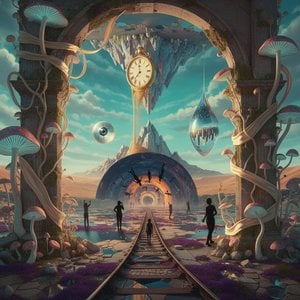
Dreamscapes & Disrupted Realities: Exploring Surrealism's Enduring Influence
Explore the fascinating world of Surrealism! Discover its origins, key artists like Dalí & Magritte, and enduring influence on art & culture. Expert insights & high-quality reproductions at ArtsDot.


