
- Hem

- Reproduktion av oljemålning
- jennings tofel
- Figures and Landscape

 Köp tryck Köp högupplöst digital bild
 Skicka
 Dela
Dela
 Details
 Lägg till i favoriter

 Ladda ner
 Liknande objekt
 X-Ray
X-Ray
 Bildspel
Figures and Landscape
 Expressionism
 1942
1942 61.0 x 51.0 cm
Handgjord oljereproduktion
Handmålad olja på duk i din valda storlek och ram, tillverkad efter beställning av våra konstnärer.




































 Läs mer
Välj bland våra förinställda storlekar som motsvarar konstverkets ursprungliga proportioner.

Du kan ange egna mått för att passa en specifik ram eller yta. Om den valda storleken inte matchar originalbildens proportioner kommer vi antingen att beskära konstverket eller utöka målningen med ytterligare handmålade element. En digital skiss skickas till dig för godkännande innan produktionen påbörjas.
Observera att förhandsvisningen på skärmen inte återspeglar den faktiska beskärningen eller utökningen. Endast skissen visar den slutgiltiga kompositionen korrekt.
Även om anpassade storlekar är möjliga, rekommenderar vi att du väljer en dimension från den fördefinierade listan för att bevara originalproportionerna.
Efter beställning kommer ArtsDot.com team att mejla kunden för instruktioner och tillhandahålla en skissförhandsvisning
Leverans över hela världen () på 3–4 veckor istället för standard 5 veckor. (1 juli). Inga kompromisser med kvaliteten.

Fri expressfrakt över hela världen

Högkvalitativ linnecanvas

Fullständig fraktförsäkring

Garantier för återbetalning av tullavgifter

Garantier för exakt färgåtergivning

60 dagars returrätt (endast vid fabrikationsfel)

100% pengarna tillbaka-garanti

Mängdrabatt erbjuds
 Glasalternativet är endast tillgängligt i storlekar under 110 cm.

Figures and Landscape
Teknik för reproduktion
Storlek på reproduktion
-


Slutgiltigt pris
-
Liknande konstverk


Konstnärsbiografi
Jennings Tofel: A Sculptor and Painter of Social Witness
Jennings Tofel (originally Idel Taflewicz), a name perhaps less familiar than many of his contemporaries, nevertheless stands as a significant figure in 20th-century American art. Born in Tomaszów Mazowiecki, Poland, in 1891, and immigrating to New York City with his family in 1905, Tofel’s life was shaped by displacement, hardship, and a profound engagement with the social realities of his time. His artistic journey, spanning decades and continents, reveals a persistent exploration of themes like labor, migration, and the complexities of the African American experience – all rendered through a distinctive blend of Expressionism, Social Realism, and a deeply personal visual language.
Tofel’s early years were marked by physical challenges. A childhood injury resulted in a permanently deformed shoulder, an impediment that profoundly influenced his artistic approach. Rather than shying away from this imperfection, he embraced it as a visible marker of human vulnerability, imbuing his figures with a palpable sense of struggle and resilience. This physicality is immediately apparent in works like “Comrades” (1943), a dynamic composition depicting laborers engaged in strenuous work – a testament to the enduring spirit of those who toiled under difficult conditions. The painting’s raw energy and intense color palette convey both the hardship and the camaraderie found within these communities.
His artistic development was shaped by a series of pivotal experiences, including two extended stays in Europe during the 1920s. These journeys provided him with exposure to European avant-garde movements while simultaneously reconnecting him with his Polish heritage. Returning to New York, Tofel established himself as a working artist, often residing in temporary spaces and relying on the support of patrons like Arthur Granick, who later compiled a comprehensive monograph documenting his career. His work during this period reflects a growing interest in social commentary, fueled by witnessing the struggles of immigrant communities and the rise of racial tensions within American society.
Thematic Concerns and Artistic Style
Tofel’s art is characterized by a potent combination of emotional intensity and formal innovation. He was deeply influenced by Expressionism, evident in his use of distorted forms, exaggerated gestures, and emotionally charged color palettes. However, unlike some of the more purely abstract Expressionists, Tofel remained firmly rooted in figurative representation, employing it to convey profound social and psychological truths. His figures are rarely idealized; instead, they are presented with a brutal honesty that confronts viewers with the realities of their circumstances.
A key element of his artistic vision is his engagement with the African American experience. Works like “Elegy” (1943) powerfully depict scenes of mourning and loss within Black communities, reflecting the devastating impact of racism and social injustice. The painting’s somber mood and carefully orchestrated composition evoke a sense of profound grief while simultaneously celebrating the resilience of the human spirit. His exploration of this subject matter was particularly significant during a time when mainstream American art largely overlooked or misrepresented the experiences of African Americans.
Furthermore, Tofel's work frequently grappled with themes of migration and displacement. His own experience as an immigrant profoundly shaped his artistic perspective, leading him to explore the challenges faced by those seeking new lives in a foreign land. The figures in “Strife” (1943), for example, embody the anxieties and uncertainties associated with navigating unfamiliar environments and confronting systemic barriers.
Key Works and Recognition
Among Tofel’s most notable works are "Comrades" (1943) and "Strife" (1943), both powerful depictions of labor and social struggle. “Elegy” (1943), a deeply moving portrayal of mourning, stands as one of his most emotionally resonant paintings. His sculpture, often characterized by its dynamic energy and expressive forms, further demonstrates his versatility as an artist.
Despite not achieving widespread fame during his lifetime, Tofel’s work has gained increasing recognition in recent years. A retrospective exhibition at the Zabriskie Gallery in New York in 1964 brought renewed attention to his oeuvre, and his art is now featured prominently in museum collections across the United States. The Artist's Gallery in New York continued to showcase his paintings until his death in 1959.
Legacy and Historical Significance
Jennings Tofel’s legacy lies not only in his individual artistic achievements but also in his commitment to using art as a vehicle for social commentary. His unflinching portrayal of the struggles faced by marginalized communities – particularly African Americans and immigrant laborers – offers a valuable counterpoint to more celebratory narratives of American progress. His work serves as a poignant reminder of the enduring challenges of inequality and injustice, urging viewers to confront uncomfortable truths and advocate for a more equitable society.
The Kenkeleba House in New York City, a unique museum dedicated to showcasing art from the African Diaspora, plays a crucial role in preserving and promoting Tofel’s legacy. The museum's collection highlights his contributions to the field of Social Realism Art, demonstrating his ability to capture the essence of human experience with both sensitivity and power.

jennings tofel
1891 - 1959
Kortfattad information
- Artistic Movement Or Style: Social realism, Expressionism
- Artists Or Movements Influenced By This Artist: ['Kenkeleba House']
- Artists Who Influenced This Artist:
- Oscar Bluemner
- Gaston Lachaise
- Date Of Birth: 18 Oct 1891
- Date Of Death: 7 Sep 1959
- Full Name: Jennings (Yehuda) Tofel
- Nationality: American
- Notable Artworks:
- Comrades
- Elegy
- At Cafe
- Place Of Birth: Tomaszów Mazowiecki, Poland
Relaterade artiklar

From Imagination to Canvas: Commissioning Bespoke Fantasy Art with Traditional Oil Painting Techniques
Commission breathtaking bespoke fantasy art with skilled oil painters. Explore techniques, artist selection & preservation tips. Invest in a unique masterpiece today!


Topp 10 ikoniska oljemålningar som förändrade konsthistorien – ArtsDot.com
Utforska de 10 mest ikoniska oljemålningarna som revolutionerade konsthistorien! Lär känna Monet, Van Gogh och Da Vinci. Hitta inspiration & köp museumkvalitativa reproduktioner på ArtsDot.com – för en tidlös inredning.

Definiera Hemmets Stil med Skräddarsydd Abstrakt Konst: En Studie i Personlig Inredning och Färgpalettens Betydelse
Definiera ditt hotells stil med skräddarsydd abstrakt konst från ArtsDot. Handmålade reproduktioner & expertkonsultation för en unik atmosfär. Investera i ett tidlöst mästerverk!
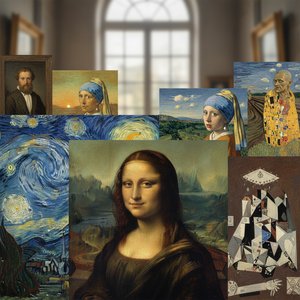
Topp 10 ikoniska oljemålningar som förändrade konsthistorien – ArtsDot.com
Utforska de 10 mest ikoniska oljemålningarna som revolutionerade konsthistorien! Lär känna Monet, Van Gogh, Da Vinci & Rembrandts mästerverk. Hitta inspiration och museumskvalitativa konsttryck på ArtsDot.com – för din inredning.

From Snapshot to Legacy: The Art of Commissioning a Hand-Painted Reproduction from Photography – Preserving Memories Through Oil Painting Techniques
Transform cherished photos into timeless oil paintings with skilled artists. Trusted for bespoke portraits & heirloom art. Discover the process, styles & lasting value – a legacy preserved.

