

 Förhandsvisa
 Skicka
 Dela
Dela
 Visa detaljer
 Guide
Guide

 Ladda ner
 Liknande objekt
 Röntgen
 Bildspel
 Frågor och svar
 Statistik
Epigrafi e Statue


 Visa mer
Giclée / Konsttryck
Giclée- eller canvasprint av museumskvalitet med snabb produktion och flexibla ytbehandlingsalternativ. ( Beställ handmålad reproduktion Byt till digital bild)




P118B Skr10

P118H Skr10

P118W Skr10

P438Z Skr10

P508JH Skr12

P508YH Skr12

P805H Skr10

P805Z Skr10

P919BZ Skr10

P919G Skr10

P919XJ Skr10

P959ZH Skr10

P968JZ Skr12

W106C Skr8

W218G Skr10

W218JH Skr8

W218Y Skr10

W307PJ Skr10

W316G Skr10

W316PJ Skr8

W316Y Skr10

W398PJ Skr8

W4111J Skr10

W500HY Skr15

W500JH Skr15

W692G Skr12

W849H Skr8

W940BG Skr15

W953PJ Skr8




Välj bland våra förinställda storlekar som motsvarar konstverkets ursprungliga proportioner.

Ange den bredd och höjd du behöver för att passa din ram eller vägg. Ett tryck kan endast beskäras, aldrig göras större än originalbilden, vilket innebär att ett format med en annan proportion leder till att en del av bilden går förlorad. Vi skickar en digital mockup för godkännande innan vi påbörjar tryckningen. Bilden som visas på denna sida visar inte den faktiska beskärningen — det är endast mockuppen som gör det.
Leverans över hela världen () på 2 veckor istället för standard 4/5 veckor. (4 november)

Fri expressfrakt över hela världen

Högkvalitativ linnecanvas

Fullständig fraktförsäkring

Garantier för återbetalning av tullavgifter

Garantier för exakt färgåtergivning

100 dagars returrätt (endast vid fel)

100% pengarna tillbaka-garanti

Mängdrabatt erbjuds
 Glasalternativet är endast tillgängligt i storlekar under 110 cm.

Epigrafi e Statue
Giclée / Konsttryck
Storlek på reproduktion
-


Slutgiltigt pris
Skr 632
Echoes of Antiquity: A Study in Renaissance Form
To gaze upon this preparatory drawing by Jacopo Bellini is to step directly into the vibrant, intellectual crucible of the early Italian Renaissance. It is not merely an image; it is a blueprint of genius—a tangible record of an artist wrestling with the monumental weight and exquisite potential of classical antiquity. Rendered in the delicate interplay of charcoal and ink upon aged paper, the composition presents three distinct sculptural visions: two majestic equestrian figures poised atop grand pedestals, alongside a solitary, standing form. The very air around these sketches seems charged with the ambition of creation, capturing Bellini’s profound dedication to mastering both the human figure and the architectural setting that frames it.
The Mastery of Line and Shadow
Technically, this piece is a masterclass in preparatory drawing. Bellini utilizes line not just to outline, but to construct volume. The charcoal lends a wonderfully tactile, almost dusty texture to the surface, suggesting the grit of the sculptor's workshop, while the sharp precision of the ink defines the architectural vocabulary—the clean lines of the plinths, the graceful curves of implied arches, and the musculature beneath drapery. Observe how light is suggested through meticulous shading; it falls across the imagined bronze or marble surfaces, giving these static drawings a startling sense of three-dimensional presence. This commitment to linear perspective ensures that every element, from the base to the crowning figure, feels anchored in believable space.
Symbolism and the Weight of Empire
The subject matter speaks volumes about the cultural currents of 15th-century Venice. The inclusion of equestrian statues immediately evokes themes of power, authority, and imperial patronage—the enduring legacy of Roman emperors whose forms Bellini so reverently studied. These figures are more than mere decoration; they are symbolic anchors connecting the burgeoning humanism of the Renaissance with the perceived glory of Rome. Furthermore, the accompanying inscriptions, though faded, serve as mnemonic devices, naming and titling these idealized subjects, grounding the artistic fantasy in historical narrative.
A Touch for the Modern Collector
For the discerning collector or designer whose aesthetic appreciates history imbued with intellectual rigor, this drawing offers unparalleled depth. It speaks to a time when art was inseparable from philosophy and engineering. Owning a reproduction of Bellini’s studies is not simply acquiring artwork; it is curating an atmosphere of scholarly elegance. Imagine this piece lending its quiet authority to a study or gallery—a constant, beautiful reminder that the greatest masterpieces begin with the most thoughtful sketch.
Frågor och svar
Från vilken period är "Epigrafi e Statue" av Jacopo Bellini?
"Epigrafi e Statue" tillhör den Renaissance epoken.
Hur mycket ljus verkar färgerna i "Epigrafi e Statue" reflektera?
Färgerna i "Epigrafi e Statue" har en Bright Balance luminans.
Vilket stämningsläge och vilken känsla uttrycker "Epigrafi e Statue" av Jacopo Bellini?
I "Epigrafi e Statue" möts man av en Calm stämning och en Reflective känsla.
Liknande konstverk


Konstnärsbiografi
Den venetianska pionjären inom renässansens perspektiv
Jacopo Bellini framstår som en central gestalt i den framväxande renässansstil som blomstrade i Venedig och norra Italien. Han var långt mer än blott en målare; han var en av sin eras grundläggande innovatörer, som formade konstnärliga sinnen genom en noggrann observation av naturen och en mästerlig integrering av linjärperspektiv – en teknik som tidigare i stort sett saknats inom den venetianska traditionen. Även om få av Bellinis ursprungliga dukar har överlevt till idag för att kunna betraktas i sin fulla glans, vilar hans djupa arv främst i hans utsökta skissböcker, såsom de som förvaras i British Museum och Louvren. Dessa teckningar avslöjar en djup fascination för vidsträckta landskapsvyer och intrikata arkitektoniska konstruktioner, vilket erbjuder ovärderliga inblickar i en konstnärlig process som förebådade de stilistiska revolutionerna under de århundraden som följde.
Född i Venedig omkring 1396, var Jacopos formativa år djupt präglade av den sena gotikens rika och dekorativa traditioner. Hans tidiga utbildning tyder på att han var elev till den berömda Gentile da Fabriano, en konstnär vars verkstad producerade några av epokens mest ambitiösa och utsmyckade fresker. Detta prestigefyllda förhållande instillade utan tvivel hos Bellini en livslång uppskattning för intrikata detaljer, färgharmoni och en viss dekorativ komplexitet. Under sin tidiga karriär var han verksam i Foligno mellan 1411 och 1412, där han samarbetade kring de monumentala freskerna i Palazzo Trinci, sida vid sida med just de mästare som definierade den internationella gotiska stilen.
En resa genom renässansens hjärta
En betydande vändpunkt inträffade när Bellini reste till Florens omkring 1423. Denna resa placerade honom i epicentrum av en intensiv period av konstnärligt experimenterande, ledd av storheter som Brunelleschi, Donatello och Masaccio. I Florens kom han i kontakt med den framväxande vetenskapen om linjärperspektiv, en upptäckt som fundamentalt skulle förändra hans inställning till rymd och djup. Genom att sammanföra den lyriska, dekorativa elegansen från sina venetianska rötter med den strukturella stringens och spatiala klarhet som de florentinska innovatörerna erbjöd, började Bellini skapa ett unikt visuellt språk. Denna syntes gjorde det möjligt för honom att röra sig bort från medeltidens platta, symboliska plan mot en mer omslutande, fönsterliknande skildring av världen.
Allt eftersom hans karriär fortskred blev Bellini en central figur i etablerandet av en familjedynasti som skulle dominera venetiansk konst i generationer. Hans inflytande var inte enbart personligt utan även pedagogiskt, då han förde vidare sina innovationer till sina söner, Gentile och Giovanni. Genom dem blommade fröna från hans experiment med ljus, landskap och perspektiv ut i den högrenässansprakt som förknippas med namnet Bellini. Hans arbete fungerade som en bro mellan det förflutnas ornamentala traditioner och framtidens humanistiska realism, vilket gjorde honom till en oumbärlig länk i den italienska konstens evolution.
Arv och historisk betydelse
Jacopo Bellinis historiska betydelse ligger i hans roll som en katalysator för förändring. Trots att mycket av hans produktion lever kvar i det intima mediet av tusch och penna, fungerar dessa skisser som en ritning för den venetianska renässansen. Hans förmåga att föreställa sig komplexa, mångskiktade landskap och matematiskt sammanhängande arkitekturer lade grunden för hans efterföljare att utforska den atmosfäriska skönheten i den venetianska lagunen. Att studera Bellini är att bevittna det exakta ögonblicket då konstnärens öga började bemästra illusionen av djup, vilket för alltid förändrade hur mänskligheten uppfattar den målade världen.

Jacopo Bellini
1396 - 1470 , Italien
Kortfakta
- Artistic Movement Or Style: Renässansen
- Artists Or Movements Influenced By This Artist: ['Masaccio']
- Artists Who Influenced This Artist: ['Gentile da Fabriano']
- Date Of Birth: Venedig, Italien (1396)
- Date Of Death: ca 1470
- Full Name: Jacopo Bellini
- Nationality: Italiensk
- Notable Artworks:
- Korsfästelsen i Verona-katedralen
- Madonna och barnet
- Place Of Birth: Venedig
Relaterade artiklar

Bronsålderns Mästerverk: 10 Skulpturer Som Förändrade Konsthistorien | ArtsDot
Upptäck 10 legendariska brons skulpturer som revolutionerade konsthistorien! Lär känna Rodin, Michelangelo och andra mästare. Köp museumkvalitativa repliker & hitta inspiration för din inredning på ArtsDot.com.

The Enduring Form: Exploring Themes & Techniques in Sculpture Across Historical Periods
Explore the rich history of sculpture from ancient masterpieces to contemporary innovations. Discover key techniques, influential artists & investment potential for discerning art collectors.
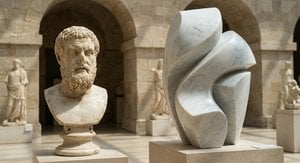
The Enduring Allure of Marble in Art History: From Classical Sculpture to Modern Abstraction
Explore the captivating history of marble sculpture from ancient Greece to modern art. Discover renowned artists like Canova & Michelangelo, carving techniques, and investment insights at ArtsDot.

10 Bronsskulpturer Som Förändrade Konsthistorien – Upptäck Mästerverken
Utforska 10 legendariska bronsmästerverk som revolutionerade konsten! Lär känna Michelangelo, Rodin och andra ikoniska skulptörer. Hitta inspiration & museumskvalitativa konsttryck på ArtsDot.com – för en tidlös inredning.

Jacopo Tintorettos 25 Mästerverk: Drama, Ljus och Renässansens Storhet – Konst för Ditt Hem
Utforska Jacopo Tintorettos 25 mest ikoniska målningar – en resa genom venetiansk renässans och dramatiskt ljusspel. Upptäck historierna bakom mästerverken och finn inspiration till din inredning med konsttryck av högsta kvalitet på ArtsDot.com.

