

- 640.0 x 400.0 cm


Bilden anpassas efter dina val: , .
Beskrivning av samlarobjekt
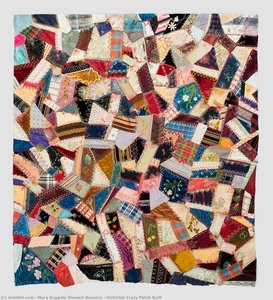
Explore Ibrahim Mahama’s ‘Chaley Wote,’ a monumental textile patchwork artwork – a vibrant celebration of craftmanship & global themes. A striking piece for art collectors.
Konstnärens biografi
Ibrahim Mahama är en ghanansk konstnär känd för sina monumentala installationer av återvunna tygkassar som utforskar globalisering, migration och postkolonialism. Hans verk utmanar synen på värde och rum med starka berättelser och samhällskommentarer.
 Visa mer
Handgjord oljereproduktion
Handmålad olja på duk i din valda storlek och ram, tillverkad efter beställning av våra konstnärer. ( Byt till tryck Byt till digital bild)
Detta konstverk är upphovsrättsligt skyddat
Konstverket som visas på denna sida skyddas av upphovsrättslagen, vilket innebär att vi inte lagligt kan skapa eller sälja en identisk reproduktion. Detta skydd upprätthålls genom internationella avtal såsom den Bernkonventionen och genom nationella lagar, inklusive de som fastställs av Amerikansk upphovsrättslag – Titel 17. Alla rättigheter förbehållna. Återgivning av konstverk är förbjuden utan skriftligt tillstånd från WahooArt.
Som ett respektfullt och lagligt alternativ erbjuder vi skräddarsydda, handmålade konstverk inspirerade av originalet. Våra skickliga och professionella konstnärer studerar noggrant originalets stil, stämning och konstnärliga essens för att skapa ett nytt, unikt verk som väcker samma känsla – samtidigt som det förblir en originell skapelse i egen rätt.
Denna metod följer fullt ut upphovsrättsliga regler eftersom den inte innebär kopiering eller duplicering av det skyddade konstverket. Istället är det en kreativ nytolkning – en ny målning som är influerad av originalet men inte identisk med det.
Mer om denna målning
 Förhandsvisa
 Skicka
 Dela
Dela
 Visa detaljer
 Guide
Guide

 Ladda ner
 Liknande objekt
 Röntgen
 Bildspel
 Frågor och svar
 Statistik
Beställ din målning i fyra enkla steg
Ta god tid på dig. Du kan ändra alla svar; priset i din varukorg uppdateras efter varje val.
1 Steg ett av fyra
Vilken storlek önskar du?
Dessa storlekar bibehåller originalmålningens proportioner. Illustrationen visar ditt val på en vägg, ovanför en två meter lång soffa.
Eller ange egna mått
Välj bland våra förinställda storlekar som motsvarar konstverkets ursprungliga proportioner.

Ange den bredd och höjd du behöver för att passa din ram eller din vägg. Eftersom detta är handmålat kan konstnären, vid ett annat format, måla lite mer runt bilden eller beskära den något – det är du som väljer. Vi skickar en digital mockup för godkännande innan målningen påbörjas. Bilden som visas på denna sida representerar inte det slutgiltiga resultatet — det är endast mockuppen som visar det.
2 Steg två av fyra
Hur ska den förberedas: rullad, uppspänd eller inramad?
Priserna nedan gäller för den storlek du valde i steg ett.
Välj kanter för den uppspända duken
Välj din ram

Vit kant Skr1

Suddig kantfinish Skr1

Fortsatt motiv Skr1

P118B Skr10

P118H Skr10

P118W Skr10

P438Z Skr10

P508JH Skr12

P508YH Skr12

P805H Skr10

P805Z Skr10

P919BZ Skr10

P919G Skr10

P919XJ Skr10

P959ZH Skr10

P968JZ Skr12

W106C Skr8

W218G Skr10

W218JH Skr8

W218Y Skr10

W307PJ Skr10

W316G Skr10

W316PJ Skr8

W316Y Skr10

W398PJ Skr8

W4111J Skr10

W500HY Skr15

W500JH Skr15

W692G Skr12

W849H Skr8

W940BG Skr15

W953PJ Skr8

H24-GOLD Skr30

H24-SILVER Skr30

H36-GOLD Skr45

H36-SILVER Skr45
Inramad
Profil: . Total storlek inklusive ram: .
3 Steg tre av fyra
Skulle du vilja ändra något i målningen?
De flesta svarar nej. Eftersom varje målning är handgjord kan vår konstnär även anpassa den efter dina önskemål.
Efter beställning kommer ArtsDot.com team att skicka ett e-postmeddelande till kunden för instruktioner och tillhandahålla en förhandsvisning av utkastet
4 Steg fyra av fyra
Några alternativ för ytbehandling
Alla är valfria. De svar som redan har valts kostar inget extra.
Vem är konstnären?
Leverans över hela världen () på 3–4 veckor istället för standard 5 veckor. (3 november). Inga kompromisser med kvaliteten.
En skylt, precis som på ett museum?
Detaljer för graverad bronsplatta
This elegant plaque features the artist's name and the title of the artwork, finely engraved for a timeless presentation.
It is made from bronze with a refined, elegant finish. The text is precisely laser-engraved for a sharp and permanent result. Measuring 9x2 cm, the plaque is compact yet easy to read. It's built to be durable and scratch-resistant, offering a professional, museum-quality look. Mounting is simple thanks to the included adhesive backing.
Detaljer för transparent akrylplatta
The plaque includes essential engraved details such as the artist's name, the title of the artwork, the date it was created, the type of media used-like oil on canvas or watercolor-a brief description of the piece, and a QR code that links to the complete artwork information.
It is crafted from clear acrylic, offering a sleek, modern appearance. The text is UV-engraved in black to ensure strong visual contrast. With a size of 10x15 cm, it ensures optimal readability. It comes equipped with two metal hooks for secure wall mounting. The plaque is designed to be weather-resistant, making it suitable for various environments, and it includes interactive features that work seamlessly with smartphone scanning.
Detaljer för svart akrylplatta
This elegant plaque includes engraved information such as the artist's name, the title of the artwork, the date it was created, the type of media used (like oil on canvas or watercolor), a short description of the artwork, and a QR code for quick access to more information.
The plaque itself is made from refined black acrylic with a premium finish. The text is laser-engraved in white for high contrast and readability. Its size is 10x15 cm, designed to be easy to read. It comes with two metal hooks for professional mounting. The design is sleek and fits any interior style. It is also weather-resistant and durable, with built-in digital integration for mobile compatibility.
Ett skyddande fernissa?
När behöver du den?
✓ Kontrollera och beställ
Din målning, precis som du beställt den

Chaley Wote
Reproduktionsmetod
Storlek på reproduktion
-

Elitkonstnär av högsta klass
Mer detaljrikedom, finess och extra produktionstid
-

Inramning av reproduktion
-
-
För konstverk eller reproduktioner som är större än 105 cm (cirka 41 tum) på någon sida, levereras ramen som ett isärplockat kit. Denna metod säkerställer en trygg leverans och förhindrar skador under transport.
Professionell montering krävs – detta är inte en produkt för självmontering.
Kitet måste monteras och duken spännas av en erfaren professionell inramare med hjälp av trälim (ingår ej), en spänntång för duk och klämmor för att hålla sargen rak medan limmet torkar. Felaktig montering eller ojämn spänning av duken kan orsaka permanenta skador på konstverket och täcks
 För konstverk eller reproduktioner som är större än 105 cm (cirka 41 tum) på någon sida, levereras ramen som ett isärplockat kit. Denna metod säkerställer en trygg leverans och förhindrar skador under transport.
Alla massiva träribbor ingår, exakt tillkapade efter mått.
Monteras med de medföljande skruvarna, samt trälim för hörnfogarna, vilket inte ingår och måste anskaffas av din ramverkare.
Professionella verktyg krävs och ingår ej: en dukspännare och klämmor för att hålla listerna raka medan limmet torkar.
Viktigt:
Hörnjunctionerna kräver trälim, listerna måste hållas på plats med tvingar tills limmet har torkat helt, och för att spänna duken på den monterade ramen krävs en spänntång för duk. Inget av detta ingår i kitet. Vänligen kontakta en erfaren professionell rammakare innan du beställer denna storlek.

Namnskylt
-
-

Skyddande fernissa
Glansig fernissa (förstärker färgerna, skyddar mot ljus och fukt)
-

Anpassa mitt konstverk
Exempel på vad som kan ändras: Byt ut ansiktet mot ett foto från kunden; Lägg till ett husdjur (t.ex. byt ut en katt mot en hund); Inkludera ett dolt meddelande i bakgrunden; Ändra bakgrundens landskap eller detaljer.
-

Expressleverans
Leverans över hela världen () inom 3–4 veckor istället för standardiserade 5 veckor. (3 november). Inga kompromisser med kvaliteten.
-
Expressleverans
Leverans över hela världen () inom 5 veckor. (10 november).
Ingår
Slutgiltigt pris
Skr 2640
Glasalternativet är endast tillgängligt i storlekar under 110 cm.
Ingår i varje beställning
- Fri expressfrakt över hela världen
- Högkvalitativ linnecanvas
- Fullständig fraktförsäkring
- Garantier för återbetalning av tullavgifter
- Garantier för exakt färgåtergivning
- 100 dagars returrätt (endast vid fel)
- 100% pengarna tillbaka-garanti
- Mängdrabatt erbjuds


Liknande konstverk



Ibrahim Mahama
1987 - , Ghana
Konstnärsbiografi
A Tapestry of Time: The Life and Art of Ibrahim Mahama
Born in Tamale, Ghana (1987), Ibrahim Mahama emerges as a pivotal figure in contemporary art—an artist whose work resonates with the weight of history, the pulse of globalization, and the enduring spirit of collective memory. Growing up within a large, polygamous family profoundly shaped his artistic trajectory, instilling a collaborative ethos that permeates every facet of his practice. This upbringing wasn’t merely a personal experience; it became a foundational element in how he approaches creation—not as an isolated act, but as a communal endeavor. His father, a civil engineer deeply involved in road construction, sparked an early fascination with industrial materials and the complex systems of labor that underpin modern infrastructure. These formative influences would later coalesce into Mahama’s signature aesthetic: monumental installations crafted from repurposed objects, imbued with layers of meaning and social commentary—a deliberate rejection of traditional artistic conventions. From a young age, he was drawn to the stories embedded within discarded materials, recognizing their potential to speak volumes about trade, migration, and the legacies of colonialism.Early Influences and Artistic Education
Mahama’s artistic journey began at Kwame Nkrumah University of Science and Technology (KNUST) in Kumasi—where he pursued a PhD in Fine Art. This academic grounding provided him with invaluable tools for analyzing cultural narratives and interrogating societal structures. Mentorship from educators like Kąrî'kạchä Seid'ou and the collective blaxTARLINES KUMASI further solidified his artistic philosophy, anchoring it in a critical engagement with post-colonial discourse and African modernism—a conscious effort to reclaim agency and redefine artistic expression within the context of historical oppression. These influences instilled in him a deep appreciation for materiality and craftsmanship, shaping his approach to creating art that is both intellectually stimulating and aesthetically captivating. He honed his skills in painting and sculpture, experimenting with diverse techniques and exploring themes of identity, memory, and social justice.The Language of Found Objects: A Distinctive Aesthetic
Mahama’s art is immediately recognizable for its distinctive material palette—a deliberate departure from conventional artistic practices. He eschews pristine canvases or sculpted marble; instead, he finds beauty and significance in the discarded remnants of urban life. Jute sacks – once used to transport commodities like cocoa, now bearing the marks of countless journeys – are perhaps his most iconic medium. These sacks, sourced primarily from local markets across Ghana, become the building blocks for large-scale installations that envelop architectural spaces—transforming them into immersive environments. But Mahama’s repertoire extends far beyond jute. He incorporates remnants of wood, paper documents, shoeboxes, school blackboards, and even old doors – each object carrying its own unique history and symbolic weight. His technique is equally compelling: sewing, patching, and layering these materials to create textured surfaces that invite tactile exploration and visual contemplation—a process he describes as “time travel,” a journey into the past through the tangible remnants of human activity. The resulting installations are not merely decorative; they’re deliberate provocations—challenging viewers to confront uncomfortable truths about exploitation, displacement, and the enduring legacies of colonial power.Monumental Installations and Collaborative Practice
Mahama’s monumental installations stand as powerful statements against consumer culture and economic inequality. He achieves this effect through a meticulous process of repurposing materials—often sourced from marginalized communities—and transforming them into breathtaking visual spectacles. His signature method involves draping buildings in jute sacks stitched together with a team of collaborators—a practice that embodies his belief in collective responsibility and artistic exchange. This collaborative ethos reflects his upbringing within a large family, where cooperation and interdependence were paramount—values that continue to inform his artistic vision. As he himself explains, “I used jute sacks because for me the history of crisis and failure is absorbed into the material. Their history speaks of how global transactions and capitalist structures work.” The resulting quilts are not simply aesthetically pleasing; they’re symbolic representations of resilience and cultural heritage—a testament to Mahama’s commitment to honoring tradition while embracing innovation.Recognition and Artistic Legacy
Mahama’s artistic impact extends far beyond the confines of galleries and museums—solidifying his place as a leading voice in contemporary African art and a vital contributor to the global artistic landscape. His work has been showcased at prestigious international venues, including the Biennale of Sydney, Documenta 14, Venice Biennale and Art Basel & UBS Artist of the Year Award—marking him as one of the most influential artists on his generation. He was ranked as the 14th most influential artist on ArtReview’s Power 100 list (2024)—a testament to his enduring relevance and artistic vision. His installations are held in significant public collections worldwide, demonstrating his ability to engage audiences across cultures—inspiring generations of artists to embrace collaboration, challenge conventions, and use their creativity as a force for social change. Ibrahim Mahama’s legacy will undoubtedly extend beyond his individual artworks—serving as an emblem of Ghana’s artistic dynamism and a beacon of inspiration for aspiring creatives everywhere.Relaterade artiklar

Mariano Fortuny: A Fusion of Art, Fashion & Design – Exploring a Venetian Innovator's Legacy
Explore the captivating world of Mariano Fortuny – artist, designer & innovator. Discover his revolutionary textiles, iconic Delphos gown, and lasting influence on art, fashion & interiors. A collector's guide to a Venetian master.

F.A.Q.: Storskaliga konstverk – En guide för kräsna samlare
guidar kräsna samlare genom valet av storskaliga konstverk. Upptäck exklusiva reproduktioner, anpassade beställningar och expertkonsultation för en lyxig heminredning.

Woven Wonders: A Beginner's Guide to Elevating Your New Home with Timeless Textile Art
Discover how to transform your new home with the warmth of textile art. Our expert guide for newlyweds explores handwoven tapestries, tactile fibers, and timeless ways to curate a soulful, sophisticated interior through beautiful woven wonders.