Visa i rummet
 Skicka
 Dela
Dela
 Detaljer
 Studentguide för konstverk

 Ladda ner
 Liknande objekt
 Röntgen
 Bildspel
 Besökstatistik
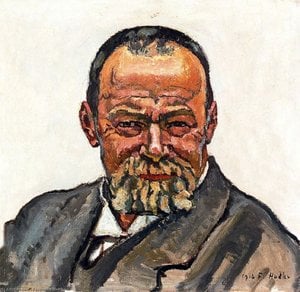
Figure study


 Läs mer
Giclée / Konsttryck
Giclée- eller canvasprint av museumskvalitet med snabb produktion och flexibla ytbehandlingsalternativ. ( Köp handmålat konstverk Byt till digital bildförsäljning)




P118B Skr10

P118H Skr10

P118W Skr10

P438Z Skr10

P508JH Skr12

P508YH Skr12

P805H Skr10

P805Z Skr10

P919BZ Skr10

P919G Skr10

P919XJ Skr10

P959ZH Skr10

P968JZ Skr12

W106C Skr8

W218G Skr10

W218JH Skr8

W218Y Skr10

W307PJ Skr10

W316G Skr10

W316PJ Skr8

W316Y Skr10

W398PJ Skr8

W4111J Skr10

W500HY Skr15

W500JH Skr15

W692G Skr12

W849H Skr8

W940BG Skr15

W953PJ Skr8




Välj bland våra förinställda storlekar som motsvarar konstverkets ursprungliga proportioner.

Ange den bredd och höjd du behöver, för att passa din ram eller din vägg. Ett tryck kan endast beskäras, aldrig göras större än bilden, vilket innebär att ett format med en annan formform leder till att en del av bilden går förlorad. Vi skickar en digital mockup för godkännande innan vi trycker något. Bilden som visas på denna sida visar inte den faktiska beskärningen — det är endast mockuppen som gör det.
Leverans över hela världen () på 2 veckor istället för standard 4/5 veckor. (21 oktober)

Fri expressfrakt över hela världen

Högkvalitativ linnecanvas

Fullständig fraktförsäkring

Garantier för återbetalning av tullavgifter

Garantier för exakt färgåtergivning

100 dagars returrätt vid fabrikationsfel

100% pengarna tillbaka-garanti

Mängdrabatt erbjuds
 Glasalternativet är endast tillgängligt i storlekar under 110 cm.

Figure study
Giclée / Konsttryck
Reproduktionsstorlek
-


Totalpris
Skr 610
A Study in Melancholy: Ferdinand Hodler’s “Figure Study”
Ferdinand Hodler's "Figure Study," a deceptively small watercolor painting measuring just 5 x 10 centimeters, is far more than a miniature portrait. Completed in 1899, it encapsulates the core of Hodler’s Symbolist aesthetic – a poignant exploration of human emotion and vulnerability rendered with an exquisite sensitivity to line and tone. The work depicts two male figures locked in what appears to be a struggle or perhaps a moment of intense contemplation. Their postures are subtly tense, their faces partially obscured, inviting viewers to project their own interpretations onto the scene. Hodler masterfully employs loose, expressive lines, eschewing rigid anatomical detail for a more fluid and emotionally charged representation. The painting’s power lies not in precise depiction but in its ability to evoke a sense of quiet melancholy – a feeling that resonates deeply within the viewer.
- Style & Movement: Rooted firmly in Symbolism, “Figure Study” reflects the broader artistic currents of late 19th-century Europe. Hodler’s style is characterized by its dreamlike quality and emphasis on subjective experience rather than objective reality.
- Technique: The watercolor medium itself contributes significantly to the painting's mood. Hodler utilizes layering washes, creating subtle tonal variations and a delicate sense of texture. Dry brush techniques add further definition to the figures’ forms while maintaining an overall fluidity.
The Symbolist Soul: Hodler’s Artistic Vision
Ferdinand Hodler's artistic journey was profoundly shaped by personal tragedy – the early deaths of his father and two brothers instilled within him a deep contemplation of mortality and the ephemeral nature of existence. This preoccupation with loss and vulnerability became a recurring theme in his work, informing his Symbolist approach to art. Unlike many of his contemporaries who sought to capture external reality, Hodler focused on conveying internal states – emotions, memories, and spiritual experiences. “Figure Study” exemplifies this shift, prioritizing emotional resonance over literal representation.
Hodler’s artistic philosophy, termed "parallelism," posited that repetition and pattern intensify experience, serving as a source of revelation. He believed that by observing the interconnectedness of things – the mirroring of forms, the recurrence of motifs – one could gain access to deeper truths about the human condition. This concept is evident in his meticulous compositional studies, where he often employed grids and symmetrical arrangements to explore the relationships between figures and their environment.
Historical Context & Hodler’s Legacy
Created in 1899, “Figure Study” emerged during a period of significant artistic experimentation and social upheaval. The Symbolist movement was challenging traditional notions of representation, while simultaneously grappling with the anxieties and uncertainties of the modern world. Hodler's work reflects this broader cultural context, offering a nuanced portrayal of human interaction within a rapidly changing society. He was part of a group of Swiss artists who sought to establish a distinctly national artistic identity, drawing inspiration from both European traditions and their own unique heritage.
Hodler’s influence extends far beyond Switzerland. His pioneering use of watercolor, his evocative imagery, and his exploration of psychological themes have resonated with artists across generations. He is considered a key figure in the development of modern art, paving the way for movements such as Expressionism and Surrealism. Reproductions of “Figure Study” continue to captivate audiences today, offering a glimpse into the profound emotional depth of this remarkable artist.
A Timeless Reflection: The Emotional Impact
“Figure Study” is not merely a depiction of two men; it’s an invitation to contemplate the complexities of human relationships and the enduring power of emotion. The painting's ambiguity – the uncertain nature of their interaction, the veiled expressions on their faces – encourages viewers to project their own feelings and experiences onto the scene. It evokes a sense of quiet introspection, prompting us to consider our own vulnerabilities and the ways in which we connect with others. The subdued palette and masterful use of line contribute to its haunting beauty, solidifying “Figure Study” as a timeless reflection on the human condition.
Frågor och svar
Vilket medium och vilka mått har "Figure study" av Ferdinand Hodler?
Originalet "Figure study" av Ferdinand Hodler är ett verk i Acrylic On Canvas med måtten 5 x 10 cm. Teknik och storlek beskriver det ursprungliga objektet.
Vilka färger dominerar "Figure study" av Ferdinand Hodler?
Färgidentiteten i "Figure study" av Ferdinand Hodler: en Neutrals-palett, dominerad av Putty (#e2dbc8).
Vilket användningsområde rekommenderas för "Figure study" av Ferdinand Hodler?
Det rekommenderade användningsområdet för ett tryck av "Figure study" är Statement.
Liknande konstverk


Om konstnären
A Life Etched in Symbolism: The World of Ferdinand Hodler
Ferdinand Hodler, ett namn som är intimt förknippat med den schweiziska målarscenen och det kraftfulla språket hos symbolismen, steg från beskedna början till att bli en av de mest betydelsefulla konstnärerna under det sena 1800-talet och tidiga 1900-talet. Född i Bern, Schweiz, år 1853, formades hans liv djupt av tidig förlust – ett återkommande tema som genomsyrade hans konstnärliga vision. De plågsamma dödsfallen till sin far och två yngre bröder innan han bara var tonåring kastade en lång skugga över honom, inställde en djup eftertanke om dödlighet och livets flyktighet. Dessa erfarenheter, sammanvävda med en skarp känsla för naturens skönhet och makt, blev centrala principer i hans utvecklande verk. Ursprungligen anställd som dekorationsmålare, överträffade Hodlers inneboende talang snart dessa gränser; han längtade efter formell utbildning och konstnärlig utforskning bortom de kommersiella begränsningarna. Detta strävande ledde honom till Genève år 1871, där han djupt sjönk ner i studier, deltog i vetenskapliga föreläsningar samtidigt som han noggrant kopierade mästerverk på stadens museum – en krävande utbildning som lade grunden för hans framtida innovationer.Från Realism till ‘Parallelism’: Formandet av en Unik Vision
Hodlers konstnärliga resa präglades av ständig utveckling och ett obevekligt strävan efter uttrycksfull kraft. Hans tidiga verk återspeglade den rådande realistiska stilen på sin tid – porträtt, landskap och genre scener utförda med noggrann detaljrikedom. Dock fann han snart sig begränsad av dessa konventioner, sökte ett sätt att förmedla djupare emotionella sanningar och filosofiska idéer. Detta strävande ledde honom mot symbolismen, en rörelse som förkastade naturalistisk representation till förmån för subjektiv upplevelse och suggestiva bilder. Trots detta antog Hodler inte bara symbolismens dogmer; istället skapade han sin egen unika väg, utvecklande vad han kallade “parallelism”. Denna distinkta stil innebar att figurer och former arrangerades i rytmiska, nästan geometriska mönster, vilket skapade en känsla av både harmoni och spänning – en visuell representation av sammanlänkningen mellan allt. Det var ett försök att inte bara *se* vad han såg, utan *känna* hur han kände – de underliggande emotionella strömmarna som förband alla ting. Nätterna (1890), en av hans mest berömda verk, markerade ett avgörande ögonblick och etablerade honom som en ledare inom europeisk konst. Hodlers stil utvecklades genom åren, och han experimenterade med olika tekniker och teman. Han studerade intensivt mästares verk, inklusive Holbein, Titian och Velázquez, och lånade element från impressionismen och postimpressionismen. Hans tidiga landskap var ofta inspirerade av den schweiziska alptopparnas majestät och fjällsjöarnas lugn, men han började snart att utforska mer abstrakta och symboliska idéer. Han använde ljus och färg på ett innovativt sätt för att förmedla känslor och atmosfär, och hans kompositioner blev ofta monumentala både i format och genom sin lugna storhet i uppfattningen.Landmärken i Målad: Nyckelveverk och Deras Betydelse
Under hela sin produktiva karriär skapade Hodler en anmärkningsvärd konstsamling som fortsätter att beröra publiken idag. Dagen (1893), ett av hans mest ambitiösa och berömda verk, står som ett bevis på hans tekniska skicklighet och symbolistiska vision. Huset i Zürich är en kraftfull meditation över liv, död och återfödelse, målad med en slående blandning av realism och visionär intensitet. Skalans och den emotionella tyngden hos Dagen cementerade Hodlers position som en ledande figur i europeisk konst. Andra betydande verk inkluderar ett stort antal skildringar av de schweiziska alperna, fyllda med en känsla av förundran över storhet, och porträtt som avslöjar hans djupa förståelse för mänsklig psykologi. Han återbesökte ofta teman om förlust och sorg, kanske som en reflektion över sina egna barndomstrauman, men alltid genom ett uttryck för värdighet och motståndskraft. Hans målningar var inte bara representationer; de var emotionella landskap, inbjudande betraktare att reflektera över livets grundläggande frågor. Verk som Sanning II (1897) visar hans förmåga att blanda klassiska former med moderna idéer och skapa bilder som är både tidlösa och slående samtida – ett bevis på hans innovativa anda.En Bestående Arv: Inverkan och Historisk Kontekst
Ferdinand Hodlers inverkan sträckte sig långt bortom Schweizens gränser. Hans innovativa användning av symbolism och hans utveckling av “parallelism” banade vägen för expressionismen, med dess betoning på subjektiv känsla och förvrängda former. Konstnärer som följde i hans fotspår erkände honom som en föregångare till sina egna utforskningar av inre upplevelser. Hodlers verk resonerade också med bredare kulturella strömningar under det sena 1800-talet och tidiga 1900-talet – en period präglad av snabba sociala förändringar, vetenskapliga framsteg och en växande känsla för existentiell oro. Hans målningar erbjöd ett visuellt språk för att hantera dessa komplexa frågor, och gav tröst och insikt i en alltmer osäker värld. Idag bevaras Hodlers verk i stora museer över hela Europa och bortom, vilket säkerställer att hans konstnärliga vision fortsätter att inspirera och utmana generationer av betraktare. Han förblir en framträdande figur i schweizisk konsthistoria, firad inte bara för sin tekniska skicklighet utan också för sin djupa emotionella djup och sitt engagemang för att utforska livets mysterier.Utforska Hodler vidare
- För en djupare titt på hans liv och verk: Wikipedia - Ferdinand Hodler
- Upptäck mer av hans målningar på: ArtsDot - Ferdinand Hodler Collection
- Se *Dagen* (1893) här: ArtsDot - The Day

Ferdinand Hodler
1853 - 1918 , Schweiz
Snabbfakta
- Artistic Movement Or Style: Symbolism, Parallelism
- Artists Or Movements Influenced By This Artist: ['Expressionism']
- Artists Who Influenced This Artist:
- Holbein
- Velázquez
- Date Of Birth: 1853-03-14
- Date Of Death: 1918-05-19
- Full Name: Ferdinand Hodler
- Nationality: Schweizisk
- Notable Artworks:
- Natt
- Dagen
- Självbild
- Place Of Birth: Bern, Schweiz
Relaterade artiklar

Akvarellens bestående dragningskraft: Historia, tekniker och samtida praktik
Utforska akvarellens fascinerande värld! Lär dig om dess historia, tekniker och samtida uttryck. Guider för nybörjare & inspiration från konstnärer.

Ephemeral Visions: Exploring the Artistic Legacy & Contemporary Practice of Watercolor Painting
Explore the captivating world of watercolor painting! Discover its rich history, essential techniques, influential artists & collecting tips. A comprehensive guide for art enthusiasts from ArtsDot.

10 Akvarellmästerverk som Förändrade Konsthistorien | ArtsDot
Utforska 10 legendariska akvarellmålningar av Turner, Monet & Sargent som revolutionerade konsten. Lär känna historien bakom varje mästerverk och hitta inspiration till din inredning. Köp reproduktioner på ArtsDot.com!

Ephemeral Visions: Exploring the Artistic Legacy & Nuances of Watercolor Painting
Explore the captivating world of watercolor painting! Discover its rich history, essential techniques, influential artists & collecting tips from art experts. A comprehensive guide for enthusiasts.

Ephemeral Visions: Exploring the History & Emotional Resonance of Watercolor Painting
Explore the captivating history of watercolor painting, from ancient techniques to modern masters like Kandinsky & Blake. Discover essential artists, collecting tips & the emotional power of this luminous medium. Expert insights for art enthusiasts.