

 Förhandsvisa
 Skicka
 Dela
Dela
 Visa detaljer
 Guide
Guide

 Ladda ner
 Liknande objekt
 Röntgen
 Bildspel
 Frågor och svar
 Statistik
Alterego

 Visa mer
Giclée / Konsttryck
Giclée- eller canvasprint av museumskvalitet med snabb produktion och flexibla ytbehandlingsalternativ. ( Beställ handmålad reproduktion Byt till digital bild)




P118B Skr10

P118H Skr10

P118W Skr10

P438Z Skr10

P508JH Skr12

P508YH Skr12

P805H Skr10

P805Z Skr10

P919BZ Skr10

P919G Skr10

P919XJ Skr10

P959ZH Skr10

P968JZ Skr12

W106C Skr8

W218G Skr10

W218JH Skr8

W218Y Skr10

W307PJ Skr10

W316G Skr10

W316PJ Skr8

W316Y Skr10

W398PJ Skr8

W4111J Skr10

W500HY Skr15

W500JH Skr15

W692G Skr12

W849H Skr8

W940BG Skr15

W953PJ Skr8




Välj bland våra förinställda storlekar som motsvarar konstverkets ursprungliga proportioner.

Ange den bredd och höjd du behöver för att passa din ram eller vägg. Ett tryck kan endast beskäras, aldrig göras större än originalbilden, vilket innebär att ett format med en annan proportion leder till att en del av bilden går förlorad. Vi skickar en digital mockup för godkännande innan vi påbörjar tryckningen. Bilden som visas på denna sida visar inte den faktiska beskärningen — det är endast mockuppen som gör det.
Leverans över hela världen () på 2 veckor istället för standard 4/5 veckor. (7 november)

Fri expressfrakt över hela världen

Högkvalitativ linnecanvas

Fullständig fraktförsäkring

Garantier för återbetalning av tullavgifter

Garantier för exakt färgåtergivning

100 dagars returrätt (endast vid fel)

100% pengarna tillbaka-garanti

Mängdrabatt erbjuds
 Glasalternativet är endast tillgängligt i storlekar under 110 cm.

Alterego
Giclée / Konsttryck
Storlek på reproduktion
-


Slutgiltigt pris
Skr 629
Liknande konstverk


Konstnärsbiografi
Erzsébet Korb: A Fleeting Flame of Hungarian Expressionism
Erzsébet Korb (1899-1925) remains a tragically underappreciated figure in the history of early 20th-century Hungarian art. Born in Budapest, her life was cut short at just twenty-six years old by cancer, leaving behind a remarkably potent body of work that powerfully captures the emotional turmoil and psychological depth characteristic of Expressionism, while simultaneously retaining a distinctly Hungarian sensibility. Despite a relatively brief career, Korb’s paintings – primarily portraits and landscapes – demonstrate a mastery of technique and a profound ability to convey vulnerability, isolation, and a haunting sense of melancholy.
Korb's artistic journey began under the tutelage of Oszkár Glatz at the Hungarian Academy of Fine Arts between 1917 and 1919. However, she quickly surpassed the academic constraints of the institution, seeking out the guidance of István Réti and later, Károly Patkó. This pursuit of a more individualistic approach proved pivotal, allowing her to develop a style that was both intensely personal and deeply rooted in the artistic currents of the time. Crucially, she spent a formative year studying in Italy (1924), absorbing the influence of Italian masters while simultaneously retaining her own unique vision. This period marked a significant shift towards a more mature and confident artistic voice.
The Raw Emotion of Portraiture
Korb’s most celebrated work lies within her portraits, where she fearlessly explored the complexities of human emotion. Her ‘Portrait of a Woman’ (circa 1920s), a striking example of this genre, is immediately arresting due to its raw emotional honesty. Thick impasto, bold lines, and the use of melancholic blues create an atmosphere of vulnerability and quiet despair. The subject's gaze seems to pierce through the canvas, inviting the viewer into her innermost thoughts and feelings. Similarly, ‘Seated Woman’ (1920s) is a dramatic depiction of isolation and suffering. The figure, rendered with stark lines and intense colors, embodies profound emotional distress – a testament to Korb's ability to translate psychological states onto canvas.
These portraits are not merely representations of likeness; they are explorations of the human condition. Korb’s technique—characterized by dynamic brushstrokes and an almost sculptural use of paint—heightens the sense of drama and immediacy, drawing the viewer into a deeply personal experience. The deliberate distortion of features and the unsettling color palettes contribute to the overall feeling of unease and psychological intensity.
Symbolist Landscapes and Dramatic Visions
While her portraits are arguably her most enduring legacy, Korb’s landscapes also reveal a remarkable talent for capturing atmosphere and emotion. ‘Revelation,’ painted in 1920, exemplifies this skill. This Symbolist oil painting depicts Christ and his disciple, rendered with dramatic lighting, dynamic lines, and rich color – evoking a sense of spiritual intensity and profound mystery. The composition is deliberately unsettling, reflecting the themes of sacrifice and redemption central to the biblical narrative.
Her landscapes often possess a dreamlike quality, imbued with symbolic meaning and an underlying current of melancholy. She frequently employed dark colors and distorted perspectives to create a sense of unease and disorientation, mirroring the emotional turmoil she so powerfully conveyed in her portraits. These works demonstrate a willingness to experiment with form and color, pushing beyond traditional landscape conventions.
A Legacy Cut Short
Erzsébet Korb’s career was tragically curtailed by illness at the young age of twenty-six. Despite her brief time as an artist, she left behind a body of work that is both intensely personal and remarkably powerful. Her paintings—characterized by their raw emotion, masterful technique, and distinctive Hungarian sensibility—continue to resonate with viewers today. She stands as a poignant example of a brilliant talent extinguished too soon, leaving behind a legacy that deserves greater recognition within the broader context of early 20th-century European art.
Further exploration of her work can be found at Portrait Of A Woman, Revelation and Seated Woman.

Erzsebet Korb
1899 - 1925 , Hungary
Kortfakta
- Full Name: Erzsébet Korb
- Nationality: Hungarian
- Date Of Birth: 1899
- Date Of Death: 1925
- Place Of Birth: Budapest, Hungary
- Notable Artworks:
- Portrait of a Woman
- Revelation
- Seated Woman
- Artistic Movement Or Style: Expressionism, Symbolism
- Artists Who Influenced This Artist:
- Oszkár Glatz
- István Réti
- Artists Or Movements Influenced By This Artist:
- Aba-Novák
- Szőnyi
Relaterade artiklar

Olja på dukens bestående arv: Teknik, historia och samtida praktik
Utforska oljemåleriets rika historia och tekniker – från renässansens mästare till dagens konstnärer. Lär dig om material, metoder och konservering för att bevara konsten.

The Enduring Legacy of Oil on Canvas: Technique, History & Aesthetic Impact
Explore the rich history & techniques of oil painting – from Renaissance masters to Impressionism. Discover pigments, layering methods, and why this timeless medium endures. Expert insights for artists & art enthusiasts.

Topp 10 ikoniska oljemålningar som förändrade konsthistorien – ArtsDot.com
Utforska de 10 mest ikoniska oljemålningarna som revolutionerade konsthistorien! Lär känna Monet, Van Gogh och Da Vinci. Hitta inspiration & köp museumkvalitativa reproduktioner på ArtsDot.com – för en tidlös inredning.
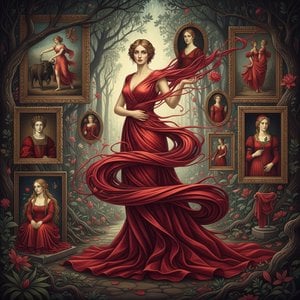
Crimson Threads of Narrative: Exploring Symbolism & Representation in Artworks Featuring the Red Dress
Explore the rich symbolism of the red dress in art history! From ancient power displays to iconic portraits like Cézanne’s 'Madame Cezanne', discover the cultural and artistic significance behind this captivating color. Expert analysis & insights.

Olja på duk: En tidlös teknik – Historik, process och konstnärliga möjligheter
Utforska oljemålningskonsten! Lär dig om flamländsk teknik, materialval och historisk utveckling. Expertguider för både nybörjare och erfarna konstnärer – bevara dina målningar med bästa praxis.