

 Förhandsvisa
 Skicka
 Dela
Dela
 Visa detaljer

 Ladda ner
 Liknande objekt
 Röntgen
 Bildspel
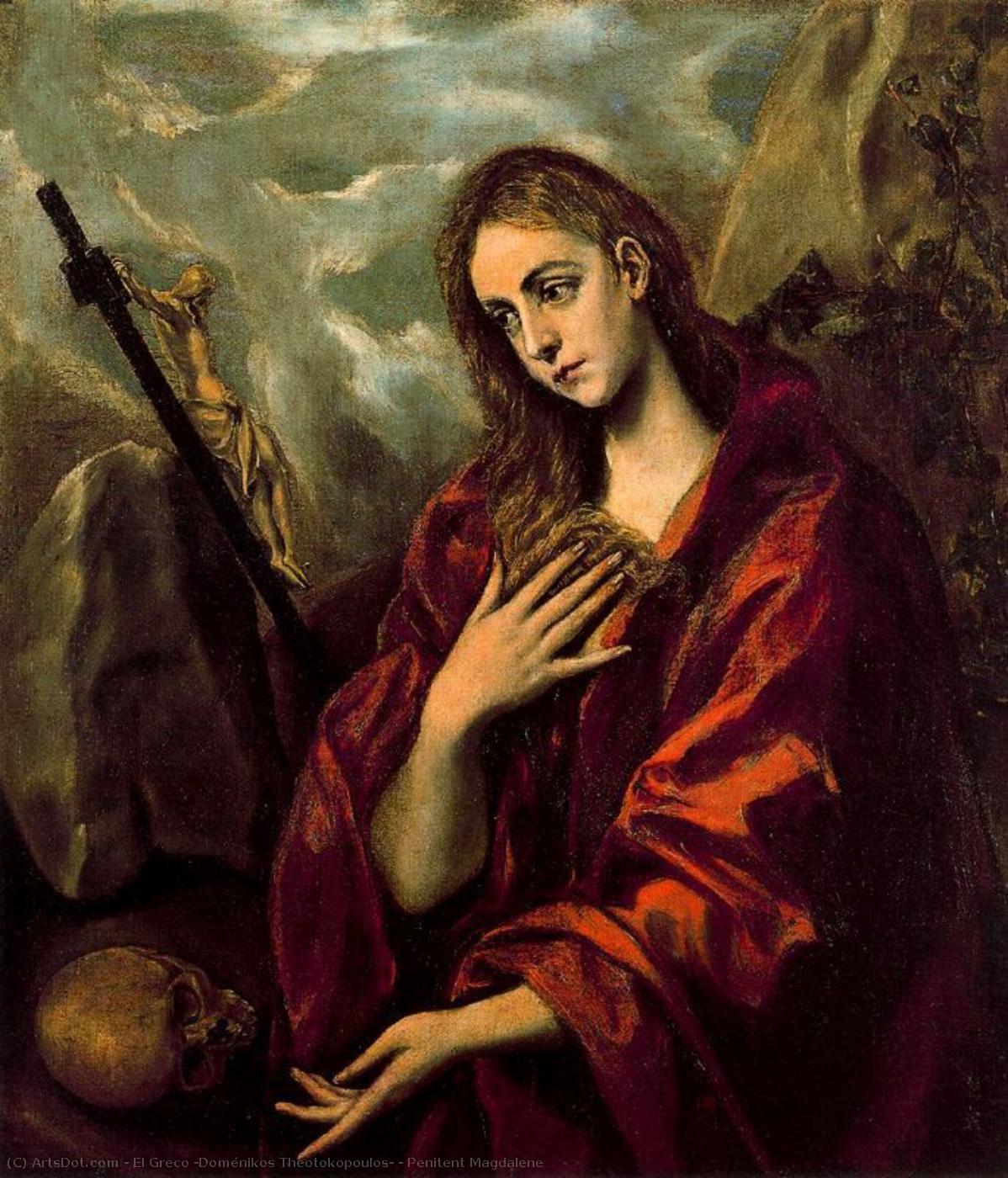
Penitent Magdalene
 Olja på duk
- Väggkonst
- Late Renaissance Mannerism
 1590
1590- Renässansen
 109.0 x 96.0 cm
 Cau Ferrat Museum
 Visa mer
Giclée / Konsttryck
Giclée- eller canvasprint av museumskvalitet med snabb produktion och flexibla ytbehandlingsalternativ. ( Beställ handmålad reproduktion Köp högupplöst bild)




P118B $10

P118H $10

P118W $10

P438Z $10

P508JH $12

P508YH $12

P805H $10

P805Z $10

P919BZ $10

P919G $10

P919XJ $10

P959ZH $10

P968JZ $12

W106C $8

W218G $10

W218JH $8

W218Y $10

W307PJ $10

W316G $10

W316PJ $8

W316Y $10

W398PJ $8

W4111J $10

W500HY $15

W500JH $15

W692G $12

W849H $8

W940BG $15

W953PJ $8




Välj bland våra förinställda storlekar som motsvarar konstverkets ursprungliga proportioner.

Du kan ange egna mått för att passa en specifik ram eller yta. Om det valda måttet inte överensstämmer med originalbildens proportioner kommer vi antingen att beskära konstverket eller utöka bilden med en speglad eller enfärgad kant. En digital mockup skickas för ditt godkännande innan produktionen påbörjas.
Vänligen notera att förhandsvisningen på skärmen inte återspeglar den faktiska beskärningen eller utökningen. Endast mockuppen visar den slutgiltiga kompositionen korrekt.
Även om anpassade storlekar är möjliga, rekommenderar vi att du väljer ett mått från den fördefinierade listan för att bevara de ursprungliga proportionerna.
Leverans över hela världen () på 2 veckor istället för standard 4/5 veckor. (15 augusti)

Fri expressfrakt över hela världen

Högkvalitativ linnecanvas

Fullständig fraktförsäkring

Garantier för återbetalning av tullavgifter

Garantier för exakt färgåtergivning

60 dagars returrätt (endast vid fabrikationsfel)

100% pengarna tillbaka-garanti

Mängdrabatt erbjuds
 Glasalternativet är endast tillgängligt i storlekar under 110 cm.

Penitent Magdalene
Giclée / Konsttryck
Storlek på reproduktion
-


Slutgiltigt pris
$ 62
Om samlarobjektet
Introduction to El Greco and The Penitent Magdalene
El Greco (Doménikos Theotokopoulos), born in Crete, was a Greek painter, sculptor, and architect of the Spanish Renaissance. He is renowned for his unique style that combines elements of Byzantine, Italian, and Spanish art. One of his most famous works, The Penitent Magdalene, is an exceptional example of his mastery in capturing emotion and spirituality.Details of The Penitent Magdalene
Created around 1580-1585, The Penitent Magdalene is an oil on canvas painting measuring approximately 39 x 31 inches (100 x 79 cm). This masterpiece showcases El Greco's innovative style and his ability to convey deep emotion through the use of color, light, and composition.Style and Analysis
The Penitent Magdalene is a powerful representation of Mary Magdalene in a state of deep penitence. El Greco's elongated figures, dramatic lighting, and vivid colors create an intense emotional atmosphere that draws the viewer into the scene. The artist's use of chiaroscuro (strong contrast between light and dark) highlights the figure of Mary Magdalene, making her the focal point of the composition. The painting is characterized by its dynamic movement, with Mary Magdalene's body twisting in a spiral as she turns away from worldly pleasures towards a life of devotion to God. Her facial expression and posture convey a profound sense of remorse and introspection, inviting the viewer to reflect on their own spiritual journey.Location and Significance
Originally created for private devotion, The Penitent Magdalene is now part of the permanent collection at the Nelson-Atkins Museum of Art in Kansas City, Missouri. This painting is considered one of El Greco's most important works and serves as a testament to his artistic genius and his ability to convey complex emotions through visual art.Conclusion
In conclusion, The Penitent Magdalene by El Greco is an exceptional example of Renaissance art that showcases the artist's unique style and mastery in capturing emotion and spirituality. This painting serves as a powerful reminder of the human capacity for transformation and redemption, making it a must-see for anyone interested in art, history, or spirituality.Discover More Masterpieces at ArtsDot.com
At ArtsDot.com, you can explore a wide range of hand-made oil painting reproductions, including works by El Greco and other renowned artists. Our team of expert artisans is dedicated to bringing these masterpieces to life with meticulous attention to detail and unmatched craftsmanship.- Explore our collection: Browse through our extensive catalog of oil painting reproductions, featuring works from various periods and styles.
- Customize your order: Choose the size, frame, and other customization options to make your artwork truly unique.
- Experience exceptional quality: Our team of expert artisans uses only the finest materials and techniques to create stunning reproductions that capture the essence of the original works.
Liknande konstverk


Konstnärsbiografi
Doménikos Theotokópoulos, Known As El Greco – A Life Forged in Faith and Fire
Doménikos Theotokópoulos, universally recognized as El Greco – “the Greek” – stands apart from his contemporaries as a painter whose life and artistic output defied easy categorization. Born in Crete, Greece, around 1541, during the Venetian dominion of the island, his artistic journey unfolded across Venice and Rome before ultimately finding its most profound expression within the spiritual landscape of Spain: Toledo. El Greco wasn’t merely shaped by these locations; he synthesized their diverse influences into a singular style—one that foreshadowed the emotive fervor of Expressionism and the fragmented forms characteristic of Cubism centuries ahead of time. His formative years immersed in Byzantine iconography instilled within him meticulous attention to detail and an instinctive grasp of religious symbolism, grounding his artistic endeavors. Yet, he refused to be confined by tradition; he boldly embraced innovation, propelling himself beyond established conventions. He signed his canvases with Greek lettering – “Krḗs” – signifying his Cretan heritage—a defiant assertion of identity as he ventured into uncharted artistic territories. The genesis of El Greco’s distinctive style wasn't solely rooted in technique but also nurtured by the fervent religious fervor permeating Crete and invigorated by the opulent artistry emanating from Venice.From Venetian Influence to Roman Exposure – A Transformation
Around 1567, El Greco relocated to Venice, initiating a pivotal phase of artistic maturation. Surrounded by luminaries like Titian, Tintoretto, and Veronese—masters who perfected color palettes, compositional strategies, and dramatic illumination—he absorbed their expertise with unwavering dedication. He deliberately loosened his brushstrokes, embracing the sensual richness of oil paint and injecting dynamism into his depictions of figures. This Venetian imprint is palpable in early works such as *St. Sebastian* (1600), where anatomical precision merges seamlessly with theatrical lighting, creating a mesmerizing visual experience. Subsequently, his sojourn in Rome exposed him to Mannerism—a stylistic movement characterized by elongated proportions, distorted perspectives, and sophisticated arrangements—though he struggled to gain widespread acclaim within the competitive Roman artistic milieu. Despite encountering challenges in establishing himself as a celebrated artist, El Greco’s exploration of Mannerist principles undeniably broadened his artistic horizons.A Singular Style – Long Lines and Intense Emotion
El Greco's artistic style is instantly recognizable—a stylistic hallmark that continues to resonate with audiences today. His figures are frequently rendered with elongated proportions, their bodies contorted in poses conveying profound spiritual ecstasy or agonizing sorrow. This isn’t mere stylistic embellishment; it’s a deliberate attempt to transcend the physical realm and portray intangible realities—the unseen forces shaping human experience. He skillfully manipulated color—often employing hues far removed from naturalistic representations—to amplify emotional impact, mirroring the fervor of his subject matter. Dramatic lighting—characterized by stark contrasts between illumination and darkness—creates a theatrical atmosphere, drawing viewers into the core of the depicted scene and intensifying its emotive power. *The Burial of the Count of Orgaz* (1586-1588), arguably El Greco’s magnum opus, exemplifies these stylistic elements flawlessly. This monumental painting portrays a miraculous event – the ascension of saints to bury a pious nobleman—with remarkable realism interwoven with ethereal figures embodying divine intervention. It stands as testament to his ability to fuse meticulous observation with visionary imagination.Toledo and Spiritual Depth
El Greco’s artistic trajectory culminated in his relocation to Toledo in 1577, coinciding with the ascendancy of the Counter-Reformation—a period marked by fervent religious devotion within Spain. This environment fostered both patronage and an atmosphere conducive to El Greco's deeply spiritual artistic endeavors. He channeled his convictions into canvases imbued with palpable emotion and symbolic resonance, reflecting a profound detachment from conventional aesthetic norms. His oeuvre expanded considerably during this time, producing iconic works that cemented his legacy as one of the foremost artists of his era.Legacy and Recognition – A Pioneer Ahead Of His Time
Despite encountering difficulties gaining widespread recognition during his lifetime—primarily due to stylistic divergences from prevailing artistic trends—El Greco’s genius was belatedly acknowledged in the 20th century. Artists like Picasso and Braque recognized him as a precursor to modern art, particularly Cubism, admiring his distorted forms and unconventional perspectives. His expressive style captivated Expressionists who sought to convey emotional intensity through bold colors and dramatic compositions. Today, El Greco is revered as one of the most influential figures in Western artistic history—a visionary painter whose work continues to inspire awe and provoke contemplation centuries after its creation. He remains a beacon of artistic innovation, demonstrating that true artistry transcends temporal boundaries and speaks directly to the human spirit’s yearning for transcendence.
El Greco
1541 - 1614 , Griechenland
Kortfakta
- Artistic Movement Or Style: Mannerism och Barock
- Artists Who Influenced This Artist:
- Titian
- Tintoretto
- Date Of Birth: 1541
- Date Of Death: 1614
- Full Name: Doménikos Theotokópoulos
- Nationality: Grekisk-Spansk
- Notable Artworks:
- Burial av räknaren Orgaz
- Vy över Toledo
- El Espolio
- Heliga Sebastian
- Place Of Birth: Crete, Greece
Relaterade artiklar

El Grecos 25 Mästerverk: En Konsthistorisk Resa för Hemmet & Själens Frid
Utforska El Grecos 25 mest ikoniska tavlor! Fördjupa dig i spansk renässanskonst, dramatik och sakrala motiv. Köp högkvalitativa konsttryck & inred med tidlösa mästerverk från ArtsDot.com.

El Greco: Spirituality, Style & Innovation – A Renaissance Master's Legacy
Explore the captivating world of El Greco! Discover his unique style, spiritual intensity, and lasting impact on art history. Learn about this Renaissance master's life, iconic paintings & legacy.

Prados Mästverk: Topp 25 Konstverk för Hemmet & Själens Nöje
Upptäck de 25 mest ikoniska konstverken på Prado i Madrid! Lär känna Velázquez, Goya och El Greco. Inspireras av barockens mästerverk & hitta din perfekta tavla för hemmet hos ArtsDot.com.

José Gutiérrez Solana: A Chronicle of Spanish Society Through Expressionist Vision
Explore the captivating world of José Gutiérrez Solana, a pivotal Spanish Expressionist painter. Discover his haunting depictions of early 20th-century Spain, influenced by Goya & El Greco. Learn about his key works and lasting legacy.

Mannerismens Mästerverk: Topp 10 Konstverk som Definierade Epoken – ArtsDot.com
Utforska manierismens 10 mest ikoniska konstverk – Pontormo, Rosso Fiorentino & El Greco. Lär känna historien bakom dessa mästerverk och deras unika stil. Köp museumkvalitativa reproduktioner på ArtsDot.com och förvandla ditt hem med klassisk italiensk renässanskonst.



