

 Visa i rummet
 Skicka
 Dela
Dela
 Detaljer
 Guide
Guide

 Ladda ner
 Liknande objekt
 Röntgen
 Bildspel
 Besökstatistik
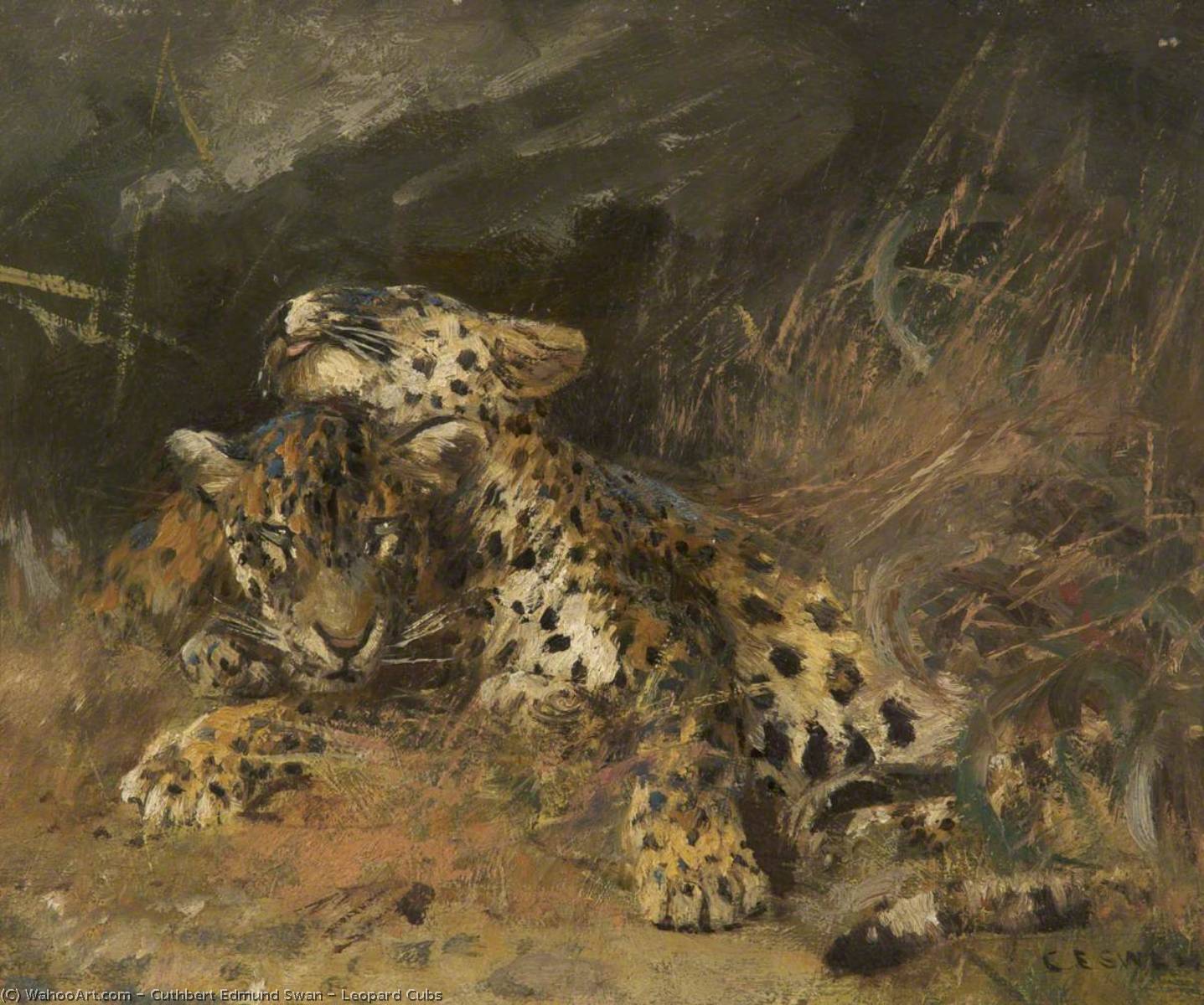
Leopard Cubs
 19.0 x 24.0 cm
 Läs mer
Giclée / Konsttryck
Giclée- eller canvasprint av museumskvalitet med snabb produktion och flexibla ytbehandlingsalternativ. ( Köp handmålat konstverk Byt till digital bildförsäljning)




































Välj bland våra förinställda storlekar som motsvarar konstverkets ursprungliga proportioner.

Du kan ange egna mått för att passa en specifik ram eller yta. Om det valda måttet inte överensstämmer med originalbildens proportioner kommer vi antingen att beskära konstverket eller utöka bilden med en speglad eller enfärgad kant. En digital mockup skickas för ditt godkännande innan produktionen påbörjas.
Vänligen notera att förhandsvisningen på skärmen inte återspeglar den faktiska beskärningen eller utökningen. Endast mockuppen visar den slutgiltiga kompositionen korrekt.
Även om anpassade storlekar är möjliga, rekommenderar vi att du väljer ett mått från den fördefinierade listan för att bevara de ursprungliga proportionerna.
Leverans över hela världen () på 2 veckor istället för standard 4/5 veckor. (23 september)

Fri expressfrakt över hela världen

Högkvalitativ linnecanvas

Fullständig fraktförsäkring

Garantier för återbetalning av tullavgifter

Garantier för exakt färgåtergivning

100 dagars returrätt vid fabrikationsfel

100% pengarna tillbaka-garanti

Mängdrabatt erbjuds
 Glasalternativet är endast tillgängligt i storlekar under 110 cm.

Leopard Cubs
Giclée / Konsttryck
Reproduktionsstorlek
-


Totalpris
$ 62
Liknande konstverk


Om konstnären
Cuthbert Edmund Swan (1870 - 1931): A Pioneer of Zoological Art
Cuthbert Edmund Swan was born in Ballyragget, Co Kilkenny, Ireland, on June 26th, 1870. He descended from a family steeped in artistic tradition; his father, John Macallan Swan, R.A., was himself a celebrated painter and sculptor known for his evocative depictions of Scottish landscapes and wildlife—a lineage that profoundly shaped Cuthbert’s own artistic sensibilities. From an early age, Swan demonstrated exceptional talent for drawing and painting animals, fostering a lifelong fascination with the natural world and its representation in art. His formative years were spent honing his skills at Seaford College, Sussex, preparing him for a distinguished academic career. Swan embarked on his artistic journey by studying at the Académie Julien in Paris—a pivotal moment that exposed him to the burgeoning Impressionist movement and cemented his commitment to capturing fleeting moments of beauty and emotion. This immersion in Parisian art culture instilled within him a stylistic approach characterized by luminous color palettes, loose brushstrokes, and an emphasis on atmospheric perspective – techniques he would consistently employ throughout his prolific artistic output. Returning to London after his studies, Swan established himself as a teacher at the Central School of Arts and Crafts, specifically focusing on animal drawing—a vocation that allowed him to transmit his passion for zoological art to aspiring artists and contribute to the burgeoning field of natural history illustration. Swan’s artistic career blossomed during the Victorian era, coinciding with a surge in interest in scientific observation and artistic representation of animals. He joined the Feline School alongside Walter Sickert, Lucien Pissarro, and Robert Bevan—artists who shared his dedication to capturing the essence of animal behavior and appearance with remarkable accuracy. This collaborative environment nurtured Swan’s artistic vision and propelled him toward producing masterpieces that continue to resonate with audiences today. His distinctive style – marked by meticulous detail combined with expressive brushwork – distinguished him from many of his contemporaries, establishing him as a singular voice within the Victorian art landscape. Swan's prolific output spanned over six decades, resulting in approximately 66 exhibitions at the Royal Academy and numerous other venues across England and France. Among his most celebrated works are “Duke - a study of a lion,” “Jaguars at Play,” and “Puma and cubs”—paintings that exemplify his mastery of animal portraiture and his ability to convey both scientific observation and artistic emotion simultaneously. These pieces reside in prominent collections, including Birmingham Museum and Art Gallery and Llandudno Museum—testaments to Swan’s enduring legacy as a pioneering figure in zoological art. Swan's influence extended beyond the realm of painting; he served as a teacher at the Central School of Arts and Crafts for many years, nurturing generations of artists who would carry forward his artistic vision. His brother Edwin Swan was also a portrait painter—a familial connection that further solidified their shared commitment to artistic excellence. Cuthbert Edmund Swan died peacefully in Hampstead, London, on November 2nd, 1931, leaving behind an impressive body of work that continues to inspire admiration and scholarly study. His legacy as one of Britain’s foremost animal painters remains secure within the annals of art history.- Notable Exhibitions: Royal Academy (66 times), Paris Salon
- Museum Collections: Birmingham Museum and Art Gallery, Llandudno Museum
- Influential Collaborators: Walter Sickert, Lucien Pissarro, Robert Bevan

cuthbert edmund swan
1870 - 1931
Snabbfakta
- Artistic Movement Or Style: Animal Painting
- Artists Or Movements Influenced By This Artist:
- Walter Sickert
- Lucien Pissarro
- Artists Who Influenced This Artist: ['John Macallan Swan']
- Date Of Death: 1931
- Full Name: Cuthbert Edmund Swan
- Nationality: Irish
- Notable Artworks:
- Duke - a study of a lion
- Tiger with Prey
- Leopard Cubs
- Place Of Birth: Ballyragget, Co Kilkenny, Ireland