


 Visa i rummet
 Skicka
 Dela
Dela
 Detaljer

 Ladda ner
 Liknande objekt
 Röntgen
 Bildspel
Postcard


 Läs mer
Handgjord oljereproduktion
Handmålad olja på duk i din valda storlek och ram, tillverkad efter beställning av våra konstnärer. ( Beställ tryck Byt till bild)




































Välj bland våra förinställda storlekar som motsvarar konstverkets ursprungliga proportioner.

Du kan ange egna mått för att passa en specifik ram eller yta. Om den valda storleken inte matchar originalbildens proportioner kommer vi antingen att beskära konstverket eller utöka målningen med ytterligare handmålade element. En digital skiss skickas till dig för godkännande innan produktionen påbörjas.
Observera att förhandsvisningen på skärmen inte återspeglar den faktiska beskärningen eller utökningen. Endast skissen visar den slutgiltiga kompositionen korrekt.
Även om anpassade storlekar är möjliga, rekommenderar vi att du väljer en dimension från den fördefinierade listan för att bevara originalproportionerna.
Efter beställning kommer ArtsDot.com team att mejla kunden för instruktioner och tillhandahålla en skissförhandsvisning
Leverans över hela världen () på 3–4 veckor istället för standard 5 veckor. (7 augusti). Inga kompromisser med kvaliteten.

Fri expressfrakt över hela världen

Högkvalitativ linnecanvas

Fullständig fraktförsäkring

Garantier för återbetalning av tullavgifter

Garantier för exakt färgåtergivning

60 dagars returrätt (endast vid fabrikationsfel)

100% pengarna tillbaka-garanti

Mängdrabatt erbjuds
 Glasalternativet är endast tillgängligt i storlekar under 110 cm.

Postcard
Tryckteknik
Reproduktionsstorlek
-


Totalpris
$ 263
Liknande konstverk


Om konstnären
Antoni Wajwód: A Polish Voice in the Dawn of Modern Graphic Design
Antoni Wajwód, a name perhaps less familiar than many of his contemporaries, represents a crucial and quietly powerful voice within 1930s Poland. Born around 1905 – the exact year remains shrouded in some obscurity – and tragically lost to the horrors of World War II in 1944, Wajwód’s life was cut short, yet his artistic legacy continues to resonate through his distinctive graphic design and evocative artwork. He emerged from a period of significant cultural ferment in Poland, grappling with the complexities of modernity while retaining a deep connection to traditional symbolism and folklore. His work is a fascinating blend of influences – Art Deco's streamlined elegance, the burgeoning spirit of Polish national identity, and a subtle, almost melancholic introspection that speaks volumes about his era.Early Years and Artistic Training
Wajwód’s formal artistic training began at the Department of Applied Graphic Design in Warsaw in 1933, alongside fellow students Jadwiga Salomea Hładki and Edward Manteuffel. This institution proved pivotal, providing him with a foundation in typography, layout, and the burgeoning field of commercial art. While details about his early artistic development are scarce – a common challenge when dealing with artists from this period – it’s clear that he quickly absorbed the stylistic trends of the time. The influence of Art Deco is readily apparent in many of his works, particularly in the use of geometric forms, bold colors, and stylized imagery. However, Wajwód wasn't simply a mimic; he infused these influences with a distinctly Polish sensibility, drawing upon elements of national mythology and symbolism to create images that were both visually striking and deeply rooted in his cultural heritage.Key Works and Artistic Style
Wajwód’s artistic output, though limited by the brevity of his life, is marked by a remarkable consistency of style and thematic concern. His work frequently explored themes of nature, particularly horses – a recurring motif that speaks to Poland's equestrian traditions and its connection to the land. The “Postcard” (1936), a striking Art Deco graphic poster featuring a rearing horse amidst symbolic imagery, exemplifies this perfectly. It’s a masterful example of his ability to combine decorative elements with potent visual storytelling. Other notable works include posters for theatrical productions and advertisements, all characterized by their meticulous attention to detail, sophisticated typography, and a subtle emotional depth. He demonstrated an exceptional command of color and composition, creating images that are both visually arresting and intellectually engaging.Symbolism and the Polish Context
Wajwód’s work is rich in symbolism, often drawing upon traditional Polish folklore and mythology. The recurring image of the horse, for instance, can be interpreted as a symbol of strength, nobility, and national pride – qualities deeply valued within the Polish psyche. The use of specific colors and motifs also carries symbolic weight, reflecting broader cultural narratives and historical references. Understanding this symbolic language is crucial to fully appreciating the depth and complexity of his work. Furthermore, Wajwód’s art emerged during a period of significant political and social change in Poland, marked by growing nationalism and anxieties about the looming threat of war. His images often reflect these tensions, subtly conveying a sense of both optimism and foreboding.Legacy and Historical Significance
Despite his tragically short life, Antoni Wajwód’s contribution to Polish art is significant. He stands as one of the pioneers of applied graphic design in Poland, demonstrating a remarkable ability to synthesize modern trends with traditional influences. His work offers a valuable glimpse into the artistic landscape of 1930s Poland – a period of rapid change and profound uncertainty. While much remains unknown about his personal life and creative process, his evocative imagery continues to captivate viewers today, reminding us of the power of art to reflect both the beauty and the anxieties of its time. His work is now being rediscovered and appreciated for its unique blend of artistic skill, cultural significance, and enduring emotional resonance. Exploring Wajwód’s legacy through platforms like ArtsDot.com allows a deeper appreciation of this often-overlooked artist and his place in the history of Polish art.
antoni wajwód
1905 - 1944 , Poland
Snabbfakta
- Artistic Movement Or Style: Applied graphic design
- Date Of Birth: Unknown, 1905
- Date Of Death: 1944
- Full Name: Antoni Wajwód
- Nationality: Polish
- Notable Artworks: ['Postcard (1936)']
- Place Of Birth: Poland
Relaterade artiklar

The Art of Emphasis: Scaling Artwork for Impactful Statement Walls
Elevate your interiors with impactful statement walls! Expert guide on scaling artwork for perfect proportions & design harmony. Custom solutions & free consultations at ArtsDot.

Från Affischer till Paletter: Uppkomsten av Handmålad Fan Art och Omdefinieringen av Samlarobjekt inom Fandom-kulturen
Utforska världen av handmålad fan art! Upptäck unika samlarobjekt skapade med passion och expertis. Beställ anpassade verk eller hitta din nästa favoritkonst hos oss.

The Art of Layered Narratives: Spatial Harmony & Visual Cohesion in Multi-Piece Artwork Arrangements
Explore the art of multi-panel arrangements for impactful interiors. Expert guidance on spatial harmony, visual storytelling & psychological impact – perfect for luxury hotels and discerning collectors. Elevate your space with curated artwork.

The Roaring Twenties Revisited: Art Deco & Modernist Expressions for the Discerning Collector
Explore the glamour of Art Deco & the innovation of Modernism! Discover key artists, investment potential, and expert guidance for collecting 1920s art. Enhance your space with timeless masterpieces.
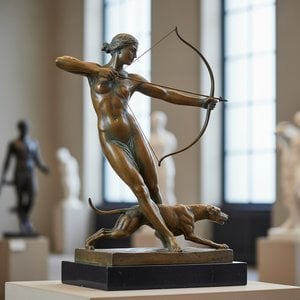
Paul Manship: Reassessing the Master of American Art Deco Sculpture
Explore the captivating world of Paul Manship, a leading figure in American Art Deco sculpture. Discover his iconic works like Prometheus, influence on modernism, and investment potential. Expert insights for collectors.

