
- Hem

- Reproduktion av oljemålning
- Antal Ligeti
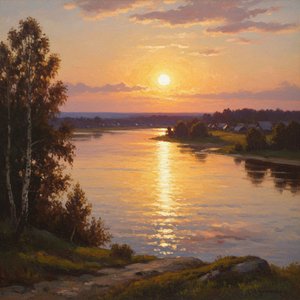
- Italian Landscape

 Köp tryck Köp högupplöst digital bild
 Skicka
 Dela
Dela
 Details
 Lägg till i favoriter

 Ladda ner
 Liknande objekt
 X-Ray
X-Ray
 Bildspel
Italian Landscape

Handgjord oljereproduktion
Handmålad olja på duk i din valda storlek och ram, tillverkad efter beställning av våra konstnärer.




































 Läs mer
Välj bland våra förinställda storlekar som motsvarar konstverkets ursprungliga proportioner.

Du kan ange egna mått för att passa en specifik ram eller yta. Om den valda storleken inte matchar originalbildens proportioner kommer vi antingen att beskära konstverket eller utöka målningen med ytterligare handmålade element. En digital skiss skickas till dig för godkännande innan produktionen påbörjas.
Observera att förhandsvisningen på skärmen inte återspeglar den faktiska beskärningen eller utökningen. Endast skissen visar den slutgiltiga kompositionen korrekt.
Även om anpassade storlekar är möjliga, rekommenderar vi att du väljer en dimension från den fördefinierade listan för att bevara originalproportionerna.
Efter beställning kommer ArtsDot.com team att mejla kunden för instruktioner och tillhandahålla en skissförhandsvisning
Leverans över hela världen () på 3–4 veckor istället för standard 5 veckor. (1 juli). Inga kompromisser med kvaliteten.

Fri expressfrakt över hela världen

Högkvalitativ linnecanvas

Fullständig fraktförsäkring

Garantier för återbetalning av tullavgifter

Garantier för exakt färgåtergivning

60 dagars returrätt (endast vid fabrikationsfel)

100% pengarna tillbaka-garanti

Mängdrabatt erbjuds
 Glasalternativet är endast tillgängligt i storlekar under 110 cm.

Italian Landscape
Teknik för reproduktion
Storlek på reproduktion
-


Slutgiltigt pris
-
Liknande konstverk


Konstnärsbiografi
Antal Ligeti: Life and Legacy
Early Life and Artistic Beginnings
- Born: Antal Hekler (he later adopted the name Ligeti) in 1823, in Karakö̈r, Romania.
- Initially expected to follow his family into merchantry, Ligeti harbored a strong passion for art from a young age.
- He defied familial expectations and journeyed to Italy – specifically Naples and Florence – to pursue formal artistic training.
- Florence proved pivotal as he studied under his compatriot, Károly Markó, who significantly influenced his early style.
Travels and Artistic Development
- A brief period in Munich preceded Ligeti’s return to Hungary in 1848, where he briefly participated in the Hungarian Revolution.
- Settling initially in Sopron, his attempts at portraiture proved unsuccessful, leading him to Pest (Budapest).
- A turning point came with the patronage of Count István Károlyi, who provided Ligeti with accommodation and financial support.
- Between 1855 and 1861, Ligeti embarked on extensive travels to Egypt, Palestine, Syria, Cyprus, and Malta. These journeys were crucial in shaping his artistic focus.
- He amassed a vast collection of sketches during these expeditions, which served as the foundation for many of his subsequent paintings.
Artistic Style and Themes
- Ligeti primarily worked in oils, mastering landscape painting, orientalist themes, and portraiture.
- Orientalism became a defining characteristic of his work, reflecting the exotic landscapes and cultures he encountered during his travels. His paintings often depict scenes from North Africa and the Middle East with vibrant colors and dramatic lighting.
- His landscapes showcase a Romantic sensibility, emphasizing atmosphere, emotion, and the sublime beauty of nature.
- While known for larger-scale works, Ligeti also produced smaller, intimate studies demonstrating his technical skill and observational abilities.
Major Achievements and Recognition
- By 1861, Ligeti had established a successful studio in Pest, solidifying his reputation as a prominent artist.
- In 1868, he was appointed curator of the art gallery at the Hungarian National Museum, demonstrating his standing within the Hungarian art world.
- Ligeti’s work gained considerable acclaim during his lifetime, and he became a sought-after artist among collectors and patrons.
Influence and Legacy
- Ligeti served as a mentor to several younger artists, most notably Mihály Munkácsy and Géza Mészöly, shaping the next generation of Hungarian painters.
- His paintings continue to be exhibited in museums and galleries throughout Hungary and internationally.
- Ligeti’s contribution lies in his ability to blend Romantic aesthetics with Orientalist subject matter, creating a unique visual language that captured the spirit of 19th-century exploration and artistic innovation.
- He died in 1890, leaving behind a rich artistic legacy that continues to inspire and captivate audiences today.

Antal Ligeti
1823 - 1890 , Romania
Kortfattad information
- Birth Date: 1823
- Birth Place: Karakö̈r, Romania
- Death Date: 1890
- Influenced:
- Mihály Munkácsy
- Géza Mészöly
- Influenced By: Károly Markó
- Movement: Romanticism, Orientalism
- Name: Antal Ligeti
- Nationality: Hungarian
- Notable Works:
- Oasis In The Desert
- View Of Visegrád With The Solomon Tower
- Sunset On The Nile
- Greek Temple
- Italian Landscape
Relaterade artiklar

Evoking Emotion & Transcendence: Romantic Landscape Painting (18th-19th Century)
Explore the emotional depth of Romantic landscape painting (18th-19th century). Discover key artists like Friedrich & Cole, and the concepts of the sublime. Expert insights for art lovers & collectors.


Romantiska landskap: Topp 10 mästerverk som definierade en epok – ArtsDot.se
Utforska de 10 mest ikoniska mästerverken inom romantisk landskapsmålning! Lär känna Caspar David Friedrich, Turner & andra. Hitta inspiration och köp museumkvalitativa konsttryck på ArtsDot.com.

David Cox the Elder: Landscape, Light & the Romantic Vision of Rural England
Explore the captivating landscapes of David Cox the Elder, a pivotal figure in British Romanticism. Discover his masterful watercolour techniques, enduring legacy & find timeless art for your home at ArtsDot.

Thomas Girtin: Pioneering Atmospheric Landscapes & the Rise of Romantic Watercolour
Explore the captivating world of Thomas Girtin, a pioneer of Romantic watercolour painting. Discover his innovative techniques, key masterpieces & lasting influence on British art history. Learn about collecting Girtin's work today.
Arkhip Kuindzhi: Capturing Light & Romantic Vision in Imperial Russia's Landscapes
Explore the captivating world of Arkhip Kuindzhi, a master of light and Romantic realism in Imperial Russia. Discover his iconic landscapes, artistic techniques, and lasting legacy with ArtsDot.

