

 Visa i rummet
 Skicka
 Dela
Dela
 Detaljer
 Guide
Guide

 Ladda ner
 Liknande objekt
 Röntgen
 Bildspel
 Besökstatistik
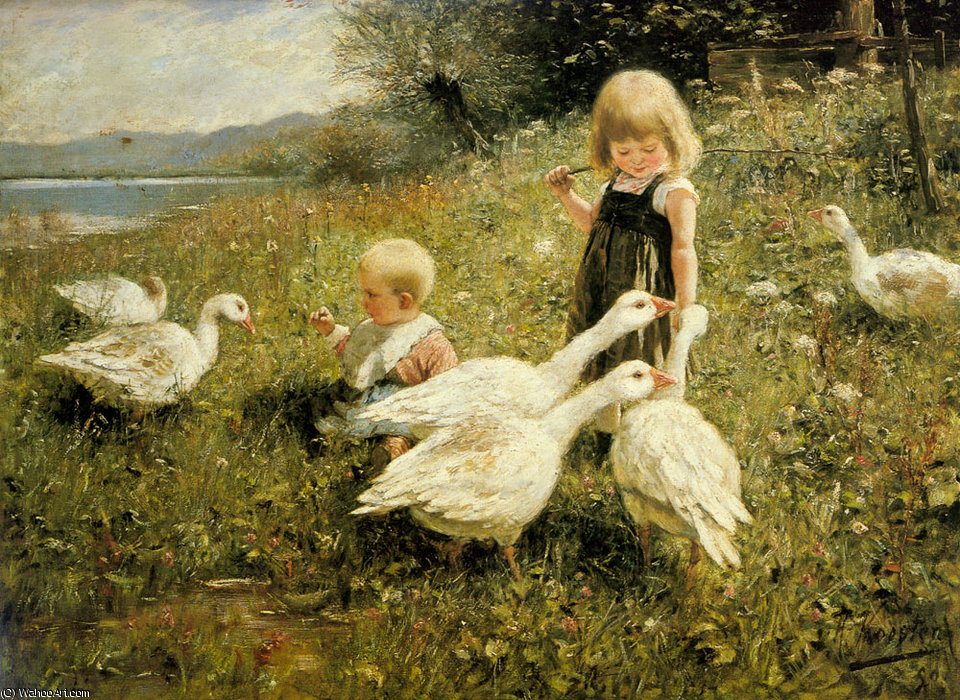
Gansefutterung
 Läs mer
Handgjord oljereproduktion
Handmålad olja på duk i din valda storlek och ram, tillverkad efter beställning av våra konstnärer. ( Byt till tryckta exemplar Byt till digital bildförsäljning)




































Välj bland våra förinställda storlekar som motsvarar konstverkets ursprungliga proportioner.

Du kan ange egna mått för att passa en specifik ram eller yta. Om den valda storleken inte matchar originalbildens proportioner kommer vi antingen att beskära konstverket eller utöka målningen med ytterligare handmålade element. En digital skiss skickas till dig för godkännande innan produktionen påbörjas.
Observera att förhandsvisningen på skärmen inte återspeglar den faktiska beskärningen eller utökningen. Endast skissen visar den slutgiltiga kompositionen korrekt.
Även om anpassade storlekar är möjliga, rekommenderar vi att du väljer en dimension från den fördefinierade listan för att bevara originalproportionerna.
Efter beställning kommer ArtsDot.com team att mejla kunden för instruktioner och tillhandahålla en skissförhandsvisning
Leverans över hela världen () på 3–4 veckor istället för standard 5 veckor. (23 september). Inga kompromisser med kvaliteten.

Fri expressfrakt över hela världen

Högkvalitativ linnecanvas

Fullständig fraktförsäkring

Garantier för återbetalning av tullavgifter

Garantier för exakt färgåtergivning

100 dagars returrätt vid fabrikationsfel

100% pengarna tillbaka-garanti

Mängdrabatt erbjuds
 Glasalternativet är endast tillgängligt i storlekar under 110 cm.

Gansefutterung
Tryckteknik
Reproduktionsstorlek
-


Totalpris
$ 263
Liknande konstverk


Om konstnären
The Master of Shimmering Waters: The Life and Legacy of Alexander Max Koeste
In the quiet, sun-drenched corners of the German landscape, where light dances upon the surface of a still pond, lies the enduring spirit of Alexander Max Koeste. Born in 1864 in Bergneustadt, Germany, Koeste’s journey toward artistic immortality began not with a brush, but with the precise, disciplined hands of an apothecary apprentice. Following the wishes of his parents, he initially trained in pharmacy in Wintzenheim, yet the call of the canvas proved far more resonant than the chemistry of medicine. This early period of meticulous observation would later serve him well, as he transitioned from the scientific study of substances to the profound study of light, shadow, and the delicate anatomy of the natural world.
Koeste’s formal artistic evolution took place within the prestigious halls of the Academy of Fine Arts in Karlsruhe. Under the tutelage of masters such as Karl Hoff and Claus Meyer, he honed a technique that bridged the gap between traditional realism and the burgeoning luminosity of Impressionism. His early years were defined by a nomadic curiosity; between 1885 and 1895, he traversed the Black Forest, the Vosges, and the rugged beauty of Tyrolia. It was during these travels, particularly in the town of Klausen, that his life and art would find their true north. There, amidst the breathtaking scenery of Southern Tyrol, he met Isabella Kantioler, a union that would ground his wandering spirit and provide the inspiration for much of his most beloved work.
The Emergence of "Duck-Koester"
While Koeste began his career finding success through portrait commissions, it was his fascination with waterfowl that would ultimately define his historical significance. His encounter with a colony of ducks belonging to his father-in-law sparked an obsession that would span three decades. He did not merely paint these creatures; he studied them with the eye of a naturalist, capturing their behavior, the texture of their feathers, and the way they interacted with their aquatic environments. This specialization earned him the affectionate moniker "Duck-Koester" or "Enten-Koester" among art enthusiasts.
His technique reached a pinnacle of virtuosity through his ability to render the ephemeral. Using sophisticated glazing methods, Koeste achieved a breathtaking sense of depth and atmosphere. His canvases became windows into a serene world where:
- Reflecting surfaces mimic the liquid mirror of a quiet pool.
- Light and shadow play across duck feathers with a shimmering, Impressionistic brilliance.
- Color palettes transition from the deep, cool tones of shaded reeds to the brilliant, warm golds of a summer afternoon.
Global Recognition and Artistic Triumph
The impact of Koeste’s work extended far beyond the borders of Germany, reaching the most prestigious stages of the international art world. His ability to evoke a sense of profound tranquility through his "animalier" style garnered him unprecedented accolades. The year 1904 marked a definitive triumph in his career when he was awarded a gold medal at the World’s Fair in St. Louis for his painting "Enten". This recognition was followed by further honors from the Bavarian royalty, including a gold medal from Prince Regent Luitpold of Bavaria for "Dem Ufer zu."
As he matured, Koeste’s focus expanded to capture the vast, sweeping expanses of water around Lake Constance, yet he never lost the intimate touch that made his smaller scenes so captivating. His legacy remains a testament to the power of specialized devotion. Through his mastery of the Munich School's Impressionist traditions, Alexander Max Koeste transformed simple biological subjects into symbols of peace and natural grace, ensuring that every time a viewer gazes upon his shimmering waters, they experience a moment of eternal, sunlit stillness.

alexander max koeste
1864 - 1932 , Germany
Snabbfakta
- Artistic Movement Or Style: Impressionism
- Date Of Birth: 1864
- Full Name: Alexander Max Koeste
- Nationality: German
- Notable Artworks:
- Enten In Wasser Unter Birken
- Ducks in a Quiet Pool
- Ducks on a Riverbank
- Place Of Birth: Bergneustadt, Germany