


 Pregledaj u prostoru
 Podeli
 Podeli
 Detalji
 Vodič
Vodič

 Preuzmi sliku
 Slični predmeti
 Rendgenski snimak
 Automatska prezentacija
 Statistika
“The Mountain is Empty; A Pinecone Falls”
 Zen Buddhism
 301
301 88.0cm x 22.0cm
 Pročitaj više
Ručno rađena uljana reprodukcija
Ručno oslikano uljanim bojama na platnu u dimenzijama i okviru po vašem izboru, izrađeno po porudžbini od strane naših umetnika. ( Pređi na prodaju štampanih primeraka Pređi na prodaju digitalnih slika)




































Izaberite jednu od naših unapred definisanih veličina koje odgovaraju originalnim proporcijama umetničkog dela.

Možete uneti sopstvene dimenzije kako biste prilagodili umetničko delo određenom okviru ili prostoru. Ako odabrana veličina ne odgovara proporcijama originala, slika će biti isečena ili proširena dodatnim elementima koji se ručno oslikavaju. Digitalni prikaz će vam biti poslat na odobrenje pre početka proizvodnje.
Imajte na umu da pregled na ekranu ne odražava stvarno prisecanje ili proširenje. Samo mockup će precizno prikazati konačnu kompoziciju.
Iako su dostupne prilagođene veličine, preporučujemo da izaberete dimenziju iz unapred definisane liste kako biste sačuvali originalne proporcije.
Nakon narudžbine, tim ArtsDot.com će klijentu putem e-pošte poslati uputstva i dostaviti prikaz predloženog rešenja
Svetska isporuka () za 3/4 nedelje umesto uobičajenih 5 nedelja. (26 септембар). Bez kompromisa po pitanju kvaliteta.

Besplatna ekspresna dostava širom sveta

Visokokvalitetno laneno platno

Sveobuhvatno osiguranje transporta

Garancija povraćaja carine i uvoznih dažbina

Garancija vernosti boja i autentičnosti pri reprodukciji

Politika povraćaja u roku od 100 dana (samo u slučaju nedostataka)

Garancija povrata 100% novca

Popust pri većoj količini
 Opcija sa staklom dostupna je samo za dimenzije manje od 110 cm

“The Mountain is Empty; A Pinecone Falls”
Tehnika izrade reprodukcije
Veličina reprodukcije
-


Ukupna cena
$ 263
Srodna umetnička dela


Biografija umetnika
The Echoes of Byzantium: Unveiling the Legacy of the Master of 1336
The figure known as the Master of 1336 remains one of the most intriguing enigmas in Italian art history. Active primarily in Pistoia during the early decades of the 14th century, this artist’s work stands as a compelling bridge between the enduring traditions of Byzantine painting and the nascent innovations that would blossom into the Renaissance. While his name—a label bestowed upon him due to a fresco depicting the miracle of the Virgin Mary in Santa Maria delle Grazie, Pistoia—offers little insight into his personal identity, his paintings speak volumes about the artistic currents shaping Tuscany at the time. His legacy is inextricably linked to the towering influence of Giotto and Maso di Banco, both figures who profoundly shaped the visual landscape of his region.Early Influences and Artistic Roots
The Master’s origins are shrouded in some mystery, yet a clear lineage can be traced through the artistic networks of Pistoia. He was deeply influenced by Giotto di Bondone, whose revolutionary approach to depicting human emotion and space began to permeate the region. Giotto's innovations—a move away from the stylized, flattened forms of Byzantine art towards greater naturalism and psychological depth—were skillfully absorbed and adapted by his Pistoian disciple. Equally significant was the work of Maso di Banco, a prominent Sienese painter known for his dramatic compositions and expressive figures. Puccio di Simone, another artist working in Pistoia during this period, further contributed to the stylistic blend, creating a vibrant artistic environment where experimentation and innovation flourished. The Master’s paintings are characterized by a remarkable expressiveness and figurative language, a direct result of these interconnected influences.A Portrait of Faith: Key Works and Artistic Style
The Master's oeuvre is relatively small but remarkably concentrated in a few key works. The *Polyptych in the Museo della Collegiata in Empoli* stands as one of his earliest and most significant achievements, showcasing his developing style and technical skill. The *Popiglio Panel*, housed in the Museo Civico di Pistoia, offers further insight into his artistic sensibilities, demonstrating a masterful use of color and composition. Perhaps most notably, the *Madonna and Child* painting held in the Acton Collection in Florence exemplifies his ability to convey profound emotion through subtle gestures and expressions. His frescoes, particularly the depiction of the Madonna and Child in the Church of San Domenico in Pistoia, reveal a deep understanding of religious iconography and narrative.Symbolism and Narrative: Decoding the Visual Language
Examining the Master’s paintings reveals a rich tapestry of symbolism and narrative detail. His compositions are often imbued with a sense of piety and devotion, reflecting the deeply ingrained religious beliefs of his time. The figures in his works—typically Madonna and Child scenes—are rendered with a remarkable degree of realism, yet they retain an aura of serenity and grace. The use of color is particularly noteworthy; he favors warm, earthy tones that evoke a sense of intimacy and spirituality. Furthermore, the Master’s work demonstrates a keen awareness of spatial relationships, creating a believable illusion of depth within his paintings. The *Well-Governed Town and Country* fresco, commissioned for the Sala della Pace in Siena's Palazzo Pubblico, is a particularly compelling example of this skill, offering a visual representation of civic virtue and social harmony—a testament to the artist’s engagement with contemporary political and moral concerns.Legacy and Historical Significance
The Master of 1336 occupies a crucial position in the transition from medieval to Renaissance art. While he never fully abandoned the stylistic conventions of Byzantine painting, his work demonstrated a willingness to experiment with new techniques and approaches—a foreshadowing of the revolutionary changes that would be spearheaded by Giotto and his successors. His paintings serve as a vital link between the artistic traditions of the past and the innovations of the future, offering a glimpse into the dynamic cultural landscape of 14th-century Italy. His influence can be seen in the work of subsequent artists who continued to build upon his legacy, solidifying his place as one of the most important figures in the development of Italian painting. The echoes of Byzantium resonate within his art, yet they are tempered by a growing sense of naturalism and human emotion—a testament to the enduring power of artistic innovation.
zekkai chūshin
1336 - 1405 , Japan
Brzi pregled
- Artistic Movement Or Style: Byzantine art
- Artists Or Movements Influenced By This Artist:
- Giotto
- Duccio
- Artists Who Influenced This Artist:
- Giunta Pisano
- Coppo di Marcovaldo
- Date Of Death: 1302
- Full Name: Cimabue
- Nationality: Italian
- Notable Artworks:
- Sta. Trinità Madonna
- Madonna Enthroned
- Place Of Birth: Florence, Italy
Srodni članci

Japonisme: How Japanese Woodblock Prints Revolutionized Western Art
Explore the profound impact of Japonisme on Western art. Discover how Japanese ukiyo-e woodblock prints revolutionized perspective, color, and composition for masters like Monet and Van Gogh, forever changing the course of modern art history.
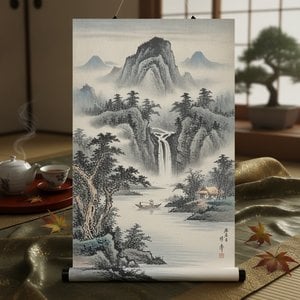
Serenity on Canvas: A Guide to the Timeless Beauty of Japanese Landscape Painting
Discover the serene beauty of Japanese landscape painting. From Hokusai's iconic woodblock prints to meditative sumi-e ink washes, explore a visual journey through the 'floating world' and learn how to bring this timeless Zen aesthetic into your modern home decor.

Katsushika Hokusai: 25 Remek-dela Japanskog Umetnika za Vaš Dom | ArtsDot
Uronite u svet Katsushike Hokusaija! Otkrijte 25 remek-dela japanskog umetnika, uključujući čuveni 'Veliki talas'. Ukiyo-e štampe, pejzaži i istorija iza svakog dela. Pronađite inspiraciju za dekor enterijera i kupite reprodukcije slika vrhunskog kvaliteta na ArtsDot.com.
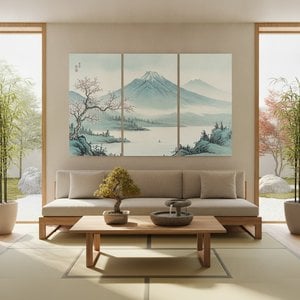
Serene Zen: Transforming Your New Home with the Timeless Elegance of Japanese Landscape Art
Transform your new home into a sanctuary of peace with stunning Japanese landscape art. Discover the beauty of Ukiyo-e and hand-painted Zen masterpieces designed to bring harmony and timeless elegance to your shared space. Expertly curated for modern lovers of fine art.

Floating World: The Captivating Art and Legacy of Japanese Ukiyo-e
Explore the profound beauty of Japanese Ukiyo-e. Discover the history, masters like Hokusai, and the enduring legacy of the 'Floating World' through an expert art-historical lens.