

 Pregledaj u prostoru
 Pošalji
 Podeli
 Detalji o delu
 Vodič
Vodič

 Preuzmi
 Slični predmeti
 Rendgenski snimak
 Automatska prezentacija
 Pitanja i odgovori
 Statistika
Flagship

- 168.0 x 178.0 cm

 Pročitaj više
Umetničko delo prikazano na ovoj stranici zaštićeno je autorskim pravima, što znači da zakonski nismo u mogućnosti da kreiramo niti prodajemo identičnu reprodukciju. Ova zaštita se sprovodi u skladu sa međunarodnim sporazumima kao što su Bernska konvencija i nacionalnim zakonima, uključujući i one koji su definisani u Američki zakon o autorskom pravu – Naslov 17.
Ovaj metod je u potpunosti usklađen sa regulativama o autorskim pravima jer ne podrazumeva kopiranje ili dupliranje zaštićenih umetničkih dela. Umesto toga, reč je o kreativnoj reinterpretaciji – novom slikarskom delu koje je inspirisano originalom, ali nije identično njemu.
Giclee štampa / Umetnički otisak
Giclée štampa ili print na platnu muzejskog kvaliteta uz brzu izradu i raznovrsne opcije završne obrade. ( Kupite ručno oslikano delo Pređi na digitalnu sliku)




































Izaberite jednu od naših unapred definisanih veličina koje odgovaraju originalnim proporcijama umetničkog dela.

Unesite željenu širinu i visinu kako bi se štampa uklopila u vaš ram ili zid. Štampu je moguće samo iseći, ali nikada povećati iznad dimenzija originalne slike, stoga format sa drugačijim proporcijama uzrokuje gubitak dela slike. Pre početka štampe, poslaćemo vam digitalni prikaz radi potvrde. Slika prikazana na ovoj stranici ne predstavlja stvarni isrez — to pokazuje samo digitalni prikaz.
Dostava širom sveta () za 2 nedelje umesto uobičajenih 4/5 nedelja. (11 новембар)

Besplatna ekspresna dostava širom sveta

Visokokvalitetno laneno platno

Potpuno osiguranje transporta

Garancija povraćaja carine i uvoznih dažbina

Garancija vernosti boja

Politika povraćaja u roku od 100 dana (samo u slučaju nedostataka)

Garancija povrata 100% novca

Popust na više proizvoda
 Opcija sa staklom dostupna je samo za dimenzije manje od 110 cm

Flagship
Giclee štampa / Umetnički otisak
Dimenzije reprodukcije
-


Ukupna cena
дин 6611
Srodna umetnička dela


Biografija umetnika
Thomas Albert Sills: A Pioneer of Color and Collage
Born in Castalia, North Carolina, in 1914 to a family of eleven, Thomas Albert Sills’s early life was shaped by the rhythms of rural Southern agriculture. This experience—the vibrant hues of the natural world, the textures of earth and plant life—would profoundly influence his artistic vision later in life. Moving to Brooklyn at the age of 11 to live with one of his brothers, he began a journey that would ultimately lead him to become a significant figure in the New York Abstract Expressionist movement. Initially working as a doorman and laborer, Sills’s path toward art was forged through exposure to color – specifically, the rich tones of a greenhouse where he worked as a boy. This early immersion laid the groundwork for his later exploration of color fields and dynamic compositions.
- Early Influences: Sills's artistic development wasn’t solely driven by formal training; it was deeply rooted in observation and experience. His time working in a greenhouse, surrounded by an abundance of color, proved to be a formative influence.
- Brooklyn Roots: Living with his brother in Brooklyn provided access to the burgeoning cultural scene of New York City, exposing him to diverse artistic perspectives.
The Rise of an Abstract Expressionist
Sills’s formal artistic training began relatively late in life, around 1952, coinciding with his marriage to Jeanne Reynal, a mosaic artist and collector. Reynal's sophisticated circle introduced Sills to the works of European avant-garde artists like Max Ernst and Marcel Duchamp, profoundly impacting his approach to composition and material experimentation. He quickly moved beyond traditional painting techniques, embracing collage—incorporating found objects, nails, dirt, and other unconventional materials into his canvases. This innovative use of texture and surface created a dynamic interplay between the painted image and its surrounding elements.
- Reynal’s Influence: Jeanne Reynal's collection and artistic network served as a crucial catalyst for Sills’s development, exposing him to diverse styles and techniques.
- Material Innovation: Sills’s experimentation with collage—using materials like nails, dirt, and enamel—was a defining characteristic of his work, adding layers of complexity and visual interest.
A Place in the New York Circle
Sills quickly established himself within the vibrant artistic community of 1950s and 60s New York. He became associated with key figures like Willem de Kooning, Barnett Newman, Mark Rothko, and Elaine de Kooning, engaging in intellectual discussions and exchanging ideas about art. His studio became a gathering place for these influential artists, fostering a dynamic exchange of creative energy. He was particularly influenced by the writings of John D. Graham, whose theories on art emphasized intuitive expression over rigid rules.
- Key Collaborators: Sills’s relationships with de Kooning, Newman, Rothko, and Reynal shaped his artistic trajectory and provided a crucial network of support.
- Graham's Influence: Graham’s theories on art—emphasizing intuitive expression—provided a philosophical framework for Sills’s approach to painting.
Style and Legacy
Sills’s mature style is characterized by bold color fields, dynamic compositions, and the incorporation of collage elements. His paintings often evoke a sense of movement and energy, achieved through layering colors and textures. He moved away from representational imagery, focusing instead on exploring the expressive potential of color and form. His work stands as a testament to his commitment to personal expression and his willingness to challenge conventional artistic boundaries. Sills’s contributions to Abstract Expressionism are significant, particularly for his innovative use of collage and his exploration of color as a primary means of communication. His paintings are held in prestigious collections across the United States, including the Museum of Modern Art, the Whitney Museum of American Art, and the Metropolitan Museum of Art, solidifying his place as a key figure in 20th-century art.
- Color Field Painting: Sills’s use of large areas of color—a hallmark of Color Field painting—created immersive visual experiences.
- Collage Technique: His incorporation of found objects and unconventional materials added layers of texture, depth, and meaning to his paintings.
A Black Artist in a White World
Thomas Sills’s journey as an African-American artist navigating the predominantly white world of Abstract Expressionism is a compelling story of resilience and artistic vision. He resisted categorization, famously stating, “If somebody told me that I had to paint this way or that I had to do that…I wouldn’t want it. . . . You like it or you don’t like it, but I am doing what I want.” Despite facing systemic barriers, Sills persevered, creating a body of work that reflects his unique perspective and artistic sensibility. His story highlights the importance of recognizing and celebrating the contributions of Black artists within the broader art historical narrative.
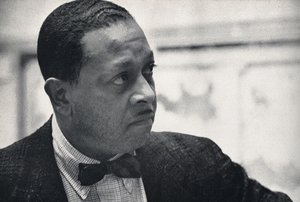
Thomas Albert Sills
1914 - 2000 , United States of America
Osnovne informacije
- Full Name: Thomas Albert Sills
- Nationality: American
- Date Of Birth: 1914
- Date Of Death: 2000
- Place Of Birth: Castalia, Ohio, United States of America
- Notable Artworks:
- Red Dream
- The Amarillo Connection
- Artistic Movement Or Style: Abstract Expressionism, Collage
- Artists Who Influenced This Artist:
- Willem de Kooning
- Mark Rothko
- Jeanne Reynal
- Artists Or Movements Influenced By This Artist:
- Abstract Expressionism
- Color Field painting