

 Pregledaj u prostoru
 Podeli
 Podeli
 Detalji
 Vodič
Vodič

 Preuzmi sliku
 Slični predmeti
 Rendgenski snimak
 Automatska prezentacija
 Statistika
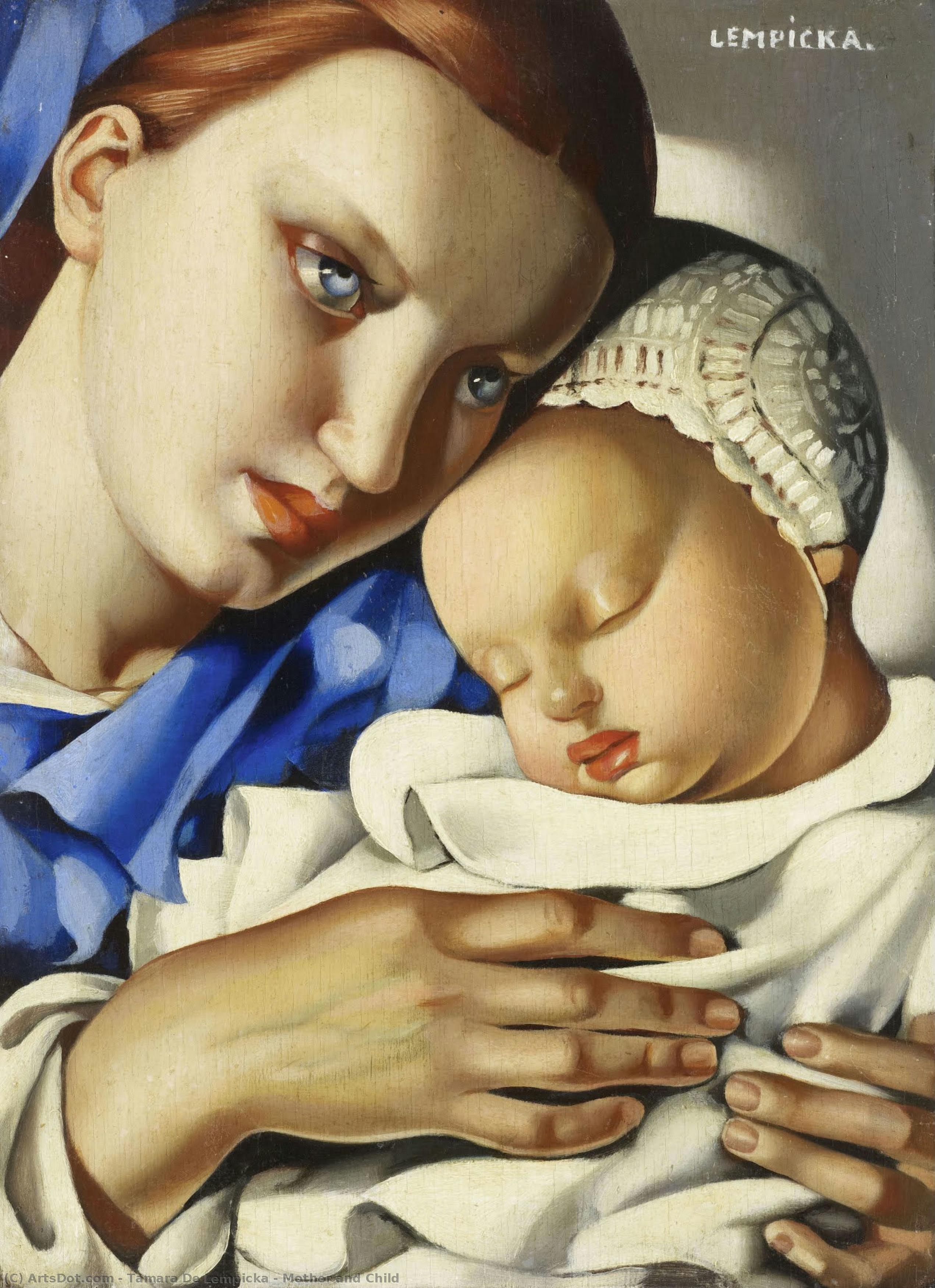
Mother and Child
 Oil On Canvas
- WallArt
- Cubist Abstract
 33.0 x 24.0 cm
 Grand Palais
 Pročitaj više
Umetničko delo prikazano na ovoj stranici zaštićeno je autorskim pravima, što znači da zakonski nismo u mogućnosti da kreiramo niti prodajemo identičnu reprodukciju. Ova zaštita se sprovodi u skladu sa međunarodnim sporazumima kao što su Bernska konvencija i nacionalnim zakonima, uključujući i one koji su definisani u Američki zakon o autorskom pravu – Naslov 17.
Ovaj metod je u potpunosti usklađen sa regulativama o autorskim pravima jer ne podrazumeva kopiranje ili dupliranje zaštićenih umetničkih dela. Umesto toga, reč je o kreativnoj reinterpretaciji – novom slikarskom delu koje je inspirisano originalom, ali nije identično njemu.
Giclee štampa / Umetnički otisak
Giclée štampa ili print na platnu muzejskog kvaliteta uz brzu izradu i raznovrsne opcije završne obrade. ( Naručite ručno oslikano reprodukciju Pređi na prodaju digitalnih slika)




P118B дин10

P118H дин10

P118W дин10

P438Z дин10

P508JH дин12

P508YH дин12

P805H дин10

P805Z дин10

P919BZ дин10

P919G дин10

P919XJ дин10

P959ZH дин10

P968JZ дин12

W106C дин8

W218G дин10

W218JH дин8

W218Y дин10

W307PJ дин10

W316G дин10

W316PJ дин8

W316Y дин10

W398PJ дин8

W4111J дин10

W500HY дин15

W500JH дин15

W692G дин12

W849H дин8

W940BG дин15

W953PJ дин8




Izaberite jednu od naših unapred definisanih veličina koje odgovaraju originalnim proporcijama umetničkog dela.

Unesite širinu i visinu koja vam je potrebna, kako bi se uklopili u vaš ram ili na vaš zid. Štampa se može samo iseći, nikada ne može biti veća od originalne slike, stoga format sa drugačijim proporcijama gubi deo slike. Poslaćemo vam digitalni prikaz radi potvrde pre nego što započnemo štampu. Slika prikazana na ovoj stranici ne pokazuje stvarni rez — to pokazuje samo digitalni prikaz.
Dostava širom sveta () za 2 nedelje umesto uobičajenih 4/5 nedelja. (27 октобар)

Besplatna ekspresna dostava širom sveta

Visokokvalitetno laneno platno

Sveobuhvatno osiguranje transporta

Garancija povraćaja carine i uvoznih dažbina

Garancija vernosti boja i autentičnosti pri reprodukciji

Politika povraćaja u roku od 100 dana (samo u slučaju nedostataka)

Garancija povrata 100% novca

Popust pri većoj količini
 Opcija sa staklom dostupna je samo za dimenzije manje od 110 cm

Mother and Child
Giclee štampa / Umetnički otisak
Veličina reprodukcije
-


Ukupna cena
дин 6393
A Portrait of Intimate Strength: Deconstructing Tamara de Lempicka's 'Mother and Child'
Tamara de Lempicka’s “Mother and Child,” painted in 1953, is more than just a depiction of familial love; it’s a carefully constructed tableau of aristocratic poise, quiet resilience, and the enduring power of maternal connection. Born Maria Teresa Górska in Warsaw in 1898, de Lempicka’s life was one of dramatic shifts – from a privileged Polish upbringing to a whirlwind romance with Tadeusz Łempicki, a tumultuous period during the Russian Revolution, and ultimately, a successful career as a celebrated Art Deco painter. This particular work, created later in her life, offers a poignant glimpse into her artistic evolution and her deeply personal understanding of motherhood.
The painting immediately draws the eye to the central figures: a woman, presumably Tamara herself, cradling a small child within her arms. The composition is strikingly formal, reminiscent of classical portraiture yet imbued with the sharp angles and geometric precision characteristic of de Lempicka’s signature style. She eschews loose brushstrokes or expressive gestures in favor of clean lines, precise modeling, and a deliberate flattening of perspective – techniques borrowed from Cubism but filtered through her own unique vision. The palette is restrained: muted browns, creams, and ochres dominate, creating a sense of understated elegance and timelessness. This careful control over color and form reflects de Lempicka’s meticulous approach to art, mirroring the precision she applied to her portraits.
Art Deco Elegance and Polish Roots
“Mother and Child” is firmly rooted in the Art Deco movement, a style that flourished in the 1920s and 30s, characterized by its geometric forms, luxurious materials, and celebration of modernity. De Lempicka embraced this aesthetic wholeheartedly, incorporating it into her portraits of wealthy patrons – industrialists, financiers, and socialites – who sought to project an image of sophistication and success. However, the painting also subtly hints at de Lempicka’s Polish heritage. The woman's posture, the rich fabrics of her clothing, and the overall sense of dignified reserve evoke a distinctly Eastern European sensibility—a quiet strength born from a history shaped by both privilege and upheaval.
The historical context is crucial to understanding the painting’s deeper meaning. De Lempicka had experienced significant personal turmoil – a divorce, the loss of her husband, and the challenges posed by World War II. “Mother and Child” can be interpreted as a reflection on these experiences, a yearning for stability and connection amidst a world in constant flux. The act of cradling the child represents not just maternal love but also a desire to nurture and protect—a powerful antidote to the anxieties and uncertainties of her life.
Symbolism of Protection and Legacy
The pose itself is laden with symbolism. The woman’s hand gently supporting the child conveys a sense of protection, security, and unwavering devotion. Her gaze is direct and confident, suggesting an inner strength that transcends mere motherhood. The child, nestled securely in her arms, embodies the future—a continuation of lineage, a promise of hope. It's not a sentimental depiction of blissful domesticity; rather, it’s a portrait of resilience and quiet determination.
Furthermore, the painting subtly references the concept of legacy. De Lempicka herself was a prolific artist who left behind a significant body of work—a testament to her enduring talent and artistic vision. “Mother and Child” can be seen as an extension of this legacy, a visual representation of the values she held dear: family, beauty, and the pursuit of excellence. It’s a poignant reminder that even in moments of personal struggle, the bonds of love and the desire to create something lasting can provide solace and purpose.
A Timeless Masterpiece for the Home
Reproductions of “Mother and Child” offer a beautiful addition to any interior space. The painting’s elegant composition and restrained palette complement a wide range of design styles, from classic to contemporary. Its powerful symbolism resonates with viewers on an emotional level, evoking feelings of warmth, security, and enduring love. Whether displayed in a formal living room or a more relaxed setting, this timeless masterpiece will undoubtedly serve as a focal point—a reminder of the beauty and strength found within the bonds of family.
Pitanja i odgovori
Na koji način se "Mother and Child" uklapa u teme i stil umetnika Тамара Де Лемпицка?
„Mother and Child“ deli sa ostalim delima umetnika Тамара Де Лемпицка svoj Cubist Abstract stil i prepoznatljive teme: art deco, parisian elegance, polish aristocracy, family life, revolution, escape, new beginnings, female identity.
Koji prostor se uklapa sa bojama dela „Mother and Child”, Тамара Де Лемпицка?
S obzirom na njegove Neutrals boje, predlaže se da "Mother and Child" bude u "Living Room".
Kako se kontrast i harmonija spajaju u delu "Mother and Child"?
Koloristička kompozicija dela „Mother and Child”, Тамара Де Лемпицка spaja Statement kontrast sa Strong Color Unity harmonijom.
Srodna umetnička dela


Biografija umetnika
Пољска аристократкиња арт декоа
Тамара де Лемпика, рођена Марија Тереза Горска 1898. године у Варшави, била је фигура подједнако задивљујућа и сложена као и портрети које је овековечила. Њен животни пут чита се као роман – вртлог аристократског одрастања, револуционарних потреса, уметничког буђења и трајног шарма. Рођена у богатој пољској јеврејској породици, њени рани дани били су потопљени у европску културу, обележени путовањима у бање и излагањем софистицираном друштвеном кругу. Ово привилеговано окружење усадило је у њу цењење за лепоту и елеганцију које ће дубоко обликовати њену естетичку визију. Међутим, идиличан свет њеног детињства био је разбијен Руском револуцијом. Бежећи од политичких немира са супругом Тадеушом Лемпицким, кренула је у ново поглавље у Паризу, граду који се спремао да постане центар уметничке иновације. Управо овде, усред цветајућег арт декоа, Тамара је пронашла свој глас.
Формирање јединствене естетике
Уметнички пут Лемпичке није рођен из формалног академског образовања, већ из страсне самооткривања и менторства. Кратко је студирала код Мориса Денија и Андреа Лота, упијајући њихове технике док истовремено ковала свој препознатљив стил. Утицај Жан-Доминика Енгреса је опипљив у њеној неокласичној прецизности и нагласку на форми, али је вешто интегрирала фрагментиране перспективе и геометријску апстракцију кубизма – смели спој који је дефинисао њену препознатљиву естетику. Њена сликарија карактерише се полираним површинама, глатким линијама и намерном стилизацијом фигура, све суштински елементи арт декоа и његовог прихватања модерности и луксуза. Она није само сликала портрете; она је градила иконе. Њени модели – често чланови аристократије или имућних елита – били су представљени са ауром хладне елеганције, отелотворујући ослобођени дух џез доба. Самопортрет у зеленом бугију, можда његово најпознатије дело, савршено то илуструје – запањујућа слика самопоуздане независности и аутомобилске брзине, која је без премца забележила тренутак модерног живота.
Тријумф и признање
Експозиција Internationale des Arts Décoratifs et Industriels Modernes у Паризу 1925. године показала се као преломни тренутак за Лемпику. Њено учешће је помогло да арт деко пробије у масу, учврстивши њену репутацију водећег уметника ере. Овај успех је додатно потврђен 1927. године када је освојила прву награду на Бордо експозицији за Кизит на балкону, портрет који савршено отелотворује њен препознатљив стил – мешавину класичне композиције и модерне сензуалности. Током касних 1920-их и 1930-их, Лемпика је постала веома тражена од стране богатих покровитеља жељних да наруче портрете који би овековечили њихов статус и шарм. Радови попут Портрета Маржори Фери демонстрирају њену способност да зароби не само лик, већ и унутрашњу суштину својих модела – њихову амбицију, самопоуздање и рафиниран укус. Осим портрета, истраживала је митолошке теме, као што се види у Адаму и Еви, показујући своју свестраност и интелектуалну радозналост.
Наслеђе и поновно откривање
Избијање Другог светског рата приморало је Лемпику да се пресели у Сједињене Државе 1939. године, где је наставила да слика, али се осећала некако ван досега еволуирајућег уметничког пејзажа. Њен стил, толико повезан са шармом предратне Европе, изгледао је мање релевантан у свету који се борио са конфликтима и неосигурношћу. Међутим, њено дело доживело је изучан препород популарности током арт декоа ренесансе 1960-их и 70-их година. Нова генерација је открила њене слике, одушевљена њиховом ванвременском елеганцијом и смелом естетичком визијом. Тамара де Лемпика умрла је у Мексико Ситију 1980. године, бирајући да се пепео расипа преко вулкана Попокатепетл – коначни чин непокорности и независности достојан жене која је живила живот по својим условима. Данас је слављена као једна од најважнијих фигура у арт декоа, уметница чије слике настављају да инспиришу дивљење због њихове лепоте, елеганције и отелотворења давно прошлости ере. Њено наслеђе се протеже ван естетике; она остаје иконична фигура која представља женску овлашћавање и уметничку иновацију у историјски доминантном мушком пољу.
Занимљива дела
- Самопортрет у зеленом бугију: Дефинишућа слика арт декоа, која показује независност и модерност.
- Портрет Маржори Фери: Изуван пример њене портретарске вештине, који захвата елеганцију и загонетну природу.
- Адам и Ева: Демонстрира њено истраживање митолошких тема са препознатљивим стилом.
- Два пријатеља: Осликава њене ране кубистичке утицаје и експериментисање.
- Пролеће: Живописна слика пролећа, која показује њено мајсторство боје и форме.
- Пролеће: Још један леп пример Лемпикине способности да зароби суштину сезоне са грациозношћу и стилом.

Тамара Де Лемпицка
1898 - 1980 , Пољска
Srodni članci

The Gilded Age Revisited: Art Deco's Modernity & Luxury
Explore the captivating world of Art Deco paintings & the Gilded Age's enduring legacy. Discover iconic artists like Tamara de Lempicka & invest in museum-quality reproductions with ArtsDot.

Tamara de Lempicka: Art Deco Iconoclasm & the Construction of Modern Femininity
Explore the captivating world of Tamara de Lempicka, Art Deco icon. Discover her life, groundbreaking paintings, and lasting influence on modern art. Expert insights for collectors.

The Jazz Age Canvas: Exploring Artistic Responses to Societal Shifts in 1920s America
Explore the artistic brilliance of the Jazz Age! Discover Art Deco's influence, Modernism’s impact & iconic artists like Tamara de Lempicka. Find museum-quality reproductions and expert art consultation at ArtsDot.

About Us
Discover our story! We bring world-class art into your life through expert curation, personalized creations, and free previews. Trusted by individuals and businesses since 2000.

Francisco Goya: 25 Remek-dela Španskog Majstora za Vaš Dom | ArtsDot
Istražite 25 remek-dela Francisca Goya, španskog slikara romantizma i impresionizma. Portreti, tamne slike & istorija umetnosti na ArtsDot.com! Kupite reprodukcije slika vrhunskog kvaliteta za dekoraciju enterijera. Otkrijte celu kolekciju online.

