


 Pregledaj u prostoru
 Podeli
 Podeli
 Detalji
 Vodič
Vodič

 Preuzmi sliku
 Slični predmeti
 Rendgenski snimak
 Automatska prezentacija
 Statistika
Pentecost
 Oil On Canvas
- WallArt
- Early Renaissance
 1335
1335 35.0 x 27.0 cm
 Staatliche Museen zu Berlin
 Pročitaj više
Ručno rađena uljana reprodukcija
Ručno oslikano uljanim bojama na platnu u dimenzijama i okviru po vašem izboru, izrađeno po porudžbini od strane naših umetnika. ( Pređi na prodaju štampanih primeraka Pređi na prodaju digitalnih slika)




P118B дин10

P118H дин10

P118W дин10

P438Z дин10

P508JH дин12

P508YH дин12

P805H дин10

P805Z дин10

P919BZ дин10

P919G дин10

P919XJ дин10

P959ZH дин10

P968JZ дин12

W106C дин8

W218G дин10

W218JH дин8

W218Y дин10

W307PJ дин10

W316G дин10

W316PJ дин8

W316Y дин10

W398PJ дин8

W4111J дин10

W500HY дин15

W500JH дин15

W692G дин12

W849H дин8

W940BG дин15

W953PJ дин8




Izaberite jednu od naših unapred definisanih veličina koje odgovaraju originalnim proporcijama umetničkog dela.

Unesite širinu i visinu koja vam je potrebna, kako bi se uklopili u vaš ram ili zid. Pošto je ovo ručno oslikano delo, umetnik može naslikati malo više prostora oko slike ili malo skratiti ivice za dimenzije drugačijeg oblika — izbor je na vama. Pre početka rada, poslaćemo vam digitalni prikaz radi potvrde. Slika prikazana na ovoj stranici ne predstavlja konačan rezultat — samo digitalni prikaz pokazuje stvarnu sliku.
Nakon narudžbine, tim ArtsDot.com će klijentu putem e-pošte poslati uputstva i dostaviti prikaz predloženog rešenja
Svetska isporuka () za 3/4 nedelje umesto uobičajenih 5 nedelja. (25 октобар). Bez kompromisa po pitanju kvaliteta.

Besplatna ekspresna dostava širom sveta

Visokokvalitetno laneno platno

Sveobuhvatno osiguranje transporta

Garancija povraćaja carine i uvoznih dažbina

Garancija vernosti boja i autentičnosti pri reprodukciji

Politika povraćaja u roku od 100 dana (samo u slučaju nedostataka)

Garancija povrata 100% novca

Popust pri većoj količini
 Opcija sa staklom dostupna je samo za dimenzije manje od 110 cm

Pentecost
Tehnika izrade reprodukcije
Veličina reprodukcije
-


Ukupna cena
дин 27114
The Tempestuous Descent: Taddeo Gaddi’s Pentecost
Taddeo Gaddi’s “Pentecost,” painted circa 1335-1340 in Florence, isn't merely a depiction of a pivotal biblical event; it’s a vibrant distillation of the burgeoning Renaissance spirit captured within the confines of early Gothic artistry. This walnut panel, measuring a modest 35 x 27 centimeters and now residing within the Staatliche Museen zu Berlin, pulsates with an energy that belies its diminutive size – a testament to Gaddi's mastery of conveying profound spiritual experience through carefully orchestrated form and color. The painting immediately draws the eye into a scene brimming with movement and divine presence, a microcosm of the transformative power unleashed upon the nascent Christian community.A Master’s Apprenticeship: Gaddi and Giotto
To fully appreciate “Pentecost,” one must understand its context within the workshop of Giotto di Bondone. Taddeo Gaddi, Giotto's most esteemed pupil, inherited not just technical skills but also a revolutionary approach to representation – a move away from the stylized, flattened forms of Byzantine art and towards a more naturalistic, emotionally resonant style. Gaddi’s work is characterized by a remarkable sensitivity to volume and space, achieved through subtle gradations of color and carefully rendered drapery. This influence is powerfully evident in “Pentecost,” where the figures are imbued with a palpable sense of weight and movement, far exceeding the static quality typical of earlier religious paintings. The composition itself echoes Giotto’s innovations, particularly his use of overlapping forms to create depth and a dynamic narrative flow – a technique that would profoundly shape the course of Italian painting for generations to come.The Drama of Divine Descent
The scene unfolds within what appears to be a simple, yet elegantly rendered room, its architecture suggesting a Florentine palazzo. At the heart of the composition, the Holy Spirit descends upon the assembled apostles as a torrent of fiery tongues – not depicted as literal flames, but rather as luminous, swirling forms that radiate outwards, enveloping the figures in an aura of ecstatic joy and divine inspiration. The central focus is undeniably Jesus Christ, positioned centrally within the group, radiating authority and benevolence. His gestures are welcoming and inclusive, directing attention towards the apostles who are caught mid-speech, their faces alight with astonishment and fervent proclamation. Note the careful detail given to each apostle’s expression – a range of emotions from bewildered wonder to joyful conviction. The inclusion of Mary, subtly positioned in the background, reinforces the narrative's sacredness and highlights her role as the embodiment of grace and faith.Symbolism and Spiritual Resonance
Beyond its immediate depiction of the Pentecost event, “Pentecost” is rich with symbolic meaning. The doves, traditionally associated with the Holy Spirit, are subtly integrated into the composition, adding to the sense of peace and divine blessing. The architectural setting itself—a refined, yet intimate space—represents the Church as a vessel for spiritual transformation. Gaddi’s masterful use of color – predominantly rich reds, blues, and golds – further enhances the painting's emotional impact, evoking feelings of reverence, joy, and the transformative power of faith. The overall effect is one of profound spiritual intensity, capturing not just a historical event but also the very essence of Pentecost—the birth of the Christian community and the promise of divine grace for all believers. It’s a painting that invites contemplation, reminding us of the enduring significance of this foundational moment in Christian history.A Legacy of Innovation
“Pentecost” by Taddeo Gaddi stands as a pivotal work in the transition from Gothic to Renaissance art. It showcases his remarkable skill and his profound understanding of Giotto’s revolutionary approach to representation, while simultaneously establishing his own distinctive artistic voice. The painting's enduring appeal lies not only in its technical brilliance but also in its ability to convey a powerful sense of spiritual experience – a testament to the transformative power of faith and the genius of one of Florence’s most influential artists. Reproductions of this piece offer a beautiful window into a pivotal moment in art history, capturing both the drama of the event and the quiet beauty of Gaddi's masterful technique.Pitanja i odgovori
Ko je napravio "Pentecost" i kada?
Tadej Gadi je napravio/la "Pentecost" u 1335. godine.
Koliki je nivo kontrasta kod dela „Pentecost”, Tadej Gadi?
Svetlo-tamni kontrast dela "Pentecost" zabeležen je kao Statement. Kontrast opisuje koliko se snažno razlikuju svetle i tamne površine.
Koje motive se pojavljuju u delu „Pentecost”, Tadej Gadi?
Teme prisutne u delu „Pentecost”, Tadej Gadi obuhvataju christianity, pentecost, virgin mary, apostles, holy spirit, jerusalem, religious scene, byzantine. Zajedno one sažimaju suštinu ovog umetničkog dela.
Srodna umetnička dela


Biografija umetnika
Florentinski vizionar: Život i nasleđe Taddea Gaddija
U živopisnoj, uzbudljivoj atmosferi četvrnaestove Florence, perioda koji je obeležio prelaz iz srednjeg veka u rani renesans, Taddeo Gaddi se istakao kao majstor svetlosti, naracije i arhitektonskog veličanstva. Kao jedan od najistaknutijih učenika legendarne figure Đota di Bondonea, Gaddi nije samo nasledio stil; on je proširio vizuelni rečnik svog doba. Njegovo delo služi kao vitalni most, prenoseći monumentalnu težinu đotovskog naturalizma u novo carstvo dekorativne složenosti i svetlucavog pripovedanja. Proučavati Gaddija znači svedočiti evoluciji florentinske slike, gde su krute hijerarhije vizantijske tradicije počele da omekšavaju pod uticajem ljudskih emocija i prostorne dubine.
Temelji Gaddijeve umetničke veštine duboko su ukorenjeni u Giotovoj radionici, gde je naučio o neophodnoj važnosti čiaroskura i sposobnosti prikazivanja figura sa osećajom fizičkog prisustva. Međutim, Gaddi je posedovao urođenu sklonost ka ornamentalnijem i detaljnijem pristupu od svog učitelja. Dok se Đoto fokusirao na sirovu, skulpturalnu suštinu čovečanstva, Gaddi je uveo nežnu eleganciju i sofisticiranu upotrebu svetlosti koja je mogla transformisati ravnu površinu u prozor božanske svetlosti. Ova jedinstvena sinteza omogućila mu je da postigne vrhunske rezultate u velikim ciklusima fresaka, gde je pokazao neprevaziđenu sposobnost organizovanja složenih teoloških narativa unutar arhitektonskih okvira koji su delovali istovremeno sveto i opipljivo.
Majstorstvo naracije i sveta svetlost
Gaddijevi najtrajniji doprinosi istoriji umetnosti nalaze se u njegovim veličanstvenim ciklusima fresaka, naročito u kapeli Baroncelli u crkvi Santa Croce u Firenci. U ovim delima postigao je zadivljujući nivo narativne kontinuiteta, vodeći posmatrača kroz živote svetaca sa ritmičkim sjajem. Njegova tehnika uključivala je pedantno slojevitost boje i svetlosti, često koristeći zlatne detalje i bogate pigmente kako bi prizvao nebesku atmosferu božanstva. Njegovo majstorstvo se može uočiti u delima kao što je Scena iz života Svetog Franje, gde umetnik beleži trenutke duboke duhovne intimnosti. Kroz ove prikaze, Gaddi ne samo da pripodevaju priču; on stvara prostrano okruženje u kojem ptice, pejzaži i ljudske figure koegzistiraju u stanju svetog ravnoteže.
Pored svoje religiozne posvećenosti, Gaddijevo delo karakterišu nekoliko ključnih umetničkih elemenata:
- Arhitektonska integracija: Posedovao je redak talenat za slikanje arhitektonskih okvira koji su izgledali kao da proširuju stvarni fizički prostor kapele ili crkve.
- Svetlucave palete boja: Njegova upotreba živopisne plave, duboke crvene i svetlucave zlatne boje pomogla je u definisanju estetskog sjaja florentinske škole.
- Narativni detalj: Za razliku od svedenijih kompozicija svojih prethodnika, Gaddi je svoje scene obogatio zamrštenim detaljima — od teksture monahove odore do delikatnog kretanja prirode.
- Evolucija svetlosti: Pomerao je granice interakcije svetlosti sa površinama, stvarajući osećaj atmosfere koji je nagovestio atmosfersku perspektivu kasnijih majstora renesanse.
Istorijski značaj i umetničko nasleđe
Istorijski značaj Taddea Gaddija leži u njegovoj ulozi čuvara i inovatora. On je očuvao monumentalno dostojanstvo Đotovog tradicije, istovremeno je prožimajući dekorativnom bogatstvom koje će karakterisati period kasne gotike. Njegov uticaj protezao se daleko izvan zidova florentinskih kapela, utičući na način na koji su naredne generacije slikara pristupale konceptu prostora i svetlosti. Spajajući stručnu čvrstinu svog obrazovanja sa novom, liričnijom senzibilitetnošću, Gaddi je pomogao u pripremi umetničkog pejzaža za puni procvat renesanse.
Dok osvrtamo na njegovo delo, vidimo umetnika koji je bio duboko usklađen sa duhovnim i građanskim pulsom svog vremena. Njegova sposobnost da prikaže sveto kroz prizmu rastućeg naturalizma osigurala je da njegova dela ostanu ne samo predmeti veneracije, već i remek-dela tehničkog dostignuća. Taddeo Gaddi ostaje kamen temeljac italijanske istorije umetnosti, slikar čiji su potezi četkice zabeležili sam onaj trenutak kada je srednjovekovni svet počeo da gleda ka svetlosti nove, ljudske ere.
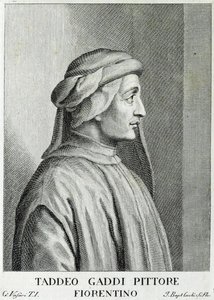
Tadej Gadi
1290 - 1366 , Italija
Brzi pregled
- Artistic Movement Or Style: Rana renesansa
- Artists Or Movements Influenced By This Artist:
- Džoto
- Proto-renesansa
- Artists Who Influenced This Artist:
- Simone Martini
- Italo-vizantijska umetnost
- Date Of Birth: oko 1290.
- Date Of Death: 1348.
- Full Name: Ambrogio Lorenzetti
- Nationality: Italijan
- Notable Artworks:
- Alegoija dobre vlasti
- Alegoija loše vlasti
- Place Of Birth: Sijena, Italija
Srodni članci
Porodična freska nasleđe: Očuvanje kulture i identiteta kroz zidno slikarstvo – Istorijski uvid za kolekcionare
Istražite bogatu istoriju zidnog slikarstva i njegov značaj za očuvanje kulture i porodičnog nasleđa. Ekskluzivni uvid za kolekcionare, restauratore i ljubitelje umetnosti. Saznajte više o tehnikama, vrednosti i budućnosti ove drevne veštine.

The Enduring Legacy of Fresco: Technique, History & Artistic Expression Across Cultures
Explore the rich history & enduring legacy of fresco painting! Discover ancient techniques, Giotto's masterpieces, and modern applications. Expert insights for art lovers & professionals.

Giotto di Bondone: 25 Remek-dela koji definišu renesansu | ArtsDot
Istražite 25 remek-dela Giotta di Bondonea i otkrijte renesansnu umetnost u punom sjaju. Freske, oltarske slike & istorija italijanske umetnosti na ArtsDot.com! Reprodukcije vrhunskog kvaliteta za vaš dom.

The Enduring Legacy of Fresco Painting: Techniques, History & Contemporary Relevance
Explore the rich history & enduring artistry of fresco painting – from Giotto to Michelangelo! Discover techniques, conservation efforts, & modern applications. Learn how ArtsDot brings this timeless art form to your home.

Giotto di Bondone: Revolutionizing Late Medieval Painting through Narrative Innovation
Explore the revolutionary art of Giotto di Bondone! Discover his groundbreaking techniques, iconic frescoes like those in the Arena Chapel, and lasting impact on Renaissance painting. A deep dive for art enthusiasts.