


 Pregledaj u prostoru
 Podeli
 Podeli
 Detalji
 Vodič
Vodič

 Preuzmi sliku
 Slični predmeti
 Rendgenski snimak
 Automatska prezentacija
 Statistika
Armistice Night
 Acrylic On Canvas
- WallArt
- Post-Impressionism
 1918
1918 54.0 x 59.0 cm
 Fitzwilliam College
 Pročitaj više
Giclee štampa / Umetnički otisak
Giclée štampa ili print na platnu muzejskog kvaliteta uz brzu izradu i raznovrsne opcije završne obrade. ( Naručite ručno oslikano reprodukciju Pređi na prodaju digitalnih slika)




P118B $10

P118H $10

P118W $10

P438Z $10

P508JH $12

P508YH $12

P805H $10

P805Z $10

P919BZ $10

P919G $10

P919XJ $10

P959ZH $10

P968JZ $12

W106C $8

W218G $10

W218JH $8

W218Y $10

W307PJ $10

W316G $10

W316PJ $8

W316Y $10

W398PJ $8

W4111J $10

W500HY $15

W500JH $15

W692G $12

W849H $8

W940BG $15

W953PJ $8




Izaberite jednu od naših unapred definisanih veličina koje odgovaraju originalnim proporcijama umetničkog dela.

Možete uneti sopstvene dimenzije kako biste umetničko delo prilagodili specifičnom okviru ili prostoru. Ako odabrani format ne odgovara proporcijama originalne slike, mi ćemo ili iscrtati deo dela ili proširiti sliku pomoću ogledane ivice ili jednobojnog popunjavanja. Digitalni prikaz će vam biti poslat na odobrenje pre početka proizvodnje.
Imajte na umu da pregled na ekranu ne odražava stvarno iscrtavanje ili proširivanje. Samo će prikaz (mockup) precizno pokazati finalnu kompoziciju.
Iako su prilagođene dimenzije dostupne, preporučujemo da odaberete dimenziju sa unapred definisane liste kako biste očuvali originalne proporcije.
Dostava širom sveta () za 2 nedelje umesto uobičajenih 4/5 nedelja. (25 септембар)

Besplatna ekspresna dostava širom sveta

Visokokvalitetno laneno platno

Sveobuhvatno osiguranje transporta

Garancija povraćaja carine i uvoznih dažbina

Garancija vernosti boja i autentičnosti pri reprodukciji

Politika povraćaja u roku od 100 dana (samo u slučaju nedostataka)

Garancija povrata 100% novca

Popust pri većoj količini
 Opcija sa staklom dostupna je samo za dimenzije manje od 110 cm

Armistice Night
Giclee štampa / Umetnički otisak
Veličina reprodukcije
-


Ukupna cena
$ 62
A Night of Remembrance: Sir William Nicholson’s “Armistice Night”
Sir William Nicholson's "Armistice Night," painted in 1918, isn’t merely a depiction of a wartime scene; it’s a visceral embodiment of the complex emotions swirling within a nation grappling with the end – and the profound cost – of World War I. This powerful black-and-white composition captures a moment of tentative celebration amidst lingering grief, a poignant tableau of soldiers, civilians, and captured artillery against the backdrop of a hastily erected makeshift memorial. Nicholson, a key figure in the Beggarstaff partnership known for their satirical illustrations, masterfully translates the raw energy of the era into a visually arresting image that transcends simple historical record.
The painting’s genesis lies within the immediate aftermath of the November 11th armistice – a day etched forever in British history. Nicholson, working with his brother-in-law James Pryde, was commissioned to create a series of images documenting the celebrations and commemorations that erupted across the country. “Armistice Night” isn’t a triumphant parade or a joyous gathering; instead, it presents a scene of restrained optimism, tinged with melancholy. The dominant presence is the captured German cannon, a symbol not just of military defeat but also of the immense human cost of the conflict – the shattered machinery and lost potential represented by this imposing piece of weaponry.
A Study in Contrasts: Style and Technique
Nicholson’s style is immediately recognizable as a potent blend of realism and expressive distortion. He employs a flattened perspective, characteristic of the Beggarstaff's work, to heighten the sense of immediacy and drama. The figures are rendered with bold outlines and simplified forms, emphasizing their physicality and emotional state rather than striving for photographic accuracy. Notice how he uses varying shades of grey to sculpt volume and create depth – the rough texture of the cannon’s metal contrasts sharply with the smoother surfaces of the uniforms and faces.
The painting's technique is equally noteworthy. Nicholson utilizes a dry brushstroke, lending a sense of urgency and rawness to the composition. The lighting is dramatic, casting long shadows that accentuate the figures’ postures and gestures. He masterfully employs chiaroscuro – the interplay of light and dark – to draw the viewer’s eye to key elements within the scene, particularly the faces of the soldiers and civilians who are observing the captured cannon. This deliberate use of light and shadow contributes significantly to the painting's emotional impact.
Symbolism and Emotional Resonance
Beyond its immediate depiction of a wartime event, “Armistice Night” is rich in symbolic meaning. The captured cannon represents not just military defeat but also the futility of war – a machine of destruction rendered inert. The diverse group of individuals gathered around it—soldiers, civilians, and even children—suggests a shared experience of loss and a tentative hope for the future. The celebratory atmosphere is tempered by an underlying sadness; the smiles are hesitant, the gestures restrained.
Furthermore, the painting subtly alludes to the broader social context of the time. The presence of women amongst the crowd speaks to their vital role in supporting the war effort and the changing societal roles emerging as a result of conflict. Nicholson’s choice of composition—a chaotic yet ordered scene—reflects the uncertainty and upheaval that characterized post-war Britain. The painting evokes a complex blend of relief, exhaustion, and unresolved grief – emotions that resonated deeply with a nation struggling to rebuild after four years of devastating warfare.
A Timeless Reflection: Reproduction and Legacy
Reproductions of “Armistice Night” offer a powerful way to connect with this pivotal moment in history. The original’s stark monochrome palette translates beautifully into high-quality prints, allowing viewers to appreciate Nicholson's masterful use of light and shadow. The painting’s enduring appeal lies not only in its historical significance but also in its universal themes of loss, remembrance, and the human capacity for resilience. “Armistice Night” remains a poignant reminder of the sacrifices made during World War I and a testament to Sir William Nicholson’s artistic skill.
Srodna umetnička dela


Biografija umetnika
Rani Život i Umetnički Početci
Sir Vilijam Nuzam Prajor Nikolson, rođen u Newark-on-Trentu 1872. godine, израстао је у средини која је спојила индустријску практичност са естетичком осетљивошћу. Његов отац, успешан инжењер и конзервативни посланик, усадио му је осећај дисциплине, док га је мајчина породица повезивала са традицијама Оксфордшира. Од раног узраста, Николсон је показивао дар за уметност, негујван часовима код Вилијама Каблија, локалног сликара који је и сам трагао за својим коренима у раду Сира Џошуе Рејнолдса. Ово рани контакт поставио је темеље каријери која ће обухватити различите медијуме и стилове. Кратка стажирања у уметничкој школи Хуберта фон Херкомера била су пресудна, не само за усавршавање његових вештина, већ и за упознавање са Мејбел Прајд, која ће постати његова супруга и незаменљива сарадница. Управо кроз Мејбел је Николсон упознао њеног брата, Џејмса Прајда, партнерство које ће ускоро револуционисати свет графичког дизајна.Бегерстафси и Револуција у Постерском Уметништву
Сарадња Вилијама Николсона и Џејмса Прајда, позната као “J. & W. Beggarstaff,” обележила је преломну тачку у британској визуелној култури. Оdbacujući преовладећу орнаментну естетику викторијанских постера, прихватили су смелу једноставност карактерисану изражајним силуетама, равним површинама боје и намерним одбацивањем традитивне перспективе. Њихови дизајни нису били само рекламе; они су били изјаве – моћни, графички композиције које су заробљивале машту јавности. Постери за продукције као што је “Дон Кихот” и публикације попут “Harper’s Magazine” постали су одмах препознатљиви, утичући на генерацију уметника и дизајнера. Ово раздобље није било само о комерцијалној уметности; радило се о редефинисању визуелне комуникације саме по себи. Рад Бегерстафса изазвао је конвенције, отварајући пут модерном графичком дизајну и успоставивши Николсонову репутацију као иноватора. Њихов утицај одјекује далеко ван оквира постера, утичући на илустрацију, па чак и сликање са његовим акцентом на јакој форми и намерној композицији.Од Дрвореза до Портрета: Развој Стилова
Након распада партнерства Бегерстафс, Николсон је кренуо у период стилске екстраваганције. Упутио се ка дрворезу и дрвеногравури, техникама које су му омогућиле да додатно прочисти своју мајсторску вештину линије и форме. Подстакнут угледним Џејмсом Макнил Вислером, прихватио је ове методе, производећи сложене и евокативне штампе које су демонстрирале његову растућу уметничку зрелост. Ова дела показала су изванредну способност да захвате суштину уз минималне детаље – квалитет који ће постати обележје његовог стила. Истовремено, Николсон је започео да се етаблира као портретиста, добијајући поруџбине од истакнутих личности те епохе. Његови портрети нису били само ликови; они су били проницљиве студије карактера, откривајући унутрашње животе својих субјеката кроз суптилне нијансе израза и позе. Радови попут *Госпођа у крзну, Госпођа П.* оличавају ову вештину, заробљавајући не само физички изглед, већ и осећај личности и друштвеног статуса.Природа мртве природе, Пејзажи и Трајан Заоставштина
У каснијим фазама своје каријере, Николсон се све више фокусирао на сликарство природе мртве природе и пејзажа. Његове природа мртве природе, као што је *Посуда из Лоустофта*, слављење су изузетне пажње посвећене детаљима, хармоничних палета боја и тихег осећаја интимности. Унео је обичне предмете у поетичан квалитет, уздижући их изван саме репрезентације да би постали симболи лепоте и контемплације. Његови пејзажи, често приказујући сцене са његових путовања у Шпанију и Италију, откривају осетљивост на светлост и атмосферу, заробљавајући суштину места уз изузетну вештину. Током свог живота, Николсон је остао свестрани уметник, стално експериментишући са новим техникама и приступима. Аутор је дечјих књига, дизајнирао за позориште и наставио да производи штампе уз своја сликања. Утицај Сира Вилијама Николсона протеже се ван његовог пролифичног рада; инспирисао је генерације уметника посвећеношћу занатству, иноваторским духом и способношћу да пронађе лепоту у обичном. Његов рад остаје сведочанство моћи уметности да осветли људско искуство и трансформише нашу перцепцију света око нас. *Преминуо је 1949.* године, остављајући за собом богато уметничко наслеђе које наставља да одушевљава и инспирише данас.
Vilijam Nikolson
1872 - 1949 , Ujedinjeno Kraljevstvo
Brzi pregled
- Artistic Movement Or Style: Stil života, portret
- Artists Or Movements Influenced By This Artist: Moderni grafički dizajn
- Artists Who Influenced This Artist:
- James Pryde
- Whistler
- Date Of Birth: 5. februar 1872.
- Date Of Death: 16. maj 1949.
- Full Name: Sir William Newzam Prior Nicholson
- Nationality: Britanski
- Notable Artworks:
- Gospođa u krznu
- Posuda iz Lowestofta
- Plaza de toros, Malaga
- Place Of Birth (City And Country): Newark, Ujedinjeno Kraljevstvo
Srodni članci

William Owen: A Poetic Vision of War & Landscape in British Modernism
Explore the poignant war poetry of Wilfred Owen, a key figure in British Modernism. Discover his innovative style, themes of loss & camaraderie, and lasting impact on 20th-century literature. Analysis & historical context included.

Ben Nicholson OM: Modernism's Abstract Pioneer & the Poetics of Relief
Explore the revolutionary abstract art of Ben Nicholson OM. Discover his geometric masterpieces, collaborations with Barbara Hepworth & investment potential. Expert insights for collectors.
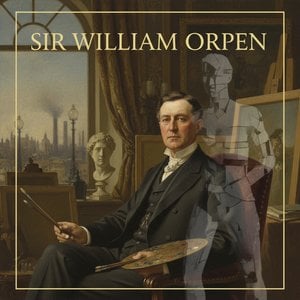
Sir William Orpen: A Study in Edwardian Portraiture & the Shadows of Modernity
Explore the life & art of Sir William Orpen, a master of Edwardian portraiture and poignant WWI depictions. Discover his unique realism, psychological depth, and enduring legacy in this insightful analysis.

C.R.W. Nevinson: A Vorticist Vision of War & Modernity
Explore the powerful art of C.R.W. Nevinson, a key British Vorticist painter. Discover his impactful depictions of WWI and evolution beyond Futurism. Expert analysis & high-quality reproductions at ArtsDot.

Sir William Nicholson: A Study in Post-Impressionist Portraiture & Decorative Modernism
Explore the life & work of Sir William Nicholson, a pivotal British Post-Impressionist painter. Discover his striking portraits, innovative woodcuts, and lasting influence on early 20th-century art. Expert insights for collectors.
