


 Pregledaj u prostoru
 Podeli
 Podeli
 Detalji
 Vodič
Vodič

 Preuzmi sliku
 Slični predmeti
 Rendgenski snimak
 Automatska prezentacija
 Statistika
A Marble Interior

 Pročitaj više
Ručno rađena uljana reprodukcija
Ručno oslikano uljanim bojama na platnu u dimenzijama i okviru po vašem izboru, izrađeno po porudžbini od strane naših umetnika. ( Pređi na prodaju štampanih primeraka Pređi na prodaju digitalnih slika)




































Izaberite jednu od naših unapred definisanih veličina koje odgovaraju originalnim proporcijama umetničkog dela.

Možete uneti sopstvene dimenzije kako biste prilagodili umetničko delo određenom okviru ili prostoru. Ako odabrana veličina ne odgovara proporcijama originala, slika će biti isečena ili proširena dodatnim elementima koji se ručno oslikavaju. Digitalni prikaz će vam biti poslat na odobrenje pre početka proizvodnje.
Imajte na umu da pregled na ekranu ne odražava stvarno prisecanje ili proširenje. Samo mockup će precizno prikazati konačnu kompoziciju.
Iako su dostupne prilagođene veličine, preporučujemo da izaberete dimenziju iz unapred definisane liste kako biste sačuvali originalne proporcije.
Nakon narudžbine, tim ArtsDot.com će klijentu putem e-pošte poslati uputstva i dostaviti prikaz predloženog rešenja
Svetska isporuka () za 3/4 nedelje umesto uobičajenih 5 nedelja. (25 септембар). Bez kompromisa po pitanju kvaliteta.

Besplatna ekspresna dostava širom sveta

Visokokvalitetno laneno platno

Sveobuhvatno osiguranje transporta

Garancija povraćaja carine i uvoznih dažbina

Garancija vernosti boja i autentičnosti pri reprodukciji

Politika povraćaja u roku od 100 dana (samo u slučaju nedostataka)

Garancija povrata 100% novca

Popust pri većoj količini
 Opcija sa staklom dostupna je samo za dimenzije manje od 110 cm

A Marble Interior
Tehnika izrade reprodukcije
Veličina reprodukcije
-


Ukupna cena
$ 263
Srodna umetnička dela


Biografija umetnika
Ser Edvard Džon Pointner: Život u umetnosti
Rani život i obrazovanje
Ser Edvard Džon Pointner, prvi baronet GCVO, PRA (rođen 20. marta 1836. – preminuo 26. jula 1919), bio je vodeći engleski slikar, dizajner i crtač. Služeći kao predsednik Kraljevskog akademicije, učvrstio je svoje mesto u istoriji viktorijanske umetnosti. Pointner je rođen u Parizu, u Francuskoj, kao sin arhitekte Ambroza Pointnera, mada se njegova porodica ubrzo vratila u Britaniju. Njegovo rano obrazovanje odvijalo se u Brighton College i Ipswich School, ali loše zdravlje primoralo ga je da zime provodi na Madeiri i u Rimu. Upravo je u Rimu 1853. godine sreo Fredrika Lejtona, što je bio presudan susret koji je duboko uticao na njegov umetnički pravac. Svoje studije je nastavio u Akademiji Leigh u Londonu i u školama Kraljevske akademije pre nego što je otišao u Pariz, gde je studirao pod radom klasicističkog slikara Šarla Glejra, zajedno sa kolegama studentima kao što su Džejms Meknil Vajs i Džordž du Morje.Umetnički razvoj i uticaji
Pointnerov umetnički razvoj oblikovao je spoj klasičnih ideala, istorijskih narativa i tadašnje budeće fascinacije egzotikom. Njegova rana dela pokazivala su snažne temelje u akademskoj tehnici, izbrušenim kroz rigoroznu obuku. Uticaj Lejtona jasno se vidi u Pointnerovoj pedantnoj pažnji posvećenoj detaljima i rafiniranom estetskom osećaju. Atmosfera Pariza i podučavanja Glejra usadili su u njega poštovanje prema klasičnoj formi i kompoziciji. Takođe, na njega su uticala arheološka otkrića i rastuća viktorijanska fascinacija drevnim kulturama, naročito onima Egipta i Bliskog istoka.Glavna dela i teme
Pointner je najbolje poznat po svojim istorijskim slikama velikih formata. Neka od njegovih najslavnijih dela uključuju:- Izrael u Egiptu (1867): Dramatičan prikaz biblijskog egzoda, koji prikazuje Pointnerovu veštinu u narativnoj kompoziciji i postizanju atmosferskih efekata.
- Sveti Džordž za Englesku (1869): Mozaik kreiran za Palatu Vestminaštra, koji otelovljuje patriotsku temu i pokazuje njegovu svestranost kao umetnika.
- Poseta kraljice Šebe kralju Solomonu (1871-75): Možda njegovo najpoznatije delo, ova slika je primer viktorijanskog orijentalizma i prikazuje raskošne detalje i dramatično pripovedanje.
- Kralj Solomon (1890): Još jedno značajno delo koje istražuje biblijske teme sa fokusom na veličanstvenost i istorijsku tačnost.
Zvanične pozicije i priznanja
Pointnerova karijera prevazilazila je samo slikarstvo; zauzimao je nekoliko prestižnih pozicija unutar umetničkog establishmenta:- Prvi Slade profesor na University College London (1871-1875)
- Direktor Nacionalne škole za umetnost (1875-1881)
- Direktor Nacionalne galerije (1894-1904), nadgledajući otvaranje Tate galerije.
Istorijski značaj i nasleđe
Doprinos sira Edvarda Džona Pointnera viktorijanskoj umetnosti bio je ogroman. Kao umetnik, on je uhvatio duh svog doba kroz grandiozne istorijske slike i upečatljive prikaze klasičnih tema. Njegove liderske uloge unutar Kraljevske akademije pomogle su u oblikovanju umetničkog obrazovanja i politike tokom perioda značajnih promena. On je premostio jaz između akademske tradicije i novonastalih modernih trendova. Štaviše, njegove porodične veze – uključujući srodnost sa Rudjardom Kipringom i Stenlijem Boldinom – postavile su ga u samo srce viktorijanskog društva. Njegovo delo se i dalje ceni zbog tehničke veštine, narativne snage i prodorne refleksije kulturnih vrednosti viktorijanske ere.
Sir Edvard Džon Pointner
1836 - 1919 , Francuska
Srodni članci

Harmonizacija Kontrasta: Integracija Apstraktne Umetnosti u Klasične Enterijere za Vječnu Modernost
Откријте тајне хармонизовања класичних ентеријера и апстрактне уметности! Ексклузивни савети професионалних дизајнера за луксузан, безвременски стил. Инспиришите се и трансформишите ваш дом!

Timeless Elegance: The Ultimate Buyer's Guide to Choosing Classical Portraits for Sophisticated Interiors
Discover how to select the perfect classical portrait for your home. Our expert guide explores matching art styles to interiors, choosing between hand-painted oils and Giclée prints, and transforming personal photos into timeless masterpieces with professional artistry.
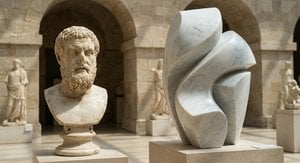
The Enduring Allure of Marble in Art History: From Classical Sculpture to Modern Abstraction
Explore the captivating history of marble sculpture from ancient Greece to modern art. Discover renowned artists like Canova & Michelangelo, carving techniques, and investment insights at ArtsDot.

Edward Hopper: 25 Remek-dela Američkog Realizma za Vaš Dom | ArtsDot
Istražite 25 ремек-дела Edward Hopper-a! Otkrijte приче иза његових најпознатијих слика, симболизма америчког реализма и уметничке технике. Купите висококвалитетне репродукције на ArtsDot.com.

Neo-Classicism's Greatest Hits: 10 Masterpieces for Your Home |
Journey through Neo-Classicism's finest! Explore 10 iconic masterpieces by David, Ingres & Canova. Discover art history, techniques & timeless beauty – perfect for inspiring your home decor. Find museum-quality reproductions at