


 Pregledaj u prostoru
 Podeli
 Podeli
 Detalji
 Vodič
Vodič

 Preuzmi sliku
 Slični predmeti
 Rendgenski snimak
 Automatska prezentacija
 Statistika
Parnassus or Apollo and the Muses
 Oil On Canvas
- WallArt
- Baroque
 1640
1640 88.0 x 221.0 cm
 Szépművészeti Múzeum
 Pročitaj više
Ručno rađena uljana reprodukcija
Ručno oslikano uljanim bojama na platnu u dimenzijama i okviru po vašem izboru, izrađeno po porudžbini od strane naših umetnika. ( Pređi na prodaju štampanih primeraka Pređi na prodaju digitalnih slika)




P118B $10

P118H $10

P118W $10

P438Z $10

P508JH $12

P508YH $12

P805H $10

P805Z $10

P919BZ $10

P919G $10

P919XJ $10

P959ZH $10

P968JZ $12

W106C $8

W218G $10

W218JH $8

W218Y $10

W307PJ $10

W316G $10

W316PJ $8

W316Y $10

W398PJ $8

W4111J $10

W500HY $15

W500JH $15

W692G $12

W849H $8

W940BG $15

W953PJ $8




Izaberite jednu od naših unapred definisanih veličina koje odgovaraju originalnim proporcijama umetničkog dela.

Možete uneti sopstvene dimenzije kako biste prilagodili umetničko delo određenom okviru ili prostoru. Ako odabrana veličina ne odgovara proporcijama originala, slika će biti isečena ili proširena dodatnim elementima koji se ručno oslikavaju. Digitalni prikaz će vam biti poslat na odobrenje pre početka proizvodnje.
Imajte na umu da pregled na ekranu ne odražava stvarno prisecanje ili proširenje. Samo mockup će precizno prikazati konačnu kompoziciju.
Iako su dostupne prilagođene veličine, preporučujemo da izaberete dimenziju iz unapred definisane liste kako biste sačuvali originalne proporcije.
Nakon narudžbine, tim ArtsDot.com će klijentu putem e-pošte poslati uputstva i dostaviti prikaz predloženog rešenja
Svetska isporuka () za 3/4 nedelje umesto uobičajenih 5 nedelja. (24 септембар). Bez kompromisa po pitanju kvaliteta.

Besplatna ekspresna dostava širom sveta

Visokokvalitetno laneno platno

Sveobuhvatno osiguranje transporta

Garancija povraćaja carine i uvoznih dažbina

Garancija vernosti boja i autentičnosti pri reprodukciji

Politika povraćaja u roku od 100 dana (samo u slučaju nedostataka)

Garancija povrata 100% novca

Popust pri većoj količini
 Opcija sa staklom dostupna je samo za dimenzije manje od 110 cm

Parnassus or Apollo and the Muses
Tehnika izrade reprodukcije
Veličina reprodukcije
-


Ukupna cena
$ 263
A Celestial Gathering: Simon Vouet’s “Parnassus or Apollo and the Muses”
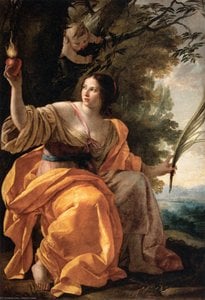
Simon Vouet's "Parnassus or Apollo and the Muses," painted around 1640, isn’t merely a depiction of Greek mythology; it’s an immersive experience—a carefully constructed tableau of intellectual pursuit, divine inspiration, and harmonious beauty. The painting, now housed in collections worldwide, captures a pivotal moment on Mount Parnassus, the legendary home of the Muses – goddesses who preside over arts and sciences. Vouet, a key figure in transitioning French art from Mannerism to the Baroque, masterfully blends Italian influences with his own distinctly French sensibility, creating an image that resonates with both classical grandeur and intimate human connection. The sheer scale of the work—measuring 88 x 221 cm—draws the viewer into this vibrant scene, inviting them to become a silent participant in the gathering.A Baroque Symphony of Light and Color
Vouet’s technique is characterized by a remarkable realism combined with an idealized elegance – hallmarks of the Baroque style. He employs *sfumato*, a subtle blurring of lines and colors, to create a sense of atmospheric depth and volume, particularly evident in the drapery and the figures themselves. The palette is rich and luminous, dominated by warm earth tones—ochres, siennas, and reds—contrasted with cooler blues and greens that suggest the ethereal quality of Mount Parnassus. Light plays a crucial role; it’s not merely illuminating the scene but actively shaping it, emanating from unseen sources to bathe the figures in a golden glow. This masterful use of light creates an almost theatrical effect, as if we are witnessing a sacred performance. The composition is carefully balanced, with Apollo, the central figure, positioned at the heart of the gathering, radiating authority and artistic inspiration.The Muses and Their Domains
At the center of this intellectual haven stands Apollo Musagetes, the leader of the Muses, engaged in playing a lyre. Each Muse is depicted with distinct attributes reflecting her specific domain: Calliope, the muse of epic poetry, holds a scroll; Terpsichore, the muse of dance, carries a flute; and Clio, the muse of history, clutches a laurel wreath. The arrangement isn’t random; it represents the interconnectedness of all artistic disciplines. The figures are not simply posed but engaged in conversation and activity—a lively exchange of ideas and creative sparks. Notice the details: the instruments, the books, the gestures – each element contributes to the painting's narrative richness. The inclusion of musical instruments underscores the importance of music as a source of inspiration for all the arts.Symbolism and the Pursuit of Knowledge
“Parnassus or Apollo and the Muses” is laden with symbolism, reflecting the Renaissance fascination with classical learning and the pursuit of knowledge. Mount Parnassus itself represents the highest point of intellectual achievement—a place where inspiration flows freely. The gathering embodies the ideal of *studia humanitatis* – the study of humanities – a cornerstone of Renaissance education. Apollo’s role as the patron of the arts reinforces this theme, suggesting that artistic creation is divinely inspired and fundamentally linked to reason and intellect. The painting isn't just about beautiful imagery; it’s a meditation on the nature of creativity, the importance of learning, and the enduring power of human imagination.A Timeless Masterpiece for Reflection and Inspiration
Vouet’s “Parnassus or Apollo and the Muses” remains a profoundly moving work of art. Its harmonious composition, luminous colors, and rich symbolism continue to captivate viewers centuries after its creation. Whether admired as a historical document, a technical masterpiece, or simply a beautiful image, it serves as a potent reminder of the enduring value of knowledge, creativity, and the pursuit of beauty in all its forms. Reproductions of this painting offer an opportunity to bring this celestial gathering into any space, fostering contemplation and inspiring a deeper appreciation for the arts.Srodna umetnička dela




Biografija umetnika
Симон Вуе: Пионер француске бароке живописи
- Рођен: 9. јануар 1590, Париз, Француска
- Умро: 30. јун 1649, Париз, Француска
Симон Вуе је био кључна фигура у преласку француске живописи из манераizma ка барочном стилу. Рођен у umetničkoj породици – његов отац Лоран беше сликар, а брат Обен такође се бавио уметношћу – Вуе је добио рано образовање које је заложило темеље за његољски успех. Нијеком, Лудовико Дорињи, наставиће породичну уметничку наследницу.
Рани каријере и италијански утицаји (1608-1627)
- Ран портретирање: Вуе је започео кариjerу као портретиста, демонстрирајући рани таленат.
- Путовање у Енглетан (1608): У младим годинама, уз 14 година, путовао је у Енглетан да нареди портрет, приказујући своју растућу репутацију.
- Османско ханци и Венеција: Године 1611. Вуе се придружио окружујућем кругу барона де Сансија, француског посланика у Османско ханци, поново за портретирање. Ово путовање га је одвело кроз Константиноপল, а затим и до Венеције 1612. године.
- Рим (1614-1627): Није време у Риму променило га. Остао је тамо тринаест година, промишљавајући се у живописној umetničkoj сцени нарастајуће бароке периода.
Током свог италијанског боравка, Вуе је апсорбовао различит спектар утицаја. Изучио је драматичне технике осветљења које су пионерирао Караваџо, усвајивши елементе италијанског манераizma, а са посебном пажњом анализирао палете боја и di sotto in su (перспектива испод и изнад) које је користио Паоло Веронезе. Такође се инспирисао радовима Карачија, Гуерцина, Ланфранка и Гуидо Рени, синтетишући ове различите стилове у јединствену umetničку визију.
Развој Вуевог карактеристичног стила
- Избор у Академију Сан Лука (1624): Његов успех у Риму кулминирао је избором као председник престижној Академије ди Сан Лука, сведочанство о његово вештину и признању у италијанском umetničком свету.
- Синтеза утицаја: Вуев стил карактерисао се способношћу да апсорбује и дистилира различите уметничке утицаје. Он није само копирао; интегришао је ове елементе у кохерентну и јасно италијански барочну естетику.
- Увођење бароке у Француску: По свом повратку у Француску 1627. године, Вуе је играо кључну улогу у увођењу италијанског барочног стила у француску живопис, значајно утицавајући на umetnički pejzaж земље.
Главни достигнућа и наслеђе
- Премјер пејнтер ду Роа (Premier Peintre du Roi): Вуе је именован Premier peintre du Roi (Први сликар краља) – позиција великог престижа и утицаја.
- Продуктивна раница: Одржавао је велику и активну раницу, обустављајући бројне уметнике који ће обликовати следећу генерацију француских сликара.
- Запамћени ученици: Међу његовим највтицајнијим ученицима били су Шарл Ле Бран (који касније организује све декоративно сликарство у Версају), Валентин де Булоњ, Шарл Алфонс ду Фресноа, Пјер Мињар, Јусташ Ле Суеур и Клод Мелан.
- Утицај на француску уметност: Вуев свој утицај проширио изван својих дела; његови ученици носио свој стил и технике шимље кроз Француску, успостављајући јединствено барочну школу живописа. Његов утицај је посебно очигледан у великим декоративним схемима које је наручио Луи XIV.
Историчко значајство
Наслеђе Симона Вуеа почива на његовој кључној uloци као моста између италијанске и француске уметности. Успешно је увозио динамику и великолепије италијанског барока, претварајући га у стил који је резоновао са укусима француског двора и аристократије. Његов утицај је несумњив у развоју француске живописи током 17. века, а његови доприноси данас се и даље препознају код историчара уметности.

Симон Вуе
1590 - 1649 , Francuska
Brzi pregled
- Artistic Movement Or Style: Barokna slika
- Artists Or Movements Influenced By This Artist:
- Šarl Le Brun
- Valentin de Boulogne
- Francuska barokna slika
- Artists Who Influenced This Artist:
- Karamaggio
- Paolo Veronese
- Carracci
- Guercino
- Lanfranco
- Guido Reni
- Date Of Birth: 9. januar 1590.
- Date Of Death: 30. jun 1649.
- Full Name: Simon Vouet
- Nationality: Francuski
- Place Of Birth: Pariz, Francuska
Srodni članci

Barok Majstor dela: Top 10 Umjetničkih Remeka za Vaš Dom
Otkrijte 10 remek dela koja su definisala baroknu umetnost! Karavagio, Bernini i više – istražite priče iza ovih ikoničnih slika. Inspiracija za vaš dom? Pogledajte kolekciju na ArtsDot.com!

Simon Vouet: A Baroque Master's Journey from Italian Influence to French Classicism
Explore the life & art of Simon Vouet, a pivotal French Baroque painter who introduced Italian styles to France. Discover his masterpieces and lasting influence on 17th-century art.

The Dramatic Flourish: Exploring the Baroque Movement's Enduring Legacy in Art History
Explore the dramatic world of Baroque art! Discover iconic artists like Caravaggio & Rubens, defining techniques, and its lasting impact on art history. Expert insights for collectors & enthusiasts at ArtsDot.

Charles Le Brun: Master of French Baroque Classicism & His Enduring Legacy
Explore the life & art of Charles Le Brun, master of French Baroque Classicism. Discover his royal commissions, influence on Versailles, and enduring legacy through detailed analysis & stunning artworks.

Барокна драма: Уношење величине и емоција у савремене ентеријере
Откријте барокну драму и унесите величину у ваш ентеријер! ArtsDot нуди ручно насликане репродукције, персонализоване портрете и стручне консултације за љубитеље класичне уметности. Потражите савршено дело већ данас!

