


 Pregledaj u prostoru
 Pošalji
 Podeli
 Detalji o delu

 Преузми
 Slični predmeti
 Rendgenski snimak
 Slajdovi
Untitled (3)

 Pročitaj više
Ručno rađena uljana reprodukcija
Ručno oslikano uljanim bojama na platnu u dimenzijama i okviru po vašem izboru, izrađeno po porudžbini od strane naših umetnika. ( Kupi print Kupi digitalnu sliku)




































Izaberite jednu od naših unapred definisanih veličina koje odgovaraju originalnim proporcijama umetničkog dela.

Можете унети сопствене димензије како бисте прилагодили дело одређеном оквиру или простору. Ако одабрана величина не одговара пропорцијама оригинала, слика ће бити исечена или проширена додатним елементима који се ручно насликавају. Дигитални prikaz ће вам бити послат на одобрење пре почетка производње.
Имајте на уму да преглед на екрану не одражава стварно исецање или проширење. Само приказ (mockup) ће тачно приказати коначну композицију.
Иако су доступне прилагођене величине, препоручујемо да одаберете димензију из дефинисане листе како бисте сачували оригиналне пропорције.
Nakon narudžbine, tim ArtsDot.com će klijentu putem e-pošte poslati uputstva i dostaviti prikaz predloženog rešenja
Isporuka širom sveta () za 3/4 nedelje umesto uobičajenih 5 nedelja. (16 август). Bez kompromisa po pitanju kvaliteta.

Besplatna ekspresna dostava širom sveta

Visokokvalitetno laneno platno

Kompletno osiguranje transporta

Garancija povraćaja carine i uvoznih dažbina

Garancija vernosti boja

Politika povrata u roku od 60 dana (samo u slučaju nedostataka)

Garancija povrata novca od 100%

Popust pri grupnoj kupovini
 Opcija sa staklom dostupna je samo za dimenzije manje od 110 cm

Untitled (3)
Tehnika reprodukcije
Dimenzije reprodukcije
-


Konačna cena
$ 263
Srodna umetnička dela


Biografija umetnika
Rudolf Belling: A Sculptor of Paradoxes
Rudolf Belling (1886-1972) wasn’t merely a sculptor; he was a provocateur, a theorist, and ultimately, a visionary who fundamentally challenged the established norms of 20th-century art. Born in Berlin into a family with roots in metalworking, Belling's early exposure to craftsmanship laid the groundwork for his later explorations of form and space. However, it wasn’t simply technical skill that defined him; rather, it was an insistent questioning of conventional sculptural approaches – a desire, as he himself described, to “show only good views.” This seemingly simple statement belied a complex intellectual project, one rooted in the writings of Benvenuto Cellini and fueled by a deep dissatisfaction with the prevailing theories of his time. Belling’s career became inextricably linked with periods of intense political upheaval, marked by exile, persecution, and ultimately, a remarkable resilience.Early Influences and Theoretical Foundations
Belling's artistic journey began in the early 1900s, initially within the framework of traditional sculpture training. Yet, he quickly recognized limitations in the prevailing emphasis on creating a single, definitive viewpoint – the idea that a sculpture should be “comprehensible” and never force the observer to circle it, as articulated by Adolf von Hildebrandt. This critique resonated deeply with Belling’s own artistic sensibilities. He drew inspiration from the Renaissance sculptor Benvenuto Cellini, whose writings advocated for sculptures possessing multiple compelling perspectives, mirroring the way we naturally perceive objects in our environment. This concept of “good views” became a central tenet of Belling's theory – that sculpture should embrace complexity and offer a multitude of engaging viewpoints simultaneously. This theoretical framework wasn’t merely academic; it directly informed his creative process, leading him to develop innovative techniques and explore unconventional materials.The "Dreiklang" and the Rise of a Maverick
Belling's most famous work, the “Dreiklang” (Triad) created in 1919-1924, perfectly encapsulates his theoretical principles. This monumental sculpture, constructed from bronze, exemplifies Belling’s desire to present multiple perspectives within a single form. The piece is deliberately ambiguous, inviting viewers to approach it from various angles and discover new relationships between its constituent parts. The “Dreiklang” immediately generated considerable debate among critics and fellow artists, establishing Belling as a controversial figure in the burgeoning avant-garde scene of Berlin. He was lauded by figures like Carl Einstein and Paul Westheim for his radical ideas, yet simultaneously challenged by established artistic voices who dismissed his work as overly complex or lacking in traditional beauty. This tension – between innovation and acceptance – became a recurring theme throughout Belling’s career.Exile, Re-evaluation, and the Istanbul Years
The rise of Nazism dramatically altered Belling's trajectory. In 1933, his work was deemed “degenerate” by the regime, leading to its destruction or confiscation. Forced into exile, Belling sought refuge in New York City in 1935, where he exhibited a selection of his most significant works at the Weyhe Gallery. This period provided him with invaluable exposure and allowed him to continue developing his theories, lecturing on modern sculpture and space. However, the looming threat of war prompted him to return to Germany in 1937, driven by concerns for his nine-year-old son, Thomas. His subsequent years in Istanbul were particularly formative, where he served as a lecturer at the Academy of Fine Arts, introducing Turkish students to the principles of modern sculpture and fostering a new generation of artists. During this time, Belling created a striking bronze statue of Mustafa Kemal Atatürk, Turkey’s founder, solidifying his position as a respected figure within the country's artistic landscape.Legacy and Lasting Influence
Rudolf Belling’s impact on 20th-century sculpture is profound, despite the challenges he faced throughout his career. His insistence on multiple viewpoints, his embrace of ambiguity, and his willingness to challenge established conventions paved the way for subsequent generations of sculptors. His theoretical writings continue to be studied by art historians and critics, while his sculptures – often characterized by their dynamic forms and complex spatial relationships – remain powerful testaments to his unique vision. Belling’s story is not simply one of artistic achievement; it's a poignant reflection on the intersection of art, politics, and personal resilience—a testament to an artist who refused to compromise his principles in the face of adversity. His work serves as a reminder that true innovation often arises from questioning the status quo and embracing the inherent paradoxes of form and space.
rudolf belling
1886 - 1972
Osnovne informacije
- Artistic Movement Or Style: Modern Sculpture
- Artists Or Movements Influenced By This Artist:
- Carl Einstein
- Paul Westheim
- Artists Who Influenced This Artist: ['Benvenuto Cellini']
- Date Of Birth: August 26, 1886
- Date Of Death: June 9, 1972
- Full Name: Rudolf Belling
- Nationality: German
- Notable Artworks:
- Dreiklang (Triad)
- Untitled Sculptures
- Place Of Birth: Berlin, Germany
Povezani članci

The Enduring Legacy of Bronze Sculpture: Technique, Symbolism & Cultural Impact
Explore the rich history & enduring appeal of bronze sculpture with expert insights for collectors. Learn about casting techniques, iconic artists, collecting tips & contemporary interpretations at ArtsDot.

Edgar Degas: Capturing Modern Life – A Study of Movement, Observation, and the Parisian Belle Époque
Explore the captivating world of Edgar Degas! Discover his innovative techniques, iconic ballet paintings, and unique portrayal of Parisian life in this insightful art history study.

Nasleđe bronze: Istorija, tehnike i savremene interpretacije skulpture – vodič za kolekcionare
Istražite bogatu istoriju bronze i tehnike livenja skulptura. Saveti za kolekcionare, investiciono vrednovanje i savremene interpretacije aluminijumske bronze. ArtsDot – stručnjaci za umetnost.
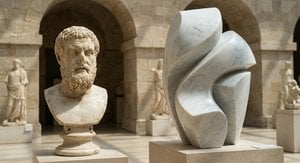
The Enduring Allure of Marble in Art History: From Classical Sculpture to Modern Abstraction
Explore the captivating history of marble sculpture from ancient Greece to modern art. Discover renowned artists like Canova & Michelangelo, carving techniques, and investment insights at ArtsDot.

The Enduring Legacy of Bronze Sculpture: A Collector's Guide to Form & Cultural Significance
Explore the rich history & enduring appeal of bronze sculpture with expert insights for collectors at ArtsDot. Learn about casting techniques, iconic artists, and collecting tips to build a discerning art collection.

