


 Pregledaj u prostoru
 Podeli
 Podeli
 Detalji
 Vodič
Vodič

 Preuzmi sliku
 Slični predmeti
 Rendgenski snimak
 Automatska prezentacija
 Statistika
The Microscope


 Pročitaj više
Ručno rađena uljana reprodukcija
Ručno oslikano uljanim bojama na platnu u dimenzijama i okviru po vašem izboru, izrađeno po porudžbini od strane naših umetnika. ( Pređi na prodaju štampanih primeraka Pređi na prodaju digitalnih slika)




P118B дин10

P118H дин10

P118W дин10

P438Z дин10

P508JH дин12

P508YH дин12

P805H дин10

P805Z дин10

P919BZ дин10

P919G дин10

P919XJ дин10

P959ZH дин10

P968JZ дин12

W106C дин8

W218G дин10

W218JH дин8

W218Y дин10

W307PJ дин10

W316G дин10

W316PJ дин8

W316Y дин10

W398PJ дин8

W4111J дин10

W500HY дин15

W500JH дин15

W692G дин12

W849H дин8

W940BG дин15

W953PJ дин8




Izaberite jednu od naših unapred definisanih veličina koje odgovaraju originalnim proporcijama umetničkog dela.

Unesite širinu i visinu koja vam je potrebna, kako bi se uklopili u vaš ram ili zid. Pošto je ovo ručno oslikano delo, umetnik može naslikati malo više prostora oko slike ili malo skratiti ivice za dimenzije drugačijeg oblika — izbor je na vama. Pre početka rada, poslaćemo vam digitalni prikaz radi potvrde. Slika prikazana na ovoj stranici ne predstavlja konačan rezultat — samo digitalni prikaz pokazuje stvarnu sliku.
Nakon narudžbine, tim ArtsDot.com će klijentu putem e-pošte poslati uputstva i dostaviti prikaz predloženog rešenja
Svetska isporuka () za 3/4 nedelje umesto uobičajenih 5 nedelja. (21 октобар). Bez kompromisa po pitanju kvaliteta.

Besplatna ekspresna dostava širom sveta

Visokokvalitetno laneno platno

Sveobuhvatno osiguranje transporta

Garancija povraćaja carine i uvoznih dažbina

Garancija vernosti boja i autentičnosti pri reprodukciji

Politika povraćaja u roku od 100 dana (samo u slučaju nedostataka)

Garancija povrata 100% novca

Popust pri većoj količini
 Opcija sa staklom dostupna je samo za dimenzije manje od 110 cm

The Microscope
Tehnika izrade reprodukcije
Veličina reprodukcije
-


Ukupna cena
дин 26957
A Window into Enlightenment: Examining Robert Walter Weir’s “The Microscope”
Robert Walter Weir's "The Microscope," completed in 1849, stands as a remarkable testament to the confluence of scientific curiosity and humanist ideals that characterized mid-nineteenth century America. More than just a portrait depicting Jacob Whitman Bailey, a prominent advocate for American microscopy and instructor at West Point, this painting embodies the Romantic spirit’s fascination with both reason and imagination—a duality Weir skillfully captures through meticulous observation and expressive brushwork. The artwork resides within Yale University Art Gallery's collection, offering visitors an opportunity to contemplate its enduring significance.- Subject Matter: At its core, “The Microscope” presents a tableau of intellectual engagement. Bailey, dressed in attire reminiscent of Galileo Galilei—a deliberate allusion to the Renaissance astronomer’s groundbreaking discoveries—demonstrates his knowledge to his sons and daughter, Maria. This familial scene underscores the importance of educating children not only in traditional arts but also in scientific pursuits, reflecting the burgeoning belief that fostering intellectual development was crucial for societal progress.
- Style & Technique: Weir’s style aligns firmly with the Hudson River School tradition, prioritizing atmospheric perspective and tonal gradation to convey a sense of grandeur and tranquility. Employing oil paints on canvas, he achieved remarkable realism through careful layering and blending—a hallmark of the era's artistic approach. The subdued palette—dominated by browns, greens, and blues—creates an environment that feels both scholarly and contemplative.
Historical Context: Science and Domestic Education in Victorian America
The painting emerged during a period marked by significant advancements in scientific understanding, particularly in microscopy. Scientists like Bailey were actively exploring the microscopic world, uncovering previously unseen organisms and challenging prevailing theories about disease and heredity. Simultaneously, Victorian society placed considerable emphasis on educating girls—primarily focusing on music, dance, and needlework—though figures like Bailey recognized the necessity of introducing science into female education. Weir’s depiction reflects this societal preoccupation with cultivating intellectual prowess in young women.- Symbolism: The inclusion of Galileo's garb serves as a powerful symbol—representing the triumph of observation and experimentation over dogma. Bailey’s stance, gazing intently at the microscope, embodies the Romantic conviction that scientific inquiry could illuminate the mysteries of creation. Furthermore, Maria’s presence symbolizes the future generation inheriting this enlightened worldview.
- Emotional Impact: “The Microscope” transcends mere representation; it evokes a feeling of serene intellectual pursuit and familial devotion. Weir's masterful use of light and shadow contributes to an atmosphere of quiet contemplation—encouraging viewers to appreciate the beauty inherent in knowledge and the importance of nurturing young minds.
Yale Center for British Art’s Perspective
The Yale Center for British Art considers “The Microscope” as a pivotal piece illustrating the Romantic movement's commitment to both reason and imagination. Its inclusion within the American Art before 1900 galleries underscores its significance in shaping artistic sensibilities during this formative period. The painting continues to inspire interior designers seeking to infuse their spaces with elements of intellectual curiosity and humanist values—a legacy that extends far beyond its original creation.Pitanja i odgovori
Koju emociju prenosi delo Romanticism pokreta "The Microscope"?
Reflective emocija dela "The Microscope" prati njegov Romanticism stil.
Postoje li dela slična delu "The Microscope"?
Stranica Slična dela za delo „The Microscope”, Robert Volter Vir prikazuje srodna umetnička dela.
Postoji li prezentacija u obliku slajdova za „The Microscope”, Robert Volter Vir?
Diaporama dela "The Microscope" možete pogledati na stranici Diaporama tog umetničkog dela.
Srodna umetnička dela


Biografija umetnika
Život urezan u istoriju: Svet Roberta Valtera Vira
Robert Valter Vir, rođen u Njujorku 18. juna 1803. godine, bio je ličnost duboko isprepletana sa umetničkim i obrazovnim tkivom Amerike devetnaestog veka. Njegova životna priča je priča o samoinicijativnoj posvećenosti, žeđi za klasičnim znanjem i neprestanoj predanosti podsticanju kreativnosti kod drugih. Rani år su videli kako se porodica Vir seli između Njujorka i Nju Rojela pre nego što su se do 1817. godine ponovo nastanili u gradu. Iako je prvobitno bio angažovan u trgovini, mladi Robert je osetio privlačnost umetničkog izražavanja, napustivši komerciju sa osamnaest godina, 1921. godine, kako bi se svim srcem posvetio slikarstvu. Ova odluka označila je početak putovanja koje će ga učiniti ne samo poštovanim umetnikom, već i ključnim edukatorom koji je oblikovao umove budućih lidera. Virova početna obuka bila je uglavnom samostalna, usavršena kroz marljiv rad u Njujorku od 1822. do 1824. godine. Međutim, upravo je njegovo naknadno boravište u Italiji – Firenci (1824–1825) i Rimu (1825–1827) – istinski razbudilo njegove umetničke senzibilitete. Prožet remek-delima Mikela𝓷đela i Rafaela, on je upio principe renesansne kompozicije i detalja, uticaja koji će odjekivati tokom čitave njegove karijere.Od platna do učionice: Dvostruko nasleđe
Po povratku u Njujork 1827. godine, Vir se brzo integrisao u tada rastuću umetničku zajednicu. Redovno je izlagao u Nacionalnoj akademiji dizajna, postajući pridruženi član 1829. godine, a zatim i punopravni akademik do ud 1831. godine – što su svedočanstva njegovog rastućeg umeća i priznanja. Ipak, upravo je drugi put bio onaj koji će definisati veći deo njegovog životnog rada: obrazovanje. Godine 1834, prihvatio je poziciju nastavnika crtanja u Vojnoj akademiji Sjedinjenih Država u Vest Pointu, u Njujorku. Ovo imenovanje nije bilo samo posao; bilo je to poziv. Napredovao je do mesta profesora crtanja 1846. godine i ostao posvećen ovoj ulozi neverovatnih četrdeset dve godine, sve do 1876. godine. Uticaj njegovog mandata je gotovo neizmerljiv. Vir nije samo podučavao crtanje; on je u generaciji budućih vojnih oficira utkao poštovanje prema umetnosti, posmatranju i vizuelnom razmišljanju. Među njegovim učenicima bili su ljudi čija će imena postati sinonim za Građanski rat: Ulysses S. Grant, Robert E. Lee, Jefferson Davis i James Abbott McNeill Whistler – izvanredan spisak koji pokazuje širinu njegovog uticaja. Mentorirao je i Seta Istmana, još jednog istaknutog umetnika koji je dokumentovao život Indijanaca. Njegov pedagoški pristup nije se svodio samo na tehničku veštinu; radilo se o negovanju prodiskutivnog oka i razvijanju sposobnosti kreativnog rešavanja problema koja će dobro služiti tim ljudima u njihovim budućim podvima.Škola𝐻udson River & Istorijski narativi
Vir se s pravom smatra članom škole Hudson River, američkog umetničkog pokreta koji je slavljen zbog svojih romantičnih prikaza pejzaža nacije. Iako su njegova platna često prikazivala istorijske teme, bila su prožeta istim osećajem veličanstvenosti i poštovanja prema prirodi koji je karakterističan za ovaj pravac. Njegov umetnički stil bio je duboko ukorenjen u klasičnim principima dobijenim tokom italijanskih studija – pedantno pažljivo posmatranje detalja, uravnotežene kompozicije i dramatična upotreba svetlosti i senke. Međutim, on nije samo replikovao renesansne tehnike; on ih je prilagodio američima temama i narativima. Možda njegovo najikoničnije delo predstavlja Isplovljivanje pilgrima, koje je američki Kongres naručio 1837. godine, a koje je postavljeno u rotundu Kapitola SAD 1843. godine. Ovo monumentalno slikarstvo nije samo istorijski prikaz; to je moćna alegorija hrabrosti, vere i temeljnih principa Amerike. Ostala značajna dela uključuju *Poslednji marš Burbona*, *Dosao Hendrik Hudson*, *Naš Gospod u Maslinjaku* i *Kolumbo pred Savetom u Salamanki*. Ova dela demonstriraju njegovu svestranost i posvećenost beleženju ključnih trenutaka istorije, uz istovremenu preciznost i emocionalnu rezonancu.Porodica, uticaj i trajno priznanje
Nasleđe Roberta Valtera Vira proteže se daleko izvan njegovih sopstvenih umetničkih dostignuća. On je uspostavio porodičnu tradiciju umetničke izvrsnosti; dvojica njegovih sinova krenula su njegovim stopama. Džon Ferɡuzon Vir postao je poštovani slikar i vajar, dok se Džulijan Alden Vir istaknuo kao istaknuti umetnik portreta, figure i pejzaža – čime je dodatno učvrstio prezime Vir u istoriji američke umetnosti. Robert Valter Vir se dva puta ženio i imao šesnaest dece, stvarajući živopisan porodični život uporedo sa svojim profesionalnim težnjama. Preminuo je 1889. godine, ostavljajući za sobom bogato umetničko nasleđe i trajan uticaj na američko obrazovanje. Danas se njegova dela i dalje izlažu u istaknutim muzejima i kolekcijama, osiguravajući da njegovi doprinosi ostanu vidljivi i cenjeni generacijama koje dolaze. Njegov uticaj se i danas može osetiti kroz bezbrojne umetnike koje je inspirisao, kako direktno kao učenike, tako i indirektno kroz svoju posvećenost negovanju kreativnosti i kritičkog razmišljanja.Trajni utisak
- Veza sa školom Hudson River: Virovo članstvo u ovom uticajnom pokretu učvrstilo je njegovo mesto u kanonu američkog pejzažnog slikarstva.
- Nasleđe Vest Pointa: Njegove četiri decenije u Vest Pointu duboko su oblikovale umetničke senzibilitete brojnih budućih vojnih lidera, demonstrirajući moć umetničkog obrazovanja.
- Majstorstvo istorijskog slikarstva: Dela poput *Isplovljivanja pilgrima* primer su njegove sposobnosti da uhvati značajne istorijske događaje sa dramskom efektom i simboličkom dubinom.
- Umetnička porodična dinastija: Uspeh njegovih sinova, Džona Ferɡuzona Vira i Džulijana Aldena Vira, dodatno je pojačao doprinos porodice američkoj umetnosti.

Robert Volter Vir
1803 - 1889 , Sjedinjene Američke Države
Brzi pregled
- Artistic Movement Or Style: Škola Hudsonic reke
- Artists Or Movements Influenced By This Artist:
- Džon Ferguzon Vir
- Džulijan Alden Vir
- Artists Who Influenced This Artist:
- Mišelanđelo
- Rafael
- Date Of Birth: 18. jun 1803.
- Date Of Death: 1. maj 1889.
- Full Name: Robert Volter Vir
- Nationality: Američka
- Notable Artworks:
- Polazak pilgrima
- Poslednja marša Burbona
- Sletanje Henrika Huda
- Naš Gospod na Maslinskoj gori
- Kolumbo pred Salamankom
- Place Of Birth: Njujork, SAD
Srodni članci

Robert Spencer: Luminism, Narrative & the American Landscape Tradition
Explore the captivating world of Luminism & the Hudson River School with our expert analysis. Discover the history, artists, and enduring beauty of 19th-century American landscape painting. Find museum-quality reproductions at ArtsDot.
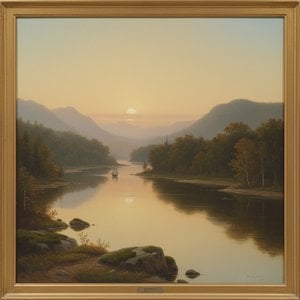
David Johnson: A Luminist Master of the Hudson River School & Beyond
Explore the captivating landscapes of David Johnson, a key figure in the Hudson River School & Luminism movement. Discover his artistic evolution, legacy, and how to collect his works with ArtsDot.

The Sublime Landscape: Exploring the Hudson River School Movement
Explore the captivating world of the Hudson River School! Discover the history, artists, and defining characteristics of this iconic American art movement. Learn about Romanticism's influence & find inspiration for your collection.

Top 10 Remek Dela Koja Su Definisala Hudson River School: Majstorski Priori Za Vaš Dom
Otkrijte 10 remek dela koja su definisala Hudson River School! Uronite u priče o Thomas Cole-u, Frederic Church-u i veličanstvenim pejzažima Amerike. Inspiracija za vaš dom – vrhunske reprodukcije na ArtsDot.com!
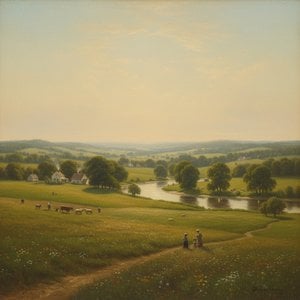
Thomas Worthington Whittredge: Capturing the American Pastoral Ideal with Luminist Light
Explore the luminous landscapes of Thomas Worthington Whittredge, a key figure in the Hudson River School and master of Luminism. Discover his captivating paintings & legacy with ArtsDot.