

- 75.0 x 65.0 cm


Slika prati vaše izbore: , .
Opis predmeta
René Magritte’s "The Silver Gap" (1926) presents a captivating surrealist scene of mirrored reflections and enigmatic circles, inviting viewers to question reality with this iconic Belgian artist's masterful composition. Discover or own this unique hand-painted reproduction.
 Pročitaj više
Biografija umetnika
René Magritte je belgijski umetnik koji je poznat po svojim surrealističkim slikama koje izazivaju pitanja o stvarnosti i percepciji. Najpoznatije su njegove slike kao što su „Ljubavnici“, „La trahèrie des images“ i „Čovek u stanju“.
Ručno rađena uljana reprodukcija
Ručno oslikano uljanim bojama na platnu u dimenzijama i okviru po vašem izboru, izrađeno po porudžbini od strane naših umetnika. ( Pređi na štampu Pređi na digitalnu sliku)
Ovo umetničko delo je zaštićeno autorskim pravima
Umetničko delo prikazano na ovoj stranici zaštićeno je autorskim pravima, što znači da zakonski nismo u mogućnosti da kreiramo niti prodajemo identičnu reprodukciju. Ova zaštita se sprovodi u skladu sa međunarodnim sporazumima kao što su Bernska konvencija i nacionalnim zakonima, uključujući i one koji su definisani u Američki zakon o autorskom pravu – Naslov 17.
Kao poštovana i legalna alternativa, nudimo prilagođene, ručno oslikane umetničke radove inspirisane originalom. Naši stručni i profesionalni umetnici pažljivo proučavaju stil, ambijent i umetničku suštinu originala kako bi kreirali novo, unikatno delo koje budi istu emociju – ostajući pritom potpuno autentično stvaranje.
Ovaj metod je u potpunosti usklađen sa regulativama o autorskim pravima jer ne podrazumeva kopiranje ili dupliranje zaštićenih umetničkih dela. Umesto toga, reč je o kreativnoj reinterpretaciji – novom slikarskom delu koje je inspirisano originalom, ali nije identično njemu.
Saznajte više o ovoj slici
 Pregledaj u prostoru
 Pošalji
 Podeli
 Detalji o delu
 Vodič
Vodič

 Preuzmi
 Slični predmeti
 Rendgenski snimak
 Automatska prezentacija
 Pitanja i odgovori
 Statistika
Naručite svoju sliku u četiri jednostavna koraka
Ne žurite. Možete promeniti bilo koji odgovor; cena u vašoj korpi se ažurira nakon svakog izbora.
1 Prvi od četiri koraka
Koju veličinu želite?
Ovi formati zadržavaju proporcije originalnog slikarskog dela. Crtež prikazuje vaš izbor na zidu, iznad dvometarske garniture.
Ili unesite sopstvene dimenzije
Izaberite jednu od naših unapred definisanih veličina koje odgovaraju originalnim proporcijama umetničkog dela.

Unesite potrebnu širinu i visinu kako bi se slika uklopila u vaš ram ili zid. Pošto je ovo ručno oslikano delo, umetnik može za dimenzije drugačijeg oblika naslikati malo više prostora oko slike ili malo skratiti ivice — izbor je na vama. Pre početka rada, poslaćemo vam digitalni prikaz radi potvrde. Slika prikazana na ovoj stranici ne predstavlja konačan rezultat — samo digitalni prikaz pokazuje stvarnu sliku.
2 Drugi od četiri koraka
Na koji način želite da bude pripremljeno: u rolni, na platnu ili u ramu?
Cene u nastavku odnose se na dimenziju koju ste izabrali u prvom koraku.
Izaberite ivice platna
Izaberite svoj okvir

Beli rub дин1

zamrljene ivice дин1

Prošireno дин1

P118B дин10

P118H дин10

P118W дин10

P438Z дин10

P508JH дин12

P508YH дин12

P805H дин10

P805Z дин10

P919BZ дин10

P919G дин10

P919XJ дин10

P959ZH дин10

P968JZ дин12

W106C дин8

W218G дин10

W218JH дин8

W218Y дин10

W307PJ дин10

W316G дин10

W316PJ дин8

W316Y дин10

W398PJ дин8

W4111J дин10

W500HY дин15

W500JH дин15

W692G дин12

W849H дин8

W940BG дин15

W953PJ дин8

H24-GOLD дин30

H24-SILVER дин30

H36-GOLD дин45

H36-SILVER дин45
Uokvireno
Profil: . Ukupna veličina sa okvirom: .
3 Treći od četiri koraka
Da li biste želeli da nešto promenite na slici?
Većina ljudi odgovara sa ne. Pošto je svaka slika ručno rađena, naš umetnik je može i prilagoditi vašim željama.
Nakon porudžbine, tim ArtsDot.com će poslati imejl klijentu radi dobijanja uputstava i dostaviti prikaz makete
4 Četvrti korak od četiri
Nekoliko opcija za završnu obradu
Sve su opcione. Odgovori koji su već izabrani ne podrazumevaju dodatni trošak.
Ko je autor?
Svetska isporuka () za 3/4 nedelje umesto uobičajenih 5 nedelja. (5 новембар). Bez kompromisa po pitanju kvaliteta.
Plakica, kao u muzeju?
Detalji gravirane bronze ploče
This elegant plaque features the artist's name and the title of the artwork, finely engraved for a timeless presentation.
It is made from bronze with a refined, elegant finish. The text is precisely laser-engraved for a sharp and permanent result. Measuring 9x2 cm, the plaque is compact yet easy to read. It's built to be durable and scratch-resistant, offering a professional, museum-quality look. Mounting is simple thanks to the included adhesive backing.
Detalji prozirne akrilne pločice
The plaque includes essential engraved details such as the artist's name, the title of the artwork, the date it was created, the type of media used-like oil on canvas or watercolor-a brief description of the piece, and a QR code that links to the complete artwork information.
It is crafted from clear acrylic, offering a sleek, modern appearance. The text is UV-engraved in black to ensure strong visual contrast. With a size of 10x15 cm, it ensures optimal readability. It comes equipped with two metal hooks for secure wall mounting. The plaque is designed to be weather-resistant, making it suitable for various environments, and it includes interactive features that work seamlessly with smartphone scanning.
Detalji crne akrilne pločice
This elegant plaque includes engraved information such as the artist's name, the title of the artwork, the date it was created, the type of media used (like oil on canvas or watercolor), a short description of the artwork, and a QR code for quick access to more information.
The plaque itself is made from refined black acrylic with a premium finish. The text is laser-engraved in white for high contrast and readability. Its size is 10x15 cm, designed to be easy to read. It comes with two metal hooks for professional mounting. The design is sleek and fits any interior style. It is also weather-resistant and durable, with built-in digital integration for mobile compatibility.
Zaštitni lak?
Kada vam je potrebno?
✓ Proverite i naručite
Vaša slika, upravo onakva kakvu ste naručili

The silver gap
Tehnika reprodukcije
Dimenzije reprodukcije
-

Vrhunski maestri umetnosti
Više detalja, prefinjenosti i dodatnog vremena za izradu
-

Okvir za reprodukciju
-
-
Za umetnička dela ili reprodukcije čija je bilo koja strana veća od 105 cm (približno 41 inč), okvir će biti isporučen u obliku rastavljenog seta za sklapanje. Ovaj metod osigurava bezbednu dostavu i sprečava oštećenja tokom transporta.
Potrebna je profesionalna montaža – ovo nije proizvod namenjen samostalnoj izradi.
Set mora sastaviti i platno zategnuti iskusni profesionalni ramitelj, koristeći drveni lepak (nije uključen u set), hvataljku za zatezanje platna i stege kako bi se održao prav ugao okvira dok se lepak suši. Nepravilno sklapanje ili neravnomerno zategnuto platno mogu trajno oštetiti umetničko delo, što nije pokriveno našom garancijom.
 Za umetnička dela ili reprodukcije čija je bilo koja strana veća od 105 cm (približno 41 inč), okvir će biti isporučen u obliku rastavljenog seta za sklapanje. Ovaj metod osigurava bezbednu dostavu i sprečava oštećenja tokom transporta.
Sve šipke od masivnog drveta su uključene, precizno isečene po veličini.
Montira se pomoću priloženih šrafova, uz dodatno korišćenje lepka za drvo za spojeve u uglovima, koji nije uključen u set i koji vaš čuvar okvira mora obezbediti.
Potreban je profesionalni alat koji nije uključen u set: klešta za zatezanje platna (zatezač) i stege za održavanje pravih uglova letvica tokom sušenja lepka.
Važno:
Za spojeve u uglovima neophodan je lepak za drvo, šipke se moraju pričvrstiti stezgama dok lepak potpuno ne osuši, a za zatezanje platna na sklopljenom ramu potrebne su hvataljke za zatezanje platna. Nijedan od ovih alata nije uključen u komplet. Pre naručivanja ove veličine, molimo Vas da unapred obezbedite iskusnog profesionalca za ramačenje.

Kratki opis natpisa
-
-

Zaštitni lak
Sjajni lak (pojačava intenzitet boja, štiti od svetlosti i vlage)
-

Personalizujte svoje umetničko delo
Primeri mogućnosti izmene: Zamena lica fotografijom kupca; Dodavanje ljubimca (npr. zamena mačke psom); Uključivanje skrivene poruke u pozadini; Promena pejzaža ili elemenata pozadine.
-

Hitna dostava
Svetska isporuka () za 3/4 nedelje umesto uobičajenih 5 nedelja. (5 новембар). Bez kompromisa po pitanju kvaliteta.
-
Brza dostava
Dostava širom sveta () u roku od 5 nedelja. (12 новембар).
Uključeno u cenu
Ukupna cena
дин 27576
Opcija sa staklom dostupna je samo za dimenzije manje od 110 cm
Uključeno uz svaku porudžbinu
- Besplatna ekspresna dostava širom sveta
- Visokokvalitetno laneno platno
- Potpuno osiguranje transporta
- Garancija povraćaja carine i uvoznih dažbina
- Garancija vernosti boja
- Politika povraćaja u roku od 100 dana (samo u slučaju nedostataka)
- Garancija povrata 100% novca
- Popust na više proizvoda


A Reflection on Reality: René Magritte’s “The Silver Gap”
René Magritte's "The Silver Gap," painted in 1926, is more than just a depiction of mirrors and circles; it’s a meticulously crafted exploration of perception, illusion, and the unsettling nature of reality itself. Executed during a pivotal moment in Surrealist art – a movement that sought to unlock the unconscious mind through dreamlike imagery – this piece exemplifies Magritte's signature style: deceptively simple compositions layered with profound philosophical questions. Measuring 75 x 65 cm, the artwork invites viewers into a space where familiar objects transform into enigmatic symbols, challenging our fundamental understanding of how we see and interpret the world.
- Surrealist Techniques: Magritte masterfully employs techniques associated with Surrealism, notably the juxtaposition of incongruous elements. The mirrored reflections create an infinite regression, a visual trap that disorients the viewer and blurs the line between what is real and what is merely a representation.
- Compositional Intrigue: The carefully placed circles on the wall – one above the other – are not mere decorative additions. They subtly disrupt our sense of depth and perspective, further contributing to the painting’s unsettling effect. Their placement draws attention to the central mirror, intensifying its impact.
The Weight of Memory: Symbolism in Magritte's Vision
The genesis of "The Silver Gap" is inextricably linked to Magritte’s personal history. The recurring motif of veiled figures and obscured faces – a direct consequence of his mother’s tragic death – permeates the artwork, subtly reminding us that our perceptions are shaped by memory, loss, and the inherent difficulty in grasping the totality of experience. The chair positioned near the left side could be interpreted as a symbol of contemplation or perhaps even mourning, adding another layer of emotional resonance to the scene. The red object at the bottom right corner is deliberately ambiguous, acting as a focal point that draws the eye while simultaneously refusing to offer any definitive meaning – mirroring the elusive nature of truth itself.
Historical Context and Magritte’s Place in Surrealism
Created in 1926, “The Silver Gap” sits squarely within the burgeoning movement of Surrealism. Magritte, along with artists like Salvador Dalí, was pushing against the rationalism of the early 20th century, seeking to tap into the subconscious and explore the irrational. However, unlike Dalí’s overtly fantastical imagery, Magritte favored a more restrained approach, grounding his surreal visions in everyday objects and settings. This deliberate choice – presenting the bizarre within the familiar – heightened the painting's impact, forcing viewers to confront their own preconceptions about reality. His work anticipated later developments in conceptual art, emphasizing the viewer’s role as an active participant in constructing meaning.
Emotional Impact and Artistic Value
"The Silver Gap" is a powerfully evocative artwork that continues to resonate with audiences today. Its unsettling composition and ambiguous symbolism invite contemplation on themes of identity, perception, and the nature of reality. This hand-painted reproduction captures not only the visual details of Magritte’s original masterpiece but also the emotional depth and intellectual complexity that define his work. It's a piece ideal for collectors seeking to own a significant work by one of the 20th century’s most influential artists, or for interior designers looking to introduce an element of mystery and intrigue into their spaces.
Pitanja i odgovori
Da li je dostupno preuzimanje "The silver gap" u visokoj rezoluciji?
Da biste dobili digitalnu verziju dela „The silver gap”, autor Рене Магрит, poručite je putem preuzimanje digitalne slike visoke rezolucije na stranici Digitalna slika u visokoj rezoluciji.
Od čega je izrađeno "The silver gap" i u kom stilu?
„The silver gap“ je urađeno u tehnici Acrylic On Canvas, u stilu Surrealist Movement.
Da li je „The silver gap”, autor Рене Магрит poznato umetničko delo?
"The silver gap" je klasifikovan kao Recognized.
Srodna umetnička dela


Рене Магрит
1898 - 1967, Belgija
Biografija umetnika
Early Life and the Seeds of Surrealism
René Magritte, geboren René François Ghislain Magritte am 21. November 1898 in Lessines, Belgien, trat in eine Welt ein, die sein enigmatisches künstlerisches Sehen tiefgreifend prägen würde. Sein frühes Leben war geprägt von einem erschütternden Ereignis – dem Selbstmord seiner Mutter als er nur dreizehn Jahre alt war. Das Bild ihrer Leiche beim Wiederaufbau durch den Sambre Fluss mit ihrem Kleid, das ihr Gesicht verdeckte, wurde ein obsessives Motiv, das sich subtil in seinen späteren Arbeiten widerspiegelte und eine kontinuierliche Erforschung verborgener Realitäten zum Ausdruck brachte. Dieses frühe Trauma instillte ihm eine Faszination für Mysterium, Verlust und die erschreckende Macht dessen, was nicht gesehen wird. Obwohl Einzelheiten seines Kindeslebens nur schwer zu finden sind, ist klar, dass diese formative Erfahrung seinen lebenslangen Zweifel an Wahrnehmung und Darstellung begründete. Er begann mit Zeichnungen im Alter von zehn Jahren und offenbarte eine natürliche Neigung zum visuellen Ausdruck, erkundete aber zunächst Impressionismus bevor er einen Weg einschlug, der ihn dazu führte, einer der bedeutendsten Figuren in der Surrealistischen Kunst zu werden.
Artistic Development and Influences
Magrittes künstlerische Reise war nicht unmittelbar oder einfachweg erfolgreich. Er studierte an der Académie Royale des Beaux-Arts in Brüssel und fand ihre traditionellen Methoden erstickend. Sein frühes Werk experimentierte mit Futurismus und Kubismus und ließ sich Elemente dieser Avantgarde Bewegungen aufnehmen, lehnte aber deren ausschließlich formale Interessen ab. Es gelang ihm nicht bis zum Begegnen mit Giorgio de Chiricos Gemälde *Die Melodie der Liebe* im Jahr 1922, dass Magritte eine Resonanz entdeckte, die seinen künstlerischen Kurs für immer veränderte. De Chiricos traumhafte Landschaften und verstörende Kombinationen öffneten ihm einen neuen Blick – eine Welt, in der das Bekannte fremd erscheinen konnte und das Gewöhnliche tiefgreifende Mysterium aufnehmen konnte. Dieses Erlebnis entfachte sein Engagement für Surrealismus, obwohl er oft eine einzigartige Distanz zu seinen ausgeprägtesten psychologischen oder automatischen Ansätzen bewahrte. Er bevorzugte eine präzise Technik, um reale Szenarien darzustellen und ließ sich nicht von anderen Mitgliedern der Bewegung beeinflussen.
The Heart of Surrealism: Challenging Reality
Bis 1926 hatte Magritte sich vollständig dem Wesen des Surrealismus verschrieben und schuf *Le Jockey Perdu (Der Verlorene Jockey)*, das allgemein als sein erstes wirklich surrealistisches Werk angesehen wird. Allerdings war seine Art von Surrealismus einzigartig. Er interessierte sich nicht für die Erkundung des Unterbewusstseins durch frei assoziative oder traumhafte Bilder wie einige seiner Zeitgenossen. Stattdessen suchte Magritte nach einer neuen Möglichkeit zu sehen – eine Welt, in der das Bekannte fremd erscheinen konnte und das Gewöhnliche tiefgreifende Mysterium aufnehmen konnte. Er war nicht daran interessiert, die Oberfläche von Objekten zu erforschen oder eine bestimmte Perspektive einzunehmen wie andere Künstler seiner Zeit. Magritte konzentrierte sich darauf, die Wahrnehmung von Realität herauszufordern, indem er alltägliche Objekte in unerwarteten Kontexten präsentierte und damit dazu aufforderte, eigene Annahmen über die Welt um uns herum zu hinterfragen.
Iconic Works: Paradoxes of Perception
Magritte’s oeuvre is marked by a distinctive preoccupation with paradoxes – visual illusions that disrupt our understanding of reality and invite contemplation. *Les Amants (Die Liebenden)*, geschaffen zwischen 1927 und 1928, zeigt zwei Figuren hinter einem Vorhang, deren Gesichter verdeckt sind und somit eine zentrale Frage aufwirft: Wie können wir wirklich sehen? Diese berühmte Darstellung wird oft als ein Echo des frühen Traumas von Magrittes Mutter interpretiert – einer Figur, die sowohl eine Faszination für Geheimnis und Intimität als auch eine Reflexion über Verlust und Verbergenheit zum Ausdruck bringt. *The Treachery of Images (Dieses Bild ist kein Rohr)* (1929) ist ein Meisterwerk der Surrealistischen Kunst und stellt einen klassischen Fall von Dekonstruktion dar: Ein Bild wird nicht das Ding selbst, sondern lediglich eine Darstellung davon. Magritte nutzt eine hohe technische Präzision und eine sorgfältige Auswahl von Materialien, um diese paradoxe Aussage zu verstärken und uns daran zu erinnern, dass eine Repräsentation niemals die Sache ist.
Legacy and Influence
Despite initial difficulties in gaining recognition, Magritte’s work gradually gained prominence, insbesondere in den Vereinigten Staaten mit Ausstellungen im Jahr 1936 und später retrospektiven Veranstaltungen beim Museum of Modern Art (1965) und dem Metropolitan Museum of Art (1992). Er blieb politisch engagiert und setzte sich für künstlerische Autonomie ein. Er entwickelte weiterhin seinen unverwechselbaren Stil und erkundete Themen wie Wiederholung, Täuschung und die Macht der Sprache in Gemälden, die sowohl intellektuell anregend als auch visuell beeindruckend sind. Magritte starb am 15. August 1967 und hinterließ ein Werkkörper, das weiterhin Publikum weltweit fasziniert und herausfordert. Sein Einfluss reicht weit über die Malerei hinaus und umfasst Pop Art, Minimalismus und Konzeptkunst.


Povezani članci

Povratak freske: Zidne slike kao novi luksuzni izraz u savremenoj arhitekturi i dizajnu
Otkrijte luksuz zidnih slika i fresaka za savršen enterijer! Ekskluzivni dizajn, stručni umetnici & kvalitetna izrada. Inspiracija i rešenja za hotele i privatne prostore.

Giclée Prints: Archival Quality & Aesthetic Nuances for the Discerning Collector
Explore the world of giclée prints with ArtsDot. Learn about archival quality, aesthetic nuances & investment potential. Expert guidance for discerning art collectors seeking museum-quality reproductions and lasting value.
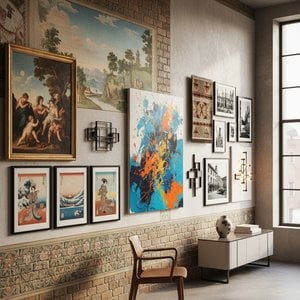
Transforming Spaces: A Comprehensive Exploration of Wall Decor Through Art History & Contemporary Practice
Explore the art of transforming spaces with our comprehensive guide to wall decor. From historical movements to contemporary trends, discover how to curate impactful interiors and commission bespoke artwork for a truly personalized aesthetic.