

 Pregledaj u prostoru
 Pošalji
 Podeli
 Detalji o delu

 Преузми
 Slični predmeti
 Rendgenski snimak
 Slajdovi
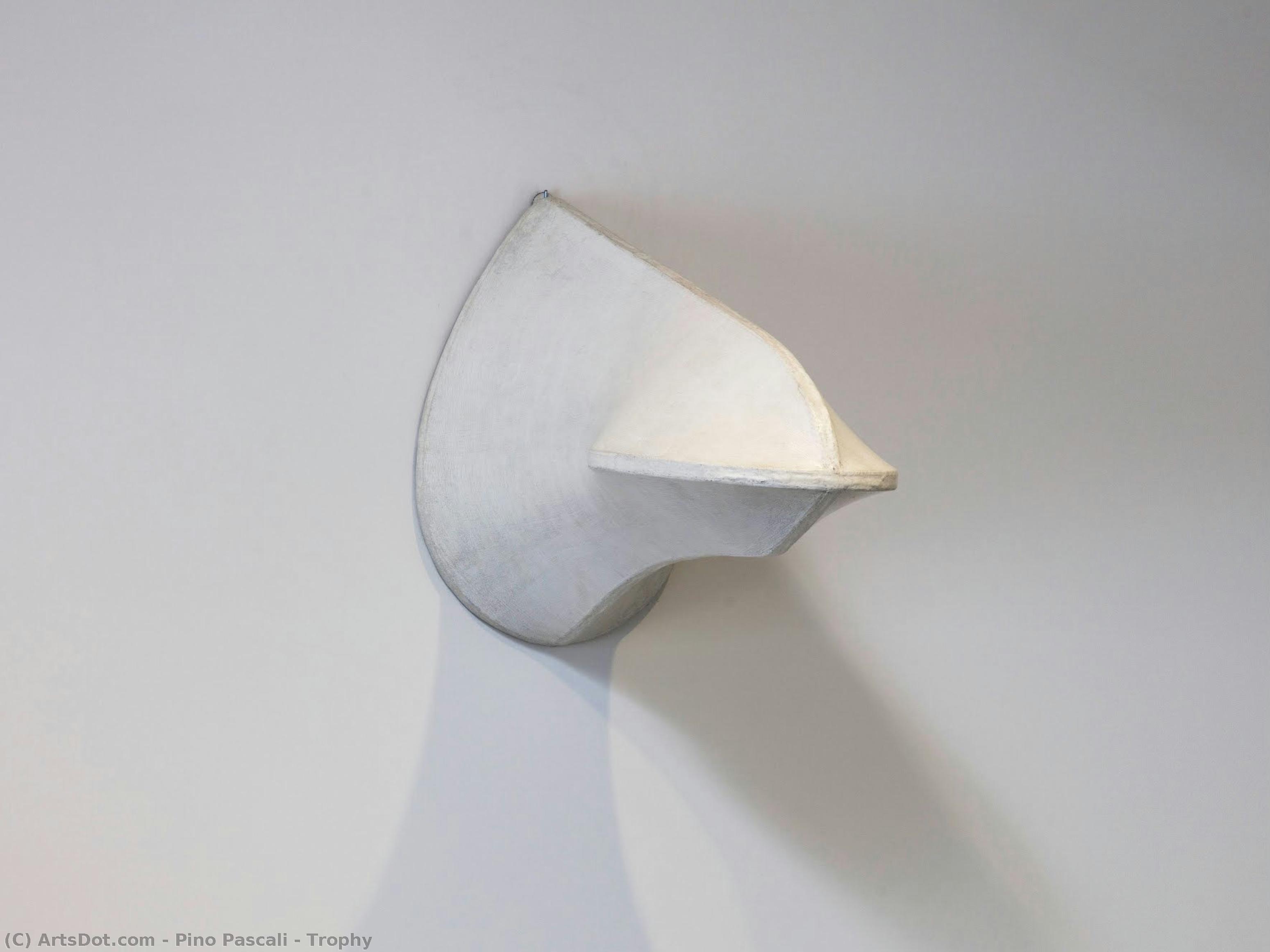
Trophy


 Pročitaj više
Ručno rađena uljana reprodukcija
Ručno oslikano uljanim bojama na platnu u dimenzijama i okviru po vašem izboru, izrađeno po porudžbini od strane naših umetnika. ( Kupi print Kupi digitalnu sliku)




































Izaberite jednu od naših unapred definisanih veličina koje odgovaraju originalnim proporcijama umetničkog dela.

Можете унети сопствене димензије како бисте прилагодили дело одређеном оквиру или простору. Ако одабрана величина не одговара пропорцијама оригинала, слика ће бити исечена или проширена додатним елементима који се ручно насликавају. Дигитални prikaz ће вам бити послат на одобрење пре почетка производње.
Имајте на уму да преглед на екрану не одражава стварно исецање или проширење. Само приказ (mockup) ће тачно приказати коначну композицију.
Иако су доступне прилагођене величине, препоручујемо да одаберете димензију из дефинисане листе како бисте сачували оригиналне пропорције.
Nakon narudžbine, tim ArtsDot.com će klijentu putem e-pošte poslati uputstva i dostaviti prikaz predloženog rešenja
Isporuka širom sveta () za 3/4 nedelje umesto uobičajenih 5 nedelja. (13 август). Bez kompromisa po pitanju kvaliteta.

Besplatna ekspresna dostava širom sveta

Visokokvalitetno laneno platno

Kompletno osiguranje transporta

Garancija povraćaja carine i uvoznih dažbina

Garancija vernosti boja

Politika povrata u roku od 60 dana (samo u slučaju nedostataka)

Garancija povrata novca od 100%

Popust pri grupnoj kupovini
 Opcija sa staklom dostupna je samo za dimenzije manje od 110 cm

Trophy
Tehnika reprodukcije
Dimenzije reprodukcije
-


Konačna cena
$ 263
Opis umetničkog dela
Srodna umetnička dela


Biografija umetnika
The Brief, Brilliant Radiance of Pino Pascali
In the fleeting landscape of twentieth-century art, few figures have left a mark as profound and playful as Pino Pascali. Born in Bari, Italy, in 1935, Pascali’s life was a meteoric rise that ended far too soon with his tragic death in a motorcycle accident in 1968. Despite a career that spanned barely a decade, he emerged as a vital force within the Arte Povera movement, bringing a sense of wonder, irony, and theatricality to the often austere world of post-war European sculpture. His journey began with a departure from a science-oriented education toward the vibrant artistic pulse of Rome, where he enrolled at the Accademia di Belle Arti in 1956. Under the guidance of mentors like Toti Scialoja, Pascali embraced an experimental spirit that would define his entire aesthetic approach.
Pascali’s early years were deeply intertwined with the world of visual communication and stagecraft. Before establishing himself as a sculptor, he honed his skills as a set designer, graphic designer, and advertising illustrator. This background in scenic design—working on RAI productions and collaborating with studios like Saraceni and Lodolofilm—infused his fine art with a unique sense of drama and illusion. He understood how to manipulate space, light, and perception, treating the canvas and the gallery floor not merely as surfaces, but as stages for psychological and physical performance. This period of professional versatility allowed him to master the art of the "spectacle," a quality that would later become the hallmark of his most famous works.
The Illusion of Form: Fake Sculptures and Playful Realities
The true genius of Pascali lay in his ability to blur the boundaries between reality and artifice. He became master of what are now famously known as his "fake sculptures." These were not traditional three-dimensional objects, but rather shaped canvases that utilized clever painting techniques to mimic solid, volumetric forms. Through these works, he presented abstract shapes that suggested the presence of animals, plants, and landscapes, tricking the eye into perceiving depth where there was only flatness. This tension between the seen and the perceived allowed him to explore themes of illusion and reality with a mischievous, almost childlike curiosity.
His work often engaged with the concept of "primitive" or natural forms through a highly modern lens. His repertoire included:
- The Weaponry Series: A collection of objects that played with the imagery of guns and tools, stripping them of their violence to focus on their symbolic and sculptural presence.
- Nature Mimicry: Works that evoked the textures of stones, trees, and organic life, often using humble materials to bridge the gap between the industrial and the natural.
- Theatrical Landscapes: Utilizing his training in set design to create environments that felt both immersive and staged, inviting the viewer into a curated dreamscape.
A Lasting Legacy in Post-War Art
Though his life was cut short at the age of thirty-two, Pascali’s influence remains an indelible part of the art historical canon. He moved within a circle of influential contemporaries, such as Jannis Kounellis, helping to shape the identity of Arte Povera by injecting it with a sense of humor and pop-culture awareness that contrasted with more somber movements. His ability to utilize "poor" or everyday materials to create high-concept illusions challenged the traditional hierarchy of artistic mediums.
Today, Pascali is remembered as an artist who refused to be confined by the weight of tradition. He looked toward the future, finding inspiration in the ephemeral and the playful. His work continues to resonate because it captures a fundamental human truth: the desire to find magic within the mundane and to transform the flat surfaces of our world into something multidimensional, evocative, and profoundly alive.

pino pascali
1935 - 1968 , Italy
Osnovne informacije
- Artistic Movement Or Style: Arte Povera
- Artists Who Influenced This Artist: ['Toti Scialoja']
- Date Of Birth: 1935
- Date Of Death: 1968
- Full Name: Pino Pascali
- Nationality: Italian
- Notable Artworks:
- Fake sculptures
- Weaponry series
- Place Of Birth: Bari, Italy

