

 Pregledaj u prostoru
 Pošalji
 Podeli
 Detalji o delu
 Vodič
Vodič

 Preuzmi
 Slični predmeti
 Rendgenski snimak
 Automatska prezentacija
 Pitanja i odgovori
 Statistika
The Drinker


 Pročitaj više
Giclee štampa / Umetnički otisak
Giclée štampa ili print na platnu muzejskog kvaliteta uz brzu izradu i raznovrsne opcije završne obrade. ( Kupite ručno oslikano delo Pređi na digitalnu sliku)




P118B дин10

P118H дин10

P118W дин10

P438Z дин10

P508JH дин12

P508YH дин12

P805H дин10

P805Z дин10

P919BZ дин10

P919G дин10

P919XJ дин10

P959ZH дин10

P968JZ дин12

W106C дин8

W218G дин10

W218JH дин8

W218Y дин10

W307PJ дин10

W316G дин10

W316PJ дин8

W316Y дин10

W398PJ дин8

W4111J дин10

W500HY дин15

W500JH дин15

W692G дин12

W849H дин8

W940BG дин15

W953PJ дин8




Izaberite jednu od naših unapred definisanih veličina koje odgovaraju originalnim proporcijama umetničkog dela.

Unesite željenu širinu i visinu kako bi se štampa uklopila u vaš ram ili zid. Štampu je moguće samo iseći, ali nikada povećati iznad dimenzija originalne slike, stoga format sa drugačijim proporcijama uzrokuje gubitak dela slike. Pre početka štampe, poslaćemo vam digitalni prikaz radi potvrde. Slika prikazana na ovoj stranici ne predstavlja stvarni isrez — to pokazuje samo digitalni prikaz.
Dostava širom sveta () za 2 nedelje umesto uobičajenih 4/5 nedelja. (15 новембар)

Besplatna ekspresna dostava širom sveta

Visokokvalitetno laneno platno

Potpuno osiguranje transporta

Garancija povraćaja carine i uvoznih dažbina

Garancija vernosti boja

Politika povraćaja u roku od 100 dana (samo u slučaju nedostataka)

Garancija povrata 100% novca

Popust na više proizvoda
 Opcija sa staklom dostupna je samo za dimenzije manje od 110 cm

The Drinker
Giclee štampa / Umetnički otisak
Dimenzije reprodukcije
-


Ukupna cena
дин 6592
A Moment Frozen in Delft Light
In the quiet corners of seventeenth-century Delft, where the soft glow of morning light often danced through open doorways, Pieter de Hooch captured a world of profound stillness. His masterpiece, "The Drinker," serves as a breathtaking window into the Dutch Golden Age, offering much more than a mere depiction of a domestic scene. It is an invitation to step into a sanctuary of peace, where the frantic pace of the outside world dissolves into the gentle rhythm of everyday life. As one gazes upon this canvas, there is an immediate sense of being present in that sun-drenched courtyard, feeling the warmth of the diffused daylight as it filters through the architecture to illuminate a scene of quiet, unhurried existence.
The composition is a masterclass in spatial storytelling and balanced restraint. De Hooch, a contemporary of the legendary Johannes Vermeer, utilizes perspective not merely as a technical tool, but as an emotional guide. The viewer’s eye is led through a carefully constructed depth of field, moving from the intimate foreground—where a man sits cradling a feline companion with tender care—toward the subtle movement of figures conversing near a doorway in the background. This layering of space creates a revolutionary sense of realism, making the courtyard feel like an extension of our own world. The presence of three cats, scattered throughout the scene, adds a layer of domestic charm and organic life, grounding the painting in the relatable, tactile reality of a middle-class home.
The Artistry of Light and Texture
Technically, "The Drinker" is a triumph of chiaroscuro and meticulous observation. De Hooch’s ability to render the interplay of light and shadow transforms a simple interior into a luminous experience. He employs thin, delicate layers of oil paint to achieve a translucent quality, allowing light to appear as if it is truly emanating from within the scene itself. One can almost feel the varied textures underfoot: the cool stone of the courtyard, the smooth wood of the chairs, and the soft, organic warmth of the cat’s fur. This dedication to material accuracy serves to heighten the painting's naturalism, making every element—from the humble dining table to the simple cup—feel significant and permanent.
For the discerning collector or interior designer, this artwork offers a unique emotional resonance that transcends time. It does not demand attention through grand, dramatic gestures; instead, it commands respect through its understated elegance and psychological nuance. The painting evokes a sense of domestic tranquility and refined sensibility, making it an ideal centerpiece for spaces designed to inspire contemplation and calm. Whether placed in a contemporary gallery or a classic study, a high-quality reproduction of "The Drinker" brings with it the timeless prestige of the Dutch masters, offering a sophisticated touch of history that celebrates the beauty found in life's most quiet, fleeting moments.
Pitanja i odgovori
Koji raspoloženje izražava „The Drinker”, autor Питер Де Хох unutar Dutch Golden Age?
Reflective emocija dela "The Drinker" prati njegov Dutch Golden Age stil.
Koju paletu boja i kakav osećaj spaja "The Drinker"?
Earthy paleta dela „The Drinker”, autor Питер Де Хох skladno se uklapa sa njegovim Reflective emocionalnim tonom. Boja je jedan od načina na koji umetničko delo prenosi osećaj.
Kojom tehnikom je urađeno „The Drinker”, autor Питер Де Хох?
Питер Де Хох je koristio/la tehniku Oil za delo "The Drinker". Ova tehnika definiše materijalnu prirodu originalnog dela.
Srodna umetnička dela


Povezani članci
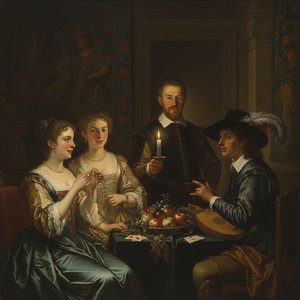
Gerard van Honthorst: Illuminating the Dutch Golden Age with Caravaggism & Courtly Grace
Explore the captivating world of Gerard van Honthorst, a Dutch Golden Age master renowned for his dramatic chiaroscuro & courtly portraits. Discover his life, art, and lasting influence on Baroque painting.
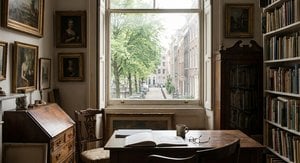
The Interior Gaze: Exploring Representations of Domestic Space in Art History
Explore the fascinating history of domestic interiors in art! From Dutch Masters to Impressionism, discover how artists captured home life & social meaning. Expert analysis and insights at ArtsDot.

Pieter de Hooch: Illuminating Dutch Domestic Life & Golden Age Charm
Explore the captivating world of Pieter de Hooch, a master of Dutch Golden Age painting. Discover his innovative use of light, intimate domestic scenes, and lasting influence on art history. Learn more at ArtsDot.

Dutch Baroque Masters: 10 Paintings That Shaped an Era | ArtsDot
Journey through the Golden Age with our guide to the Top 10 Dutch Baroque masterpieces! Explore iconic paintings by Rembrandt, Vermeer & Frans Hals. Find museum-quality art reproductions and elevate your home decor at ArtsDot.com.

Adriaen Brouwer: Capturing Dutch Life & Social Commentary Through Genre Painting
Explore the captivating world of Adriaen Brouwer, a master of Dutch Golden Age genre painting. Discover his vivid depictions of peasant life, social commentary, and lasting influence on art history. Learn more at ArtsDot.
