
 Pregledaj u prostoru
 Pošalji
 Podeli
 Detalji o delu
 Vodič
Vodič

 Preuzmi
 Slični predmeti
 Rendgenski snimak
 Automatska prezentacija
 Pitanja i odgovori
 Statistika
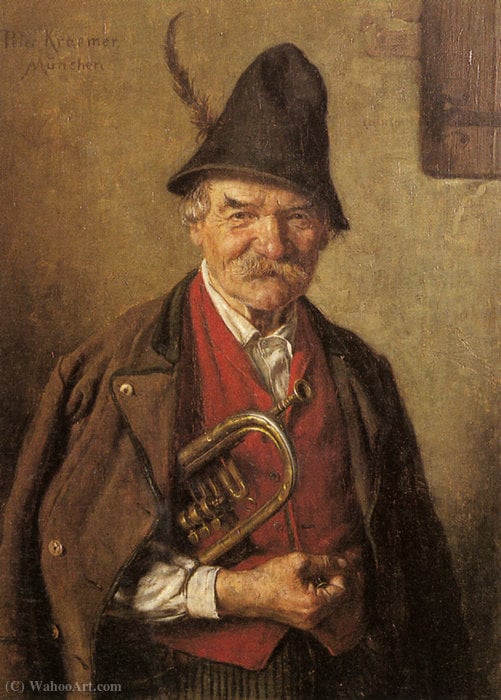
Tyrolean musicians

 Pročitaj više
Giclee štampa / Umetnički otisak
Giclée štampa ili print na platnu muzejskog kvaliteta uz brzu izradu i raznovrsne opcije završne obrade. ( Kupite ručno oslikano delo Pređi na digitalnu sliku)




P118B дин10

P118H дин10

P118W дин10

P438Z дин10

P508JH дин12

P508YH дин12

P805H дин10

P805Z дин10

P919BZ дин10

P919G дин10

P919XJ дин10

P959ZH дин10

P968JZ дин12

W106C дин8

W218G дин10

W218JH дин8

W218Y дин10

W307PJ дин10

W316G дин10

W316PJ дин8

W316Y дин10

W398PJ дин8

W4111J дин10

W500HY дин15

W500JH дин15

W692G дин12

W849H дин8

W940BG дин15

W953PJ дин8




Izaberite jednu od naših unapred definisanih veličina koje odgovaraju originalnim proporcijama umetničkog dela.

Unesite željenu širinu i visinu kako bi se štampa uklopila u vaš ram ili zid. Štampu je moguće samo iseći, ali nikada povećati iznad dimenzija originalne slike, stoga format sa drugačijim proporcijama uzrokuje gubitak dela slike. Pre početka štampe, poslaćemo vam digitalni prikaz radi potvrde. Slika prikazana na ovoj stranici ne predstavlja stvarni isrez — to pokazuje samo digitalni prikaz.
Dostava širom sveta () za 2 nedelje umesto uobičajenih 4/5 nedelja. (5 новембар)

Besplatna ekspresna dostava širom sveta

Visokokvalitetno laneno platno

Potpuno osiguranje transporta

Garancija povraćaja carine i uvoznih dažbina

Garancija vernosti boja

Politika povraćaja u roku od 100 dana (samo u slučaju nedostataka)

Garancija povrata 100% novca

Popust na više proizvoda
 Opcija sa staklom dostupna je samo za dimenzije manje od 110 cm

Tyrolean musicians
Giclee štampa / Umetnički otisak
Dimenzije reprodukcije
-


Ukupna cena
дин 6606
Srodna umetnička dela


Biografija umetnika
Early Years and Artistic Foundations
Born in Zweibrücken, Germany, in 1857, Peter Kraemer II emerged from a lineage deeply rooted in the artistic traditions of Bavaria. His family’s history was interwoven with creativity; his father, Peter Krämer I, distinguished himself as an artist, notably for his depictions of the American Liberation War, and had studied under Julius Schnorr von Carolsfeld – a renowned figure in German Romanticism. This familial connection to art provided Kraemer II with an invaluable foundation, immersing him from a young age in the techniques and sensibilities of painting. While details about his early formal training remain somewhat sparse, it’s clear that he absorbed a profound appreciation for visual storytelling and the expressive potential of color and form.
Kraemer's artistic journey began during a period of significant social and cultural change in Germany. The late 19th century witnessed a resurgence of interest in regional identity and folklore, fueled by nationalist sentiments and a desire to preserve traditional crafts and customs. This context profoundly shaped Kraemer’s subject matter – he chose to capture the essence of Bavarian life, particularly its rural landscapes and the lives of its people.
A Specialist in Genre Painting: Portraits of Rural Life
Kraemer II quickly established himself as a master of genre painting, specializing in scenes that offered intimate glimpses into the everyday routines and customs of rural Bavaria. Unlike grand historical or mythological subjects favored by many artists of his time, Kraemer focused on the humble realities of peasant life – hunters pausing for rest, musicians gathering in village squares, farmers tending their fields, and elderly men engaged in quiet pursuits. His paintings are not merely depictions; they’re imbued with a palpable sense of authenticity, capturing the weathered faces, worn clothing, and simple joys of his subjects.
- Detailed Observation: Kraemer's remarkable skill lay in his meticulous observation of detail. He paid particular attention to the textures of fabrics, the expressions on faces, and the nuances of light and shadow, creating a sense of immediacy and realism that drew viewers into the scenes he depicted.
- Costumes as Narrative: The costumes worn by Kraemer’s figures were not simply decorative elements; they served as powerful indicators of social status, occupation, and regional identity. He meticulously researched traditional Bavarian attire, ensuring that each garment reflected its historical context and cultural significance.
- The Essence of Character: Kraemer sought to capture the character of his subjects – their dignity, resilience, and connection to the land. His portraits are not idealized representations; they’re honest portrayals of individuals who had lived full lives rooted in tradition.
Technique and Style
Kraemer II's artistic style is characterized by a remarkable blend of realism and sentimentality. He employed a technique that combined meticulous detail with a loose, expressive brushstroke, creating paintings that are both technically proficient and emotionally resonant. His palette was typically muted, dominated by earthy tones – browns, greens, and ochres – reflecting the colors of the Bavarian landscape. He favored watercolor as his primary medium, allowing for delicate washes of color and a sense of atmospheric depth.
Influenced by the Realist movement, Kraemer’s work shares a commitment to depicting everyday life with honesty and sincerity. However, he also incorporated elements of Romanticism – particularly in his use of light and shadow – to evoke a sense of nostalgia and longing for a bygone era. His paintings are not simply records of the past; they're meditations on memory, tradition, and the enduring spirit of the Bavarian people.
Legacy and Recognition
Peter Kraemer II enjoyed considerable success during his lifetime, exhibiting his work in galleries throughout Germany and Bavaria. He was particularly well-regarded for his depictions of elderly men, capturing their wisdom, experience, and connection to the land with remarkable sensitivity. His paintings are now held in several collections, including those of the Auktionshaus Stahl in Hamburg, where they continue to be appreciated for their artistic merit and historical significance.
Kraemer’s work offers a valuable window into the cultural landscape of 19th-century Bavaria. Through his paintings, he preserved the traditions, customs, and values of a region that was undergoing rapid social and economic change. His legacy as a master of genre painting endures, reminding us of the beauty and dignity found in the everyday lives of ordinary people.

Peter Kraemer
1857 - 1936
Osnovne informacije
- Artistic Movement Or Style: Genre painting
- Artists Or Movements Influenced By This Artist: ['Bavarian authenticity']
- Artists Who Influenced This Artist: ['Julius Schnorr von Carolsfeld']
- Date Of Birth: 1857
- Date Of Death: 1936
- Full Name: Peter Kraemer II
- Nationality: German-American
- Notable Artworks:
- Hunter and Lumberman
- Bayesian Dice-Player
- Place Of Birth: Philadelphia, USA
Povezani članci

Echoes of Tradition: Exploring the Enduring Legacy of Folk Art Movements
Explore the rich history of folk art movements worldwide! Discover definitions, notable artists, and the enduring legacy of this captivating tradition. Expert insights & high-quality reproductions at ArtsDot.

The Soul of Tradition: Transforming Modern Interiors with the Timeless Charm of Folk Art
Transform your home with the soulful charm of folk art. Explore how naive textures and regional traditions breathe life into modern interiors. Discover exquisite, hand-painted oil reproductions and custom commissions at ArtsDot.com—your gateway to meaningful, inspired living.

Giovanni Segantini: Capturing Alpine Light & Symbolist Visions
Explore the captivating world of Giovanni Segantini, master of Alpine landscapes & Symbolist art. Discover his innovative techniques, allegorical masterpieces like 'La Vita,' and enduring legacy. Learn about this pivotal 19th-century Italian painter.
Harmonies on Canvas: Exploring the Visual Representation of Music in Art History
Explore the fascinating history of music's visual representation in art! From ancient symbolism to modern abstraction, discover how artists have captured sound and emotion on canvas. Expert insights & stunning examples.

Peter Graham Li: Capturing Light & Narrative in Contemporary Oil Painting
Discover the captivating oil paintings of Peter Graham Li – a contemporary artist celebrated for his masterful use of light, color, and impasto technique. Explore investment potential & curated selections at ArtsDot.