

 Pregledaj u prostoru
 Pošalji
 Podeli
 Detalji o delu
 Vodič
Vodič

 Preuzmi
 Slični predmeti
 Rendgenski snimak
 Automatska prezentacija
 Pitanja i odgovori
 Statistika
No. 17

- 170.0 x 170.0 cm


 Pročitaj više
Umetničko delo prikazano na ovoj stranici zaštićeno je autorskim pravima, što znači da zakonski nismo u mogućnosti da kreiramo niti prodajemo identičnu reprodukciju. Ova zaštita se sprovodi u skladu sa međunarodnim sporazumima kao što su Bernska konvencija i nacionalnim zakonima, uključujući i one koji su definisani u Američki zakon o autorskom pravu – Naslov 17.
Ovaj metod je u potpunosti usklađen sa regulativama o autorskim pravima jer ne podrazumeva kopiranje ili dupliranje zaštićenih umetničkih dela. Umesto toga, reč je o kreativnoj reinterpretaciji – novom slikarskom delu koje je inspirisano originalom, ali nije identično njemu.
Giclee štampa / Umetnički otisak
Giclée štampa ili print na platnu muzejskog kvaliteta uz brzu izradu i raznovrsne opcije završne obrade. ( Kupite ručno oslikano delo Pređi na digitalnu sliku)




































Izaberite jednu od naših unapred definisanih veličina koje odgovaraju originalnim proporcijama umetničkog dela.

Unesite željenu širinu i visinu kako bi se štampa uklopila u vaš ram ili zid. Štampu je moguće samo iseći, ali nikada povećati iznad dimenzija originalne slike, stoga format sa drugačijim proporcijama uzrokuje gubitak dela slike. Pre početka štampe, poslaćemo vam digitalni prikaz radi potvrde. Slika prikazana na ovoj stranici ne predstavlja stvarni isrez — to pokazuje samo digitalni prikaz.
Dostava širom sveta () za 2 nedelje umesto uobičajenih 4/5 nedelja. (11 новембар)

Besplatna ekspresna dostava širom sveta

Visokokvalitetno laneno platno

Potpuno osiguranje transporta

Garancija povraćaja carine i uvoznih dažbina

Garancija vernosti boja

Politika povraćaja u roku od 100 dana (samo u slučaju nedostataka)

Garancija povrata 100% novca

Popust na više proizvoda
 Opcija sa staklom dostupna je samo za dimenzije manje od 110 cm

No. 17
Giclee štampa / Umetnički otisak
Dimenzije reprodukcije
-


Ukupna cena
дин 6611
A Symphony of Color and Form
In the vast landscape of mid-century abstraction, few works capture the rhythmic pulse of light and shadow as intimately as Paul Allen Reed’s No. 17. Created in 1964, this masterpiece serves as a profound testament to the artist's mastery over the Washington Color School movement. At first glance, the viewer is met with a striking nocturnal atmosphere, where a deep, velvety black background provides a stage for a celestial dance of blue and yellow. The composition is not merely a collection of shapes but a carefully orchestrated visual melody, where scattered blue circles—some punctuated by delicate green accents—float like luminous orbs in an infinite void. This interplay between the dark expanse and the vibrant, saturated pigments creates a sense of depth that pulls the observer into a meditative state.
The technique employed in No. 17 reflects Reed’s pioneering spirit within the realm of color field painting. Eschewing traditional heavy textures, Reed utilized diluted acrylic paints applied directly to the canvas, a method that allowed for a luminous, almost translucent quality. This approach enables the colors to bleed and interact with a soft, ethereal edge, making the blue circles appear as though they are glowing from within rather than sitting atop the surface. The precision of the circular forms contrasted against the fluid, atmospheric application of color demonstrates a sophisticated control over both spontaneity and structure, a hallmark of his contribution to American abstraction.
Historical Resonance and Emotional Depth
To understand No. 17 is to understand the historical significance of the Washington Color School. As a contemporary of some of the most influential figures in post-war art, Reed sought to redefine how color could function as the primary subject of a painting, independent of representational form. In this work, there is no hidden narrative or literal subject; instead, the "subject" is the emotional resonance of the colors themselves. The tension between the cool, tranquil blues and the sharp, energetic yellows evokes a feeling of cosmic wonder, reminiscent of looking through a telescope into a distant nebula. It is an exploration of pure perception, inviting the viewer to experience the weight, temperature, and vibration of color.
For the discerning collector or interior designer, this painting offers more than just aesthetic beauty; it provides a focal point of profound intellectual and emotional gravity. The large-scale 170 x 170 cm format ensures that the work commands any space it inhabits, making it an ideal centerpiece for modern, minimalist, or contemporary luxury interiors. A high-quality reproduction of this piece allows one to bring the transformative power of Reed’s vision into a private sanctuary, offering a window into a world where color and light reign supreme. Whether placed in a quiet study or a grand gallery, No. 17 continues to inspire awe, serving as a timeless reminder of the beauty found in the balance of light and darkness.
Pitanja i odgovori
Mogu li da vidim „No. 17”, autor Pol Alen Rid na svom zidu pre kupovine?
Stranica AR prikaz za delo „No. 17”, autor Pol Alen Rid koristi proširenu stvarnost kako bi vam prikazala umetničko delo u vašem sopstvenom prostoru, pomoću kompatibilnog uređaja.
Na koji način „No. 17”, autor Pol Alen Rid povezuje Color Field Painting sa domovinom umetnika?
"No. 17" povezuje pokret Color Field Painting sa Sjedinjene Američke Države kroz rodno mesto svog tvorca.
Šta prikazuje „No. 17”, autor Pol Alen Rid?
Teme prisutne u delu „No. 17”, autor Pol Alen Rid obuhvataju abstract, color field, geometric, blue circles, washington school, minimalism, što zajedno sažima suštinu ovog umetničkog dela.
Srodna umetnička dela


Povezani članci

Gene Davis: Chromatic Explorations of Color Field Painting & the Washington Color School
Explore the vibrant world of Gene Davis and the Washington Color School. Discover his iconic stripe paintings, innovative techniques, and lasting impact on American abstract art. A deep dive for collectors & enthusiasts.
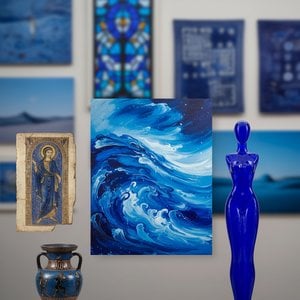
The Allure of Azure: Exploring the Symbolic & Aesthetic Depths of Blue in Art History
Explore the rich history of blue in art! Discover its symbolism, from ancient pigments to modern masterpieces by Kandinsky & Seurat. Uncover the psychological impact and cultural meanings behind this captivating hue.
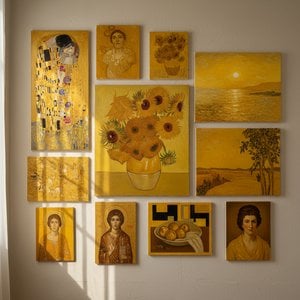
Golden Hues: Top 10 Paintings Dominated by Yellow Ochre |
Explore 10 iconic paintings bathed in golden yellow ochre! From Van Gogh's sunflowers to Monet’s haystacks, discover the stories behind these masterpieces. Find museum-quality art reproductions & elevate your home decor on .

Slate Blue Masterpieces: 10 Iconic Paintings & Timeless Home Decor Ideas
Immerse yourself in the captivating world of slate blue! Explore 10 iconic paintings by Monet, Van Gogh & Renoir. Discover their stories, techniques & find museum-quality art reproductions for your home at .
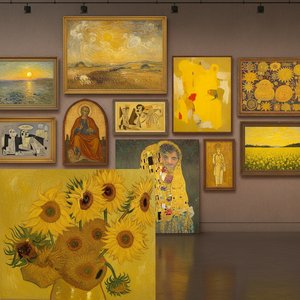
Golden Hues: 10 Masterpieces Dominated by Chrome Yellow | ArtsDot
Immerse yourself in golden light! Explore 10 famous paintings dominated by 'Chrome Yellow', from Van Gogh’s Sunflowers to Monet's Haystacks. Discover the stories behind these iconic Impressionist & Post-Impressionist masterpieces and find museum-quality art reproductions at ArtsDot.com.