


 Pregledaj u prostoru
 Pošalji
 Podeli
 Detalji o delu

 Преузми
 Slični predmeti
 Rendgenski snimak
 Slajdovi
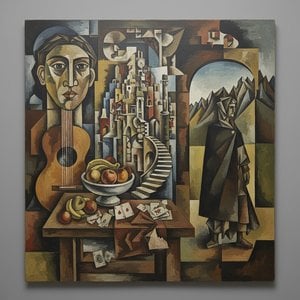
The painter and his model 17

 Pročitaj više
Giclee štampa / Umetnički otisak
Giclée štampa ili print na platnu muzejskog kvaliteta uz brzu proizvodnju i fleksibilne opcije završne obrade. ( Kupi ručno naslikanu sliku Kupi digitalnu sliku)




P118B $10

P118H $10

P118W $10

P438Z $10

P508JH $12

P508YH $12

P805H $10

P805Z $10

P919BZ $10

P919G $10

P919XJ $10

P959ZH $10

P968JZ $12

W106C $8

W218G $10

W218JH $8

W218Y $10

W307PJ $10

W316G $10

W316PJ $8

W316Y $10

W398PJ $8

W4111J $10

W500HY $15

W500JH $15

W692G $12

W849H $8

W940BG $15

W953PJ $8




Izaberite jednu od naših unapred definisanih veličina koje odgovaraju originalnim proporcijama umetničkog dela.

Možete uneti sopstvene dimenzije kako biste umetničko delo prilagodili specifičnom okviru ili prostoru. Ako odabrani format ne odgovara proporcijama originalne slike, mi ćemo ili iscrtati deo dela ili proširiti sliku pomoću ogledane ivice ili jednobojnog popunjavanja. Digitalni prikaz će vam biti poslat na odobrenje pre početka proizvodnje.
Imajte na umu da pregled na ekranu ne odražava stvarno iscrtavanje ili proširivanje. Samo će prikaz (mockup) precizno pokazati finalnu kompoziciju.
Iako su prilagođene dimenzije dostupne, preporučujemo da odaberete dimenziju sa unapred definisane liste kako biste očuvali originalne proporcije.
Dostava širom sveta () za 2 nedelje umesto uobičajenih 4/5 nedelja. (22 август)

Besplatna ekspresna dostava širom sveta

Visokokvalitetno laneno platno

Kompletno osiguranje transporta

Garancija povraćaja carine i uvoznih dažbina

Garancija vernosti boja

Politika povrata u roku od 60 dana (samo u slučaju nedostataka)

Garancija povrata novca od 100%

Popust pri grupnoj kupovini
 Opcija sa staklom dostupna je samo za dimenzije manje od 110 cm

The painter and his model 17
Giclee štampa / Umetnički otisak
Dimenzije reprodukcije
-


Konačna cena
$ 62
Opis predmeta
A Moment Frozen in Time: The Essence of Picasso’s “Painter and His Model”
Pablo Picasso's "The Painter and His Model," painted in 1917, isn’t merely a depiction of an artist at work; it’s a profound meditation on the creative process itself, steeped in melancholy and punctuated by moments of intense observation. Executed during his formative years within Cubism, the painting captures a scene of quiet intimacy within Picasso's Parisian studio – a space both familiar and subtly unsettling. The composition immediately draws the eye to the central figure, Picasso himself, hunched over his canvas with focused intensity, his hand poised above a brush. Beside him lies the model, a woman in repose, her body partially obscured by a draped cloth, suggesting vulnerability and perhaps even a quiet resignation. This isn’t a vibrant, celebratory portrayal of artistic creation; instead, it's imbued with a palpable sense of sadness and introspection – a feeling that resonates deeply within the viewer.
- Style & Technique: The painting exemplifies Picasso’s evolving Cubist style, moving away from the more rigid geometric forms of his Analytical period. Here, he employs a fractured perspective, breaking down figures into fragmented planes and reassembling them in an unconventional manner. The colors are muted – predominantly blues, browns, and greys – contributing to the overall atmosphere of somber reflection. The brushstrokes are loose and expressive, conveying a sense of immediacy and emotional urgency.
- Composition: Notice how Picasso deliberately avoids a straightforward representation of space. The figures seem to float within an ambiguous environment, further emphasizing the dreamlike quality of the scene. The arrangement of objects – the chairs, the table with its solitary cup, the scattered papers – feels carefully considered, yet subtly chaotic, mirroring the complexities of artistic creation.
Echoes of Loss and the Burden of Genius
Understanding the context surrounding “Painter and His Model” is crucial to appreciating its emotional depth. Picasso’s life during this period was marked by profound personal loss – the death of his sister, Conchita, in 1904, and the subsequent grief that permeated much of his work. The model's pose, lying passively on the ground, has been interpreted as a reflection of this sorrow, perhaps representing the muse or inspiration that Picasso struggled to connect with after experiencing such devastating loss. The painting can be viewed as an exploration of the relationship between artist and subject – a dynamic shaped by both creative drive and emotional vulnerability.
Historical Context:Painted in 1917, during the height of World War I, the work reflects a broader sense of disillusionment and uncertainty. The war had shattered traditional values and beliefs, leaving many artists grappling with questions of identity, purpose, and the nature of reality. Picasso’s exploration of fragmented forms mirrored this societal shift – a rejection of established conventions in favor of a more subjective and emotionally driven approach to art.
Symbolism Within the Fragmented Image
While seemingly simple, “Painter and His Model” is rich with symbolic meaning. The seated figure, Picasso himself, embodies the artist’s relentless pursuit of his craft, yet also hints at a sense of isolation and self-doubt. The woman lying beside him isn't merely a passive subject; she represents something more – perhaps the elusive muse, or even a symbol of lost innocence and beauty. The single cup on the table could signify sustenance for the creative spirit, or alternatively, a reminder of the emptiness that can accompany artistic endeavor. Even the stark lighting contributes to the painting’s mood, casting long shadows and emphasizing the figures' vulnerability.
- The Horse: The presence of a horse in the background is particularly intriguing. It has been suggested that it represents Picasso’s own struggles with his artistic identity and the constant pressure to innovate.
- The Absence of Color: The predominantly monochromatic palette reinforces the painting's somber mood, emphasizing the emotional weight of the scene.
A Timeless Reflection on Creativity and Grief
“The Painter and His Model” remains a powerfully evocative work of art, offering a glimpse into the inner world of one of history’s most influential artists. It's not just a portrait; it’s an exploration of the human condition – a meditation on loss, inspiration, and the enduring power of creativity to both illuminate and conceal. Reproductions of this masterpiece capture its haunting beauty and invite viewers to contemplate the complexities of artistic expression and the profound emotions that lie beneath the surface.
Srodna umetnička dela


Biografija umetnika
Пабло Пикасо: Револуција у боји и облику
Пабло Руиз и Пикасо, име које је постало синоним за уметничку револуцију, рођен је у Малаги, Шпанија, 25. октобра 1881. године. Чак је легенда да су његове прве речи биле “пиз, пиз”, покушавајући да каже ‘молив’, што указује на судбину везану за креативност. Та склоност је неговао његов отац, Хосе Руиз и Бласко, сликар и професор уметности који је младом Паблу пружио основно стручно знање. Међутим, ученик је брзо надмашио наставника, демонстрирајући изузетан таленат за реалистичко приказивање који је наговештавао генијалност која се крије у њему. Сеобице породице – прво у А Коруњу, а потом у Барселону – биле су обележене личним трагедијама, посебно губитком Паблове сестре, искуства која ће суптилно прожети касније радове темама меланхолије и смртности. Чак и током формалних студија у Школи лепих уметности у Барселони и кратког боравка на Краљевској академији у Сан Фернанду у Мадриду, Пикасо се бунио против ригидних академских ограничења, преферирајући да се урони у дела мајстора као што су Веласкез и Гоја, кроз који је ковао свој пут ка уметничкој иновацији.
Плави и ружичасти нијансе: Емоционални поглед на свет
Почетком двадесетог века дошло је до појаве две различиите фазе у Пикасовој делатности: Плава ера (приближно 1901-1904) и Ружичаста ера (1904-1906). Плава ера, рођена из личне патње и свесне свести о друштвеној патњи, карактерише слике прожете тамним нијансама плаве и сивозелене. Ове композиције су насељене маргинализованим фигурама – просјацима, слепима, проституткама – приказујући им са застрањујућом емпатијом која говори о темама изолације и безнадежности. La Vie (1903) и Стари гитариста (1903-1904) стоје као тужне примере те емоционално наелектрисане фазе. Промена у Пикасовом личном животу, заједно са пресељењем у Париз, најавила је долазак Ружичасте ере. Палета се знатно загрејала, прихватајући ружичасте, наранџасте и црвене нијансе, одражавајући оптимистичкији поглед. Ово раздобље је било обележено фасцинацијом циркуским извођачима – харлекинима, акробатима и породичним трупама – фигурама које су оличавале како рањивост тако и отпорност. Породица Saltimbanques (1905) лепо запечатљује тај прелазак, наговештавајући стилске експерименте који предстоје.
Разубијање перспективе: Кубизам и даље
Година 1907. означила је преломни тренутак у историји уметности уз креирање Les Demoiselles d'Avignon. Под утицајем иберске скулптуре и афричких маски, ова револуционарна слика разбила је традиционална схватања перспективе и репрезентације. Био је то радикалан одмак, намерни одбацивање вековних конвенција који је отворио пут ка кубизму. Радећи у блиској сарадњи са Жоржом Бракем, Пикасо је ко-оснивао овај револуционарни покрет, фундаментално мењајући како су уметници перцибирали и приказивали стварност. Аналитички кубизам (1909-1912) укључивао је фрагментацију објеката у геометријске облике, рендериране у пригушеним бојама, као да се одсеца форма сама по себи. Ово се развило у Синтетички кубизам (1912-1919), који је укључивао елементе колажа – исковане исписке из новина, комаде тканине – додајући текстуру и нове слојеве визуелне сложености. Пикасо није желео само да представи свет; тражио је да га деконструише и реконструише по сопственим условима.
Несташни експериментатор: Неокласицизам, Сурреализам и рат
Двадесетих година двадесетог века Пикасо је повремено истраживао неокласичне стилове, стварајући монументалне фигуре које одражавају класичне облике док задржавају изразито модеран осећај. Истовремено се бавио пролећујућим сурреалистичким покретом, иако се никада у потпуности није повезао са његовим принципима. Његов рад током овог периода спојавао је раније стилске утицаје са надреалним сликама и изобличеним перспективама, демонстрирајући његову неумољиву експериментисање. Ужаси Шпанског грађанског рата дубоко су утицали на Пикаса, кулминирајући стварањем Guernica (1937), виталног и емоционално разорувајућег одговора на бомбардовање Гернике. Ово монументално дело постало је трајни симбол зверстава рата, учвршћујући Пикасову улогу не само као уметника, већ и као снажно гласа за мир и социјалну правду. Током 1950-их и 60-их година, наставио је да гура границе, истражујући керамику, скулптуру и графику са неопознатим интересовањем и вештином. Брак са Жаклин Рок у 1961. години донео је нову димензију његовог личног живота и уметничког изражавања.
Немерљив утицај
Пабло Пикасо преминуо је 8. априла 1973. године у Муајину, Француској, оставивши за собом невероватно тело дела – процењен на преко 50.000 комада – који и даље привлачи и инспирише. Развој његове уметности обликован је од стране разноврсних утицаја, од шпанских мајстора као што су Веласкез и Гоја до иберске скулптуре, афричке уметности и живе палете боја Енри Матиса. Његов утицај на уметност двадесетог века је неизмерив. Он је ко-оснивао кубизам, пионирао колаж и конструисану скулптуру и константно изазивао уметничке конвенције. Пикасово беспоштелно експериментисање редефинисало је модерну уметност, остављајући небрисив траг на генерације уметника и учвршћујући своју позицију као једног од најважнијих и утицајних ликова у историји. Његова заоставштина се протеже изван платноа, резонује у бескрај

Пабло Пикасо
1881 - 1973 , Шпанија
Osnovne informacije
- Datum Rođenja: 25. oktobar 1881.
- Datum Smrti: 8. april 1973.
- Mesto Rođenja: Malaga, Španija
- Nacionalnost: Španski
- Pokreti/Umetnici Pod Uticajem:
- Kubizam
- Moderno umetnost
- Puno Ime: Pablo Ruiz y Picasso
- Umetnički Pokret: Kubizam, Sura realizam
- Uticajni Umetnici:
- Velázquez
- Goya
- Matisse
- Značajna Dela:
- Les Demoiselles d'Avignon
- Guernica
- Stari gitarista
- La Vie
- Familija saltimbanki
Povezani članci

Cubism's Revolution: 10 Masterpieces That Redefined Modern Art | ArtsDot
Explore 10 Cubist masterpieces by Picasso, Braque & more! Delve into the history of this revolutionary art movement. Find museum-quality reproductions and elevate your home decor with ArtsDot. Discover all masterpieces on ArtsDot.com

Pablo Picasso: A Revolutionary Vision – Cubism, Symbolism & Enduring Legacy
Explore the revolutionary art of Pablo Picasso with ArtsDot.com. Discover Cubism's origins, symbolism in his masterpieces & investment insights for collectors. Expert appraisal & custom reproductions available.

Deconstructing Reality: Cubism's Revolutionary Impact on 20th-Century Art
Explore the revolutionary world of Cubism with ArtsDot. Discover Picasso & Braque's groundbreaking techniques, its philosophical roots, and lasting impact on modern art. Expert insights for collectors.
Cubist Expression: 10 Masterpieces That Revolutionized Modern Art | ArtsDot
Explore 10 Cubist masterpieces by Picasso, Braque & more! Discover the stories behind these revolutionary paintings and their impact on modern art. Find museum-quality reproductions for your home at ArtsDot.com – where art comes to life.

Deconstructing Reality: Cubism's Evolution, Impact & Enduring Legacy
Explore the revolutionary world of Cubism with expert insights from ArtsDot. Discover Picasso & Braque's groundbreaking techniques, its philosophical roots, and lasting impact on modern art. Expert appraisal & custom reproductions available.



