

 Pregledaj u prostoru
 Pošalji
 Podeli
 Detalji o delu
 Vodič
Vodič

 Preuzmi
 Slični predmeti
 Rendgenski snimak
 Automatska prezentacija
 Pitanja i odgovori
 Statistika
Sonne


 Pročitaj više
Nabavite datoteku spremnu za štampu koja nudi znatno veći kvalitet od onlajn pregleda. Svaka digitalna slika koju nudimo potiče iz visokorezolucičnog master fajla iz naše baze — obično širine od 5.000 do 15.000 piksela — što vam omogućava štampu u velikom formatu, precizno kadriranje ili bezbrižnu reprodukciju najfinijih detalja.
Nijedan fajl ne napušta naš studio netaknut. Digitalni stručnjak vrši proveru boja u odnosu na originalno delo i koriguje ih po potrebi, a zatim unapređuje jasnoću i detalje pomoću profesionalnih alata za retuširanje — uvek ostajući veran umetnikovim potezima četkice i stilu. Rezultat je slika koja izgleda kao pravo delo, a ne kao sken sa filterom.
Proverite i odobrite pre završetka: naš stručnjak vam šalje sliku putem e-pošte u roku od 72 sata na pregled. Niste zadovoljni? Zatražite poboljšanja ili ispravke, ili tražite povraćaj novca ukoliko kvalitet ne ispunjava vaša očekivanja.
Ovo je kvalitet kojem poverenje ukazuju izdavači, dizajnerski studiji, galerije i štamparije.
Digitalna slika
Preuzmite datoteku visoke rezolucije za ličnu upotrebu, štampanje i kreativne projekte. ( Pređi na štampu Kupite ručno oslikano delo)
Uključeno uz svaku porudžbinu digitalne slike
Profesionalna digitalna isporuka, zagarantovana
Kada odaberete ArtsDot.com, ne dobijate samo sliku – vi primate profesionalno unapređeno digitalno umetničko delo, izrađeno sa najvećom preciznošću i uz garanciju zadovoljstva. Evo svega što automatski dolazi uz vašu porudžbinu:

Brza dostava putem e-pošte
Vaša digitalna slika visoke rezolucije biće vam poslata putem e-pošte u roku od 72 sata od poručivanja – spremna za trenutnu upotrebu.

Digitalna datoteka unapređena veštačkom inteligencijom
Vaše umetničko delo je profesionalno optimizovano primenom naprednih AI alata i ručne obrade, čime se osiguravaju maksimalni detalji, oštrina i preciznost boja.

Besplatna doživotna ponovna isporuka
Slučajno ste obrisali ili izgubili svoju datoteku? Ne brinite – poslaćemo vam je ponovo u bilo kom trenutku, potpuno besplatno.

Bez troškova uvoza – zauvek
Uživajte u svojim umetničkim delima trenutno, bez carine, akciza ili troškova dostave – digitalni download je uvek bez poreza.

Garancija preciznosti boja
Uz pomoć profesionalnih alata i upravljanja bojama, osiguravamo da vaša digitalna slika što vernije odražava originalne boje.

Garancija zadovoljstva u roku od 100 dana
Ako niste zadovoljni svojom digitalnom slikom, izvršićemo reviziju ili ćemo vam vratiti 100% novca u roku od 100 dana – bez ikakvih pitanja.

100% garancija povrata novca
Niste zadovoljni? Dobijte puni povraćaj novca u roku od 100 dana od prijema digitalne datoteke – bez suvišnih pitanja.

Popusti na velike porudžbine
Kupite 3 slike, uštedite 10% - Kupite 5 slika, uštedite 15% - Kupite 10+ slika, uštedite 20%. Odlično za kreativne projekte, galerije i agencije.
Srodna umetnička dela


Biografija umetnika
A Life Illuminated: The Visionary World of Otto Piene
Otto Piene, born in Bad Laasphe, Germany, in 1928 and passing away in Berlin in 2014, was more than just an artist; he was a pioneer who relentlessly blurred the boundaries between painting, sculpture, performance, and technology. His life story is inextricably linked to the aftermath of World War II, a period that profoundly shaped his artistic philosophy. Witnessing the devastation firsthand as a young man—drafted into service as an anti-aircraft gunner—Piene sought to dismantle traditional artistic conventions and forge a new visual language rooted in objectivity, chance, and the elemental forces of nature. This quest led him to Munich and Düsseldorf for formal training, where he studied painting and art education alongside philosophy at the University of Cologne, laying the intellectual groundwork for his groundbreaking explorations.The Genesis of Zero and Early Explorations
Piene’s artistic trajectory took a pivotal turn with the co-founding of Group Zero in 1957, alongside Heinz Mack. This collective wasn't merely an aesthetic movement; it was a declaration—a rejection of the past and a commitment to rebuilding art from its foundations. The artists of Zero sought to strip away subjective expression, embracing seriality, mechanical processes, and the inherent beauty of materials themselves. Early works like the “Raster Pictures” (rasterbild) exemplify this approach. These weren’t paintings in the traditional sense but meticulously crafted grids created using half-tone screens, stenciled with single colors—often yellow, silver, white, or gold—onto canvas. They were investigations into pattern, energy, and the very nature of perception. These initial explorations quickly expanded beyond static surfaces. Piene began to animate his grids, projecting light through them in what he termed “Lichtballette” (“Light Ballet”), transforming space itself into a dynamic medium. Simultaneously, he embarked on the creation of "Rauchbilder" ("Smoke Pictures"), an alchemical process where fire and pigment converged. By burning solvents on paper, Piene coaxed forth organic forms from the resulting soot, harnessing the unpredictable beauty of natural energies—a direct response to his wartime experiences with light and destruction.Expanding Horizons: Sky Art and Technological Innovation
By the late 1960s, Piene’s ambition had grown exponentially. He coined the term “sky art” to describe large-scale installations that utilized landscapes and cities as canvases. This wasn't about imposing art *onto* the environment but rather collaborating with it, revealing its hidden potential. The most iconic example of this vision is undoubtedly the "Olympic Rainbow" created for the closing ceremony of the 1972 Summer Olympics in Munich—five helium-filled tubes, each an astounding 600 meters long, stretching across the sky as a symbol of peace and unity. Piene’s fascination with technology extended to television, where he collaborated with Aldo Tambellini on “Black Gate Cologne” (1968), considered one of the first experimental art programs broadcast on television. This pioneering spirit led him to MIT's Center for Advanced Visual Studies (CAVS) in 1968, where he served as a fellow, professor, and eventually director until 1993. At CAVS, Piene fostered an environment of interdisciplinary collaboration between artists, scientists, and engineers, exemplified by projects like the "Centerbeam Project"—a kinetic sculpture performance featuring laser projections, steam screens, holograms, and water prisms—first exhibited in Kassel and later on the National Mall in Washington D.C.. Even his design work for Timo Sarpaneva’s Suomi tableware for Rosenthal porcelain demonstrates a commitment to integrating art into everyday life.A Lasting Legacy: Kinetic Art and Beyond
Otto Piene's influence resonates deeply within the history of contemporary art. He was a true pioneer of kinetic and technology-based art, demonstrating how these mediums could be used not merely for spectacle but for profound artistic expression. His exploration of light as a primary medium paved the way for generations of artists working with illumination, projection, and spatial dynamics. As a founding member of Group Zero, he played a crucial role in reshaping post-war European art, advocating for objectivity, seriality, and a rejection of traditional conventions. His work challenged viewers to reconsider their relationship with art and the world around them. Piene’s international acclaim—particularly in Japan, America, and Europe—solidified his position as a leading figure in contemporary art. The founding of The International Zero Foundation in 2008 further cemented his commitment to preserving the legacy of Group Zero and its enduring impact on artistic thought. Otto Piene didn’t just create art; he created experiences—immersive, transformative encounters that continue to inspire and provoke.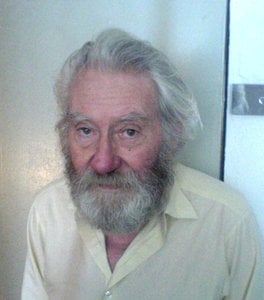
Otto Piene
1928 - 2014 , Poland
Kratke informacije
- Full Name: Otto Piene
- Nationality: German-American
- Date Of Birth: 1928
- Date Of Death: 2014
- Place Of Birth: Bad Laaspherode, Poland
- Notable Artworks:
- Rauchbild
- Olympic Rainbow
- Manned Helium Sculpture
- Artistic Movement Or Style: Kinetic art, ZERO group
- Artists Who Influenced This Artist:
- László Moholy-Nagy
- Fernand Léger
- Artists Or Movements Influenced By This Artist:
- Light art
- Kinetic artists