


Slika prati vaše izbore: , .
Opis predmeta
Explore Odilon Redon’s ‘Fleurs étranges’ (1910). A dreamlike Expressionist landscape featuring a solitary figure in earthy tones & impasto texture. Evokes solitude & introspection. #Redon #Expressionism #Art
 Pročitaj više
Biografija umetnika
Simbolistički majstor poznat po sanljivom Ciklopu. Otkrijte enigmatične vizije Odilona Redona već danas.
Ručno rađena uljana reprodukcija
Ručno oslikano uljanim bojama na platnu u dimenzijama i okviru po vašem izboru, izrađeno po porudžbini od strane naših umetnika. ( Pređi na štampu Pređi na digitalnu sliku)
Saznajte više o ovoj slici
 Pregledaj u prostoru
 Pošalji
 Podeli
 Detalji o delu
 Vodič
Vodič

 Preuzmi
 Slični predmeti
 Rendgenski snimak
 Automatska prezentacija
 Pitanja i odgovori
 Statistika
Naručite svoju sliku u četiri jednostavna koraka
Ne žurite. Možete promeniti bilo koji odgovor; cena u vašoj korpi se ažurira nakon svakog izbora.
1 Prvi od četiri koraka
Koju veličinu želite?
Ovi formati zadržavaju proporcije originalnog slikarskog dela. Crtež prikazuje vaš izbor na zidu, iznad dvometarske garniture.
Ili unesite sopstvene dimenzije
Izaberite jednu od naših unapred definisanih veličina koje odgovaraju originalnim proporcijama umetničkog dela.

Unesite potrebnu širinu i visinu kako bi se slika uklopila u vaš ram ili zid. Pošto je ovo ručno oslikano delo, umetnik može za dimenzije drugačijeg oblika naslikati malo više prostora oko slike ili malo skratiti ivice — izbor je na vama. Pre početka rada, poslaćemo vam digitalni prikaz radi potvrde. Slika prikazana na ovoj stranici ne predstavlja konačan rezultat — samo digitalni prikaz pokazuje stvarnu sliku.
2 Drugi od četiri koraka
Na koji način želite da bude pripremljeno: u rolni, na platnu ili u ramu?
Cene u nastavku odnose se na dimenziju koju ste izabrali u prvom koraku.
Izaberite ivice platna
Izaberite svoj okvir

Beli rub дин1

zamrljene ivice дин1

Prošireno дин1

P118B дин10

P118H дин10

P118W дин10

P438Z дин10

P508JH дин12

P508YH дин12

P805H дин10

P805Z дин10

P919BZ дин10

P919G дин10

P919XJ дин10

P959ZH дин10

P968JZ дин12

W106C дин8

W218G дин10

W218JH дин8

W218Y дин10

W307PJ дин10

W316G дин10

W316PJ дин8

W316Y дин10

W398PJ дин8

W4111J дин10

W500HY дин15

W500JH дин15

W692G дин12

W849H дин8

W940BG дин15

W953PJ дин8

H24-GOLD дин30

H24-SILVER дин30

H36-GOLD дин45

H36-SILVER дин45
Uokvireno
Profil: . Ukupna veličina sa okvirom: .
3 Treći od četiri koraka
Da li biste želeli da nešto promenite na slici?
Većina ljudi odgovara sa ne. Pošto je svaka slika ručno rađena, naš umetnik je može i prilagoditi vašim željama.
Nakon porudžbine, tim ArtsDot.com će poslati imejl klijentu radi dobijanja uputstava i dostaviti prikaz makete
4 Četvrti korak od četiri
Nekoliko opcija za završnu obradu
Sve su opcione. Odgovori koji su već izabrani ne podrazumevaju dodatni trošak.
Ko je autor?
Svetska isporuka () za 3/4 nedelje umesto uobičajenih 5 nedelja. (14 новембар). Bez kompromisa po pitanju kvaliteta.
Plakica, kao u muzeju?
Detalji gravirane bronze ploče
This elegant plaque features the artist's name and the title of the artwork, finely engraved for a timeless presentation.
It is made from bronze with a refined, elegant finish. The text is precisely laser-engraved for a sharp and permanent result. Measuring 9x2 cm, the plaque is compact yet easy to read. It's built to be durable and scratch-resistant, offering a professional, museum-quality look. Mounting is simple thanks to the included adhesive backing.
Detalji prozirne akrilne pločice
The plaque includes essential engraved details such as the artist's name, the title of the artwork, the date it was created, the type of media used-like oil on canvas or watercolor-a brief description of the piece, and a QR code that links to the complete artwork information.
It is crafted from clear acrylic, offering a sleek, modern appearance. The text is UV-engraved in black to ensure strong visual contrast. With a size of 10x15 cm, it ensures optimal readability. It comes equipped with two metal hooks for secure wall mounting. The plaque is designed to be weather-resistant, making it suitable for various environments, and it includes interactive features that work seamlessly with smartphone scanning.
Detalji crne akrilne pločice
This elegant plaque includes engraved information such as the artist's name, the title of the artwork, the date it was created, the type of media used (like oil on canvas or watercolor), a short description of the artwork, and a QR code for quick access to more information.
The plaque itself is made from refined black acrylic with a premium finish. The text is laser-engraved in white for high contrast and readability. Its size is 10x15 cm, designed to be easy to read. It comes with two metal hooks for professional mounting. The design is sleek and fits any interior style. It is also weather-resistant and durable, with built-in digital integration for mobile compatibility.
Zaštitni lak?
Kada vam je potrebno?
✓ Proverite i naručite
Vaša slika, upravo onakva kakvu ste naručili

Fleurs étranges
Tehnika reprodukcije
Dimenzije reprodukcije
-

Vrhunski maestri umetnosti
Više detalja, prefinjenosti i dodatnog vremena za izradu
-

Okvir za reprodukciju
-
-
Za umetnička dela ili reprodukcije čija je bilo koja strana veća od 105 cm (približno 41 inč), okvir će biti isporučen u obliku rastavljenog seta za sklapanje. Ovaj metod osigurava bezbednu dostavu i sprečava oštećenja tokom transporta.
Potrebna je profesionalna montaža – ovo nije proizvod namenjen samostalnoj izradi.
Set mora sastaviti i platno zategnuti iskusni profesionalni ramitelj, koristeći drveni lepak (nije uključen u set), hvataljku za zatezanje platna i stege kako bi se održao prav ugao okvira dok se lepak suši. Nepravilno sklapanje ili neravnomerno zategnuto platno mogu trajno oštetiti umetničko delo, što nije pokriveno našom garancijom.
 Za umetnička dela ili reprodukcije čija je bilo koja strana veća od 105 cm (približno 41 inč), okvir će biti isporučen u obliku rastavljenog seta za sklapanje. Ovaj metod osigurava bezbednu dostavu i sprečava oštećenja tokom transporta.
Sve šipke od masivnog drveta su uključene, precizno isečene po veličini.
Montira se pomoću priloženih šrafova, uz dodatno korišćenje lepka za drvo za spojeve u uglovima, koji nije uključen u set i koji vaš čuvar okvira mora obezbediti.
Potreban je profesionalni alat koji nije uključen u set: klešta za zatezanje platna (zatezač) i stege za održavanje pravih uglova letvica tokom sušenja lepka.
Važno:
Za spojeve u uglovima neophodan je lepak za drvo, šipke se moraju pričvrstiti stezgama dok lepak potpuno ne osuši, a za zatezanje platna na sklopljenom ramu potrebne su hvataljke za zatezanje platna. Nijedan od ovih alata nije uključen u komplet. Pre naručivanja ove veličine, molimo Vas da unapred obezbedite iskusnog profesionalca za ramačenje.

Kratki opis natpisa
-
-

Zaštitni lak
Sjajni lak (pojačava intenzitet boja, štiti od svetlosti i vlage)
-

Personalizujte svoje umetničko delo
Primeri mogućnosti izmene: Zamena lica fotografijom kupca; Dodavanje ljubimca (npr. zamena mačke psom); Uključivanje skrivene poruke u pozadini; Promena pejzaža ili elemenata pozadine.
-

Hitna dostava
Svetska isporuka () za 3/4 nedelje umesto uobičajenih 5 nedelja. (14 новембар). Bez kompromisa po pitanju kvaliteta.
-
Brza dostava
Dostava širom sveta () u roku od 5 nedelja. (21 новембар).
Uključeno u cenu
Ukupna cena
дин 27560
Opcija sa staklom dostupna je samo za dimenzije manje od 110 cm
Uključeno uz svaku porudžbinu
- Besplatna ekspresna dostava širom sveta
- Visokokvalitetno laneno platno
- Potpuno osiguranje transporta
- Garancija povraćaja carine i uvoznih dažbina
- Garancija vernosti boja
- Politika povraćaja u roku od 100 dana (samo u slučaju nedostataka)
- Garancija povrata 100% novca
- Popust na više proizvoda


Odilon Redon’s ‘Fleurs étranges’: A Descent into the Subconscious
“Fleurs étranges,” painted by Odilon Redon in 1910, is not merely a landscape; it's an invitation to a profoundly personal and unsettling realm. This work, rendered in oil on canvas with a masterful command of impasto technique, embodies Redon’s lifelong fascination with the hidden currents of the human psyche – a world he sought to translate from the depths of his imagination onto the canvas. The scene unfolds as a dreamscape, dominated by earthy tones and loose brushstrokes that evoke a sense of melancholy and introspection. A central figure, partially obscured within a rolling terrain, adds an element of mystery and perhaps even dread, while the hazy blue-grey sky suggests a detachment from reality.
- Style & Influence: Redon’s work firmly places him within the Expressionist movement, though predating its formal emergence. He shares with other Expressionists a commitment to conveying subjective emotion and distorting form to achieve an emotional impact rather than striving for photographic realism. However, unlike many of his contemporaries, Redon's distortions are rooted in a deeply personal symbolic language, drawing heavily from the realms of mythology, folklore, and his own intensely private visions.
- Technique – The Power of Impasto: The painting’s texture is immediately arresting, achieved through Redon’s deliberate application of thick paint—impasto—across the canvas. This technique isn't simply decorative; it actively contributes to the artwork’s emotional weight. The raised surface catches and reflects light in a way that intensifies the sense of unease and adds a palpable physicality to the landscape, as if it were a tangible manifestation of the artist’s inner turmoil.
Symbolism and Narrative within the Dreamscape
The composition of “Fleurs étranges” is laden with symbolic potential. The fragmented forms – the distorted vegetation, the ambiguous figure – suggest a disruption of order and a descent into the subconscious. Flowers, traditionally symbols of beauty and fragility, are rendered here as ‘strange’ flowers, hinting at their corrupted or transformed nature. This aligns with Redon's broader interest in exploring themes of death, decay, and the ephemeral nature of existence. The figure itself remains deliberately undefined, inviting viewers to project their own anxieties and interpretations onto its form. It could represent a lost soul, a dreamer adrift, or perhaps simply an embodiment of the artist’s own tormented spirit.
- Color Palette: Redon's restricted palette – primarily warm browns, ochres, and muted greens – reinforces the painting’s somber mood. The lack of vibrant color contributes to the overall sense of isolation and emphasizes the textural qualities of the work.
- Atmospheric Perspective: The use of atmospheric perspective—the gradual lightening and blurring of details in the distance—creates a convincing illusion of depth, drawing the viewer into the scene’s unsettling atmosphere. This technique is particularly effective in conveying the sense of vastness and loneliness that permeates the landscape.
Historical Context & Redon's Vision
Created in 1910, “Fleurs étranges” reflects a period of significant artistic experimentation and intellectual ferment. Redon’s work emerged from a rich tradition of Symbolist art, influenced by artists like Gustave Moreau and the Pre-Raphaelites. However, unlike his predecessors, Redon pushed beyond mere decorative symbolism, delving into psychological themes with an unprecedented level of intensity. His exploration of dreams, nightmares, and the subconscious anticipates many of the concerns that would later become central to Surrealism. Redon’s meticulous training in etching and lithography – techniques he mastered under Bresdin – profoundly shaped his artistic approach, allowing him to create images of remarkable detail and complexity within a deliberately obscured or dreamlike context.
- Provenance: The painting is part of the collection at the Musée Maurice Denis, highlighting Redon’s enduring influence on subsequent generations of artists.
Collecting ‘Fleurs étranges’: A Timeless Masterpiece
A hand-painted reproduction of “Fleurs étranges” offers a unique opportunity to bring this evocative and profoundly moving artwork into your home or office. The meticulous attention to detail, faithfully recreated through traditional painting techniques, captures the essence of Redon’s vision with stunning accuracy. This piece is more than just decoration; it's an investment in art history, a testament to the power of imagination, and a window into the depths of the human soul.
Pitanja i odgovori
Postoje li dela slična delu "Fleurs étranges"?
Umetnicka dela slična delu „Fleurs étranges”, autor Одилон Редон prikupljena su na stranici Slična dela ovog umetničkog dela.
U kom muzeju se čuva originalni "Fleurs étranges"?
Delo „Fleurs étranges”, autor Одилон Редон je izloženo u muzeju Muzej d'Orsej, Paris, France. Navod o muzeju odnosi se na originalno delo, a ne na reprodukcije.
Koja dimenzija i orijentacija štampe se preporučuju za „Fleurs étranges”, autor Одилон Редон?
Veličina Large, Tall orijentacija: ovo je preporučena postavka za štampu za „Fleurs étranges”, autor Одилон Редон.
Srodna umetnička dela


Одилон Редон
1840 - 1916, Француска
Biografija umetnika
Rani život, porodica i obuka
Rođen kao Bertrand-Žan Redon 20. aprila 1840. godine u Bordou, u Akvitaniji, Francuska, dečak koji će kasnije postati poznat kao Одилон Редон, ušao je u svet oblikovan porodičnim korenima. Njegova majka, Mari Gerin, bila je francuski kreol sa ostrva Bourbon, i upravo od njenog imena on će na kraju dobiti svoj izabrani umetnički pseudonim. Još u mladosti, bila je očigledna određena vizuelna darovitost; sa samo deset godina osvojio je školsku nagradu za crtež, što je bio mali trijumf koji je nagoveštavao senzibilitet koji će kasnije posvetiti svom umeću.
Put ka umetničkom životu nije bio pravolinijski. Iako je sa petnaest godina započeo formalno usporedno usporedno usčenje crteža, očeva želje su ga prvobitno vukle ka strukturiranom svetu arhitekture. Ta težnja vodila ga je u Pariz, gde je 1864. godine nakratko studirao slikarstvo pod mentorstvom umetnika Jean-Léon Gérôme. Međutim, strogi zahtevi arhitektonske obuke nisu odgovarali njegovom temperamentu. Nakon što nije položio prijemni ispit za École des Beaux-Arts, vratio se u rodni Bordou kako bi pronašao drugačiji način posmatranja sveta.
U tišini svog rodnog kraja, njegove ruke su otkrile nove teksture. Počeo je da se bavi skulpturom i počeo je da ovladava zamračnim, složenim umetnostima bakropisa i litografije. Upravo pod vođstvom Rodolphe Bresdin, ove tehničke veštine su se ukorenile, pružajući mu alate za istraživanje mračnijih i ambiguitetnijih sfera ljudske psihe. Te rane godine eksperimentisanja sa linijom i kamenom postavile su temelj za sve što je usledilo.
Period monohromatskih „noirs”
Tok redonove biografije popluo je neočekivani preokret 1870. godine, kada ga je francusko-pruski rat pozvao u vojnu službu. Ovo razdoblje vojničkog dužnika prekinulo je njegov razvojni umetnički put, ali nije moglo ugasiti vizije koje su se nemirno kretale u njemu. Nakon povratka, Одилон Редон je usredsredio svoj fokus na senke, radeći gotovo isključivo u crno-beloj tehnici sve do svoje pedesete godine. Te vizionarske radove počeo je nazivati svojim noirs (crnjakima), što je termin koji je savršeno uhvatio intenzivnu, mračnu prirodu njegovih istraživanja. Kroz ove monohromatske studije, on je nastojao da omateri nevidljivo, udaljavajući se od doslovnog sveta kako bi pronašao jezik čiste svetlosti i tame.
Njegova metoda bila je raznolika poput stvorenja koja je prizivao. Savladao je umetnost litografije i koristio crtež ugljenom za izgradnju svojih kompozicija, često slojevito nanoseći različite materijale kako bi postigao specifičnu dubinu. Kombinovao je vin i uljem namašćen ugalj sa dodacima komprimiranog ugljenika i crne pastele kako bi stvorio specifične efekte. Ovi alati omogućili su mu da prikaže noćne scene i čudna, fantastična bića koja su delovala kao da izranjaju iz vrtlogova magle. Njegove ruke radile su sa promišljenim intenzitetom, koristeći tvrdoću crne krede za ocrtavanje oblika nasuprot mekšim, atmosferskim delovima ugljenka. Rezultati nisu bili obični crteži, već prozori u privatno, senovito carstvo.
- Guardian Spirit of the Waters, oko 1878.
- The Crying Spider, 1881
Evolucija u boju i simbolizam
Kako su se 1890-e približavale, nova svetlost počela je da osvetljava Редонов atelier. Teške, monohromatske senke njegovih ranih godina ustupile su mesto iznenadnom zagrljaju boje. Okrenuo se pastelama i uljanim bojama, pronalazeći u tim medijumima način da izrazi promene u raspoloženju duše. Ovo nije bio samo običan promena tehnike, već duboko širenje njegove vizije. Odošao je od oštrine svojih studija ugljenom ka sanjovitoj apstrakciji, gde su se oblici činili kao da se rastapaju u svetlosti i nijansi. Ova tranzicija označila je njegovo mesto u samom srcu simbolističkog pokreta, dok je nastojao da kroz jezik boje da oblikuje ono što je neopipljivo.
Ova novopronađena luminosnost bila je duboko influisana dolaskom japanske umetnosti u Francusku. Одилон Редон je osetio snažnu privlačenost estetikom japanskih printova, pronalazeći mnogo toga čemu se može diviti u njihovoj ravnskoj perspektivi i odvažnosti njihovih boja. Ova fascinacija omogućila mu je da ode još dalje u carstvo sugestije, umesto doslovnog prikazivanja. Njegove kompozicije počele su da odražavaju ovaj istočnjački uticaj, spajajući osećaj misterije sa dekorativnijom, eteričnom kvalitetom. Svet koji je slikao više nije bio mesto čvrstih objekata, već prostor duhovnog i emocionalnog odjekivanja.
- Smrt Budde (1899)
- Zeleni jahač (oko 1904)
- Žuto jedro (oko 1905)
- Rođenje Venere (oko 1910)
Ključna dela i značajni porudžbine
Kako se Одилон Редон udaljavao od senki svojih ranih godina, njegova četica je pronašla novu svrhu zahvaljujući pokroviteljstvu onih koji su delili njegovu fascinaciju nevidljivim. Baron Robert de Domecy postao je značajna figura u ovom periodu, angažujući umetnika da zabeleži likove svoje porodice. Ovi portreti baronske supruge i njihove ćerke, Žan, omogućili su Редону da svoje evoluirajuće osećanje za svetlost primeni na ljudski oblik, nastojeći da otkrije unutrašnji život koji pulsira ispod površine kože.
Njegova mašta često je skretala ka drevnim mitovima, preoblikujući ih kroz prizmu sanjljive apstrakcije. U jednom od njegovih istaknutih uljanih slika, prikazao je mit o Polifemu i nimfi Galateji, poznat kao Kiklop. Ovo delo hvata giganta kako on jedno oko okreće ka spavajućoj devojci, u kompoziciji koja odražava njegovu sposobnost da spoji klasičnu temu sa dubokom psihološkom misterijom. Slično tome, njegovo pastelno delo iz 1900. godine, Portret Marie Botkine, poziva nas na pažljivo posmatranje tihih, introspektivnih dubina subjekta, prikazanih mekim, luminoznim potezom koji definiše njegov kasniji stil.
U svojim poslednjim godinama, uticaj estetike Istoka postao je još izraženiji, što je dovelo do dela koja su prihvatila dekorativniju i ravniju perspektivu. Pred kraj života, oko 1916. godine, stvorio je Veliki buket u japanskoj vazi, delo koje demonstrira kako su principi japanske umetnosti postali duboko utkani u njegov vizuelni jezik. Ovo kasno delo prikazuje umetnika koji je u potpunosti prigrlio moć boje kako bi izrazio ono što je neopipljivo.
Tehnika i umetnički stil
Одилон Редон је koračao kroz svet umetnosti kao crtač, litograf, i slikar, uvek težeći da logiku vidljivog stavi u službu nevidljivog. U svojim ranim godinama, pronašao je duboki jezik u senkama, radeći primarno u crno-beloj tehnici. Savladao je umetnost litografije, koristeći taj medij za postizanje suptilnih tonalnih gradacija koje su omogućavale svetlosti da izroni iz duboke tame. Kako bi postigao veću preciznost, često je koristio veštačku crnu kredu kako bi naglasio specifične kompozicione elemente preko širokih, mekih delova ugljenika. Ova dela su često opisivana kao sinteza košmara i snova, gde su granice između fizičkog i zamišljenog postajale zamagljene.
Kako je njegova ruka postajala sigurnija, njegov pristup teksturi i svetlosti se menjao. Odmakao se od teških, monohromatskih dubina svojih ranih studija ugljenikom ka upotrebi pastela i ulja. Ova tranzicija mu je omogućila da istražuje drugačiju vrstu luminoznosti, iako nikada nije izgubio svoju opsednutost podsviješću. Čak i kada je radio sa bojama, njegove kompozicije su često zadržavale osećaj misterije, kao da subjekti izranjaju iz sna, a ne iz fizičkog pejzaža. Njegova sposobnost da manipuliše različitim medijima omogućavala mu je da najeluzivnije delove ljudske psihe prevede u opipljive oblike.
- Ciklop, oko 1914.
- Portret Marie Botkine, 1900.
- Smrt Ofelije, 1905
Nasleđe i uticaj na modernu umetnost
Talasi Redonove vizije protegli su se daleko iznad tihih prostorija simbolističkog kruga, dotičući same temelje predstojećeg veka. Okrenuvši svoj pogled ka unutrašnjosti kako bi mapirao čudna, iracionalna prostranstva podsvesti, on je pripremio tlo za nadrealiste. Njegova sposobnost da materijalizuje logiku snova pružila je nacrt kasnijim umetnicima kao što su Marsel Dišamp i Maksu Ernstu, koji su težili da oslobode um iz okova razuma. On nije samo slikao scene; on je vizualizovao nevidljive struje ljudskih misli, gradeći most između vidljivog sveta i unutrašnjeg psihološkog bića.
Ova opsednutost subjektivnim iskustvom i emocionalnom težinom nevidljivog takođe je pronašla duboki odjek kod ekspresionističkih slikarâ. Njegov rad je sugestivno ukazivao da prava suština subjekta leži u tome kako se on oseća, a ne u tome kako ga oko meri. Pored njegovih platni i pastelâ, njegova grafička umetnost ostaje duboko dostojanstveno delo. Njegove litografije i crteži ugljenom, te senovita istraživanja mraka i misterije, smatraju se jednim od najinovativnijih dostignuća u grafici devetnaestog veka. Ovladao je suptilnim gradacijama tonova kako bi sugerisao svetove koji su delovali istovremeno drevno i potpuno nov.
- Kiklop, oko 1914.
- Smrt Ofelije, 1905.
- Rođenje Venere, 1910.
Gde danas možete videti njegova dela
Da biste susreli tragove njegove mašte, potrebno je zaputovati u velike svetišta evropske umetnosti. U Parizu, Musée d'Orsay čuva nekoliko njegovih dela, nudeći nam uvid u evoluciju njegove vizije. Oni koji traže njegove bogatije, kasnije istraživačke radove, možda će pronaći put do Njujorka, gde Museum of Modern Art čuva nekoliko dela koja odražavaju njegov prelazak ka svetlijoj, luminističkoj estetici.
Doseg njegovog uticaja prevazilazi granice, nalazeći dom u raznim kolekcijama širom sveta. U Holandiji, Kröller-Müller Museum u Otterlou čuva Ciklopove, delo koje savršeno hvata mitološke i sanjive kvalitete njegove srednje i kasne umetničke faze. Istovremeno, preko Atlantika, J. Paul Getty Museum u Los Anđelesu čuva portret baronice de Domecy, delo koje svedoči o ličnim vezama i porudžbinama koje su oblikovale njegov život.
- Ciklopovi, Kröller-Müller Museum, Otterlo
- Portret baronice de Domecy, J. Paul Getty Museum, Los Anđeles

Povezani članci

Top 10 Remek-dela Impresionizma koji su Značili Revoluciju u Umetnosti | ArtsDot
Uronite u svet impresionizma! Otkrijte 10 remek-dela Moneta, Renoara, Degasa i Van Goga. Istorija umetnosti, tehnike slikanja i inspiracija za dekoraciju enterijera. Kvalitetne reprodukcije na ArtsDot.com.
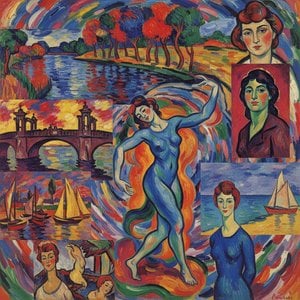
Fauvism's Boldest Visions: 10 Masterpieces That Revolutionized Modern Art | ArtsDot
Explore 10 Fauvist masterpieces by Matisse, Derain & Vlaminck that ignited Modern Art! Discover bold colors, expressionist landscapes & the history of this revolutionary movement. Find museum-quality prints at ArtsDot.com.

The Enduring Legacy of Oil on Canvas: Technique, History & Aesthetic Impact
Explore the rich history & techniques of oil painting – from Renaissance masters to Impressionism. Discover pigments, layering methods, and why this timeless medium endures. Expert insights for artists & art enthusiasts.