


 Pregledaj u prostoru
 Pošalji
 Podeli
 Detalji o delu

 Преузми
 Slični predmeti
 Rendgenski snimak
 Slajdovi
Schaapskooi
 Pročitaj više
Giclee štampa / Umetnički otisak
Giclée štampa ili print na platnu muzejskog kvaliteta uz brzu proizvodnju i fleksibilne opcije završne obrade. ( Kupi ručno naslikanu sliku Kupi digitalnu sliku)




































Izaberite jednu od naših unapred definisanih veličina koje odgovaraju originalnim proporcijama umetničkog dela.

Možete uneti sopstvene dimenzije kako biste umetničko delo prilagodili specifičnom okviru ili prostoru. Ako odabrani format ne odgovara proporcijama originalne slike, mi ćemo ili iscrtati deo dela ili proširiti sliku pomoću ogledane ivice ili jednobojnog popunjavanja. Digitalni prikaz će vam biti poslat na odobrenje pre početka proizvodnje.
Imajte na umu da pregled na ekranu ne odražava stvarno iscrtavanje ili proširivanje. Samo će prikaz (mockup) precizno pokazati finalnu kompoziciju.
Iako su prilagođene dimenzije dostupne, preporučujemo da odaberete dimenziju sa unapred definisane liste kako biste očuvali originalne proporcije.
Dostava širom sveta () za 2 nedelje umesto uobičajenih 4/5 nedelja. (23 август)

Besplatna ekspresna dostava širom sveta

Visokokvalitetno laneno platno

Kompletno osiguranje transporta

Garancija povraćaja carine i uvoznih dažbina

Garancija vernosti boja

Politika povrata u roku od 60 dana (samo u slučaju nedostataka)

Garancija povrata novca od 100%

Popust pri grupnoj kupovini
 Opcija sa staklom dostupna je samo za dimenzije manje od 110 cm

Schaapskooi
Giclee štampa / Umetnički otisak
Dimenzije reprodukcije
-


Konačna cena
$ 62
Srodna umetnička dela


Biografija umetnika
Nicolaas Bastert: Painter of the Dutch Golden Light
Nicolaas Bastert (1854-1939) stands as a quintessential figure in the landscape painting tradition of the Netherlands, particularly renowned for his evocative depictions of the Vecht River region. More than simply recording scenes of rural beauty, Bastert’s work captures a specific mood – a serene, almost melancholic light that has become synonymous with Dutch Impressionism. Born in Maarssen, Netherlands, into a family deeply rooted in land ownership and commerce, his artistic journey was initially somewhat unexpected, diverging from the expected path of managing the family estate. This biographical shift speaks to an innate desire for creative expression, a yearning to translate the visual world onto canvas.
Bastert’s early training at the National Academy of Fine Arts in Amsterdam, under the tutelage of masters like August Allebé and Marinus Heijl, provided him with a solid foundation in academic technique. However, it was his time spent alongside fellow artist George Poggenbeek, particularly during their shared sojourns to Breukelen on the Vecht, that truly shaped his distinctive style. This period fostered a collaborative spirit, influencing Bastert’s approach to capturing light and atmosphere – elements he would later master with remarkable skill. The influence of the Hague School is undeniable, yet Bastert developed a unique voice, characterized by a delicate balance between observation and subjective interpretation.
The Vecht River: A Subject of Enduring Fascination
The Vecht River, with its meandering course, picturesque villages, and expansive meadows, became the central subject of Bastert’s oeuvre. He wasn't merely painting landscapes; he was attempting to distill the essence of Dutch rural life – a harmonious relationship between humanity and nature. His paintings frequently depict hay wagons resting in fields, farmers tending their land, or figures engaged in quiet domestic activities against the backdrop of the river’s shimmering surface. These scenes aren’t idealized fantasies but rather carefully observed moments, imbued with a sense of timelessness.
Bastert's technique was meticulously refined over decades. He employed loose brushstrokes and a vibrant palette, prioritizing the effects of light and shadow. He paid particular attention to capturing the subtle shifts in color as sunlight filtered through the trees or reflected off the water’s surface. His use of atmospheric perspective – creating a sense of depth and distance through variations in tone and color – is particularly noteworthy. Unlike some of his contemporaries who favored sharper, more detailed renderings, Bastert deliberately softened his forms, contributing to the overall feeling of tranquility and intimacy within his paintings.
Influences and Artistic Development
While firmly rooted in the Hague School tradition, Bastert’s work also reveals influences from Impressionism and even a touch of Symbolism. The fleeting effects of light, reminiscent of Monet or Renoir, are evident in his treatment of water and foliage. Furthermore, there's a subtle melancholic undertone to many of his paintings – a sense of nostalgia for a disappearing rural world. This is perhaps reflected in the solitary figures often depicted within his landscapes, suggesting a quiet contemplation of nature’s beauty.
His early years were marked by experimentation and travel, including time spent studying at the Royal Academy of Fine Arts in Antwerp and exploring the artistic centers of Europe. These experiences broadened his perspective and informed his evolving style. Returning to the Netherlands, he established a studio in The Hague and later in Amsterdam, continuing to refine his technique and develop his unique vision. His work gained recognition throughout the late 19th and early 20th centuries, securing him a place among the most respected landscape painters of his generation.
Legacy and Recognition
Nicolaas Bastert’s paintings continue to resonate with viewers today due to their exquisite beauty and evocative atmosphere. His depictions of the Vecht River region offer a poignant glimpse into a bygone era, capturing the spirit of rural Netherlands with remarkable sensitivity. His work is held in numerous public and private collections throughout the Netherlands and beyond, testament to its enduring appeal.
Bastert’s legacy extends beyond his individual paintings; he represents a crucial link between the academic traditions of the Hague School and the more expressive tendencies of later Dutch landscape artists. His meticulous observation, coupled with a profound understanding of light and atmosphere, established him as a master of capturing the subtle beauty of the Dutch countryside – a painter who truly understood how to translate the golden light of the Netherlands onto canvas.
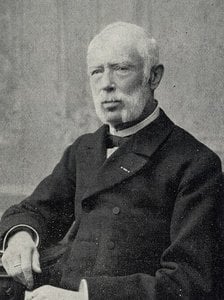
nicolaas bastert
1854 - 1939 , Netherlands
Osnovne informacije
- Artistic Movement Or Style: Hague School, Flemish Impressionism
- Artists Or Movements Influenced By This Artist: ['George Poggenbeek']
- Artists Who Influenced This Artist:
- August Allebé
- Marinus Heijl
- Date Of Birth: January 7, 1854
- Date Of Death: April 18, 1939
- Full Name: Syvert Nicolaas Bastert
- Nationality: Dutch
- Notable Artworks:
- Hay Wagon
- Vechtlandschap
- Near Breukelen on the Vecht
- Place Of Birth: Maarssen, Netherlands

