
- Početna strana

- Digitalna slika
- naina dalal
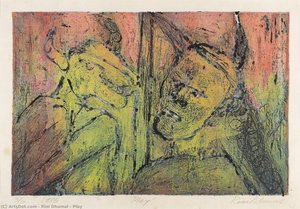
- The Cry

 Kupi štampu Naručite reprodukciju
 Pošalji
 Podeli
 Detalji o delu
 Dodaj u omiljene

 Преузми
 Slični predmeti
 Rendgenski snimak
 Slajdovi
The Cry
 Painting
- Contemporary Art
 1980
1980- Modern
 29.0 x 41.0 cm
 Kerala Museum
 Pročitaj više
Kupite digitalnu sliku visoke rezolucije i poboljšanog kvaliteta, koja je znatno superiornija od onoga što vidite u online prikazu.
Svaka datoteka je pedantno pripremljena od strane naših stručnjaka koristeći napredne alate i profesionalnu ručnu retušu. Osiguravamo da svaka slika ima izuzetnu oštrinu, preciznu reprodukciju boja i fine detalje.
Konačna datoteka se dostavlja putem e-pošte u roku od 72 sata, optimizovana za neposrednu upotrebu u profesionalnim, izdavačkim i štamparskim okruženjima. To je isti kvalitet kojem veruju vrhunski studiji dizajna, izdavači i galerije.
Digitalna slika
Preuzmite datoteku visoke rezolucije za ličnu upotrebu, štampanje i kreativne projekte.
Uključeno uz svaku porudžbinu digitalne slike
Profesionalna digitalna isporuka, zagarantovana
Kada odaberete ArtsDot.com, ne dobijate samo sliku – vi primate profesionalno unapređeno digitalno umetničko delo, izrađeno sa najvećom preciznošću i uz garanciju zadovoljstva. Evo svega što automatski dolazi uz vašu porudžbinu:

Brza dostava putem e-pošte
Vaša digitalna slika visoke rezolucije biće vam poslata putem e-pošte u roku od 72 sata od poručivanja – spremna za trenutnu upotrebu.

Digitalna datoteka unapređena veštačkom inteligencijom
Vaše umetničko delo je profesionalno optimizovano korišćenjem naprednih AI alata i ručne obrade, čime se osiguravaju maksimalni detalji, oštrina i preciznost boja.

Besplatna ponovna isporuka doživotno
Slučajno ste obrisali ili izgubili svoju datoteku? Ne brinite – poslaćemo vam je ponovo u bilo kom trenutku, potpuno besplatno.

Bez troškova uvoza – zauvek
Uživajte u svojim umetničkim delima trenutno, bez carine, dažbina ili troškova dostave – digitalni download je uvek bez poreza.

Garancija vernosti boja
Uz pomoć profesionalnih alata i upravljanja bojama, osiguravamo da vaša digitalna slika što vernije odražava originalne boje.

Garancija zadovoljstva u roku od 60 dana
Ako niste zadovoljni svojom digitalnom slikom, revidirat ćemo je ili vratiti 100% novca u roku od 60 dana – bez ikakvih pitanja.

100% garancija povrata novca
Niste zadovoljni? Obezbedite pun povrat novca u roku od 60 dana od trenutka kada ste primili svoju digitalnu datoteku – bez suvišnih pitanja.

Popusti na velike porudžbine
Kupite 3 slike, uštedite 10% - Kupite 5 slika, uštedite 15% - Kupite 10+ slika, uštedite 20%. Odlično za kreativne projekte, galerije i agencije.
Opis kolekcionarskog dela
Srodna umetnička dela


Biografija umetnika
Early Life and Artistic Beginnings
James Lewis Dine, born June 16, 1935, in Cincinnati, Ohio, emerged from a surprisingly conventional background to become one of the most influential figures in post-war American art. His early life was marked by a quiet domesticity—he grew up in a modest home with his parents and younger sister, largely shielded from the turbulent artistic currents swirling around him. However, this seemingly ordinary upbringing proved to be fertile ground for an extraordinary creative spirit. A pivotal moment arrived during his teenage years when he encountered a collection of German Expressionist woodcuts through Paul J. Sachs’s *Modern Prints and Drawings* (1954). These stark, emotionally charged images—works by Ernst Ludwig Kirchner, Emil Nolde, and Max Beckmann—profoundly impacted Dine, igniting within him a desire to capture the raw essence of human experience through visual means. He began experimenting with woodcut techniques in his family’s basement, developing a distinctive style characterized by bold lines and simplified forms. This early exploration laid the foundation for his future career as a printmaker, sculptor, and performance artist. His formal artistic education commenced at the Art Academy of Cincinnati in 1952, followed by studies at the University of Cincinnati, where he honed his skills under Donald Roberts, a teacher who encouraged him to explore various printmaking methods including lithography, etching, and intaglio techniques.The Rise of Happenings and Early Experiments
Following graduation from the University of Cincinnati in 1957, Dine relocated to New York City, a hub of artistic innovation at the time. He quickly immersed himself in the burgeoning scene of experimental art, finding collaborators in figures like Claes Oldenburg, Marcus Ratliff, Allan Kaprow, and Bob Whitman. These artists were pushing the boundaries of traditional art forms, embracing spontaneity and audience participation in their performances known as “happenings.” Dine’s early work within this movement is particularly noteworthy. In 1959, he created *The Smiling Workman*, a provocative performance that involved distributing printed images of a smiling worker to passersby on the streets of New York. This piece demonstrated his willingness to engage directly with the public and challenge conventional notions of art’s role in society. This period marked a significant shift from purely visual art towards incorporating elements of theater, social commentary, and audience interaction—a hallmark of Dine's later work.Printmaking as a Central Focus
Throughout his career, printmaking remained a central focus for Jim Dine. He mastered an astonishing array of techniques – woodcuts, linocuts, screenprints, etchings, gravures, and drypoint – each offering unique possibilities for exploring form, texture, and imagery. Dine’s prints are instantly recognizable for their simplicity and directness. Often, he reduces complex subjects to their most essential elements, employing bold lines and reductive techniques to create striking visual statements. He frequently used the process of making the print itself as part of the artwork, incorporating the marks of his hand into the final image. This emphasis on the act of creation—the physical engagement with materials—became a defining characteristic of his work. His prints are not merely reproductions of images; they are embodiments of ideas and emotions, reflecting his ongoing exploration of human experience.The Development of “Dine-ographs” and Conceptual Art
In the 1960s, Dine began to develop a distinctive style he termed "dine-ographs." These works—often simple, hand-drawn images of everyday objects like forks, spoons, or chairs—were executed in various media, including woodcuts, lithographs, and screenprints. The dine-ographs represented a shift towards conceptual art, where the idea behind the artwork was often more important than its aesthetic qualities. Dine’s intention was to strip away any pretense of artistic skill or virtuosity, focusing instead on the inherent simplicity and directness of the subject matter. He sought to challenge viewers' assumptions about what constituted “art” by presenting familiar objects in unfamiliar contexts. This approach resonated with a broader cultural shift towards minimalism and conceptualism, solidifying Dine’s position as a key figure in the development of contemporary art.Legacy and Influence
Jim Dine’s impact on American art is profound and far-reaching. His pioneering work in happenings, his innovative printmaking techniques, and his embrace of conceptual ideas have influenced generations of artists. He demonstrated that art could be accessible, democratic, and engaged with the realities of everyday life. His commitment to simplicity and directness continues to inspire artists today. Dine’s work has been exhibited extensively around the world, and he remains a highly respected and influential figure in the contemporary art scene. His legacy extends beyond his own artistic creations; he fostered a spirit of experimentation and collaboration that helped shape the course of American art history.
naina dalal
1935 - , India
Kratke činjenice
- Artistic Movement Or Style: Happenings, Printmaking
- Artists Or Movements Influenced By This Artist: ['Judson Gallery']
- Artists Who Influenced This Artist:
- Paul J. Sachs
- Ernst Ludwig Kirchner
- Date Of Birth: June 16, 1935
- Full Name: James Lewis Dine
- Nationality: American
- Notable Artworks:
- The Smiling Workman
- Cut Cards
- Place Of Birth: Cincinnati, Ohio, USA

