

 Pregledaj u prostoru
 Pošalji
 Podeli
 Detalji o delu
 Vodič
Vodič

 Preuzmi
 Slični predmeti
 Rendgenski snimak
 Automatska prezentacija
 Pitanja i odgovori
 Statistika
Ignudo


 Pročitaj više
Giclee štampa / Umetnički otisak
Giclée štampa ili print na platnu muzejskog kvaliteta uz brzu izradu i raznovrsne opcije završne obrade. ( Kupite ručno oslikano delo Pređi na digitalnu sliku)




P118B дин10

P118H дин10

P118W дин10

P438Z дин10

P508JH дин12

P508YH дин12

P805H дин10

P805Z дин10

P919BZ дин10

P919G дин10

P919XJ дин10

P959ZH дин10

P968JZ дин12

W106C дин8

W218G дин10

W218JH дин8

W218Y дин10

W307PJ дин10

W316G дин10

W316PJ дин8

W316Y дин10

W398PJ дин8

W4111J дин10

W500HY дин15

W500JH дин15

W692G дин12

W849H дин8

W940BG дин15

W953PJ дин8




Izaberite jednu od naših unapred definisanih veličina koje odgovaraju originalnim proporcijama umetničkog dela.

Unesite željenu širinu i visinu kako bi se štampa uklopila u vaš ram ili zid. Štampu je moguće samo iseći, ali nikada povećati iznad dimenzija originalne slike, stoga format sa drugačijim proporcijama uzrokuje gubitak dela slike. Pre početka štampe, poslaćemo vam digitalni prikaz radi potvrde. Slika prikazana na ovoj stranici ne predstavlja stvarni isrez — to pokazuje samo digitalni prikaz.
Dostava širom sveta () za 2 nedelje umesto uobičajenih 4/5 nedelja. (10 новембар)

Besplatna ekspresna dostava širom sveta

Visokokvalitetno laneno platno

Potpuno osiguranje transporta

Garancija povraćaja carine i uvoznih dažbina

Garancija vernosti boja

Politika povraćaja u roku od 100 dana (samo u slučaju nedostataka)

Garancija povrata 100% novca

Popust na više proizvoda
 Opcija sa staklom dostupna je samo za dimenzije manje od 110 cm

Ignudo
Giclee štampa / Umetnički otisak
Dimenzije reprodukcije
-


Ukupna cena
дин 6611
Ignudo: A Study in Renaissance Anatomy and Contemplation
The Sistine Chapel stands as an unparalleled testament to artistic achievement—a cathedral of faith and artistry conceived by Pope Julius II and executed with breathtaking ambition by Michelangelo Buonarroti. Among the chapel’s monumental frescoes, “Ignudo,” created in 1511, occupies a singular place within the larger series depicting Adam and Eve after the Fall, offering a profound meditation on human form and spiritual yearning. This remarkable artwork transcends mere representation; it embodies the very essence of Renaissance humanist ideals.The Anatomical Precision of Michelangelo
Michelangelo Buonarroti’s mastery of anatomy is undeniable—a cornerstone of his artistic vision. “Ignudo” exemplifies this skill with astonishing accuracy, reflecting the artist's deep understanding of human musculature and skeletal structure gleaned from meticulous dissection studies conducted in secret during his formative years. The figure’s pose—seated on a simple bench—is deliberately understated yet powerfully expressive. Michelangelo skillfully captures the subtle tension within the muscles of the torso and limbs, conveying a sense of stillness that belies the dynamism inherent in human movement. This careful observation of nature distinguishes Michelangelo's work from earlier artistic traditions and establishes him as the foremost sculptor and painter of his era.A Symbol of Innocence Lost
The Ignudi series within the Sistine Chapel serves as a poignant commentary on the biblical narrative—the expulsion of Adam and Eve from Paradise. “Ignudo,” positioned to the left of Adam, embodies innocence before transgression. His gaze is averted downwards, suggesting introspection and sorrow—a reflection of humanity’s fall from grace. The drapery enveloping his body is rendered with meticulous detail, emphasizing the vulnerability of the human form against the backdrop of divine judgment. Michelangelo utilizes chiaroscuro—the dramatic interplay of light and shadow—to heighten the emotional impact of the image, creating a palpable sense of melancholy and contemplation.Technique and Artistic Context
Michelangelo’s fresco technique involved applying pigment onto wet plaster, ensuring that each brushstroke adhered seamlessly to the surface. The artist employed tempera pigments mixed with linseed oil, achieving remarkable luminosity and vibrancy—characteristics that continue to captivate viewers centuries later. Furthermore, “Ignudo” is situated within a broader artistic context—the High Renaissance—characterized by an unwavering commitment to classical ideals of beauty and proportion. Michelangelo’s work reflects the humanist fascination with human anatomy and psychology, mirroring the philosophical currents of his time. The Sistine Chapel itself was conceived as a symbol of papal authority and spiritual grandeur, reflecting the ambitions of Julius II during his reign.Discovering the Legacy of Ignudo
“Ignudo” remains an enduring emblem of Renaissance artistry—a masterpiece that continues to inspire artists and scholars alike. Its meticulous anatomical rendering, coupled with its evocative symbolism and masterful use of chiaroscuro, solidify Michelangelo’s position as one of history's greatest creative geniuses. You can delve deeper into the artwork’s significance on Wikipedia and explore reproductions at ArtsDot.com. Consider commissioning a high-quality hand-painted reproduction to adorn your home or studio—bringing the timeless beauty of Michelangelo’s vision into your space.Pitanja i odgovori
Kako se kontrast i harmonija spajaju u delu "Ignudo"?
Analiza boja dela „Ignudo”, autor Mikelanđelo Buonaroti beleži Upečatljiv kontrast i Snažno kolorističko jedinstvo harmoniju.
Šta objašnjava status autorskih prava za „Ignudo”, autor Mikelanđelo Buonaroti?
Status autorskih prava za delo "Ignudo" - u javnom vlasništvu – autorska prava su istekla - proizilazi iz godine smrti umetnika, 1564.
Koju paletu boja i kakav osećaj spaja "Ignudo"?
„Ignudo”, autor Mikelanđelo Buonaroti spaja Zemljasti tonovi paletu boja sa Moćan i upečatljiv tonom.
Srodna umetnička dela


Biografija umetnika
Težina kamena i prašine
Na brdima Kapreza, jedan dečak je učio o težini kamena i grubosti mermerne prašine. Rođen 1475. godine, Mikelanđelo Buonaroti je svoje rane godine proveo u blizini Setinjanu, gde je njegov otac posedovao kamenolom. Miris vlažne zemlje i zvuk čekića koji udaraju o stenu bili su deo njegovog detinjstva. Nije počeo sa četkicama, već sa dregom. Njegov radni staž kod Domenika Đirlandaia u Firenci povezao ga je sa rastućim interesovanjem grada za ljudsku formu, ali upravo su Medičijevi vrtovi zaista oblikovali njegov pogled. Tamo, među drevnim grčkim i rimskim fragmentima, proučavao je kako svetlost pada preko mišića i kostiju.
Njegov rad je počeo da dobija oblik kroz duboko proučavanje anatomije. Posmatrao je način na koji ud telo nosi težinu i kako se koža rasteže preko zgoba. Ovaj fokus na fizičku realnost tela postao je njegov primarni jezik. Do trenutka kada je stigao u Rim 1496. godine, već je klesio figure koje su posedovale teško, opipljivo prisustvo. Pijeta, završena 1499. godine, pokazuje tu ranu sposobnost da mermer učini mekim poput mesa, čak i dok nosi težinu mrtvog čoveka.
Napetost plafona
Zadatak plafona Sikstinske kapele nije bio nešto što je on tražio. Video je sebe kao vajara, nekoga ko izvlači život iz kamena, a ne nekoga ko razmazuje pigment po malteru. Ipak, četiri godine je radio u visokim predelima kapele, slikajući preko 300 figura iz Knjige Postanja. Fizički napor je bio vidljiv u njegovom svakodnevnom životu. Provodio je sate u teškim položajima, a njegovo telo bilo je iscrpljeno odževavanja i teškog primenjivanja fresko tehnike. U panelima kao što je Stvaranje Adama, napetost se nalazi u malom razmaku između dva prsta, trenutku skoro-kontakta koji zadržava pažnju gledaoca kroz čistu kompoziciju.
Kako je vreme prolazilo, njegov stil se udaljavao od uravnoteženih ideala visoke renesanse ka nečem nemirnijem. Njegova kasnija dela, kao što je Poslednji sud na oltarskom zidu, pokazuju prelazak ka manirizmu. Figure su postale izduženije, a kompozicije gužvavije i dramatičnije. Ova promena odražavala je promenljivo duhovno klidima u Rimu. Nastavio je da radi sa intenzitetom koji je mnogima bio preplavljujući, često ostavljajući projekte nedovršenim dok mu je um odlazio ka novim arhitektonskim ili skulptorskim problemima.
Arhitektura i poslednje godine
U svojim kasnijim decenijama, Mikelanđelo je usmerio veliki deo pažnje na strukturu građevina. Sa 71 godinom, preuzeo je rad na Bazilici Svetog Petra, izmenivši planove kako bi stvorio masivniji, impresivniji dizajn. Takođe je projektovao Lavranćijanu biblioteku, gde je njegova upotreba arhitektonskih elemenata prekršila tradiciju, stvarajući osećaj kretanja unutar samog kamena. Njegov rad na trgu Kamidžolo u Rimu pokazao je kako može da organizuje javni prostor koristeći simetriju i klasične motive kako bi vodio oko kroz trg.
Umro je u Rimu 1564. godine, ostavivši za sobom nasleđe zapisano u mermeru, fresci i kamenu. Njegov život su definisali nekoliko ključnih uloga:
- Vajara: Klesanje dela kao što je David iz jedinstvenih blokova kararskog mermera.
- Slikar: Izvođenje ogromnih narativnih ciklusa Sikstinske kapele.
- Arhitekta: Redizajniranje temelja Bazilike Svetog Petra i Lavranćijane biblioteke.
- Pesnik: Izražavanje svojih unutrašnjih misli kroz stihove.

Mikelanđelo Buonaroti
1475 - 1564 , Италија
Osnovne informacije
- Artistic Movement Or Style: Visoki renesans, Maneirizam
- Artists Or Movements Influenced By This Artist: ['Maneirizam']
- Artists Who Influenced This Artist: ['Domeniko Girlandajo']
- Date Of Birth: 1475
- Date Of Death: 1564
- Full Name: Mikelanđelo di Lodoviko Buonaroti Simoni
- Nationality: Italijan
- Notable Artworks:
- Pijeta
- David
- Plavon Sikstinske kapele
- Poslednji sud
- Place Of Birth: Kapreze Mikelanđelo, Italija
Povezani članci

Bronze Age to Modern Masters: 10 Sculptures That Redefined Art | ArtsDot
Journey through art history with 10 legendary bronze sculptures – from Michelangelo's David to Rodin’s Thinker. Explore the stories, techniques & timeless beauty of these masterpieces. Find museum-quality reproductions & elevate your home decor on ArtsDot.com.

Bronze Sculptures That Defined Art History | ArtsDot
Journey through art history with our Top 10 bronze sculptures! Explore masterpieces by Rodin, Michelangelo & more. Discover stories behind iconic statues and find museum-quality reproductions for your home decor at ArtsDot.com.
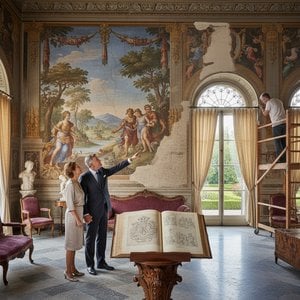
Porodična freska nasleđe: Očuvanje kulture i identiteta kroz zidno slikarstvo – Istorijski uvid za kolekcionare
Istražite bogatu istoriju zidnog slikarstva i njegov značaj za očuvanje kulture i porodičnog nasleđa. Ekskluzivni uvid za kolekcionare, restauratore i ljubitelje umetnosti. Saznajte više o tehnikama, vrednosti i budućnosti ove drevne veštine.

The Enduring Legacy of Fresco Painting: Techniques, History & Contemporary Relevance
Explore the rich history & enduring artistry of fresco painting – from Giotto to Michelangelo! Discover techniques, conservation efforts, & modern applications. Learn how ArtsDot brings this timeless art form to your home.

Michelangelo Buonarroti: 25 Remek-dela Renesansnog Genija za Vaš Dom | ArtsDot
Istražite 25 remek-dela Michelangela Buonarottija! Otkrijte priče iza Davida, Pietà i Sikstinske kapele. Reprodukcije slika vrhunskog kvaliteta za luksuzni dekor enterijera. Inspiracija & kupovina na ArtsDot.com


