


 Pregledaj u prostoru
 Pošalji
 Podeli
 Detalji o delu

 Преузми
 Slični predmeti
 Rendgenski snimak
 Slajdovi
Untitled (Man vomiting)
 12.0 x 8.0 cm
 Hammer Museum
 Pročitaj više
Ručno rađena uljana reprodukcija
Ručno oslikano uljanim bojama na platnu u dimenzijama i okviru po vašem izboru, izrađeno po porudžbini od strane naših umetnika. ( Kupi print Kupi digitalnu sliku)




































Izaberite jednu od naših unapred definisanih veličina koje odgovaraju originalnim proporcijama umetničkog dela.

Можете унети сопствене димензије како бисте прилагодили дело одређеном оквиру или простору. Ако одабрана величина не одговара пропорцијама оригинала, слика ће бити исечена или проширена додатним елементима који се ручно насликавају. Дигитални prikaz ће вам бити послат на одобрење пре почетка производње.
Имајте на уму да преглед на екрану не одражава стварно исецање или проширење. Само приказ (mockup) ће тачно приказати коначну композицију.
Иако су доступне прилагођене величине, препоручујемо да одаберете димензију из дефинисане листе како бисте сачували оригиналне пропорције.
Nakon narudžbine, tim ArtsDot.com će klijentu putem e-pošte poslati uputstva i dostaviti prikaz predloženog rešenja
Isporuka širom sveta () za 3/4 nedelje umesto uobičajenih 5 nedelja. (13 август). Bez kompromisa po pitanju kvaliteta.

Besplatna ekspresna dostava širom sveta

Visokokvalitetno laneno platno

Kompletno osiguranje transporta

Garancija povraćaja carine i uvoznih dažbina

Garancija vernosti boja

Politika povrata u roku od 60 dana (samo u slučaju nedostataka)

Garancija povrata novca od 100%

Popust pri grupnoj kupovini
 Opcija sa staklom dostupna je samo za dimenzije manje od 110 cm

Untitled (Man vomiting)
Tehnika reprodukcije
Dimenzije reprodukcije
-


Konačna cena
$ 263
Srodna umetnička dela


Biografija umetnika
Max Unold: A Chronicle of Urban Realism and German Modernity
Born in Memmingen, Bavaria, in 1885, Max Unold emerged as a pivotal figure within the burgeoning landscape of early 20th-century German art. His career spanned several decades, marked by a dedication to capturing the gritty realities of urban life and a profound engagement with the philosophical currents of his time. While often categorized within the “New Objectivity” movement – a reaction against the prevailing sentimentality of Expressionism – Unold’s work possessed a unique strength, rooted in meticulous observation and a strikingly direct approach to depicting the social fabric of Germany.
Unold's artistic journey began with formal training at the Moritz Heymann art school in 1906, followed by studies at the Munich Academy under Hugo von Habermann. This early exposure to academic traditions provided a solid foundation, but it was his involvement with the “Münchener Neue Secession” – a group of artists seeking to break from established norms and explore new modes of representation – that truly shaped his artistic vision. This association proved particularly significant during the turbulent years leading up to and including World War I, forcing the group to dissolve under the pressures of the Nazi regime. Unold’s experience as its last president instilled in him a deep awareness of social injustice and the fragility of artistic freedom.
The Language of the Street: Style and Technique
Unold's distinctive style is immediately recognizable through his masterful use of woodcuts, lithographs, and engravings. He eschewed romanticized depictions in favor of stark realism, focusing on the often-unpleasant aspects of urban existence – poverty, conflict, and social alienation. His compositions are typically dynamic, filled with movement and a palpable sense of tension. Bold lines, dramatic shadows, and a limited color palette contribute to an atmosphere of immediacy and emotional intensity.
A key element of his technique was his meticulous attention to detail. He studied the faces of ordinary people – laborers, street vendors, and marginalized figures – with an almost photographic precision, capturing their weariness, resilience, and quiet dignity. His depictions of crowded marketplaces, bustling streets, and dimly lit taverns are not merely illustrations; they are powerful social commentaries, offering a glimpse into the lives of those often overlooked by mainstream society. The influence of late 19th-century printmaking is evident in his compositions, particularly in their use of cross-hatching and tonal variations to create depth and texture.
Themes of Social Commentary and Modernity
Unold’s work consistently grappled with the social and political realities of his time. The rise of industrialization, urbanization, and class inequality were central themes in his oeuvre. He frequently depicted scenes of poverty, unemployment, and social unrest, implicitly critiquing the injustices inherent in a rapidly changing society. His images are not overtly propagandistic, but they subtly expose the human cost of modernity – the alienation, hardship, and disillusionment experienced by many.
Furthermore, Unold’s art reflects a broader engagement with philosophical ideas prevalent during this period. The influence of thinkers like Nietzsche and Bergson is discernible in his exploration of subjectivity, perception, and the fragmented nature of modern experience. He sought to capture not just what he *saw*, but also how he *felt* about what he saw – a deeply personal response to the world around him.
Legacy and Significance
Despite facing censorship and persecution during the Nazi era, Max Unold continued to produce significant work throughout his career. His commitment to social realism and his unflinching portrayal of urban life cemented his place as one of the most important exponents of the New Objectivity movement in Germany. His art remains a powerful testament to the enduring relevance of social commentary and a poignant reflection on the challenges of modernity.
Today, Unold’s work is exhibited widely and studied by scholars of German art history. His images continue to resonate with audiences, offering a compelling window into the past and prompting us to consider the complexities of contemporary society. His legacy lies not only in his artistic skill but also in his unwavering dedication to truth and social justice.
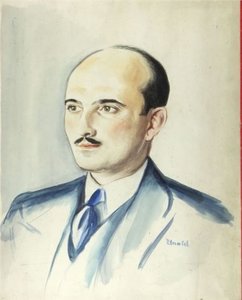
max unold
1885 - 1964 , Germany
Osnovne informacije
- Artistic Movement Or Style: New Objectivity
- Artists Or Movements Influenced By This Artist: ['Münchener Neue Secession']
- Artists Who Influenced This Artist: ['Hugo von Habermann']
- Date Of Birth: 1885
- Date Of Death: 1964
- Full Name: Max Unold
- Nationality: German
- Notable Artworks: ['Untitled (Man brawling)']
- Place Of Birth: Memmingen, Germany

