

 Pregledaj u prostoru
 Pošalji
 Podeli
 Detalji o delu
 Vodič
Vodič

 Preuzmi
 Slični predmeti
 Rendgenski snimak
 Automatska prezentacija
 Pitanja i odgovori
 Statistika
Predella panel from the Pisa Altar

- 21.0 x 61.0 cm


 Pročitaj više
Giclee štampa / Umetnički otisak
Giclée štampa ili print na platnu muzejskog kvaliteta uz brzu izradu i raznovrsne opcije završne obrade. ( Kupite ručno oslikano delo Pređi na digitalnu sliku)




P118B дин10

P118H дин10

P118W дин10

P438Z дин10

P508JH дин12

P508YH дин12

P805H дин10

P805Z дин10

P919BZ дин10

P919G дин10

P919XJ дин10

P959ZH дин10

P968JZ дин12

W106C дин8

W218G дин10

W218JH дин8

W218Y дин10

W307PJ дин10

W316G дин10

W316PJ дин8

W316Y дин10

W398PJ дин8

W4111J дин10

W500HY дин15

W500JH дин15

W692G дин12

W849H дин8

W940BG дин15

W953PJ дин8




Izaberite jednu od naših unapred definisanih veličina koje odgovaraju originalnim proporcijama umetničkog dela.

Unesite željenu širinu i visinu kako bi se štampa uklopila u vaš ram ili zid. Štampu je moguće samo iseći, ali nikada povećati iznad dimenzija originalne slike, stoga format sa drugačijim proporcijama uzrokuje gubitak dela slike. Pre početka štampe, poslaćemo vam digitalni prikaz radi potvrde. Slika prikazana na ovoj stranici ne predstavlja stvarni isrez — to pokazuje samo digitalni prikaz.
Dostava širom sveta () za 2 nedelje umesto uobičajenih 4/5 nedelja. (15 новембар)

Besplatna ekspresna dostava širom sveta

Visokokvalitetno laneno platno

Potpuno osiguranje transporta

Garancija povraćaja carine i uvoznih dažbina

Garancija vernosti boja

Politika povraćaja u roku od 100 dana (samo u slučaju nedostataka)

Garancija povrata 100% novca

Popust na više proizvoda
 Opcija sa staklom dostupna je samo za dimenzije manje od 110 cm

Predella panel from the Pisa Altar
Giclee štampa / Umetnički otisak
Dimenzije reprodukcije
-


Ukupna cena
дин 6591
A Dawn of Realism: The Predella Panel from Masaccio’s Pisa Altar
The world of 15th-century Florentine painting was undergoing a seismic shift, and at the heart of this transformation stood Masaccio – a name that resonates with an almost mythical quality within art history. His “Predella panel from the Pisa Altar,” a remarkably intimate depiction of scenes from Christ’s life, isn't merely a religious image; it’s a foundational document in the birth of Western Renaissance painting. Measuring just 21 x 61 cm, this unassuming panel belies its monumental significance – it represents a radical departure from the stylized conventions of the preceding Gothic era and lays the groundwork for the naturalism that would define the movement.
Masaccio’s genius lay in his ability to capture not just the outward appearance of figures but also their underlying physicality, their emotional depth. The panel, painted in 1426, immediately draws the eye with its masterful use of *chiaroscuro* – the dramatic interplay of light and shadow that sculpts forms and imbues them with a startling sense of volume. Notice how the figures aren’t flat or idealized; they possess weight, texture, and a palpable sense of three-dimensionality. This is achieved through meticulous observation of anatomy, a technique pioneered by Masaccio and directly influenced by his study of classical sculpture.
- The Scene: The panel depicts two pivotal moments from the life of Christ – the Crucifixion of St. Peter and the Beheading of St. John the Baptist. These aren’t grand, theatrical events; rather, they are rendered with a quiet intensity, focusing on the human cost of sacrifice and martyrdom.
- Perspective: Masaccio was a pioneer in the application of linear perspective to painting. The architectural elements within the scenes – the arches, columns, and walls – converge towards a vanishing point, creating an illusion of depth that pulls the viewer into the narrative. This technique, revolutionary at the time, establishes a new standard for realism in art.
- Emotional Resonance: The figures aren’t simply depicted; they *feel*. The sorrowful gaze of Mary Magdalene, the stoic acceptance of St. Peter, and the horrified expression of onlookers convey a profound sense of empathy and human vulnerability.
Masaccio: A Brief but Brilliant Life
Born Tommaso di Ser Giovanni di Simone in San Giovanni Valdarno around 1401, Masaccio’s life was tragically short – he died in Florence in the summer of 1428, likely from a fever. Despite his brief career, he left an indelible mark on the art world. His apprenticeship remains shrouded in some mystery, though it's believed he learned primarily through observation and direct contact with other artists like Andrea del Verrocchio. His early works, including the “Pisa Altarpiece,” demonstrate a remarkable ability to synthesize influences from Giotto – particularly his use of naturalistic figures – with the emerging principles of linear perspective and classical ideals.
Masaccio’s influence extended far beyond his own lifetime. Artists like Leonardo da Vinci and Michelangelo would later acknowledge his profound impact on their work, recognizing him as a key figure in the development of Western art. His legacy lies not just in specific paintings but in the revolutionary approach to representation that he pioneered – an approach that continues to inspire artists today.
The Context: The Pisa Altar and Early Renaissance Florence
The “Predella panel” was originally part of a larger altarpiece commissioned for Santa Maria del Carmine in Pisa by Giuliano di Colino. This commission represents a crucial moment in the early Renaissance – a time of renewed interest in classical art, humanism, and scientific observation. The altarpiece itself reflects this intellectual ferment, incorporating elements of both religious iconography and architectural design.
Florence, at this time, was experiencing an explosion of artistic creativity fueled by patronage from wealthy families like the Medici. Masaccio’s work exemplifies this spirit of innovation, pushing the boundaries of what was possible in painting and setting a new standard for realism and emotional expression. The panel stands as a testament to the transformative power of art during this pivotal period.
A Timeless Masterpiece: Reproductions and Beyond
Today, reproductions of Masaccio’s “Predella panel” are widely available, offering an accessible way to experience the beauty and innovation of this remarkable work. When selecting a reproduction, consider the quality of materials and printing techniques – a faithful rendering will capture the subtle nuances of light, shadow, and color that define Masaccio's genius. This small panel offers a profound glimpse into the dawn of Renaissance art—a reminder of the enduring power of observation, emotion, and artistic vision.
Pitanja i odgovori
Sa kojim osećanjem je povezano "Predella panel from the Pisa Altar"?
„Predella panel from the Pisa Altar“ je povezano sa Reflective osećajem. Emocionalni ton opisuje utisak koji delo ostavlja.
Kakav osećaj izazivaju boje dela „Predella panel from the Pisa Altar”, autor Мазачо?
„Predella panel from the Pisa Altar”, autor Мазачо spaja Earthy paletu boja sa Reflective tonom.
U kojoj godini i u okviru kog umetničkog pravca je nastalo delo "Predella panel from the Pisa Altar"?
Delo "Predella panel from the Pisa Altar" nastalo je 1426. godine u okviru Early Renaissance Realism pravca. Datum i umetnički pravac čine temelj ovog dela u istoriji umetnosti.
Srodna umetnička dela

![Legend Of St Francis - [21] - Apparition To Fra Agostino And To Bishop Guido Of Arezzo — Ђото Ди Бондоне, Proto-renaissance](/media/artworks/images-thumb/8a/06/8a0632ef03ba49f12919faa78718a88b.jpg)


Biografija umetnika
Масачо: Зора ренесансног реализма
Томазо ди Сер Ђовани ди Симоне, познатији као Масачо (што значи "неспретни Тома"), био је кључна фигура ране италијанске ренесансе. Рођен 21. децембра 1401. године у Сан Ђовани Валдарну, Италија, и трагично преминуо у веку 1428. године, његова кратка каријера је револуционисала сликарство захваљујући пробојном реализму, перспективи и киароскуру (употреби снажних контраста између светле и тамне боје). Упркос кратком животу, Масачов утицај на касније генерације уметника био је дубок, успоставивши нови стандард натурализма и обликујући ток западне уметности.
Рани живот и образовање
Масачо је рођен 21. децембра 1401. године у Сан Ђовани Валдарну, Италија, као син Ђованија ди Симонеа Касаија, нотара, и Јакопе ди Мартиноца. Породично име, Касаи, потиче од заната његовог деде по оцу, који је био израђивач намештаја. Након очеве смрти када је имао пет година, Масачо је остао сироче и одрастао са братом Ђованијем (Ло Скеђа), који је такође постао сликар. Детаљи његовог уметничког образовања су углавном непознати, што је необично за ренесансне уметнике. Верује се да је започео учење око дванаесте године, али није идентификован дефинитиван учитељ. Овај недостатак документованог школовања додаје мистерију његовом брзом развоју и иновативним техникама.
Уметнички развој и главна дела
Масачо је у свом раду демонстрирао изузетан таленат за реалистично представљање света, али није одмах стекао признање. Почетно су га инспирисали Ђото ди Бондоне, претходник познат по свом натурализму, и архитектонске иновације Филипа Брунелескија, посебно Брунелескијево откривање линеарне перспективе. Масачо је брзо надмашио Ђота у разумевању анатомије и перспективе. Убрзо се прикључио цеховском удружењу сликара (Arte de’ Medici e Speziali) у Фиренци 7. јануара 1422. године, што је означило његов излазак као самосталног мајстора.
Масачо је био пионир неколико пробојних техника: линеарна перспектива, коју је применио коришћењем тачака нестајања и математичке прецизности за стварање убедљиве илузије дубине на дводимензионалној површини; киароскуро, где је мајсторски користио светлост и сенку да обликује форме, стварајући осећај волумена и реализма који није виђен раније у сликарству; и натурализам, где је фигуре приказивао са анатомијском прецизношћу и емоционалном изражајношћу, одступајући од стилизованих представљања ранијих периода.
Међу његовим значајним делима су Триптих Сан Ђовенале (око 1422.), рани рад који показује његов развијајући се вештина у перспективи и натуралистичком представљању; Мадона са дететом и Света Ана (око 1423-1425.), заједничка работа са Масолином, која демонстрира Масачов реализам поред традиционалнијег стила Масолина. Али његова најславнија и утицајна дела су фреске у капели Бранкачи (око 1425-1428.), које се налазе у цркви Санта Марија дел Кармине у Фиренци. Ове фреске, укључујући "Податак пореза", "Истеривање из раја" и "Свети Петар крштава новокрштене", сматрају се ремек-делима ране ренесансе.
Историјски значај и наслеђе
Масачов утицај на ток западне уметности је непроцењив, упркос његовој трагично краткој каријери. Његове иновације у перспективи, киароскуру и натурализму су темељно промениле начин на који су уметници приказивали свет. Ефикасно је премостио јаз између средњовековних уметничких конвенција и нових ренесансних идеала.
Масачов рад је дубоко утицао на генерације сликара, укључујући Донатела, Леонарда да Винчија, Микеланђела и Рафаела. Изучавали су његове фреске са великом пажњом, усвајајући и прилагођавајући његове технике својим стиловима. Нагласак на реализму и људским емоцијама поставио је основу за уметничка достигнућа Високе ренесансе. Биографија Ђорђа Вазарија препознала је Масачов геније, хвалећи га као "најбољег сликара своје генерације" и истичући његову способност да имитира природу са неупоредивом вештином. Његова смрт у младости од 26 година била је жалована савременицима, попут Филипа Брунелескија, који су оплакивали губитак тако изузетног талента.
Масачово наслеђе траје као један од најважнијих и утицајних уметника у историји. Стоји као кључна фигура у прелазу са средњовековне на ренесансну уметност, заувек мењајући начин на који доживљавамо и представљамо свет кроз сликарство. Његова кратка али сјајна каријера служи као сведочанство моћи иновација и трајног утицаја уметничког генија.

Мазачо
1401 - 1428 , Италија
Osnovne informacije
- Artistic Movement Or Style: Rani renesans
- Artists Or Movements Influenced By This Artist: ['Kasniji renesansni slikari']
- Artists Who Influenced This Artist:
- Đoto
- Bruneleski
- Donatelo
- Date Of Birth: 21. decembar 1401.
- Date Of Death: Leto 1428.
- Full Name: Masaccio (Ser Giovanni, Mone Cassai)
- Nationality: Italijan
- Notable Artworks:
- Trinitas
- Kapela Brankaci
- Sveto Trojstvo
- Danak
- Place Of Birth: San Giovanni Valdarno, Italija
Povezani članci

Benozzo Gozzoli: Narrative Innovation & Secular Humanism in Early Renaissance Frescoes
Explore the innovative frescoes of Benozzo Gozzoli, a key Florentine Renaissance painter. Discover his unique blend of religious narrative, secular humanism & detailed portraiture in masterpieces like the Magi Chapel cycle.

Mastering the Divine: The Top 25 Artworks by Duccio di Buoninsegna
Journey through the divine elegance of Duccio di Buoninsegna. Explore 25 iconic masterpieces of the Sienese School, from gold-leafed icons to humanized sacred narratives. Find museum-quality art reproductions and decor inspiration. Discover all masterpieces on ArtsDot.com.

Proto-Renaissance Masters: 10 Artworks That Changed History | ArtsDot
Journey back to the dawn of Renaissance art! Explore 10 iconic Proto-Renaissance masterpieces by Giotto, Cimabue & Duccio. Discover their stories, techniques & lasting impact. Find museum-quality reproductions for your home at ArtsDot.com
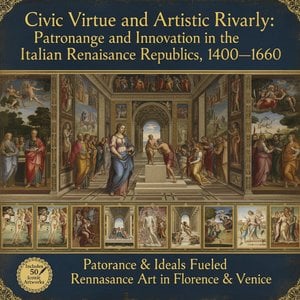
Civic Virtue and Artistic Rivalry: Patronage and Innovation in the Italian Renaissance Republics, 1400–1600
Explore the Italian Renaissance! Discover how competitive patronage & humanist ideals fueled artistic innovation in republics like Florence & Venice. Expert insights for art lovers and collectors.
