

 Pregledaj u prostoru
 Pošalji
 Podeli
 Detalji o delu

 Преузми
 Slični predmeti
 Rendgenski snimak
 Slajdovi
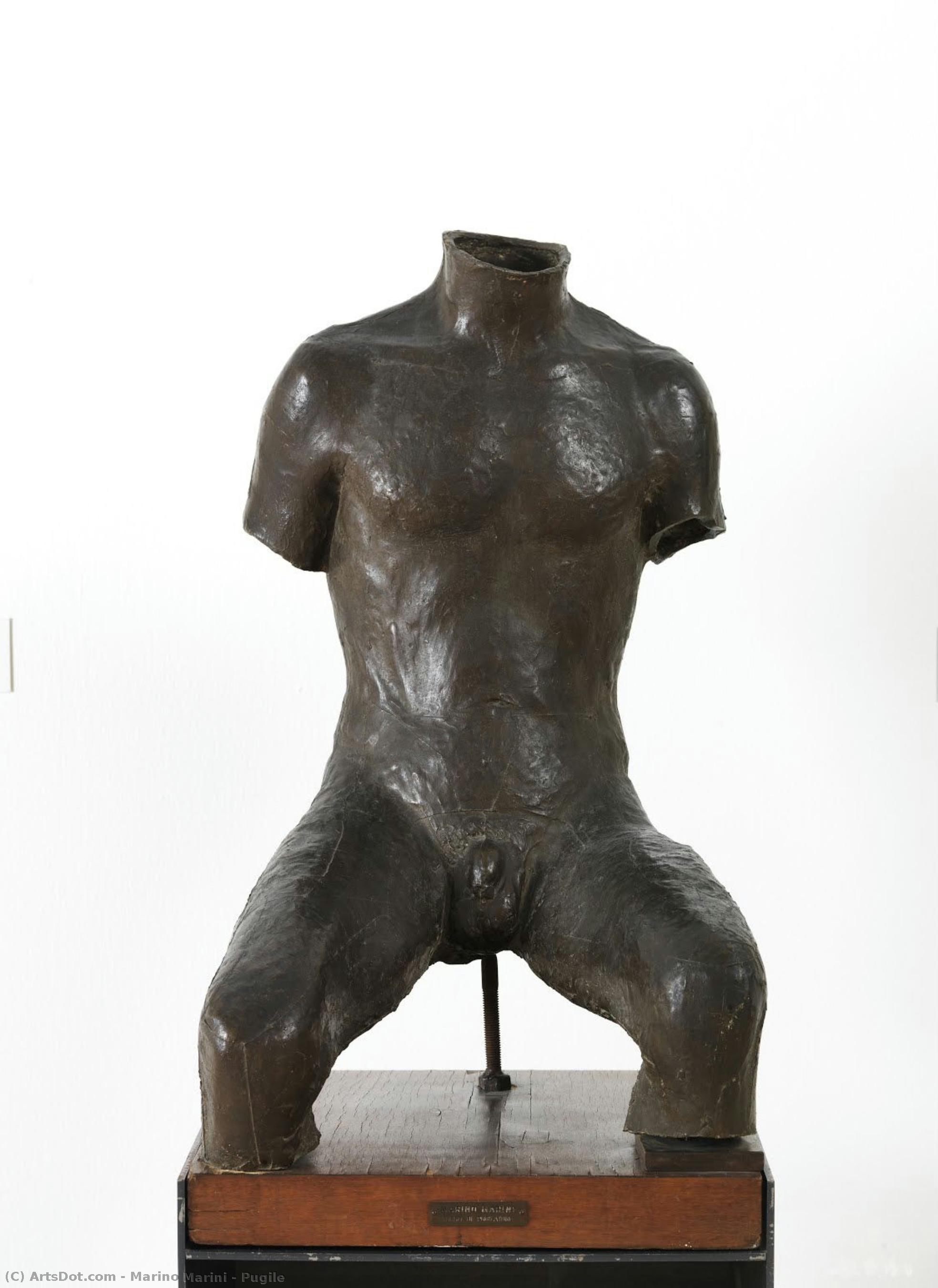
Pugile
 Contemporary Realism
 50.0 x 82.0 cm
 Pročitaj više
Giclee štampa / Umetnički otisak
Giclée štampa ili print na platnu muzejskog kvaliteta uz brzu proizvodnju i fleksibilne opcije završne obrade. ( Kupi ručno naslikanu sliku Kupi digitalnu sliku)




































Izaberite jednu od naših unapred definisanih veličina koje odgovaraju originalnim proporcijama umetničkog dela.

Možete uneti sopstvene dimenzije kako biste umetničko delo prilagodili specifičnom okviru ili prostoru. Ako odabrani format ne odgovara proporcijama originalne slike, mi ćemo ili iscrtati deo dela ili proširiti sliku pomoću ogledane ivice ili jednobojnog popunjavanja. Digitalni prikaz će vam biti poslat na odobrenje pre početka proizvodnje.
Imajte na umu da pregled na ekranu ne odražava stvarno iscrtavanje ili proširivanje. Samo će prikaz (mockup) precizno pokazati finalnu kompoziciju.
Iako su prilagođene dimenzije dostupne, preporučujemo da odaberete dimenziju sa unapred definisane liste kako biste očuvali originalne proporcije.
Dostava širom sveta () za 2 nedelje umesto uobičajenih 4/5 nedelja. (13 август)

Besplatna ekspresna dostava širom sveta

Visokokvalitetno laneno platno

Kompletno osiguranje transporta

Garancija povraćaja carine i uvoznih dažbina

Garancija vernosti boja

Politika povrata u roku od 60 dana (samo u slučaju nedostataka)

Garancija povrata novca od 100%

Popust pri grupnoj kupovini
 Opcija sa staklom dostupna je samo za dimenzije manje od 110 cm

Pugile
Giclee štampa / Umetnički otisak
Dimenzije reprodukcije
-


Konačna cena
$ 62
Srodna umetnička dela


Biografija umetnika
Marino Marini: Sculptor of Myth and Modernity
Marino Marini (1901 – 1980) stands as a pivotal figure in Italian sculpture of the mid-twentieth century, blending classical inspiration with an uncompromising exploration of human form and emotion. Born in Rome, Marini’s artistic journey began formally at the Accademia di Belle Arti Firenze, where he honed his skills before dedicating himself primarily to sculpting around 1922—a commitment that would define his career and solidify his reputation as a master craftsman. His formative years were profoundly shaped by Arturo Martini, whose sculptural style – characterized by dynamic poses and expressive musculature – served as a cornerstone for Marini’s own artistic vision. Influenced deeply by Etruscan art, particularly its stylized depictions of figures and animals imbued with symbolic meaning, Marini sought to transcend mere representation, aiming instead for an embodiment of psychological depth and spiritual resonance. This fascination with antiquity fueled his stylistic choices and underpinned his enduring preoccupation with themes of heroism and primal instinct. Marini’s academic pursuits extended beyond sculpture; he became Professor at the Scuola d'Arte Villa Reale in Monza in 1929, maintaining this position until 1940. During these years, he cultivated connections with fellow artists like Massimo Campigli, Giorgio de Chirico, Alberto Magnelli and Filippo Tibertelli de Pisis—artists who engaged in dialogues about artistic experimentation and the role of art in confronting existential anxieties. Frequent visits to Paris allowed him to immerse himself in the avant-garde milieu of the time, fostering collaborations that broadened his creative horizons. Notably, he befriended Alberto Giacometti, Germaine Richier and Fritz Wotruba—artists who shared a similar commitment to exploring the human condition through figurative sculpture. The Second World War brought significant upheaval, forcing Marini into exile in Switzerland where he continued to exhibit his work and engage with influential contemporaries like Jean Arp, Max Beckmann, Alexander Calder, Lyonel Feininger and Jacques Lipchitz. His artistic output during this period reflected the anxieties of the era while simultaneously reaffirming his stylistic convictions. He received acclaim for his contribution to ‘The Twentieth Century Italian Art’ exhibition at MoMA in New York City in 1944 and was honored with the Feltrinelli Prize at the Accademia dei Lincei in Rome in 1954—recognitions that underscored his stature within the international art community. Marini's sculptural achievements reached their zenith during the Venice Biennale of 1952, securing him the Grand Prize for Sculpture and cementing his legacy as one of Italy’s foremost sculptors. His work continued to evolve throughout his life, exploring variations on themes of movement and gesture—a stylistic hallmark that distinguishes his oeuvre from many of his peers. He was awarded the prestigious Premio Nazionale della Scultura in 1954. A solo exhibition at the Kunstverein Hamburg and Haus der Kunst Munich further cemented his reputation as a visionary artist. His enduring influence can be seen in the work of subsequent generations of sculptors who embraced Marini’s stylistic innovations and philosophical concerns. He passed away peacefully in Milan in 1980, leaving behind an impressive body of sculptural masterpieces that continue to captivate audiences worldwide.
Marino Marini
1901 - 1980
Osnovne informacije
- Artistic Movement Or Style: Etruscan & Martini Style
- Artists Or Movements Influenced By This Artist:
- Jean arp
- Max beckmann
- Alberto giacometti
- Artists Who Influenced This Artist: ['Arturo Martini']
- Date Of Birth: 1901
- Date Of Death: 1980
- Full Name: Marino Marini
- Nationality: Italian
- Notable Artworks:
- Horse and Rider
- Composizione, (1956)
- Untitled (2)
- Place Of Birth: Italy
Povezani članci

Umberto Boccioni: Dynamism, Futurist Ideals & the Evolution of Modern Sculpture
Explore the revolutionary art of Umberto Boccioni, a leading figure of Futurism. Discover his iconic sculptures & paintings, and delve into the movement's impact on modern art history with ArtsDot.

The Enduring Legacy of Bronze Sculpture: Technique, Symbolism & Cultural Impact
Explore the rich history & enduring appeal of bronze sculpture with expert insights for collectors. Learn about casting techniques, iconic artists, collecting tips & contemporary interpretations at ArtsDot.

Nasleđe bronze: Istorija, tehnike i savremene interpretacije skulpture – vodič za kolekcionare
Istražite bogatu istoriju bronze i tehnike livenja skulptura. Saveti za kolekcionare, investiciono vrednovanje i savremene interpretacije aluminijumske bronze. ArtsDot – stručnjaci za umetnost.

The Enduring Legacy of Bronze Sculpture: A Collector's Guide to Form & Cultural Significance
Explore the rich history & enduring appeal of bronze sculpture with expert insights for collectors at ArtsDot. Learn about casting techniques, iconic artists, and collecting tips to build a discerning art collection.

Bronze Age to Modern Masters: 10 Sculptures That Redefined Art | ArtsDot
Journey through art history with 10 legendary bronze sculptures – from Michelangelo's David to Rodin’s Thinker. Explore the stories, techniques & timeless beauty of these masterpieces. Find museum-quality reproductions & elevate your home decor on ArtsDot.com.

